Loading…
Loading…
ROLEX - Azor drift-cam project
ROLEX - Azor drift-cam project
ROLEX - Azor drift-cam project
Loading project…
ROLEX - Azor drift-cam project
Period: 01 Jan 2022 to 31 Dec 2023
Funding: 1 source(s)
ROLEX
Budget: 50,000.00 €
Summary
ROLEX - Azor drift-cam project
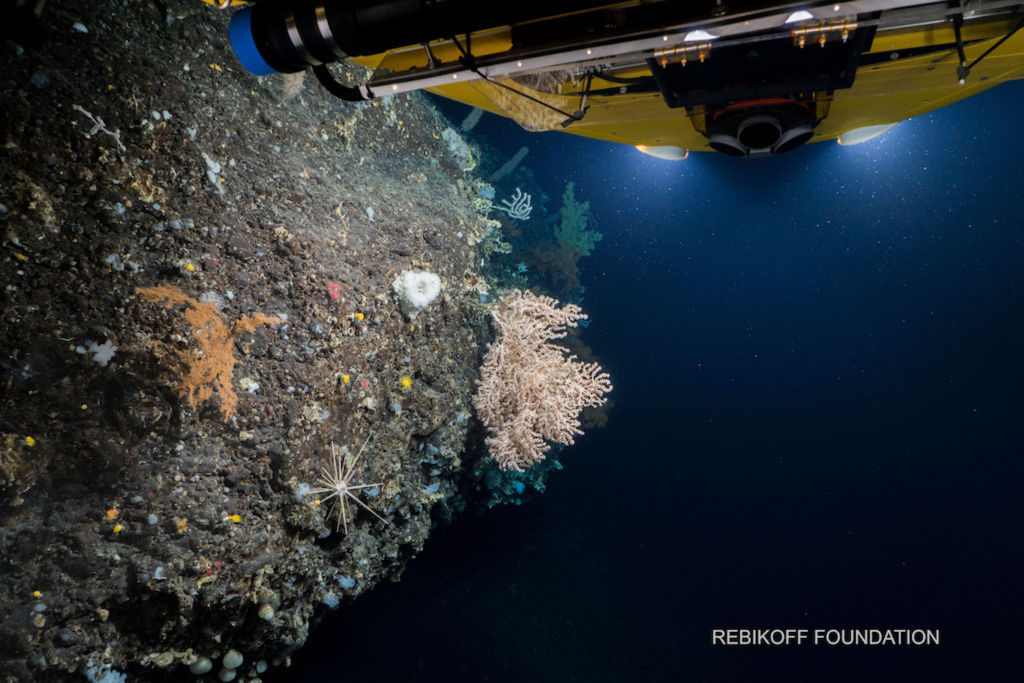
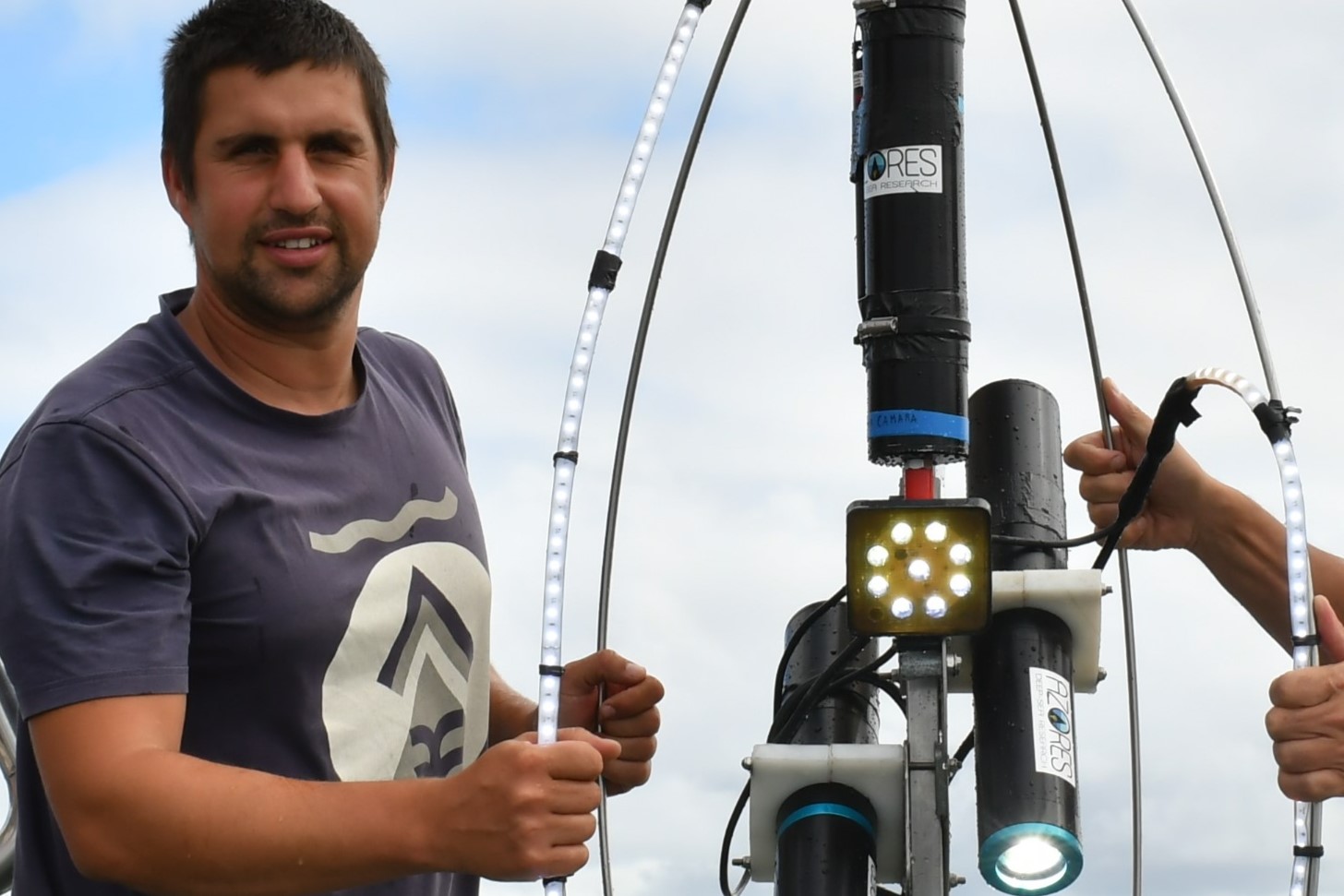
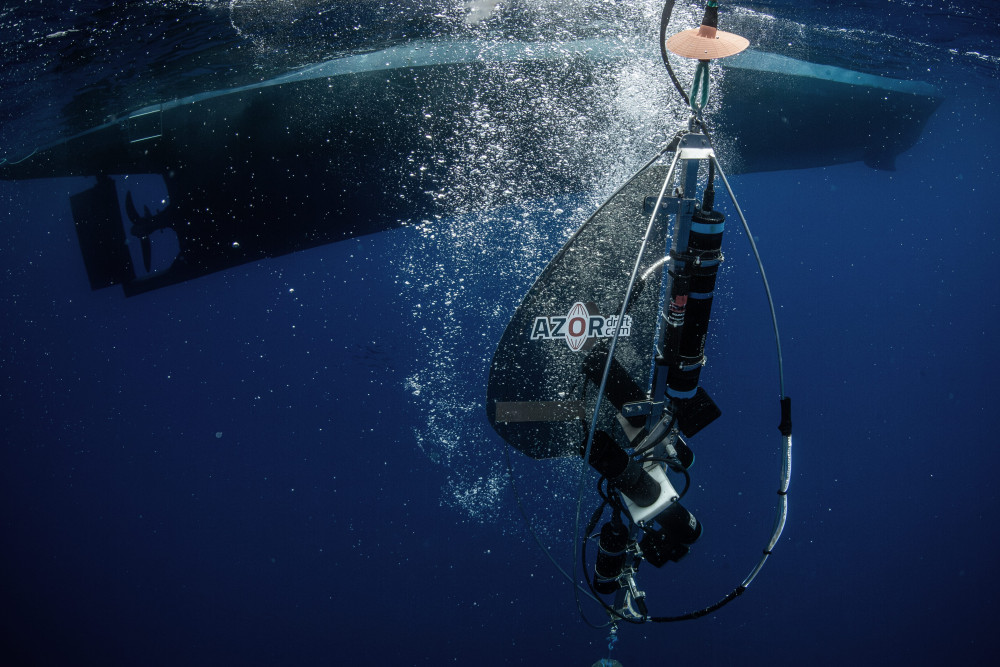
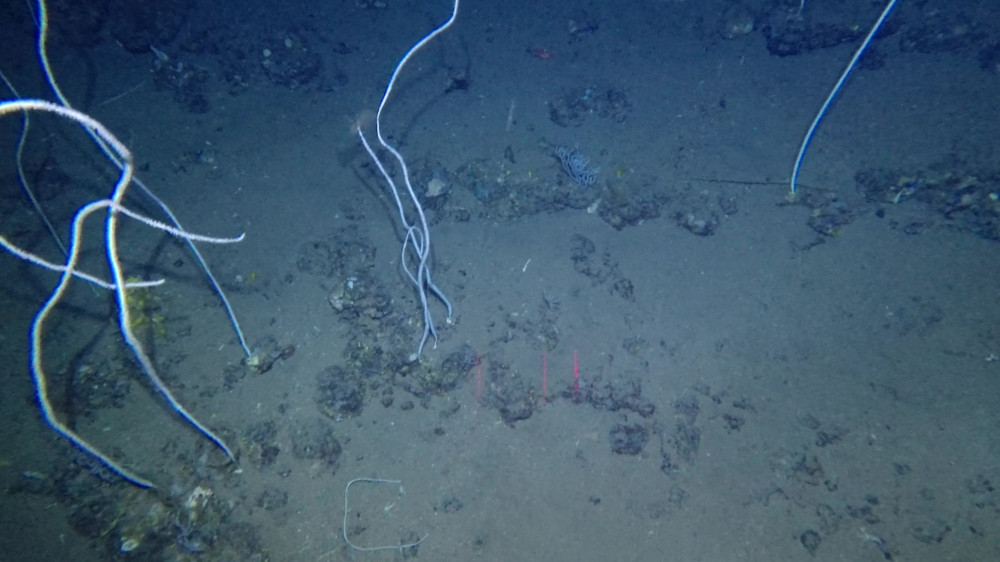
However, until recently, the amount of information available regarding the diversity, composition and spatial distribution of benthic species and communities was very limited. In 2019, the Azores Deep-Sea Research Group developed the Azor drift-cam, a cost-effective video platform designed to conduct rapid appraisals of deep-sea benthic habitats down to 1,000m depth. In the past few years, the Azor drift-cam has proven to be a fundamental tool to gather scientific data at large spatial scales in the Azores to inform deep-sea management and conservation, namely the process of enlarging the existing network of Marine Protected Areas and achieving the targets set by the EU 2030 Biodiversity Strategy and the UN 2030 Sustainable Development agenda.
The collaboration with Rolex through allowed us to continue developing deep-sea exploration in the Azores to better understand the diversity, distribution and health condition of deep-sea benthic communities and inform the conservation and sustainable management of the ocean. This project benefitted from other ongoing research projects such as the “Characterization of deep-sea habitats of the Azores” funded by the Azores Government, the European Union H2020 projects ATLAS and iAtlantic, and the Fundação para Ciência e Tecnologia scientific employment program. These projects supported most of the staff working hours, ship-time and laboratory analyses.
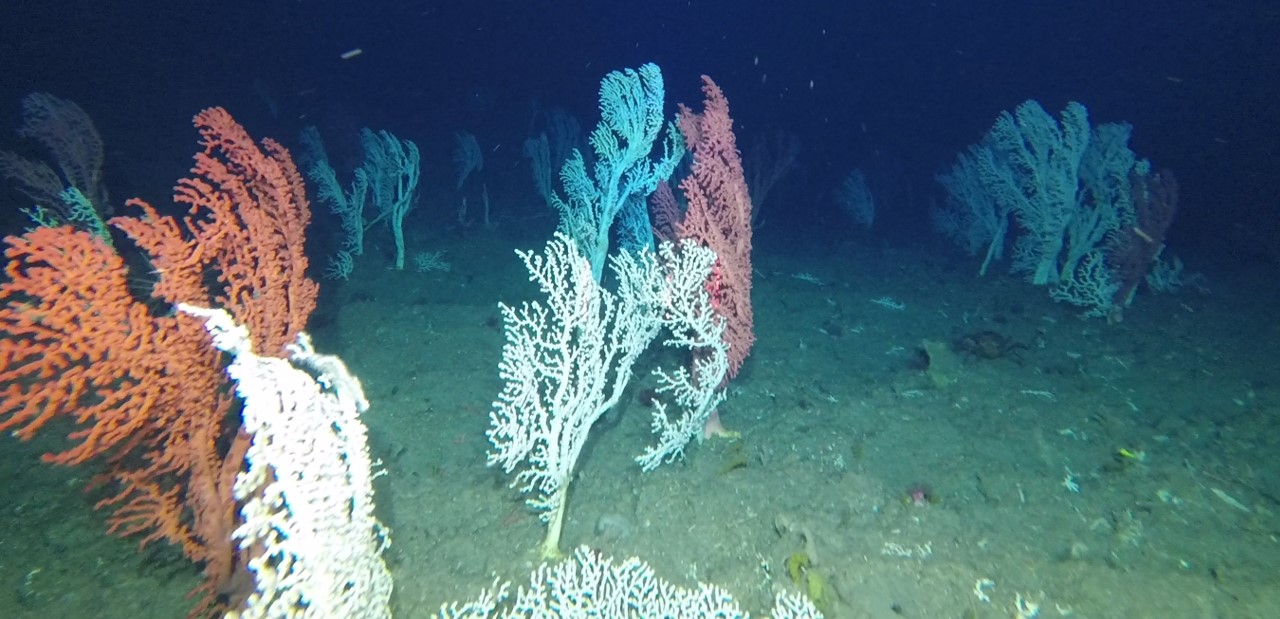
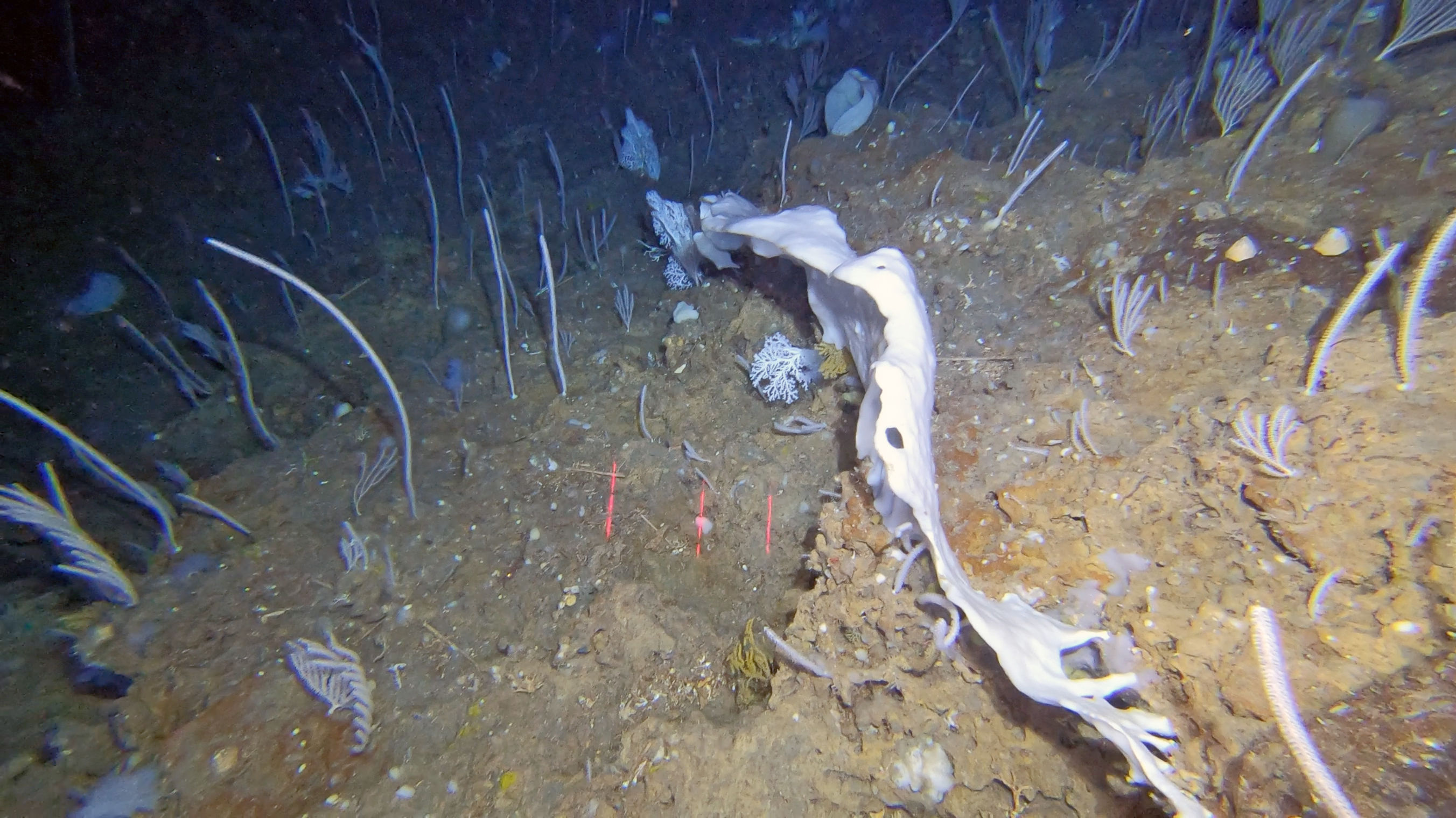
The Azores Exclusive Economic Zone (EEZ) is characterized by a complex marine seafloor, home to a large number of seamounts, ridges, trenches and abyssal plains. This variety of landscapes host rich benthic ecosystems, where hydrothermal vents, coral gardens and sponge grounds are commonly observed. The benthic habitats of the Azores are exposed to anthropogenic pressures, which can put their long-term preservation at risk. Identifying areas of ecological relevance, such as those that fit the FAO criteria for defining Vulnerable Marine Ecosystems (VME), is currently of upmost importance to implement efficient management measures that would ensure the protection of the natural heritage in commitment with a sustainable use of marine resources.
Our Team's role
We lead this small project building three replicas of the Azor drift-cam that contributed to the long-term objective of our research group of visiting all 140 geomorphological features (e.g., seamounts, ridges, island slopes) shallower than 1,000 m depth found in the Azores.
Telmo Morato
Coordinator
Marina Carreiro-Silva
Scientist
Carlos Dominguez-Carrió
Scientist
Laurence Fauconnet
Scientist
Luís Rodrigues
Scientist
Gerald Hechter Taranto
Research Assistant
António Godinho
Research Assistant
Inês Carneiro
Research Assistant
Isabel Areosa
Research Assistant
João Balsa
Research Assistant
Marc Pladevall
Research Assistant
Sérgio Gomes
Research Assistant
Guilherme Gonçalves
Research Assistant
Manuela Ramos
PhD Student
Collaborators
Main results
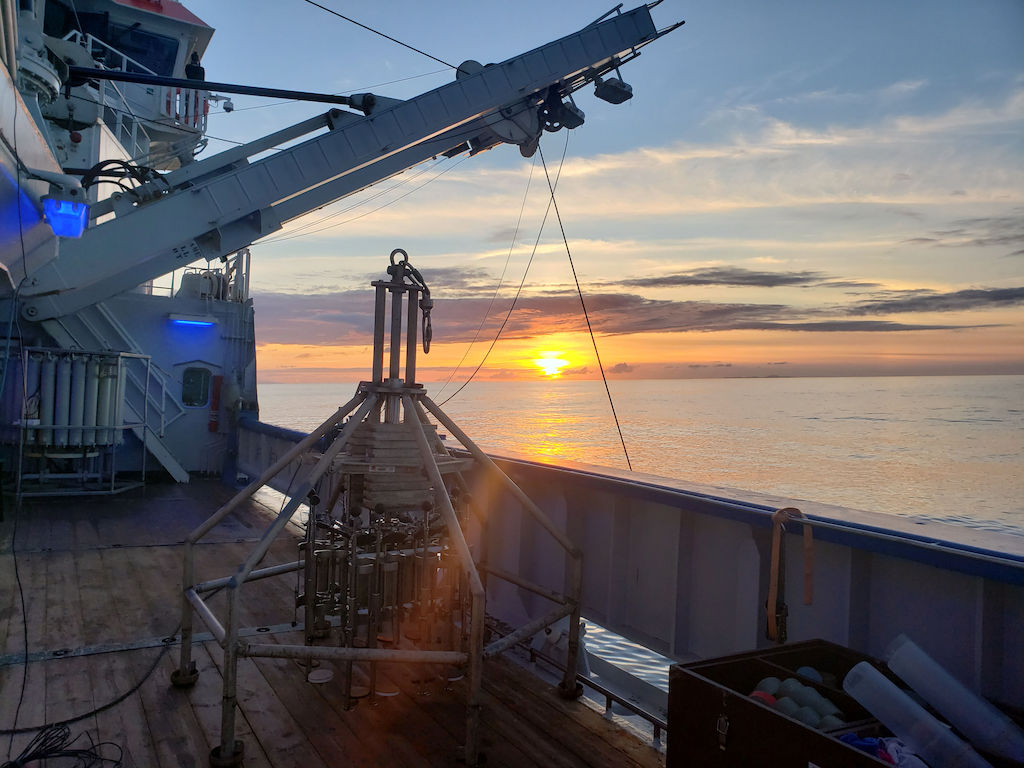
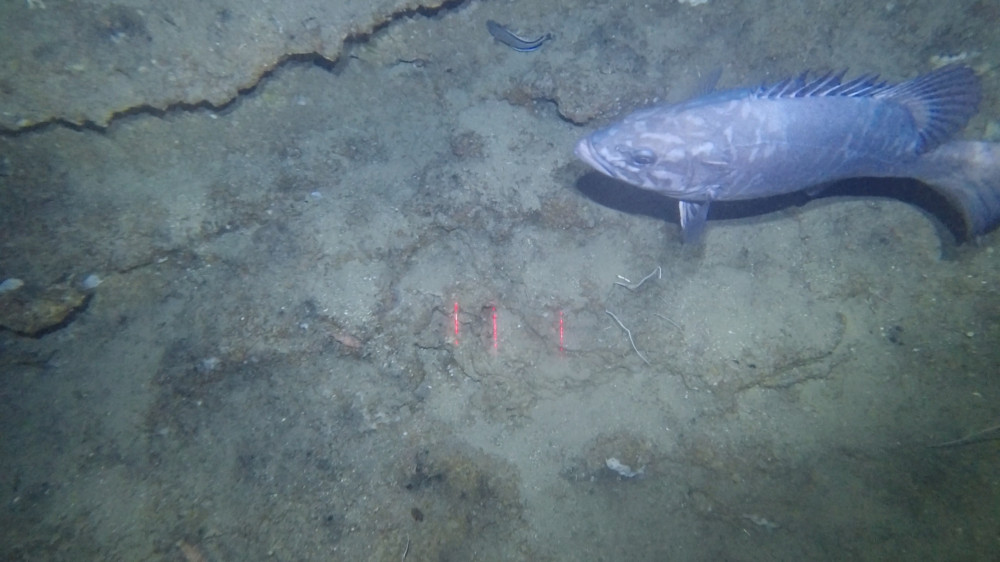
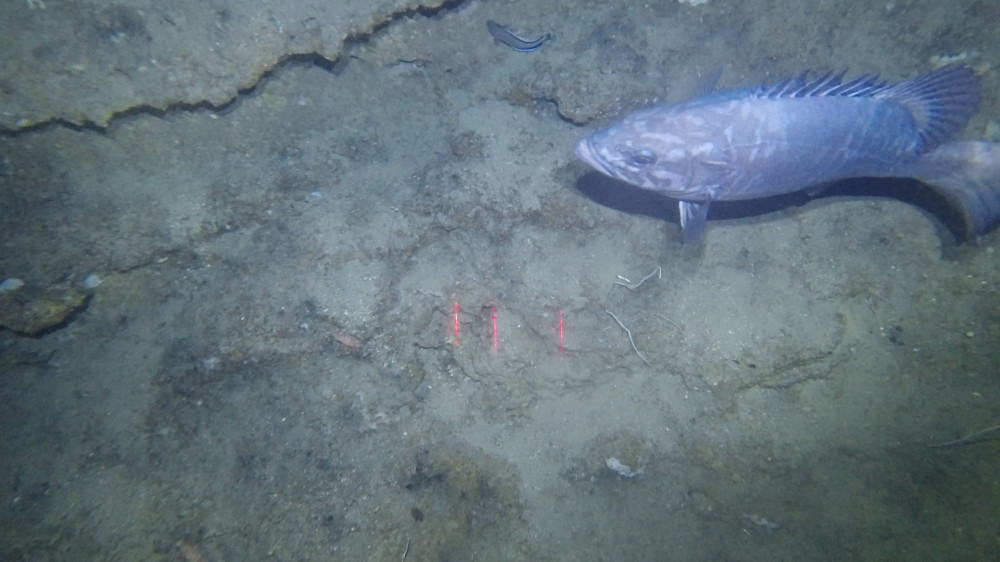
During 2022 and 2023, we were able to conduct three major research cruises with the Azor drift-cam to complement the existing information related to deep-sea benthic biodiversity in the Azores down to 1,000 m depth. These cruises were conducted on board the research vessel (RV) Arquipélago (owned by the Azores Government) and the Maritime Tourist (MT) vessel Physeter, which was specifically used to explore areas closer to the islands. Altogether, the three research cruises lasted approximately 136 days at sea: 33 days in 2022 (all with RV Arquipélago) and 103 days in 2023 (74 with MT Physeter and 29 with RV Arquipélago), corresponding to about 630 people/day at sea. We were able to perform a total of 491 dives, covering about 280 km of seafloor and producing more than 480 hours of seafloor video footage, visiting 78 unexplored areas inside the Azores EEZ.
The field expeditions conducted in 2022 and 2023 unveiled new species and benthic communities, and helped towards identifying new areas that fit the definition of Vulnerable Marine Ecosystems (VMEs) by FAO. The scientific data compiled informed the expansion of the Azores network of Marine Protected Areas.
ROLEX - Azor drift-cam project Gallery








Location
Departamento de Oceanografia e Pescas — Universidade dos Açores
Rua Prof. Doutor Frederico Machado, No. 4
9901-862 Horta, Portugal
Contact
Email: azoresdeepsea@gmail.com

AZORES DEEP-SEA RESEARCH © 2020-2026 — RELEASE 2.1
 VALTER MEDEIROS