Cruise Reports

Reports from sea expeditions and research cruises

Latest
Select year...
2022
2021
2020
2019
2015
2011
Cruise report year 2022
MapGES 2022 Cruise Report: Exploration and mapping of deep-sea biodiversity in the Azores, summer 2022
Zenodo
|
Sep, 2022
8 team members are authors
OA DOI 10.5281/zenodo.7075749
Abstract
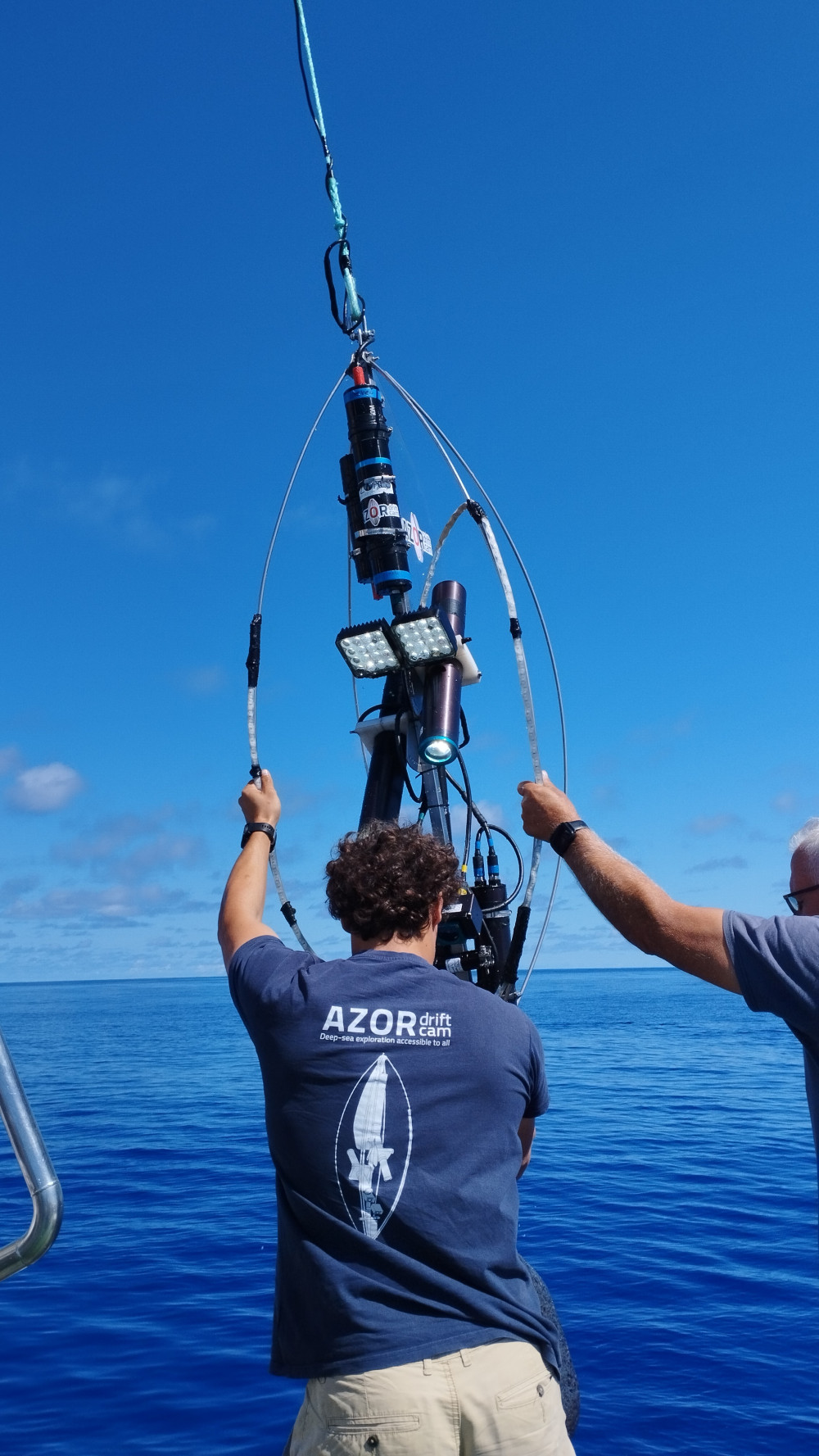
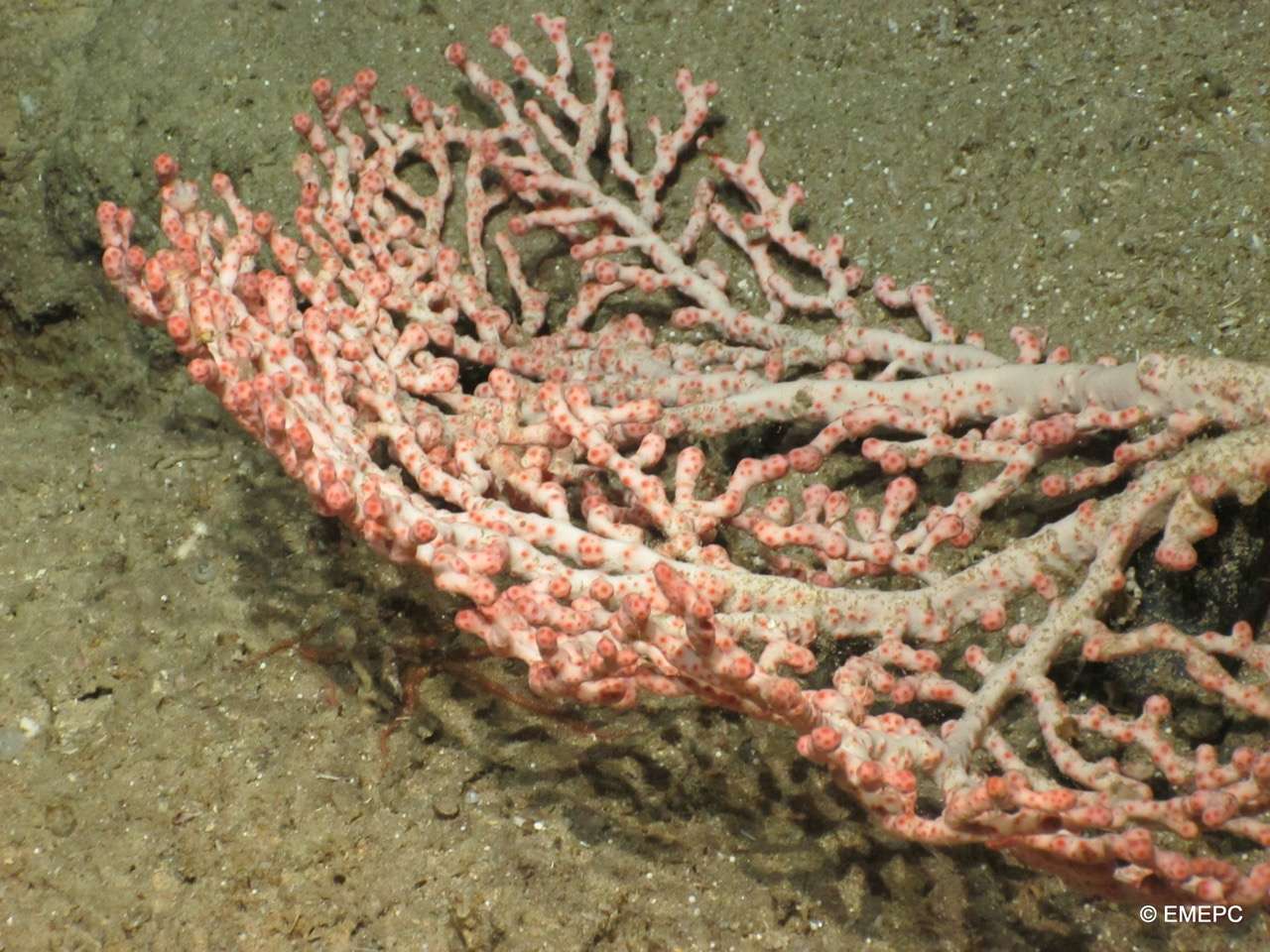
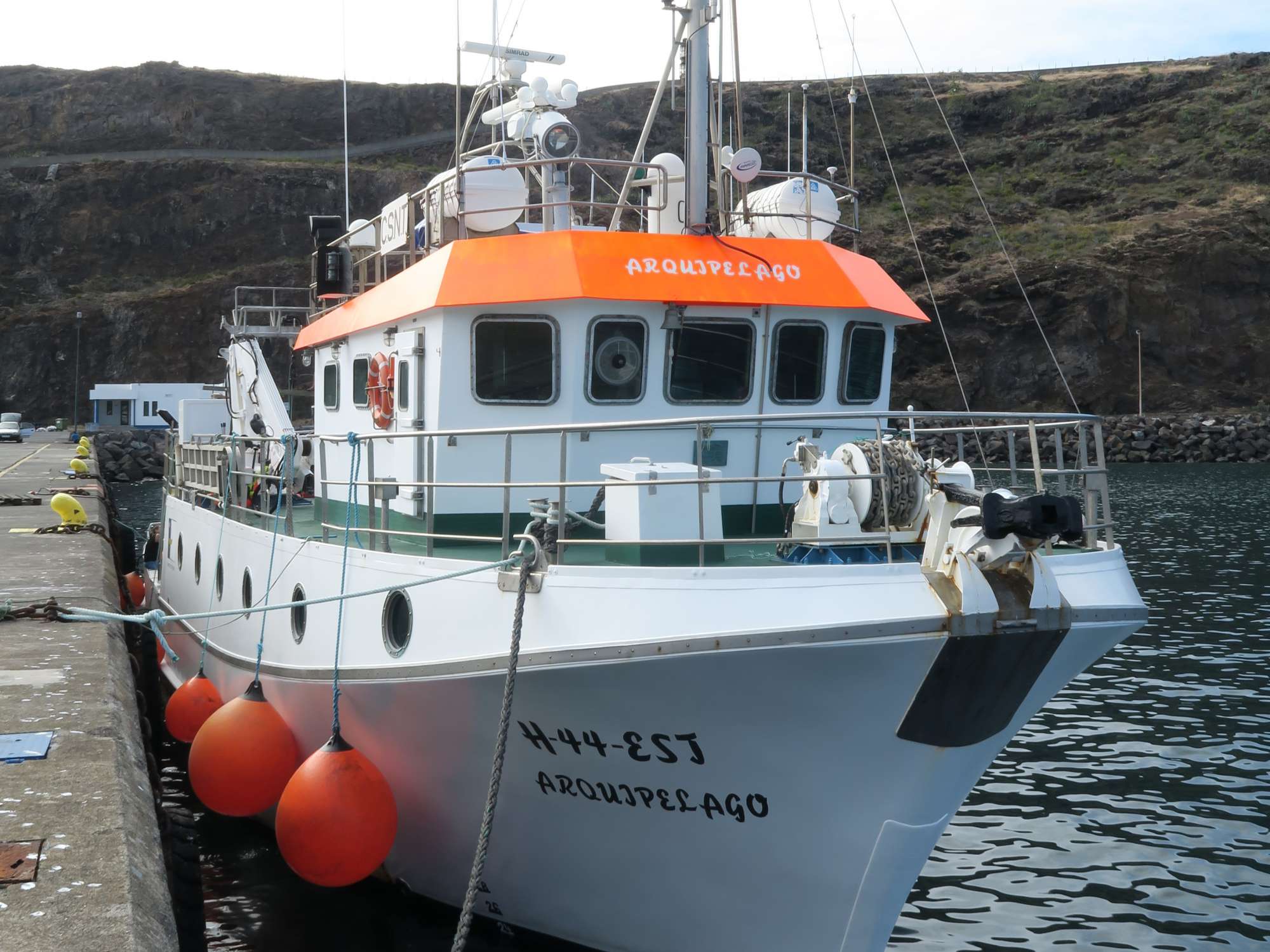
Main objective: MapGES 2022 is the continuation of our long-term strategy to map deep-sea biodiversity and identify Vulnerable Marine Ecosystems (VMEs) in the Azores using the Azor drift-cam video system. This year, we operated from the RV Arquipélago and were lucky to finally explore some long-awaited areas such as the Diogo de Teive and Cachalote seamounts, the Flores island slopes (western Azores), but also the Girard, Maria Celeste, Formigas and Margrette seamounts and the island slopes of Santa Maria (eastern Azores). As in other MapGES cruises, the objectives were to (i) map benthic communities inhabiting unexplored seamounts, ridges and island slopes, (ii) identify new areas that fit the FAO definition of what constitutes a Vulnerable Marine Ecosystem (VME); and (iii) determine distribution patterns of deep-sea benthic biodiversity in the Azores region. The results of this cruise, when added to the previous contributions, will help identify what are the main environmental drivers that determine the spatial distribution of deep-sea benthic fauna in the Azores. This cruise also provided valuable information in the context of Good Environmental Status (GES), Marine Spatial Planning (MSP) and provided new insights on how to sustainably manage deep-sea ecosystems. Methodology: We performed several underwater video transects along the seafloor with the Azor drift-cam, a low-cost drifting camera system designed and developed at IMAR & Okeanos (University of the Azores), which allows the recording of high-quality underwater video images of the seabed down to 1000 m depth. The system was deployed from the research vessel RV Arquipélago, owned by the Government of the Azores. Scientific team in Leg 1: Telmo Morato (chief scientist), Sérgio Gomes, Luís Rodrigues, Guilherme Gonçalves, Inês Carneiro Scientific team in Leg 2: Telmo Morato and Carlos Dominguez-Carrió (chief scientists), Sérgio Gomes, Luís Rodrigues, Guilherme Gonçalves, Manuela Ramos Cruise summary: The MapGES 2022 survey was divided in 2 legs, which were planned to explore very distant areas of the Azores, namely the eastern and western group of islands (Table 1, Figure 1). Overall, ~130 dives were accomplished in 22 sampling areas, which include 11 seamounts and the slopes of 5 different islands (Tabel 2). During Leg 1, from 6th to 23rd July 2022, we performed 62 dives with the Azor drift-cam, covering 36.3 km of the seafloor and producing 60:33 hours of video footage, 3.31TB of disc space. This leg surveyed the deep-sea benthic communities dwelling on the slopes of Flores island and Diogo de Teive and Cachalote seamounts on board of the research vessel Arquipélago, together with some dives around Faial, Pico and São Jorge islands. During, Leg 2, from 14th to 28th August 2022, we performed 72 dives with the Azor drift-cam, covering 35 km of the seafloor and producing 69:38 hours of video footage, 3.82TB of disc space. This leg surveyed the slopes around Santa Maria island, as well as several seamounts on their vicinity, some located on the easternmost part of the Azores archipelago. Leg 2 explored for the first time the seamounts of Albatroz do Meio, Girard, Maria Celeste and Margrette seamounts, and collected new information on the shallower areas of Formigas seamount, for which data was still lacking to complete the exploratory dives done in previous surveys. Main achievements: During the MapGES 2022 cruise we accomplished of more than 130 underwater video transects between 190 and 1099 m depth with the Azor drift-cam, adding up to around 130 new hours of underwater video footage of seabed habitats. The presence of many lost fishing lines made our deep-sea exploration challenging. After having the Azor drift-cam caught on several lines, we managed to get free with only minor damages. These collateral fishing impacts, i.e., preventing the acquisition of deep-sea biodiversity data to inform management deserve to be better quantified. Deep-sea exploration with the Azor drift-cam confirmed that Diogo de Teive seamount may classify as a near-natural or pristine area. The Portuguese Hydrographic Institute mapped this seamount in 2019 and found that it was much shallower than previous maps indicated. Because of the lack of known fishing events, we classified Diogo de Teive as a potential near-natural or pristine area. During the dives performed in Leg 1, we found many large and intact colonies of the coral Callogorgia verticillata that showed no signs of impacts from fishing activity, and we also encountered large schools of the wreckfish Polyprion americanus. More exploration may be needed, but this area should be kept in the list of priority areas for conservation in the Azores. We explored the Cachalote seamount with the Azor drift-cam, after almost 4 years of waiting. The Portuguese Hydrographic Institute also mapped this seamount back in 2018 and revealed its flat-topped structure. The benthic communities showed a clear vertical stratification, with extensive gardens of Narella bellissima and Narella versluysi at depths between 700 m and 900 m, with areas characterized by the bamboo coral Acanella arbuscula. At 500-600 m depth, coral gardens of Callogorgia verticillata and Viminella flagellum were observed, together with many other species of corals and sponges. We also drifted over some alfonsinos, silver roughy, wreckfish, and saw lost fishing lines, both on the deeper dives and also on the summit. Although there were quite a few large Callogorgia verticillata colonies, many of them showed signs of fishing impacts, such as broken or missing branches. We also explored the deep sea around Flores island, the westernmost point of the Azores and Europe, but siting on the North American Plate. We were stunned by two very dense patches of large pink and white bubblegum corals (Paragorgia cf. johnsoni) that resemble those observed in the Gigante Western Ridge. These areas are good candidates for breaking the record of the densest bubblegum coral garden in the Azores. The coral gardens seemed to be in reasonably good conditions, despite the fact that many colonies showed signs of impacts, some even found lying broken over the seafloor. We were also stunned by the diverse fauna colonizing the steep walls that can be found around Flores island, where large corals resembling Paramuricea were filmed, as well as by the diverse benthic communities observed with several species of corals and sponges, including Acanthogorgia sp., Dentomuricea cf. meteor, white and yellow Viminella flagellum, Elatopathes abietina and Leiodermatium sp. Deep-sea exploration with the Azor drift-cam of several isolated seamounts located between the islands of Pico and Santa Maria (Albatroz do Meio, Girard, Maria Celeste) for which no information regarding their benthic communities was previously available. The images recorded revealed a diverse benthic ecosystem characterized by (among several other assemblages) dense coral gardens of Narella versluysi, Narella bellissima and Candidella imbricata, aggregations of Stylasterids, large Callogorgia verticillata colonies and sponge grounds with the barrel sponge Pheronema carpenteri, as well as extensive areas with deposits of coral rubble. We completed the first visual survey to the slopes of Santa Maria island, with a total of 30 dives carried out with the Azor drift-cam at depths between 200 and 1070 m depth, covering the whole perimeter of the island. The habitats explored host rich benthic communities, with black corals of the genus Leiopathes on its deepest areas, coral gardens of Narella versluysi and Narella bellissima and sponge grounds with Pheronema carpenteri at intermediate depths, and coral gardens with Viminella flagellum and Callogorgia verticillata, as well as aggregations of giant sponges of the genus Characella, in the shallowest areas explored, among several other assemblages. We explored areas below 600 m depth inside the Marine Protected Area (MPA) of Formigas seamount to complete the exploratory work performed in deeper areas during the MedWaves cruise in 2016. The dives unveiled one of the largest and densest aggregations of the primnoid coral Callogorgia verticillata ever recorded in the Azores, which was found on the northern slopes of Formigas seamount. Although the area has been protected for several years, we were surprised by the amount of lost or abandoned fishing lines observed laying over the seabed. We performed the first dives ever on Margrette seamount, the easternmost part of the Azores archipelago shallower than 1000 m depth, and hence that can be surveyed with the Azor drift-cam. Margrette seamount appeared to be a very complex area in terms of its geological morphology, with several vertical walls that complicated the exploratory work performed. Discovered dense and diverse coral gardens and sponge grounds whose presence was unknown to science and that may fit the FAO criteria to be considered Vulnerable Marine Ecosystems (VMEs).
iMAR 2022: Integrated assessment of the distribution of Vulnerable Marine Ecosystems along the Mid-Atlantic Ridge in the Azores region - Cruise Report.
Zenodo
|
Dec, 2022
8 team members are authors
OA DOI 10.5281/zenodo.7702643
Abstract
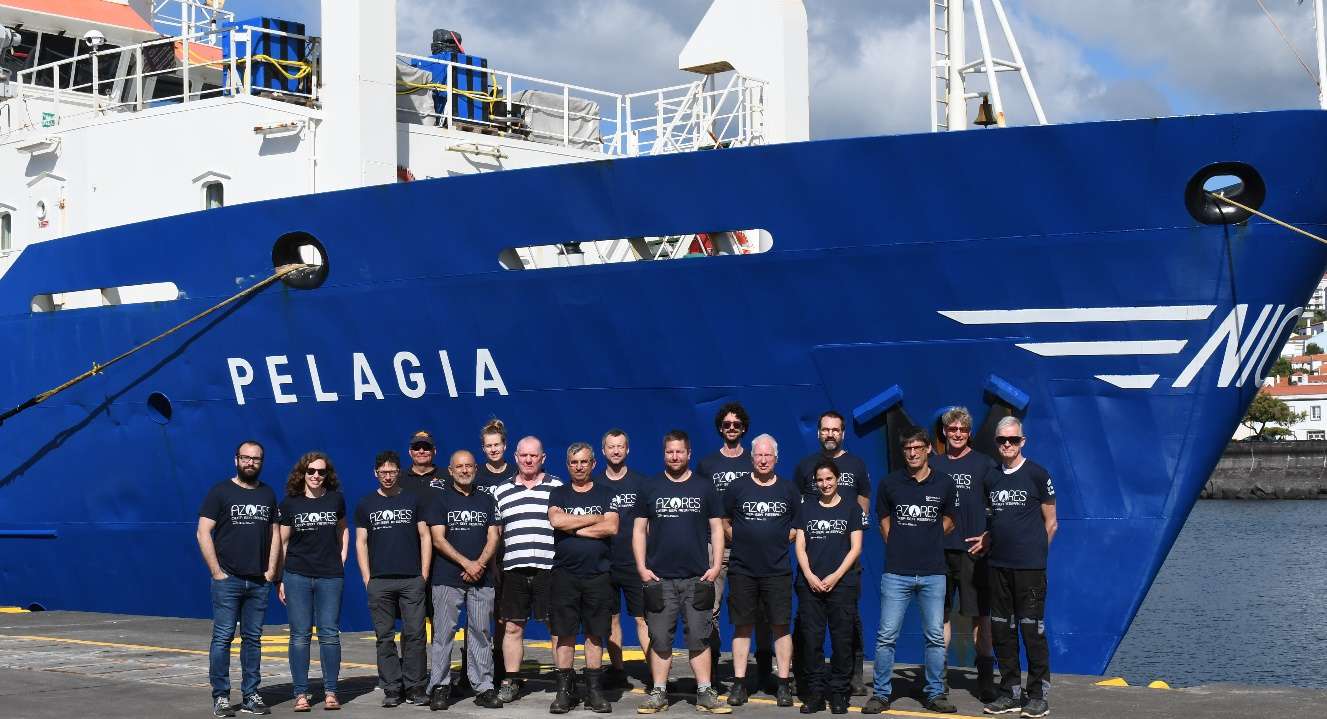
The iMAR 2022 cruise “Integrated assessment of the distribution of Vulnerable Marine Ecosystems along the Mid-Atlantic Ridge (MAR) in the Azores region” took place aboard the Research Vessel Pelagia of the Royal Netherlands Institute for Sea Research (NIOZ) between July 28th and August 4th 2022. This expedition was the second leg of the iMAR cruise funded by the SEA OCEANS program of Eurofleets+ and the H2020 European project iAtlantic. It was led by the University of the Azores (Portugal) in collaboration with the Hydrographic Institute (IH), the University of Porto (Portugal), the University of Aarhus (Denmark), the National Oceanography Center (United Kingdom), GEOMAR (Germany), the University Museum of Bergen (Norway), the PP Shirshov Institute of Oceanology (Russia), and the University of Vale do Itajaí (Brazil). During this cruise, we explored under-visited portions of the southern sector of the MAR in the Azores region and associated ridges and seamounts between 300 and 1,200 m depth (Figure 1): (1) unnamed seamount (coded B14) and Alfa seamount, (2) ridges around the Menez Gwen hydrothermal vent area, (3) A16 seamount and Cabeçote hills, (4) Sarda N and Sarda NE seamounts, (5) Farpas ridge, and (6) Voador seamount. On most sampling locations, we collected multibeam data, CTD measurements, water and sediment samples, as well as towed camera video transects along with ADCP data to survey deep-sea coral and sponge communities. Water samples will be used to characterize water masses properties (nutrients and physical-chemical parameters) and also for biodiversity analyses through eDNA methods. Sediment samples (collected at 1,000 m depth) will be used for biodiversity analyses through faunal studies and eDNA methods, the presence of microplastics, granulometry analyses, and physical-chemical studies. Although the data has yet to be analysed in detail, the iMAR 2022 cruise revealed some exciting discoveries. We have identified new areas that fit the FAO definition of Vulnerable Marine Ecosystems (VME), and compiled valuable scientific information to inform the development of policies that promote the preservation of the natural heritage, ensuring the sustainable use of the deep sea, minimizing negative impacts on these vulnerable ecosystems.
Cruise report year 2021
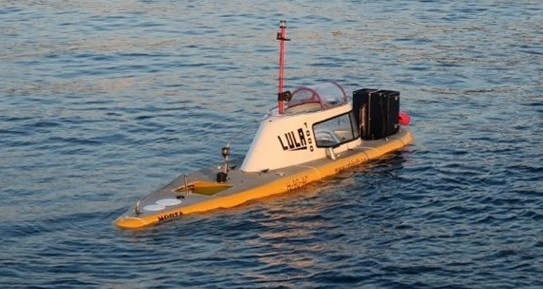
DeepWalls: Report on summer 2020 survey with submersible LULA1000
Zenodo
|
Sep, 2021
3 team members are authors
OA DOI 10.5281/zenodo.5506765
Abstract
This report describes the DeepWalls survey aimed to characterize and map the distribution of deep-sea megafaunal communities associated with vertical walls in the Azores by means of the submarine LULA1000 of the Rebikoff-Niggeler Foundation (FRN). The primary target areas for the submersible dives were the South of Pico and São Jorge Islands, where the existence of communities of interest in vertical walls had already been identified during exploratory dives performed by FRN based on the information compiled in the database (Deliverable 1.1). Five submersible dives were undertaken in 2020 in the vertical walls down to 1000 m depth around the islands of Pico and São Jorge. In addition to these dives, in August 2019, the DeepWalls team coordinated two dives on seamount ridge Baixo de São Mateus, located south of Pico Island. Theses dives, financed by Oceano Azul Foundation, collected information for the DeepWalls project and to support the process of identifying new areas of interest for conservation in the Azores EEZ under the Blue Azores program, in partnership with the Oceano Azul Foundation (FOA).
iMAR: Integrated assessment of the distribution of Vulnerable Marine Ecosystem along the Mid-Atlantic Ridge in the Azores region
Zenodo
|
Aug, 2021
4 team members are authors
OA Citations 1 DOI 10.5281/zenodo.6556837
Authors 10.5281/zenodo.6556837
Abstract
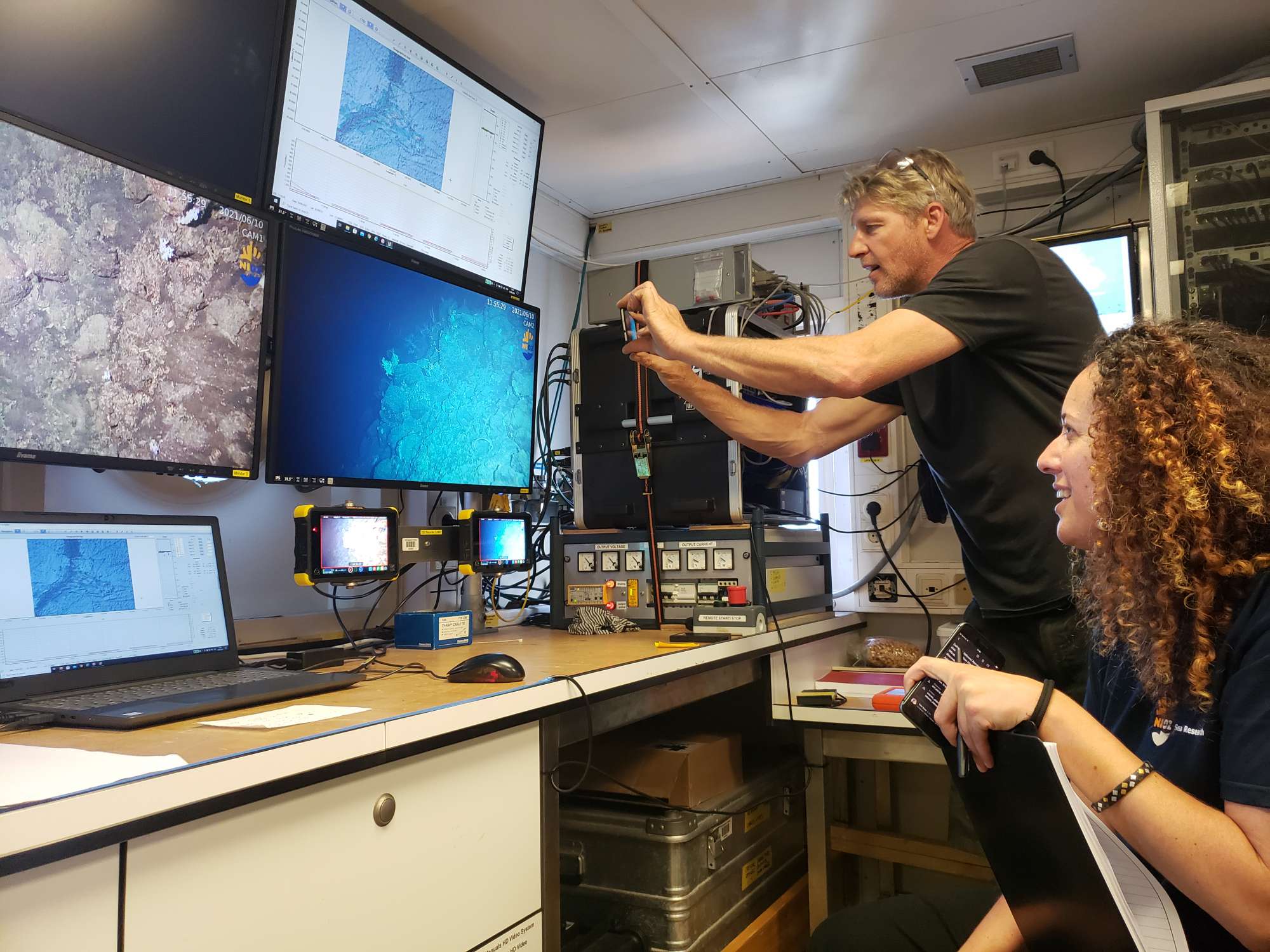
The iMAR cruise “The Integrated assessment of the distribution of Vulnerable Marine Ecosystem along the Mid-Atlantic Ridge (MAR) in the Azores region” took place aboard the Research Vessel Pelagia of the Royal Netherlands Institute for Sea Research between May 17th and June 2nd 2021. This expedition was funded by the SEA OCEANS program of Eurofleets+ and the H2020 European project iAtlantic, and was led by the University of the Azores (Portugal) in collaboration with the Hydrographic Institute and University of Porto (Portugal), the University of Aarhus (Denmark), the National Oceanography Center (United Kingdom), GEOMAR (Germany), the University Museum of Bergen (Norway), the PP Shirshov Institute of Oceanology (Russia), and the University of Vale do Itajaí (Brazil). We explored under-visited portions of the northern MAR in the Azores region and associated ridges and seamounts between 300 and 1,200 m depth: (1) South Chaucher, (2) unnamed seamount coded as D12, (3) the Kurchatov fracture zone area, including Isolado and D10 seamounts and ridges complex, (4) unnamed seamount West of Oscar seamount coded as D5, (5) the Gigante seamount and ridges complex, and (6) Cavala seamount. On most sampling locations, we collected multibeam data, CTD measurements, water and sediment samples, and tow camera transects to survey deep-sea coral and sponge communities. Water samples will be used for biodiversity analyses through eDNA methods and the characterization of water masses properties (nutrients and physical-chemical parameters). Sediment samples (collected at 1,000 m depth) will be used for biodiversity analyses through faunal studies and eDNA methods, microplastics, granulometry analyses, and physical-chemical studies.
Cruise report for 64PE488 onboard of R/V Pelagia Terceira Island 2021 - Towed camera video footage
Zenodo
|
Jun, 2021
3 team members are authors
OA DOI 10.5281/zenodo.6592634
Abstract
Objectives: To explore deep-sea areas of the Azores EEZ to better understand the distribution patterns of large VME species and commercial fishes. Specifically, the objectives of the cruise were to (i) continue the characterization of benthic communities inhabiting the slopes of Terceira and neighboring submarine ridges, (ii) identify new areas that may fit the FAO definition of what constitutes a Vulnerable Marine Ecosystem; and (iii) to contribute with additional data to address patterns and drivers of the distribution of deep-sea benthic biodiversity in the Azores region. It will also provide valuable information in the context of Good Environmental Status (GES), Marine Spatial Planning (MSP) and provide new insights on how to sustainably manage deep-sea ecosystems. Vessel: R/V Pelagia Chief scientist: Fleur Visser (NIOZ) Scientific team: Manuela Ramos (IMAR-UAç) Cruise summary: Six new dives were performed by the towed camera system of R/V Pelagia during the cruise. Four dives were performed on the southern Terceira island depression, covering a depth range between 1300 and 1900 m. The remaining two dives were performed in the Serreta Ridge, WNW of Terceira, between 780 and 1100 m depth. Overall, we collected 6 h of new video footage.
Cruise report - 64PE479 onboard of R/V Pelagia Terceira Island 2020 - Hopper tow-cam video footage
Zenodo
|
Feb, 2021
3 team members are authors
OA DOI 10.5281/zenodo.7429503
Abstract
Objectives: to explore deep-sea areas of the Azores EEZ to better understand the distribution patterns of large VME species and commercial fishes. Specifically, the objectives of the cruise were to (i) continue the characterization of benthic communities inhabiting the slopes of Terceira and neighbouring deep seamounts, (ii) identify new areas that may fit the FAO definition of what constitutes a Vulnerable Marine Ecosystem; and (iii) to contribute with additional data to address patterns and drivers of the distribution of deep-sea benthic biodiversity in the Azores region. It will also provide valuable information in the context of Good Environmental Status (GES), and Marine Spatial Planning (MSP) and provide new insights on how to sustainably manage deep-sea ecosystems. Vessel: R/V Pelagia Chief scientist: Fleur Visser (NIOZ) Scientific team: Carlos Dominguez-Carrió (IMAR-UAç), Sérgio Gomes (IMAR-UAç) Cruise summary: Three new hopper dives were performed during the cruise. One dive was performed on the southern slopes of Terceira island, covering a depth range between 150 and 750 m. The remaining two dives were performed in a deep seamount located southwest of Terceira Island, in two locations at 1000 and 1500 m depth. Overall, we collected 7 h of new video footage, covering 8.75 km of the seabed. More than 6 km corresponded to the deep seamount, from which no information was available until now.
Cruise report year 2020
MapGES 2020 Cruise Report: Exploration of Azores deep-sea habitats, summer 2020
Zenodo
|
Dec, 2020
7 team members are authors
OA DOI 10.5281/zenodo.5503634
Abstract
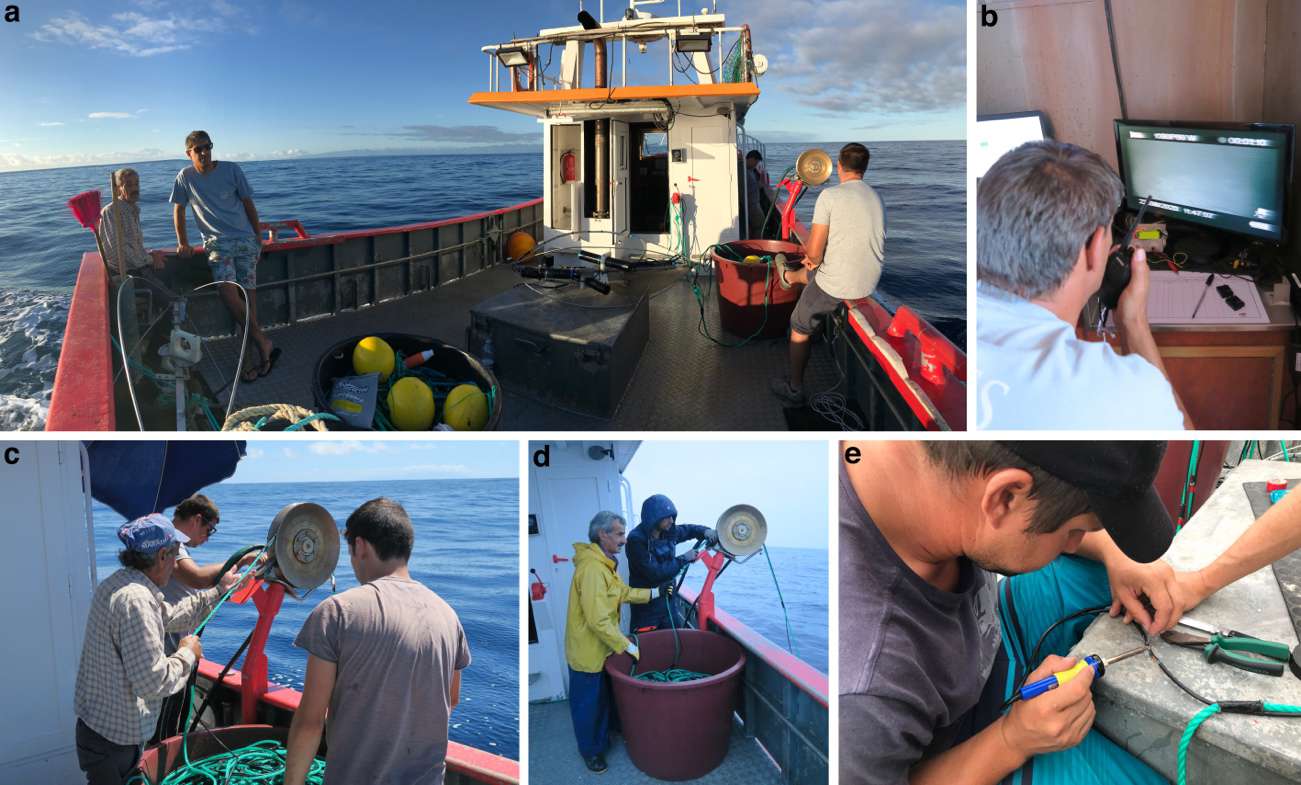
Main objective: to explore deep-sea areas of the Azores for which there is currently little or no information available on the composition and diversity of its benthic fauna in order to better understand the distribution of Vulnerable Marine Ecosystems (VMEs) and commercial fish species in this region. Methodology: The main device used during this cruise corresponds to the Azor drift-cam, the low-cost drifting camera system designed and developed at IMAR which allows the recording of high-quality underwater video images down to 1000 m depth. The system was deployed both from a fishing vessel and from the research vessel N/I Arquipélago, from the University of the Azores. Chief scientist: Telmo Morato Scientific team: Telmo Morato, Carlos Dominguez-Carrió, Sérgio Gomes, Gerald H. Taranto, Manuela Ramos, Laurence Fauconnet, Luis Rodrigues, Marina Carreiro-Silva Cruise summary: The MapGES_2020 survey was divided in 3 different legs, which were planned to explored different areas of the Azores archipelago around the central group of islands (Table 1, Figure 1). Overall, almost 100 dives were accomplished in 8 different underwater features, which includes 6 shallow seamounts and 2 island slopes. Leg 1, 22 to 31 August 2020. This leg aimed to survey the slopes and small seamounts around the island of Garciosa, with one day also allocated to survey Ilha Azul seamount, an area later completed in Leg 2. The importance of Leg 1 went beyond the amount of new areas explored, but corresponded to the first time that the whole Azor drift-cam system was moved between islands using a regular ferry line and also the first full survey on board of a local fishing vessel not based in Faial island. During Leg 1, 32 dives on the slopes of Graciosa and 4 dives in Ilha Azul seamount were successfully completed (Figure 1), covering more than 17 km of seabed. Leg 2, 24 September to 1 October 2020. This leg also aimed to survey deep-sea areas on the northern side of the central group. After 7 days of work on board of the research vessel N/I Arquipélago, 5 different seamounts were explored, as well as the slopes on the western side of Terceira island, popularly named Serreta (Figure 1). During Leg 2, 37 dives were accomplished, covering more than 20 linear km of seabed. Leg 3, 20 to 26 November 2020. This leg planned to explore two underwater features south of Faial and Pico islands, for which some previous knowledge was available, especially in its deeper areas. During Leg 3, 26 dives were accomplished, 13 in Condor de Fora and 13 in Baixo de São Mateus seamounts (Figure 1), adding an extra 13.3 km of seabed surveyed. Main achievements: Accomplishment of almost 100 new underwater video transects between 100 and 800 m depth, most of them in areas of the Azores that had never been explored before and for which no information regarding the composition of its benthic communities was available. Discovery of diverse coral gardens and sponge grounds whose presence was unknown to science and that may fit the FAO criteria to be considered Vulnerable Marine Ecosystems (VMEs). Successfully perform a 10-day survey with the Azor drift-cam on board of a local fishing vessel not based in Faial island, with dives to almost 800 m depth. This achievement demonstrates the great capacity of this tool, fully designed and developed at IMAR, to (a) rapidly assess the diversity of deep-sea benthic communities from small local vessels and (b) be moved between areas with ease.
MapGES 2019: Summer 2019 cruise on board of N/I Arquipélago
Zenodo
|
Mar, 2020
7 team members are authors
OA Citations 1 DOI 10.5281/zenodo.3727570
Abstract
Objective: to explore seamounts of the Azorean archipelago to better understand the distribution patterns of VMEs and commercial fish species. A special interest was placed in exploring deep-sea areas along the Mid Atlantic Ridge and close to islands of the central group. The device used in this survey corresponds to the low-cost drift-cam video platform designed and developed at IMAR. Vessel: N/I Arquipélago Chief scientist: Telmo Morato Scientific team: Telmo Morato, Carlos Dominguez-Carrió, Sérgio Gomes, Gerald H. Taranto, Jordi Blasco, Manuela Ramos, Laurence Fauconnet, Cristina G. Zárate, Marina Carreiro-Silva Main achievements: Successfully tested the new design of the low-cost drift-cam system developed at IMAR Exploration of over 80 km of seabed down to 750 m depth in 8 different areas for which little or no information of its benthic communities was available Discovery of new sites that host diverse coral gardens and sponge grounds that were unknown to science New data on the distribution of VMEs in the seamounts of the Mid-Atlantic Ridge
Cruise report year 2019
RV Pelagia cruise 64PE454: Rainbow hydrothermal vent and southern MAR 2019 - Hopper tow-cam video footage -
Zenodo
|
Oct, 2019
2 team members are authors
OA Citations 2 DOI 10.5281/zenodo.6593981
Authors 10.5281/zenodo.6593981
Abstract
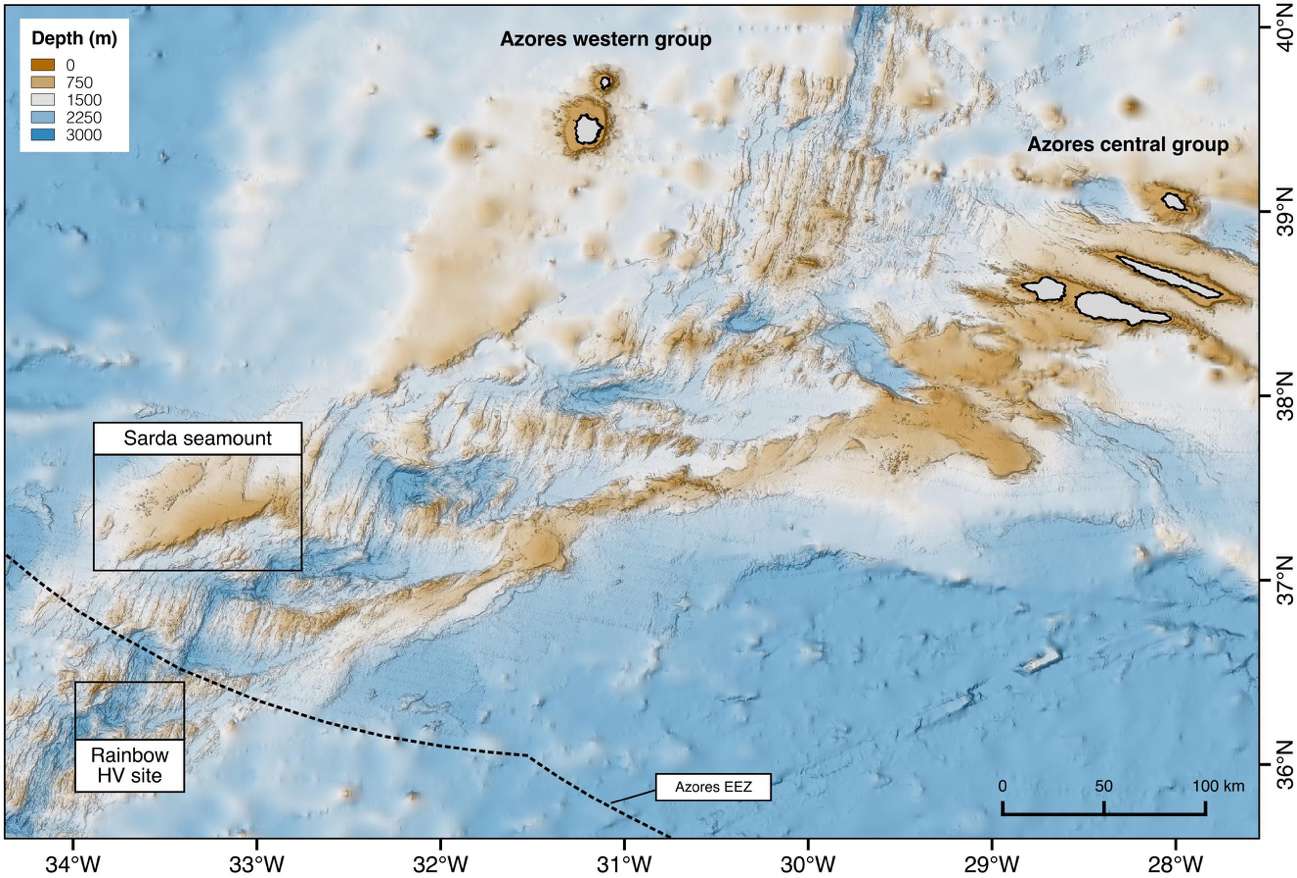
Objectives: to improve the understanding on the sphere of influence of hydrothermal vents on the distribution of deep-sea megafauna around vent sites and the exploration of Sarda seamount to improve our knowledge on the distribution and abundance of large VME indicator species and deep-sea commercial fishes in the large Azores region. Vessel: R/V Pelagia Chief scientist: Sabine Gollner (NIOZ) Scientific team: Carlos Dominguez-Carrió (IMAR), Sabine Gollner (NIOZ) Main achievements: Improvement of our understanding on the effects of hydrothermal vent plumes on the distribution of benthic megafauna Identification of new VME areas in Sarda seamount, including glass sponge aggregations and dense cold-water coral assemblages Cruise summary: The Rainbow 2019 cruise on board of R/V Pelagia allocated 2 days of work to explore 2 different deep-sea areas of the Azores region using the Hopper tow-cam system: the Rainbow hydrothermal vent site and Sarda seamount. Overall, 6 successful video transects were carried out, generating more than 18 hours of seafloor images. These dives provided information along 17.8 km of seabed, at depths that ranged between 430 and 2,500 meters. Two high-definition video transects of 1.5 km long were performed at the hydrothermal vent site, starting and ending at a distance larger than 500 m off the main active chimneys. Spatial changes in the structure of the benthic community will be visually evaluated to understand the potential effect of vent plumes on deep-sea megafauna. The total amount of bottom time recorded at Rainbow site was above 3 hours and 20 minutes, with all footage considered valid for annotation purposes. Another main objective of the Rainbow 2019 cruise was to explore Sarda seamount, located on the western side of the MAR. This geological structure stretches for more than 120 kilometres in length, and its summit can reach depths as shallow as 300 m. The 4 Hopper dives carried out at Sarda seamount aimed to obtain video footage from a wide bathymetric range, starting down to 1000 m depth all the way up to the summit. The 4 dives covered 14.8 km of seabed, generating over 15 hours of bottom time.
Cruise report - 64PE479 onboard of R/V Pelagia Terceira Island 2020 - Hopper tow-cam video footage -
Zenodo
|
Oct, 2019
OA DOI 10.5281/zenodo.6592539
Authors 10.5281/zenodo.6592539
Dominguez-Carrió Gomes Morato
Abstract
Objectives: to explore deep-sea areas of the Azores EEZ to better understand the distribution patterns of large VME species and commercial fishes. Specifically, the objectives of the cruise were to (i) continue the characterization of benthic communities inhabiting the slopes of Terceira and neighbouring deep seamounts, (ii) identify new areas that may fit the FAO definition of what constitutes a Vulnerable Marine Ecosystem; and (iii) to contribute with additional data to address patterns and drivers of the distribution of deep-sea benthic biodiversity in the Azores region. It will also provide valuable information in the context of Good Environmental Status (GES), and Marine Spatial Planning (MSP) and provide new insights on how to sustainably manage deep-sea ecosystems. Vessel: R/V Pelagia Chief scientist: Fleur Visser (NIOZ) Scientific team: Carlos Dominguez-Carrió (IMAR-UAç), Sérgio Gomes (IMAR-UAç) Cruise summary: Three new hopper dives were performed during the cruise. One dive was performed on the southern slopes of Terceira island, covering a depth range between 150 and 750 m. The remaining two dives were performed in a deep seamount located southwest of Terceira Island, in two locations at 1000 and 1500 m depth. Overall, we collected 7 h of new video footage, covering 8.75 km of the seabed. More than 6 km corresponded to the deep seamount, from which no information was available until now.
Cruise report - 64PE456 onboard of R/V Pelagia Terceira Island 2019 - Hopper tow-cam video footage
Zenodo
|
Jul, 2019
2 team members are authors
OA DOI 10.5281/zenodo.6592500
Authors 10.5281/zenodo.6592500
Abstract
Objectives: to explore deep-sea areas of the Azores EEZ to better understand the distribution patterns of large VME species and commercial fishes. Specifically, OKEANOS/IMAR/ATLAS/MapGES/iAtlantic objectives in the cruise were to (i) characterize benthic communities inhabiting seamounts in the Azores, such as the São Jorge de Fora seamount, (ii) identify new areas that fit the FAO vulnerable marine ecosystems criteria; and (iii) to contribute with additional data to address patterns and drivers of the distribution of deep-sea benthic biodiversity in the Azores region. It will also provide valuable information in the context of Good Environmental Status (GES) and Marine Spatial Planning (MSP) and provide new insights on how to sustainably manage deep-sea ecosystems. The information gathered in this cruise was obtained by means of the Hopper tow-cam system, an HD video platform specially designed to be operated onboard the R/V Pelagia. Vessel: NIOZ R/V Pelagia Summary: During the 64PE456 cruise, we performed 8 hopper dives in total, 4 in deep sandy bottom areas known to be important foraging grounds for marine mammals and 4 in the São Jorge de Fora seamount, a poorly known seamount south of Terceira Island. In total we collected 7:40 hours of video covering 4.5km of mostly sandy bottom in the abyssal plain and about 5:20 hours, covering 3.6km of the seamount seafloor.
Greenpeace Pole-to-Pole expedition – Azores 2019
Zenodo
|
Jun, 2019
3 team members are authors
OA Citations 1 DOI 10.5281/zenodo.6557865
Abstract
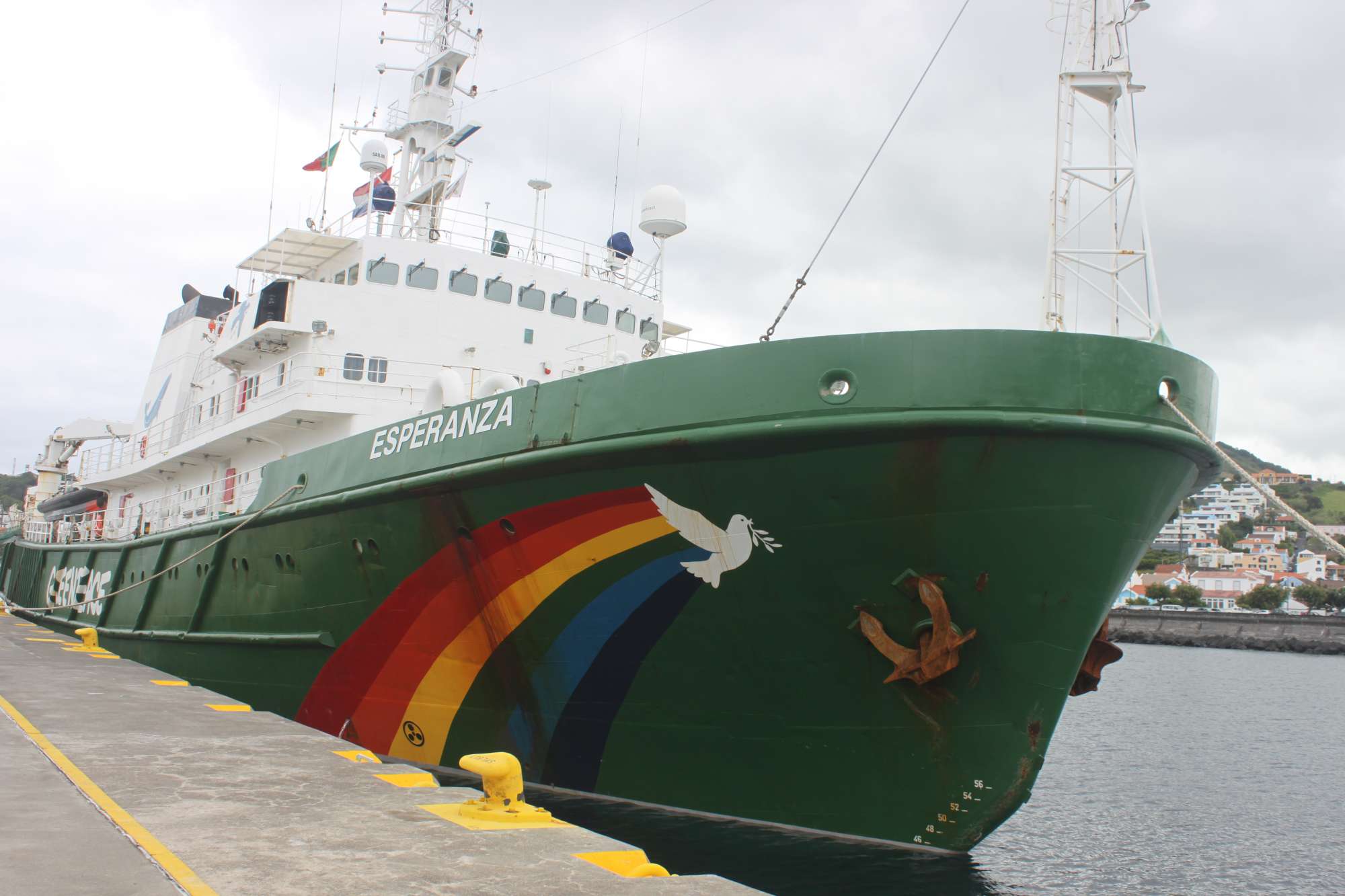
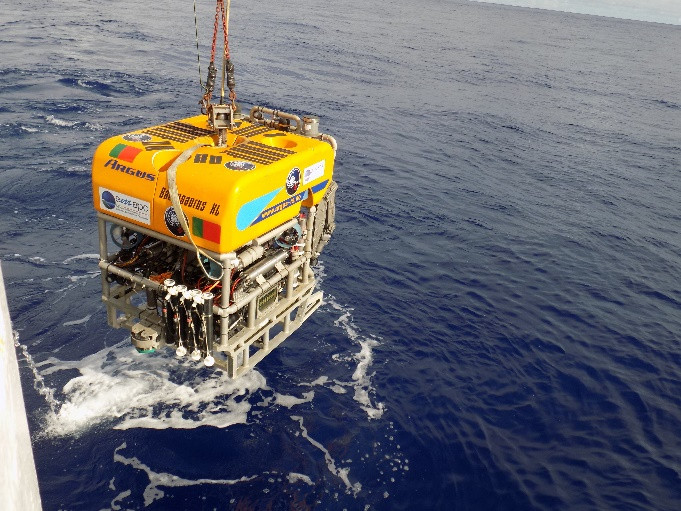
Authors: Marina Carreiro-Silva, Manuela Ramos, Telmo Morato Partners: Greenpeace Pole-to-Pole expedition, IMAR Instituto do Mar, the EU ATLAS and iAtlantic projects and the FRCT MapGES project. Vessel: MV Esperanza Chief scientist: Marina Carreiro-Silva Scientific team: Telmo Morato, Manuela Ramos, and Marina Carreiro-Silva The scientific deep-sea work conducted on board the “MV ESPERANZA” and using the ROV SEAEYE COUGAR-XT aimed to visit some previously unexplored seamounts in the Mid Atlantic Ridge (MAR). In some of these seamounts, there was strong evidence of the presence of large aggregations of the bubble gum coral Paragorgia johnsoni and other Vulnerable Marine Ecosystem (VME) indicator taxa. These areas were located around the Cavala seamount, approximately 100 nm west of Horta harbour in Faial island. Sampling design for the benthic deep-sea work aimed to (i) map benthic communities inhabiting unexplored seamounts in the Mid Atlantic Ridge west of Faial Island with the Seaeye Cougar ROV, (ii) identify new areas that fit the FAO vulnerable marine ecosystems definition (or similar designations, e.g. APEIs); and (iii) to contribute with additional data to address patterns and drivers of the distribution of deep-sea benthic biodiversity in the Azores. The sampling design also allowed the collection of biological samples for taxonomy and genetic studies.
Cruise Report - BLUE AZORES PROGRAM EXPEDITION 2018 ON BOARD THE NRP GAGO COUTINHO
Zenodo
|
Jan, 2019
6 team members are authors
OA DOI 10.5281/zenodo.3416897
Authors 10.5281/zenodo.3416897
Morato, Telmo
Carreiro-Silva, Marina
Taranto, Gerald H.
Dominguez-Carrió, Carlos
Ramos, Manuela
Ríos, Noelia
Fauconnet, Laurence
Ocaña Vicente, Oscar Calado, António Afonso, Andreia Ramos, Bruno Souto, Miguel Bettencourt, Renato
Abstract
Objectives: to conduct an expedition to some unexplored areas of the deep Azores using the Portuguese ROV “Luso” and the vessel “NRP Almirante Gago Coutinho”. The sampling strategy that was designed to identify Vulnerable Marine Ecosystems and report the deep-sea benthic biodiversity using the ROV Luso also aimed to (i) map benthic communities inhabiting unexplored seamounts in the Central (Gigante complex) and Western (Cachalote complex) part of the Azores Region, (ii) identify new areas that fit the FAO vulnerable marine ecosystems definition; and (iii) determine distribution patterns of deep-sea benthic biodiversity in the Azores. The results of this cruise will also contribute to identify the environmental drivers that determine the spatial distribution of deep-sea benthic biodiversity in the Azores region, evaluating at the same time the role played by the Mid-Atlantic Ridge as a barrier between the western and the eastern parts. It will also provide valuable information in the context of Good Environmental Status (GES), Marine Spatial Planning (MSP) and provide new insights on how to sustainably manage deep-sea ecosystems.
Cruise Report - MapGES / ATLAS Project: August 2018 Cruise on board of R/V Arquipélago
Zenodo
|
Jan, 2019
7 team members are authors
OA DOI 10.5281/zenodo.3417021
Abstract
Objectives: to explore seamounts of the Azorean archipelago to better understand the distribution patterns of large VME species and commercial fishes. Namely, the cruise aimed to (i) map benthic communities inhabiting unexplored seamounts and banks in the Central (Dom João de Castro) and Eastern (Alcatraz and Mar da prate) part of the Azores Region, (ii) identify new areas that fit the FAO vulnerable marine ecosystems definition; and (iii) determine distribution patterns of deep-sea benthic biodiversity in the Azores. The results of this cruise will also contribute to identify the environmental drivers that determine the spatial distribution of deep-sea benthic biodiversity in the Azores region. It will also provide valuable information in the context of Good Environmental Status (GES), Marine Spatial Planning (MSP) and provide new insights on how to sustainably manage deep-sea ecosystems. The devices used in this survey correspond to low-cost custom made video platforms designed to operate between 200 and 500 m depth.
Cruise Report - NICO Cruise Leg 12, Hopper dives on board of R/V Pelagia
Zenodo
|
Jan, 2019
2 team members are authors
OA DOI 10.5281/zenodo.3416992
Authors 10.5281/zenodo.3416992
Dominguez-Carrió, Carlos
Gollner, Sabine Visser, Fleur
Morato, Telmo
Abstract
Objectives: to explore deep-sea areas of the Azores EEZ to better understand the distribution patterns of large VME species and commercial fishes. Specifically, IMAR/ATLAS objectives in the cruise were to (i) characterize benthic communities inhabiting unexplored seamounts, such as Cavalo and São Jorge de Fora seamounts, (ii) identify new areas that fit the FAO vulnerable marine ecosystems definition; and (iii) determine distribution patterns of deep-sea benthic biodiversity in the Azores. The results of this cruise will also contribute to identify the environmental drivers that determine the spatial distribution of deep-sea benthic biodiversity in the Azores region. It will also provide valuable information in the context of Good Environmental Status (GES), Marine Spatial Planning (MSP) and provide new insights on how to sustainably manage deep-sea ecosystems. The information gathered in this cruise was obtained by means of the Hopper tow-cam system, an HD video platform specially designed to be operated on board of the R/V Pelagia.
"LUSO" Hydrothermal vent field Expedition; 4th August 2018 (RV L'Atalante - IFREMER)
Zenodo
|
Jan, 2019
2 team members are authors
OA DOI 10.5281/zenodo.6557934
Authors 10.5281/zenodo.6557934
Ma Carreiro-Silva
Carlos Dominguez‐Carrió
Telmo Morato
Nadine Le Bris
Abstract
Following the discovery of the new hydrothermal field “Luso” in the Azores during the scientific expedition “Oceano Azul” that took place in May and June, a follow up day scientific sampling mission as part of the TRANSECT scientific campaign onboard the ship RV L’Atalante took place on August 4th. The mission was coordinated by Telmo Morato, chief scientist of the deep water exploration of the Oceano Azul expedition, in close collaboration with Nadine Le Bris, chief scientist of TRANSECT scientific campaign. The Portuguese team participating in the mission was composed of 4 scientists with different expertise in research areas of hydrothermal vents (e.g. geology, chemistry, ecology, microbiology) and the chief pilot of the Portuguese ROV Luso from EMEPC. The expedition's main objective was to collect sufficient information and samples for a proper description of the “LUSO” hydrothermal vent field area. Specifically, the mission aimed to collect information i) on the geological and geochemical (including chimneys and deposits/sediments) description of the area; ii) on the chemical composition of the vent fluids and gases, and on the environmental parameters that can help to describe the area of influence of the vent; iii) on the biology and microbiology of the vent field; iv) the background fauna, mostly cold-water corals and sponges and v) to produce a photo-mosaic of the vent field. For this purpose, a detailed dive plan based on the video footage collected during the first scientific mission in June identified three priority areas to be visited: (1) the main venting area with the largest identified vent chimney; (2) a secondary venting area composed of smaller active vent chimneys ; (3) an inactive vent field area.
Cruise report year 2015
Cruise report BIOMETORE 2015 to the Great Meteor Complex seamounts (Atlantis and Irving) onboard the NRP Almirante Gago Coutinho
Zenodo
|
Oct, 2015
2 team members are authors
OA Citations 1 DOI 10.5281/zenodo.7433210
Authors 10.5281/zenodo.7433210
Marina Carreiro‐Silva
Ana Martins Íris Sampaio Clara Magalhães Loureiro André Gonçalves Catarina Mendes
Telmo Morato
Abstract
Objectives: (i) to map benthic communities inhabiting the seamounts of the Great Meteor Complex with the ROV Luso; (ii) identify new vulnerable marine ecosystems; (iii) collect biological and seawater samples; (iv) collect multibeam and backscatter data; (v) collect oceanographic data. Vessel: NRP Almirante Gago Coutinho Chief scientist: Marina Carreiro-Silva Scientific team: Marina Carreiro-Silva, Telmo Morato, Íris Sampaio, (IMAR UAç, MARE), Ana Martins, Clara Loureiro (DOP, UAç), André Gonçalves (IPMA), Catarina Mendes (IPL, ESTM) ROV Luso team: António Calado, Andreia Afonso, Bruno Ramos, Carlos Neto, João Quintas (EMEPC), Renato Bettencourt (IMAR UAç)
Cruise report year 2011
Relatório de Cruzeiro CORALFISH Condor, Voador e Banco Açores 2010 a bordo do NRP Almirante Gago Coutinho
Zenodo
|
Jan, 2011
3 team members are authors
OA DOI 10.5281/zenodo.7476546
Authors 10.5281/zenodo.7476546
Fernando Tempera
Filipe M. Porteiro
Marina Carreiro‐Silva
Andreia Braga‐Henriques Eva Giacomello Ana Gabriel Marquito Branco Pedro Ferreira
Telmo Morato
Ricardo S. Santos
Abstract
Relatório de Cruzeiro CORALFISH: Condor, Voador e Banco Açores 2010 a bordo do NRP Almirante Gago Coutinho. (datas 5 a 13 Agosto 2010) Autores: Fernando Tempera, Filipe Porteiro, Marina Carreiro-Silva, Andreia Braga-Henriques, Eva Giacomello, Ana Branco, Pedro Ferreira, Pedro Ribeiro, Telmo Morato, Ricardo Santos, Projectos: CoralFISH (IMAR, FP7), CONDOR (UAc, EEA), CORAZON (IMAR, FCT), Hermione (UAc, FP7) Objectivos: mapear as comunidades bentónicas dos monte submarinos Condor e Voador, identificar novas zonas de corais de águas frias, comparar a comunidade de peixes associada a zonas com e sem corais, recolher amostras biológicas e de água do mar, levantamento multifeixe (batimetria e backscatter) dos dois montes submarinos e outras áreas importantes, colocação de módulos de colonização no banco Condor. Navio: NRP Almirante Gago Coutinho Chefe de cruzeiro: Leg1- Ricardo Serrão Santos (monte submarino Condor); Leg2- Fernando Tempera (monte submarino Voador) Equipa científica: Leg 1- Ricardo Santos, Fernando Tempera, Filipe Porteiro, Marina C. Silva, Andreia Henriques, Eva Giacomello, Ana Branco (LNEG) e Pedro Ferreira (LNEG) Leg 2- Fernando Tempera, Telmo Morato, Marina C. Silva, Andreia Henriques, Pedro Ribeiro, Ana Branco (LNEG) e Pedro Ferreira (LNEG)

Follow us on social media to stay updated

Location

Institute of Marine Sciences — Okeanos, University of the Azores

Departamento de Oceanografia e Pescas — Universidade dos Açores

Rua Prof. Doutor Frederico Machado, No. 4
9901-862 Horta, Portugal

Contact

FOLLOW US
ADSR

AZORES DEEP-SEA RESEARCH © 2020-2026 — RELEASE 2.1

Developed by Valter Medeiros VALTER MEDEIROS