Loading…
Loading…
Experimental Research
Experimental research done by our team
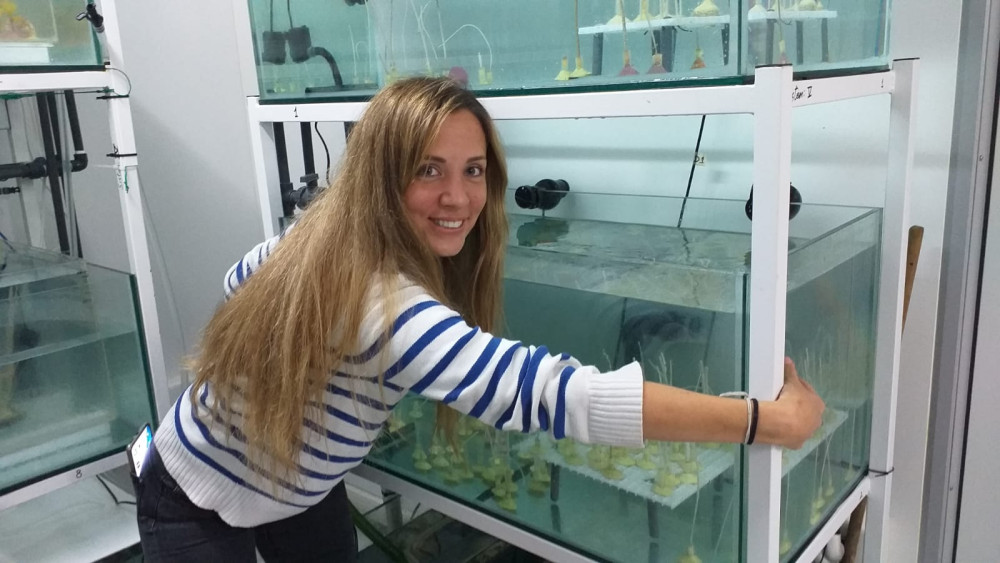
The work done in Deep-Sea Lab contributes to groundbreaking experimental research on deep-sea species and communities, focusing on key species found in the Atlantic Ocean and Azores deep-sea communities. Since 2009, we have successfully maintained various cold-water coral species. The research spans multiple critical areas found bellow in this page.
Through aquaria experiments complemented with field studies, the lab advances our understanding of these vital marine organisms while working to protect and restore their habitats. This work has produced numerous significant publications and contributes to international marine conservation efforts, particularly in developing strategies to mitigate the effects of human activities and climate change on deep-sea ecosystems.
Species maintained
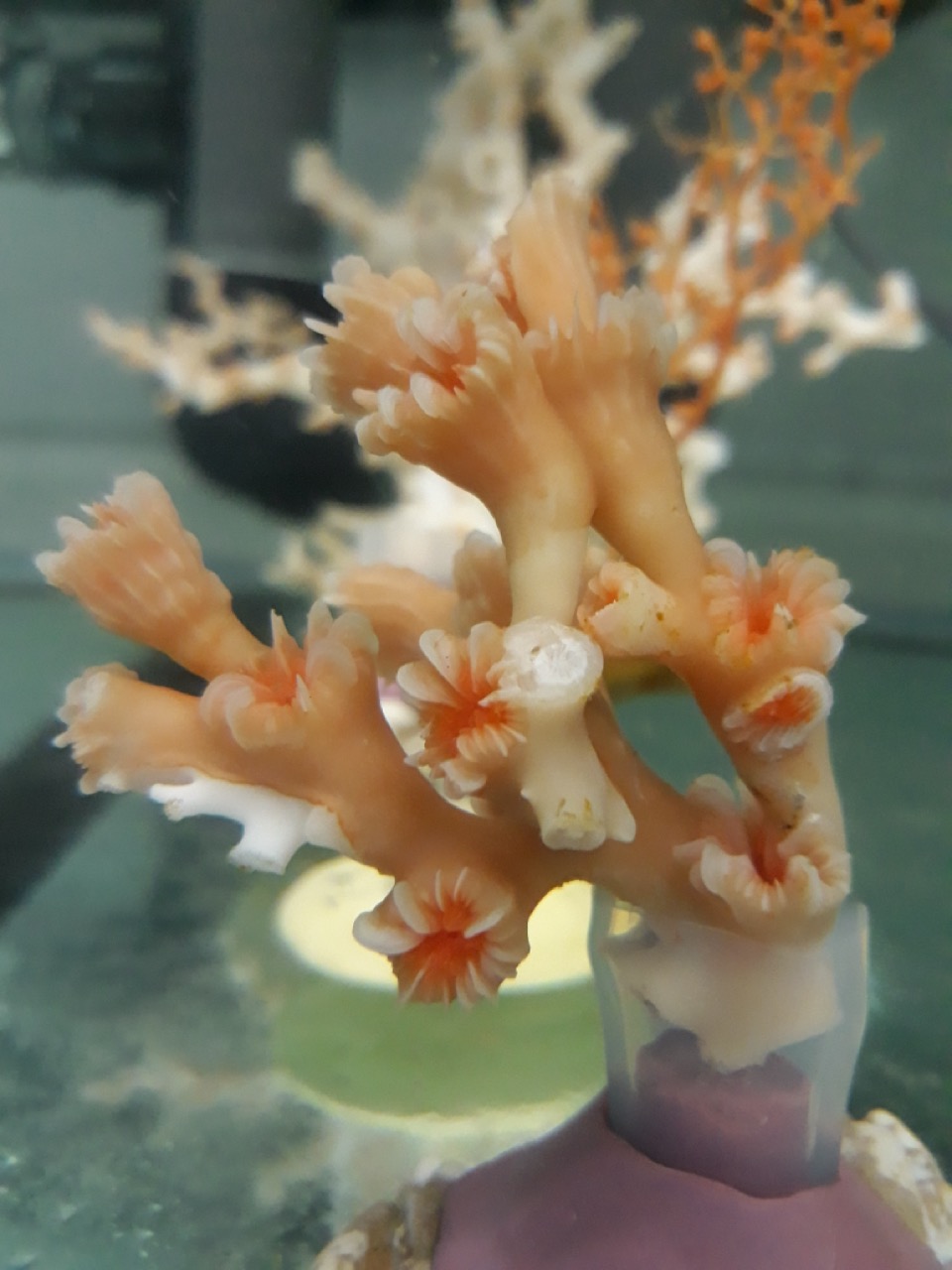
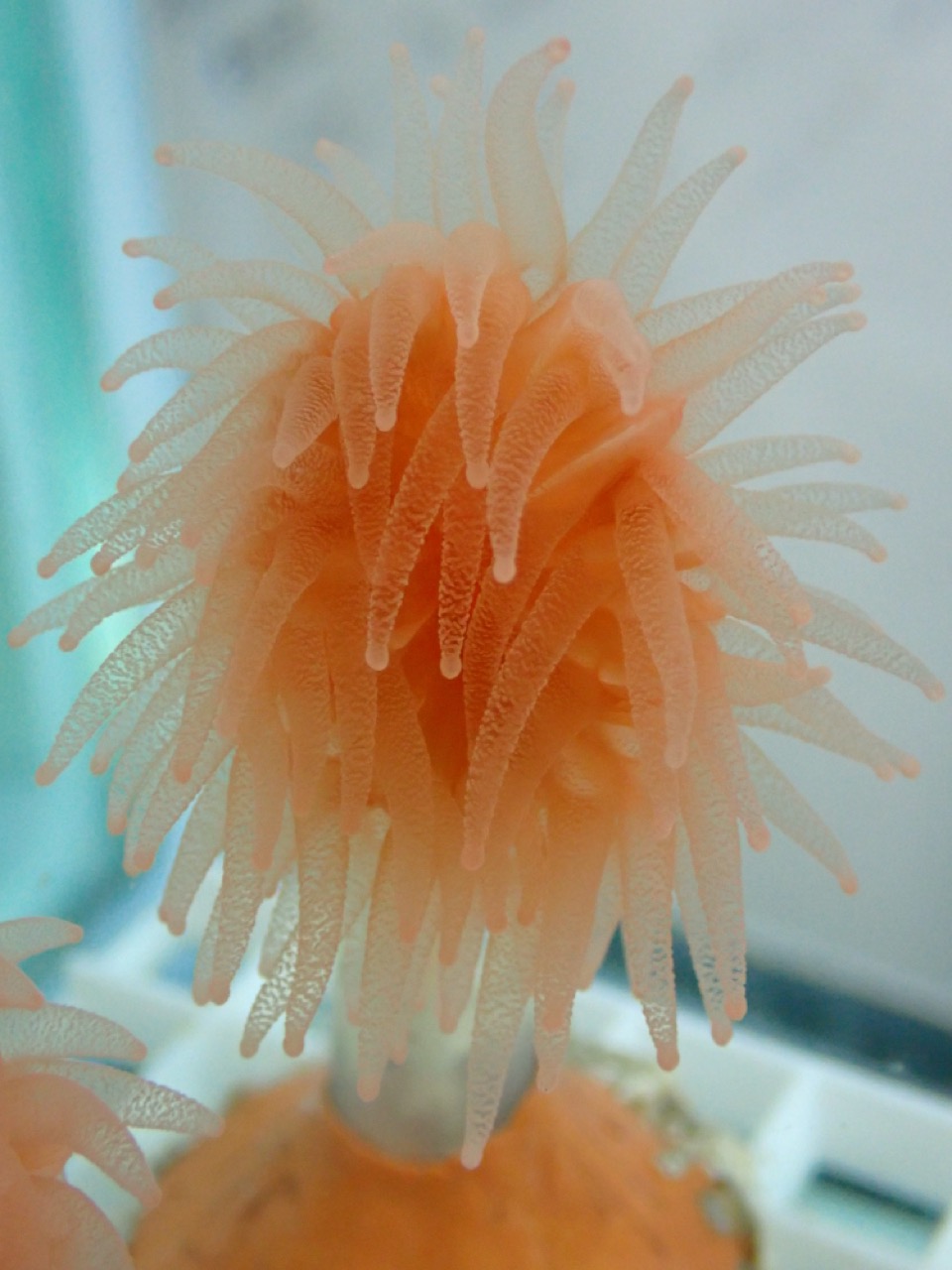
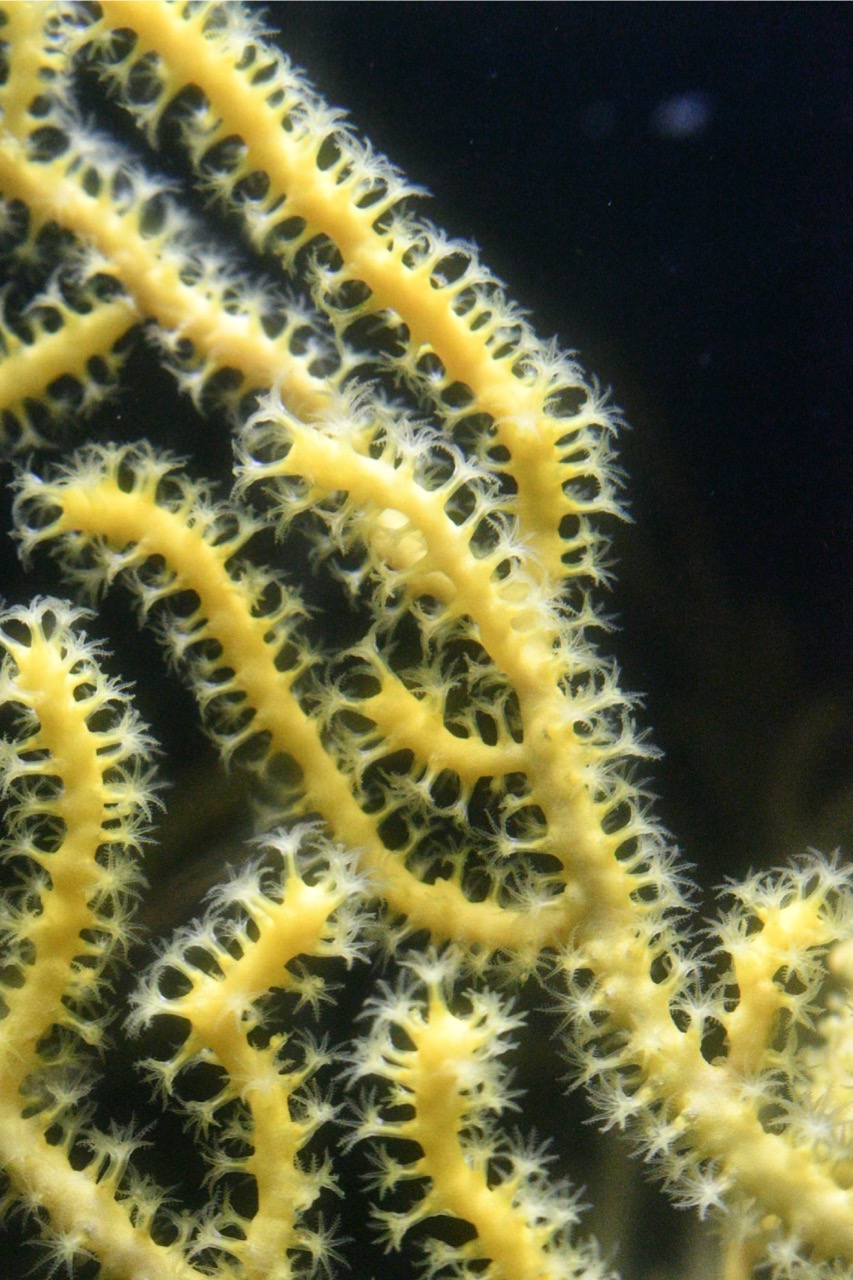
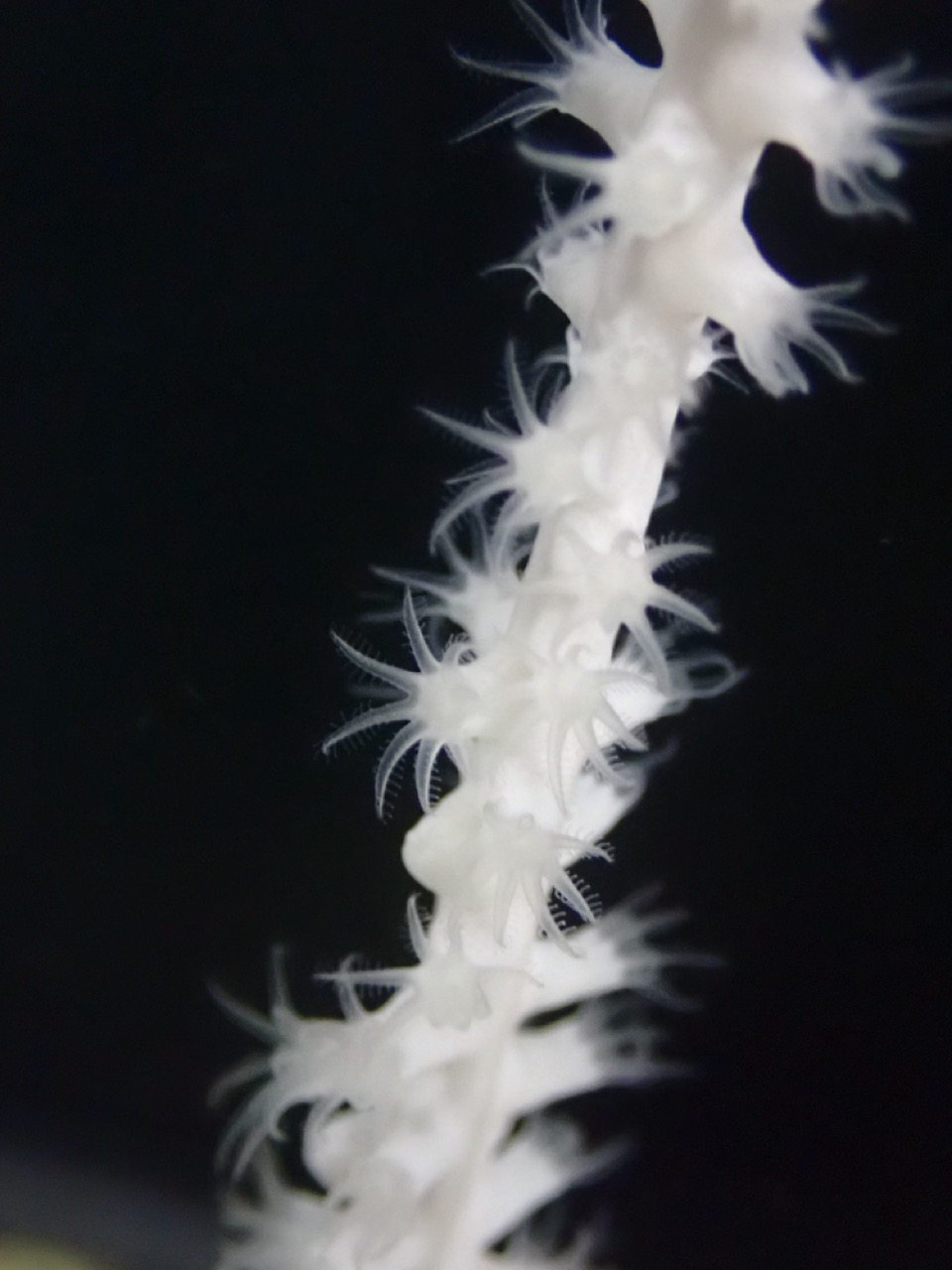
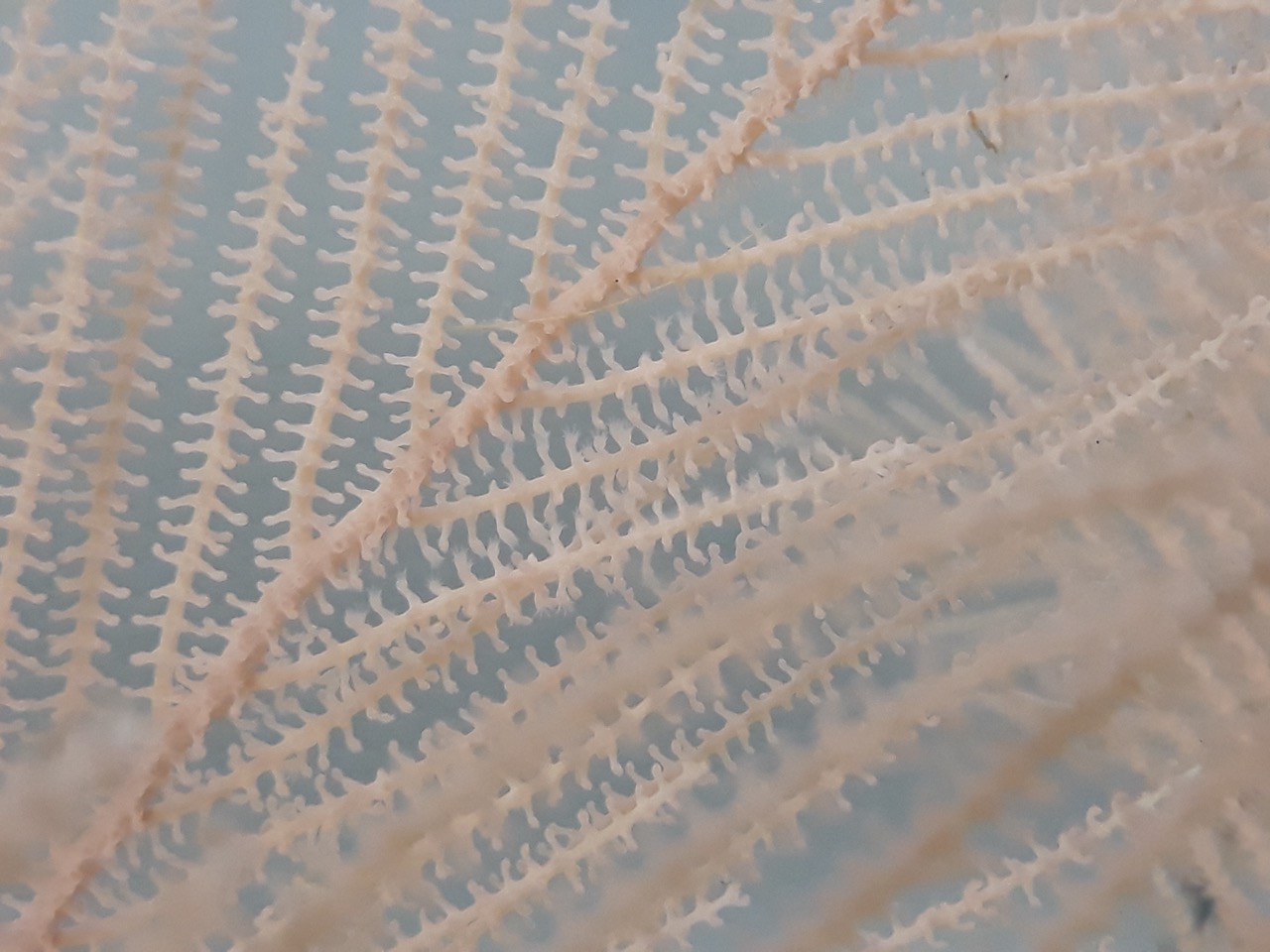
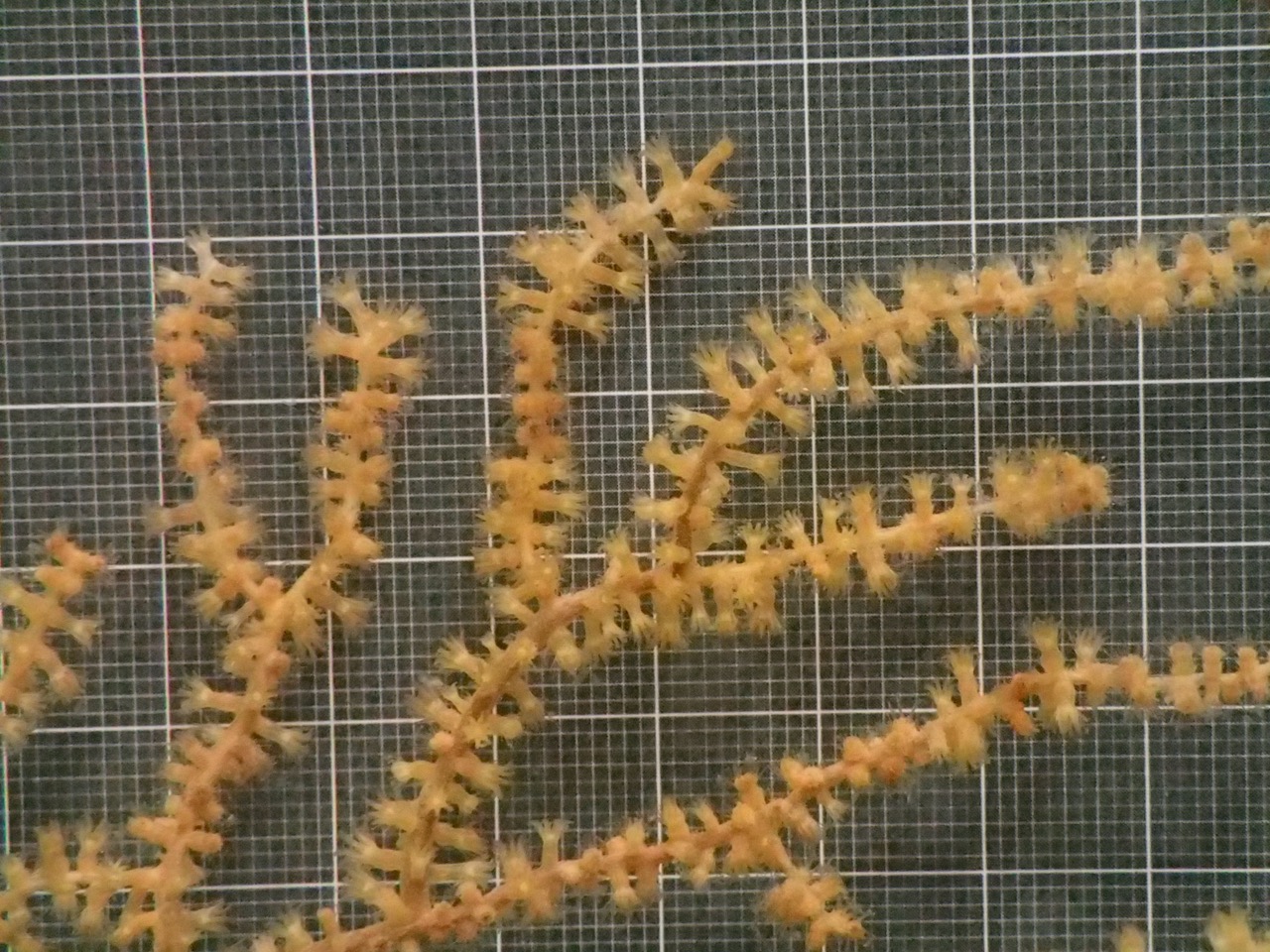
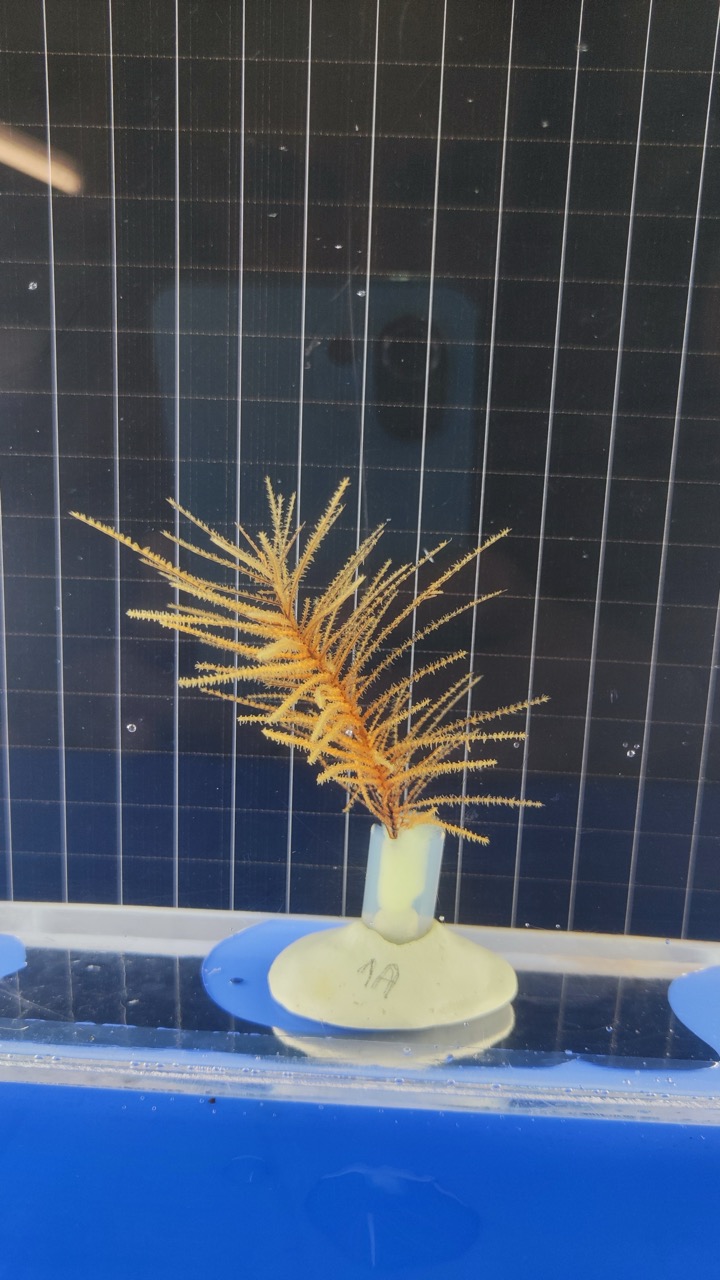
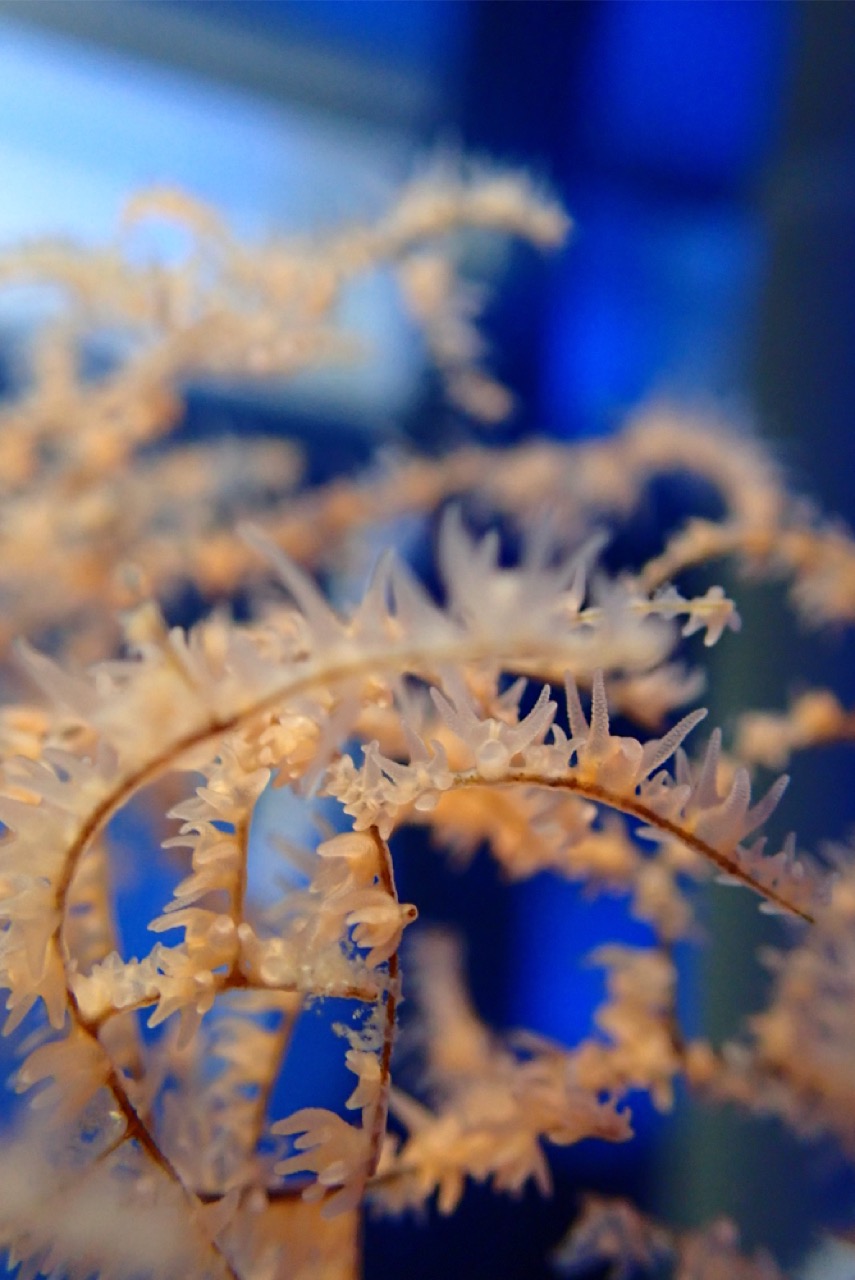
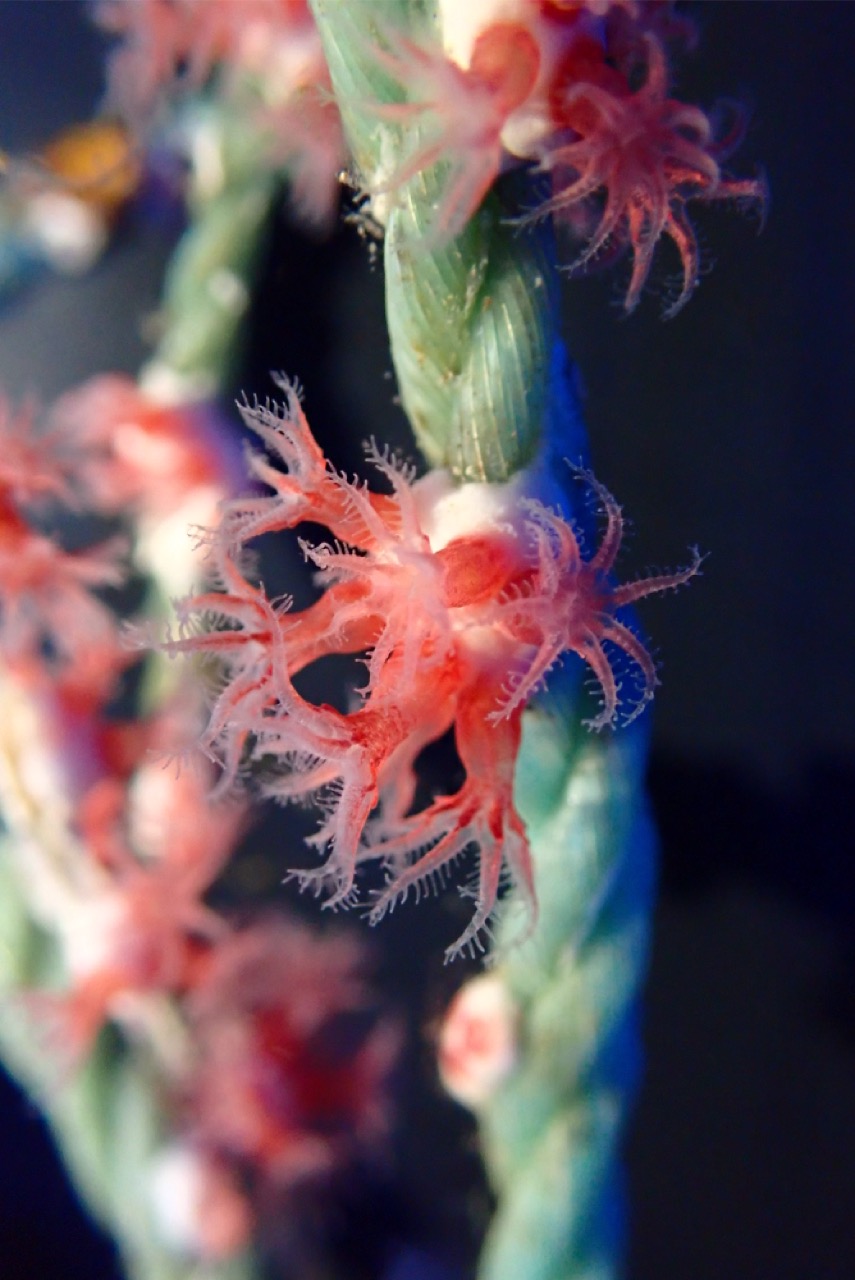
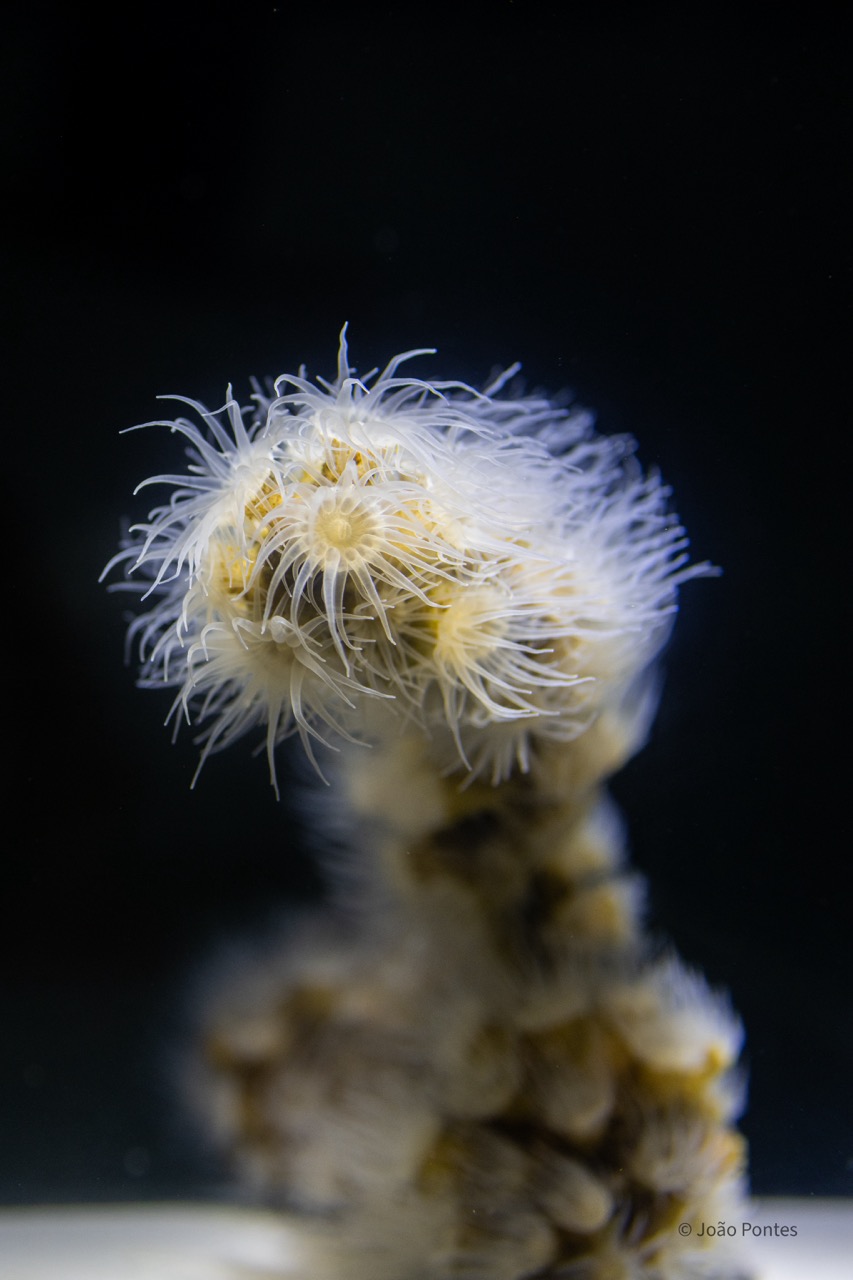
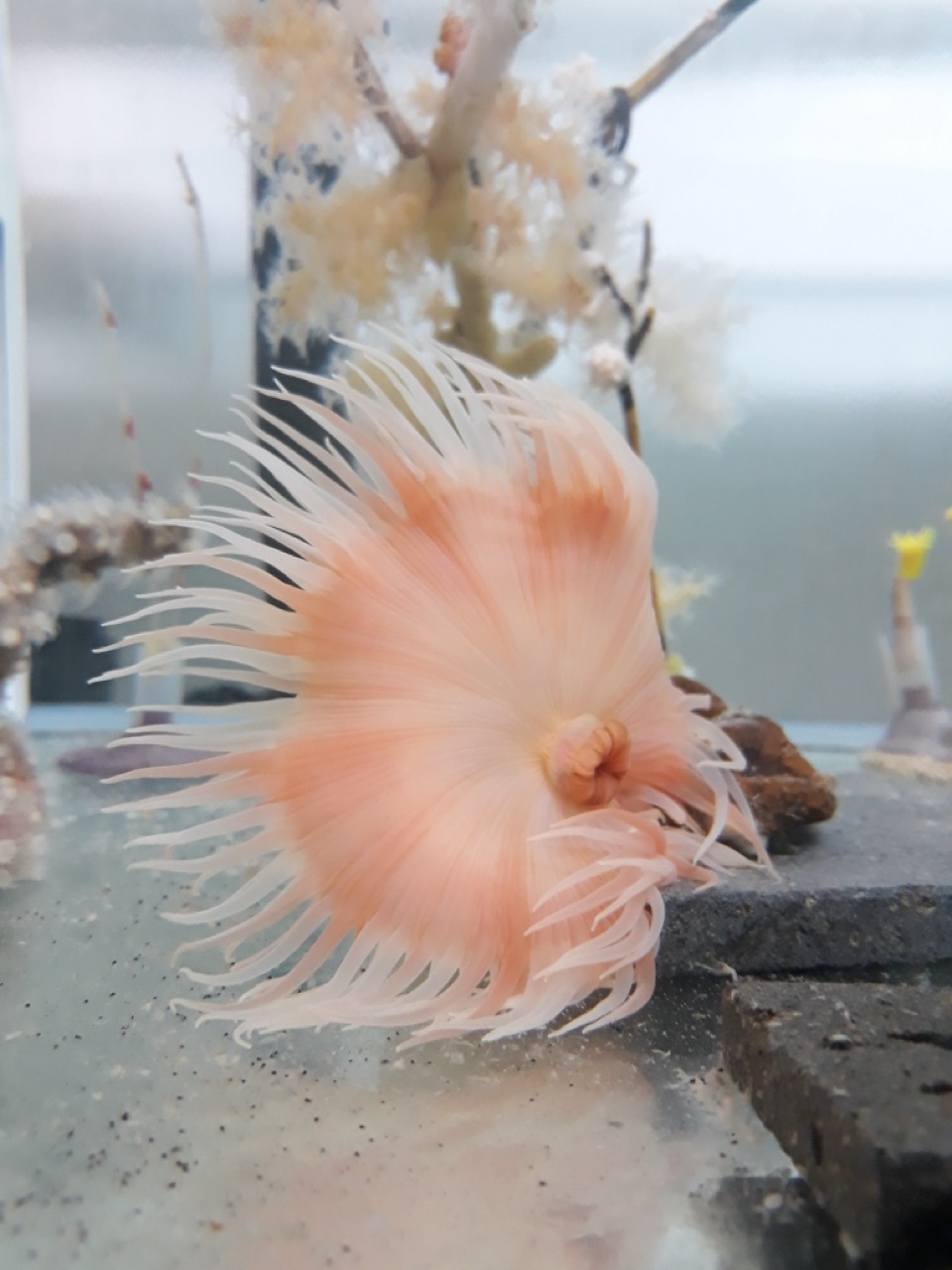
Since 2009, we have gained experience in maintaining several cold-water corals, including scleractinians, gorgonians, soft corals, black corals, zoanthids and anemones.
These species are mostly found in deep-sea areas of the Atlantic Ocean and are key components of Azores deep-sea benthic communities.
Topics of
experimental research
Cold-water corals are important bioengineering species that enhance biological and functional diversity at the deep seafloor. Yet, there is limited information on their fundamental biology such as early life development, physiology, reproduction, feeding, and growth rates. Using aquaria-based experiments at the DeepSeaLab, we have studied fundamental aspects of the biology and ecophysiology of key habitat- forming octocorals in the Azores. Our research has focused on their reproductive biology and seasonality, larval development, as well as food preferences and metabolism. These studies provide essential insights into the reproductive potential and dispersal capabilities of larval stages, as well as their metabolic strategies. The findings have significant implications for understanding the ecology of these corals and their crucial roles in carbon and nitrogen cycling in the deep sea.
The deep ocean is increasingly under threat from multiple human activities, including fishing, oil and gas exploration, and prospective deep-sea mining. This human exploitation of ocean resources is happening in parallel with climate change in the oceans. Many areas of the deep seafloor are already becoming warmer, more acidic, less oxygenated, and with altered food inputs. Investigating the cumulative impacts of climate and human activities on cold-water corals is particularly pressing because of their low resilience to disturbance. We have been performing a series of aquaria-based experiments on different coral taxa (scleractinians, octocorals, antipatharians) to understand how the cumulative and potentially synergistic effects of these climate and human-made stressors may lead to loss of biodiversity, ecosystem functioning, and the provision of goods and services by deep-sea ecosystems.
While it has not taken place yet, the commercial exploitation of deep-sea mineral resources is considered one of the most pressing human threats to deep-sea ecosystems. We have been dedicated to understanding the effects of toxic sediment plumes produced during polymetallic sulphide (PMS) mining on cold-water corals through experimental studies exposing them to suspended PMS particles. Our findings show that even low concentrations of these particles, or metals like copper released during mining, caused coral death within a short period (13-27 days). Additionally, these studies revealed delayed mortality in corals exposed to low concentrations of copper in seawater, suggesting that some coral species may not recover from the effects of PMS mining plumes. The results highlight the significant adverse impacts that mining can have on deep-sea ecosystems and have been presented at the International Seabed Authority's (ISA) Council meetings. We are continuing to work to develop environmental indicators of ecosystem health and thresholds for serious harm (e.g., metal toxicity or turbidity) as policy instruments for the environmental management and regulation of deep-sea mining.
In some cases, conservation measures alone are insufficient to reverse the degradation of marine ecosystems, particularly in deep-sea ecosystems formed by cold-water corals characterized by slow growth, long longevity, and low fertility. In such situations, direct human intervention through ecological restoration is necessary to support ecosystem recovery. To address this, our team has been developing tools and techniques for the assisted regeneration, or active restoration, of coral gardens that may be impacted by human activities (e.g., seafloor mining, fishing). One methodology we have tested involves recovering corals accidentally captured during fishing, rehabilitating them at the DeepSeaLab, and then replanting them back on the seabed. The results indicate that this transplantation technique is successful, but they also show that the survival of transplanted corals depends on the coral species. Therefore, it is crucial to combine coral replanting with protection in marine protected areas to allow for the natural recovery of other corals. We are continuing this work with the goal of demonstrating that the involvement of professional fishermen in the recovery of accidentally captured corals and their subsequent replanting at sea could provide a low-cost alternative to traditional restoration actions. This initiative also helps raise awareness among local communities about the importance of protecting these vital ecosystems.
Related
Publications
 ATLAS
A transatlantic assessment and deep-water ecosystem-based spatial management plan for Europe
Funded by European Union’s Horizon 2020
ATLAS
A transatlantic assessment and deep-water ecosystem-based spatial management plan for Europe
Funded by European Union’s Horizon 2020
 iAtlantic
Integrated Assessment of Atlantic Marine Ecosystems in Space and Time
Funded by European Union’s Horizon 2020
iAtlantic
Integrated Assessment of Atlantic Marine Ecosystems in Space and Time
Funded by European Union’s Horizon 2020
 MapGES
Mapping deep-sea biodiversity and “Good Environmental Status” in the Azores: assisting with the implementation of EU Marine Strategy Framework Directive
Funded by Regional Government of the Azores, PO Açores 2020, European Regional Development Fund (ERDF / FEDER)
MapGES
Mapping deep-sea biodiversity and “Good Environmental Status” in the Azores: assisting with the implementation of EU Marine Strategy Framework Directive
Funded by Regional Government of the Azores, PO Açores 2020, European Regional Development Fund (ERDF / FEDER)
 MIDAS
Managing Impacts of Deep-seA reSource exploitation
Funded by European Union’s FP7
ATLAS
A transatlantic assessment and deep-water ecosystem-based spatial management plan for Europe
Funded by European Union’s Horizon 2020
iAtlantic
Integrated Assessment of Atlantic Marine Ecosystems in Space and Time
Funded by European Union’s Horizon 2020
MIDAS
Managing Impacts of Deep-seA reSource exploitation
Funded by European Union’s FP7
ATLAS
A transatlantic assessment and deep-water ecosystem-based spatial management plan for Europe
Funded by European Union’s Horizon 2020
iAtlantic
Integrated Assessment of Atlantic Marine Ecosystems in Space and Time
Funded by European Union’s Horizon 2020
 MERCES
Marine Ecosystem Restoration in Changing European Seas
Funded by European Union’s Horizon 2020
ATLAS
A transatlantic assessment and deep-water ecosystem-based spatial management plan for Europe
Funded by European Union’s Horizon 2020
iAtlantic
Integrated Assessment of Atlantic Marine Ecosystems in Space and Time
Funded by European Union’s Horizon 2020
MERCES
Marine Ecosystem Restoration in Changing European Seas
Funded by European Union’s Horizon 2020
MERCES
Marine Ecosystem Restoration in Changing European Seas
Funded by European Union’s Horizon 2020
ATLAS
A transatlantic assessment and deep-water ecosystem-based spatial management plan for Europe
Funded by European Union’s Horizon 2020
iAtlantic
Integrated Assessment of Atlantic Marine Ecosystems in Space and Time
Funded by European Union’s Horizon 2020
MERCES
Marine Ecosystem Restoration in Changing European Seas
Funded by European Union’s Horizon 2020
 ATLAS
A transatlantic assessment and deep-water ecosystem-based spatial management plan for Europe
Funded by European Union’s Horizon 2020
ATLAS
A transatlantic assessment and deep-water ecosystem-based spatial management plan for Europe
Funded by European Union’s Horizon 2020
 CoralFISH
Assessment of the interaction between corals, fish and fisheries, in order to develop monitoring and predictive modelling tools for ecosystem based management in the deep waters of Europe and beyond
Funded by European Union’s FP7
CoralFISH
Assessment of the interaction between corals, fish and fisheries, in order to develop monitoring and predictive modelling tools for ecosystem based management in the deep waters of Europe and beyond
Funded by European Union’s FP7
 DISCARDLESS
Startegies for the gradual elimination of discards in European fisheries
Funded by European Union’s Horizon 2020
DISCARDLESS
Startegies for the gradual elimination of discards in European fisheries
Funded by European Union’s Horizon 2020
 HERMIONE
Hotspot Ecosystem Research and Man’s Impact on European Seas
MapGES
Mapping deep-sea biodiversity and “Good Environmental Status” in the Azores: assisting with the implementation of EU Marine Strategy Framework Directive
Funded by Regional Government of the Azores, PO Açores 2020, European Regional Development Fund (ERDF / FEDER)
MERCES
Marine Ecosystem Restoration in Changing European Seas
Funded by European Union’s Horizon 2020
HERMIONE
Hotspot Ecosystem Research and Man’s Impact on European Seas
MapGES
Mapping deep-sea biodiversity and “Good Environmental Status” in the Azores: assisting with the implementation of EU Marine Strategy Framework Directive
Funded by Regional Government of the Azores, PO Açores 2020, European Regional Development Fund (ERDF / FEDER)
MERCES
Marine Ecosystem Restoration in Changing European Seas
Funded by European Union’s Horizon 2020








Location
Departamento de Oceanografia e Pescas — Universidade dos Açores
Rua Prof. Doutor Frederico Machado, No. 4
9901-862 Horta, Portugal
Contact
Email: azoresdeepsea@gmail.com

AZORES DEEP-SEA RESEARCH © 2020-2026 — RELEASE 2.1
 VALTER MEDEIROS