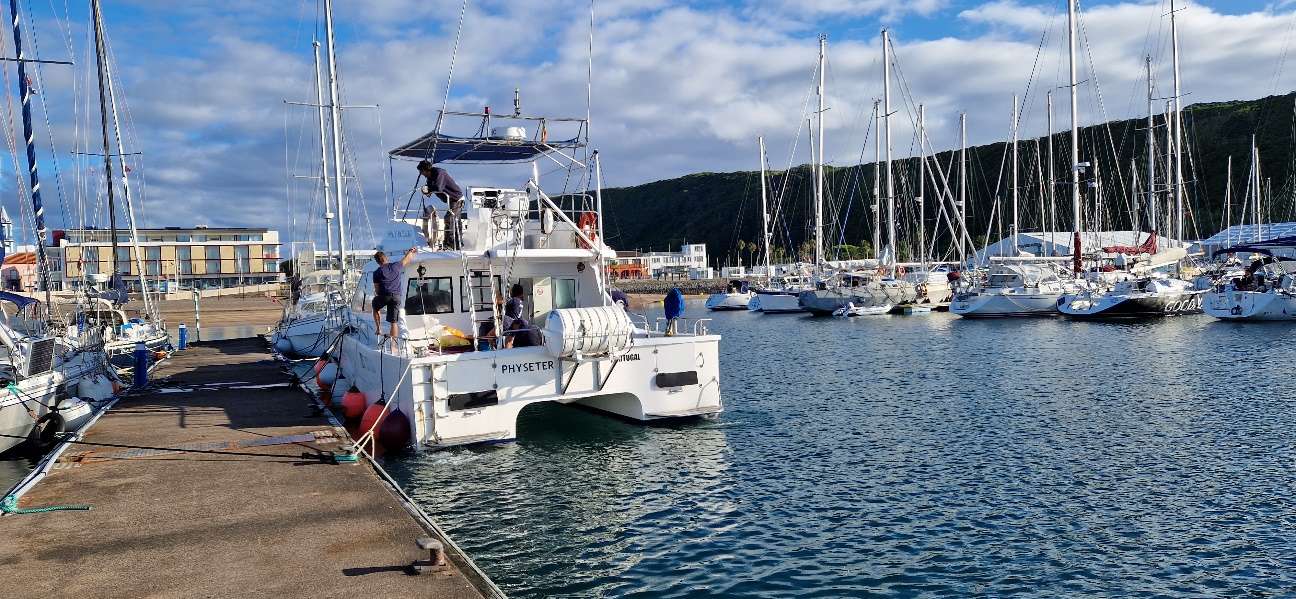
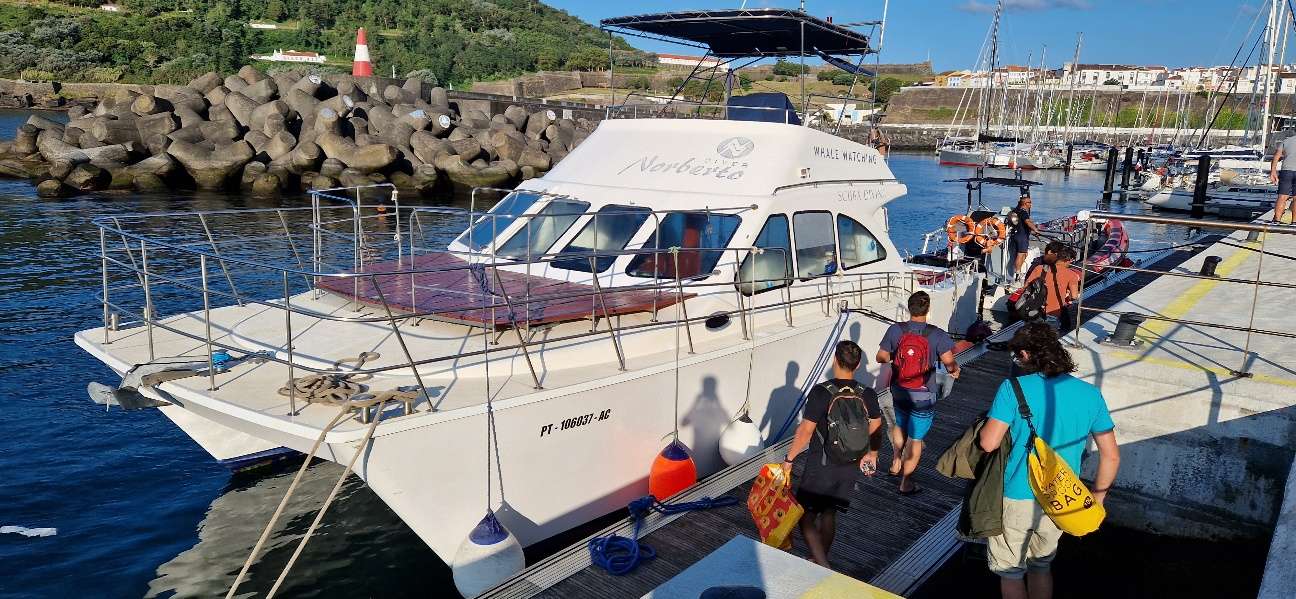
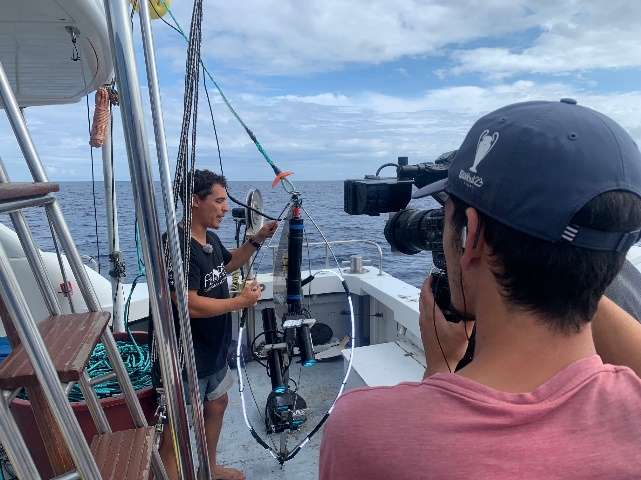
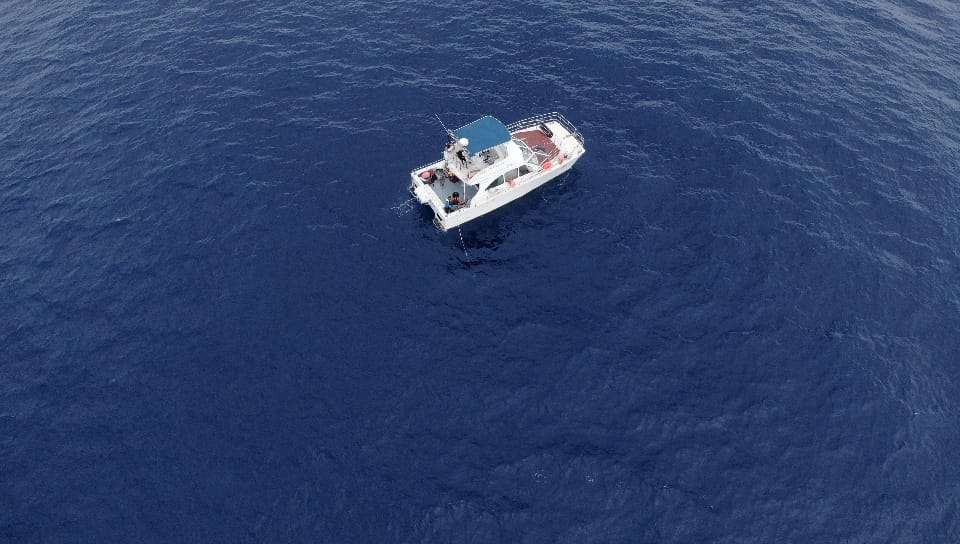
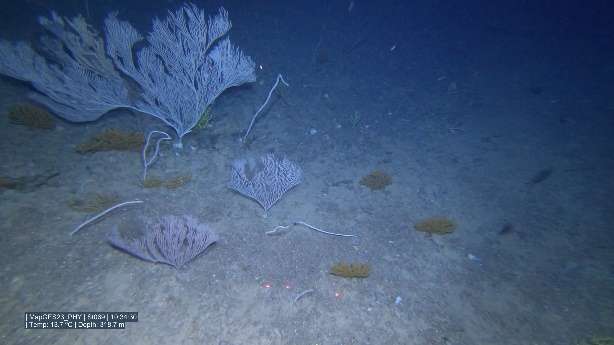
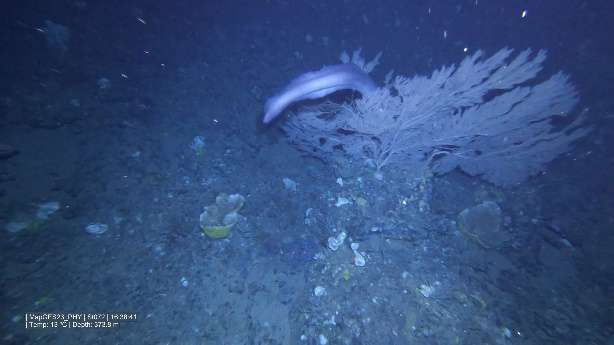
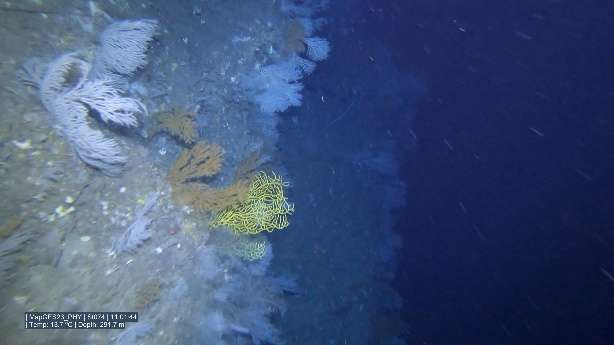
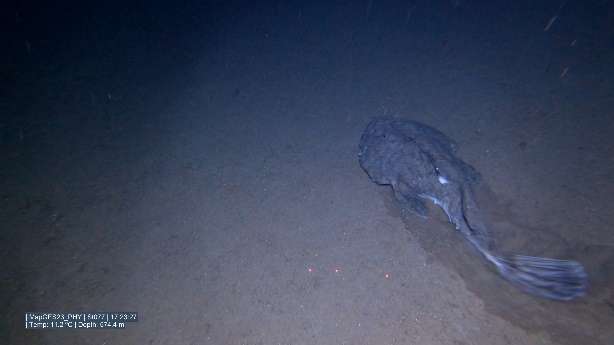
MapGES 2023 MT Physeter

Mapping deep-sea biodiversity and “Good Environmental Status” in the Azores

Logo

MapGES 2023 MT Physeter

Loading cruise data…

Mapping deep-sea biodiversity and “Good Environmental Status” in the Azores

Location: Princesa Alice/Açor banks, Terceira Island slopes and Álvaro Martins seamount (Central Azores), and São Miguel Island slopes (Eastern group)

Year: 2023

212 stations

212 dives

4380 km transits

32 areas visited

AZORES DEEP-SEA RESEARCH

Summary

Mapping deep-sea biodiversity and “Good Environmental Status” in the Azores

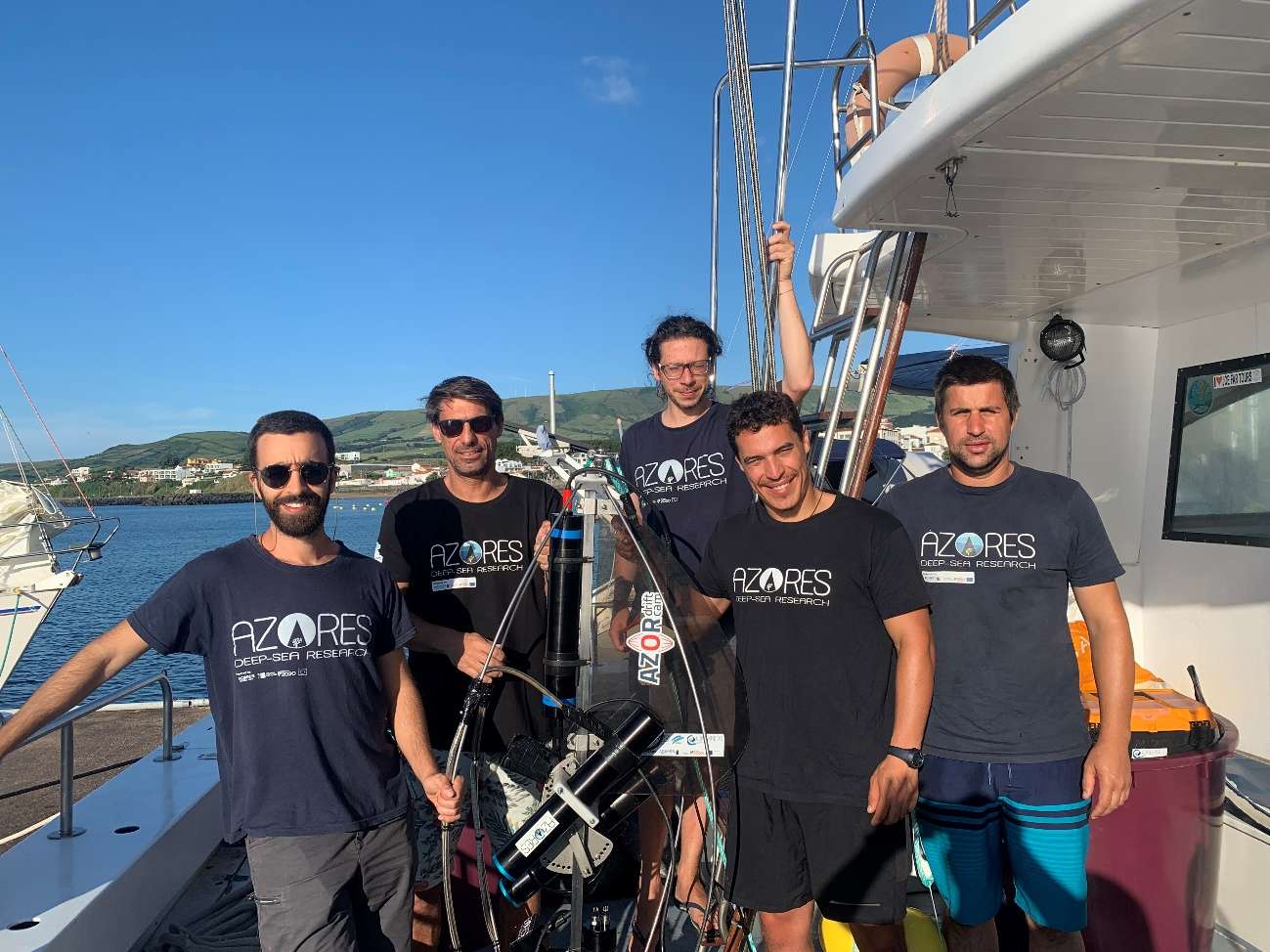
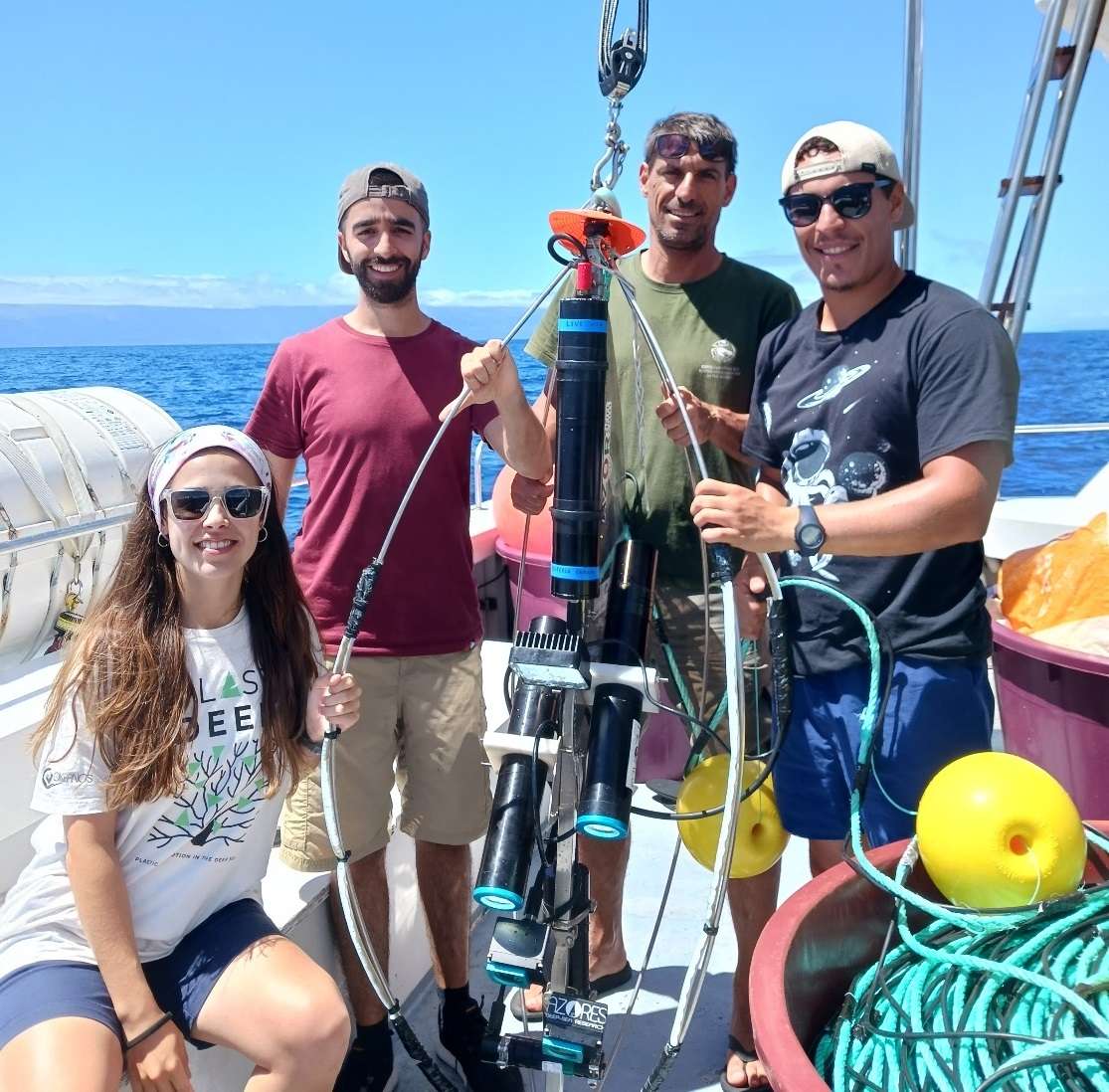
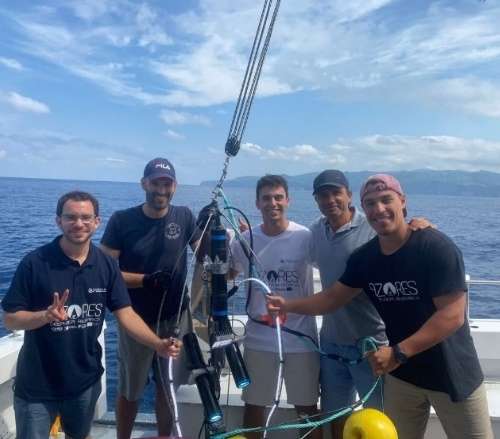
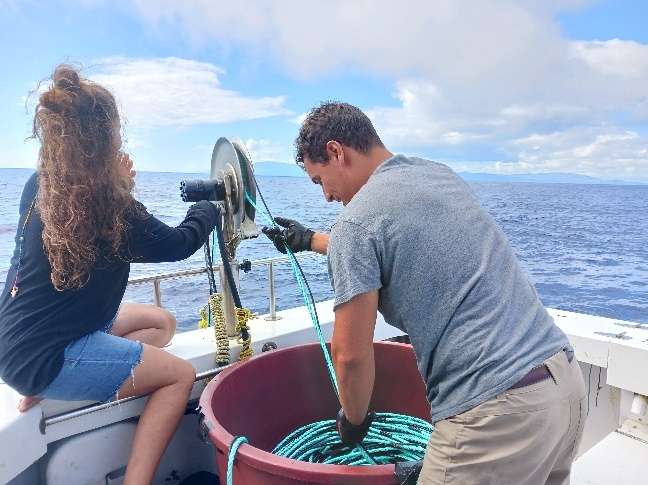
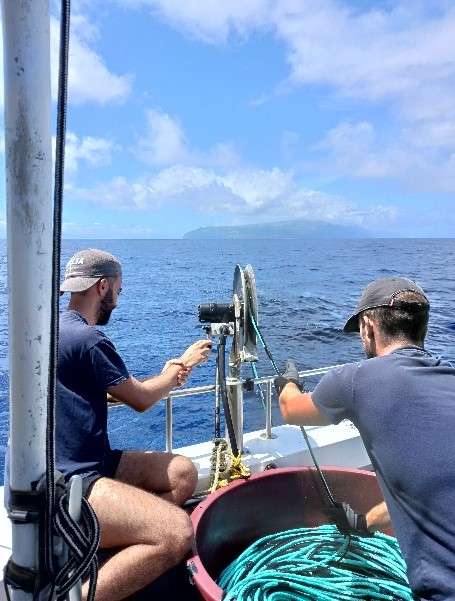
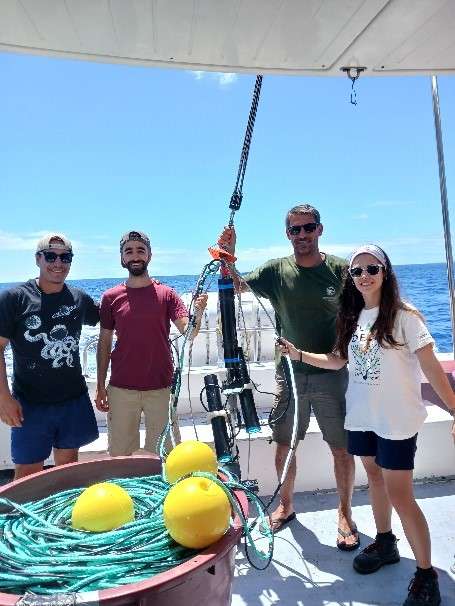
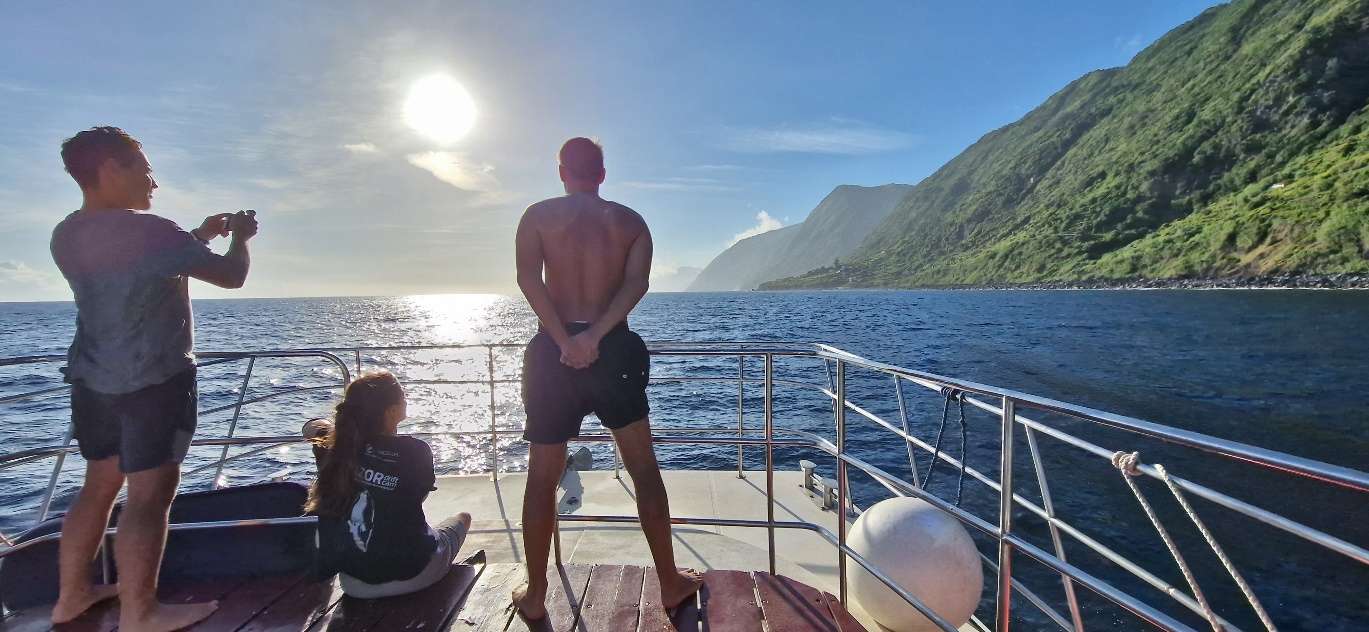
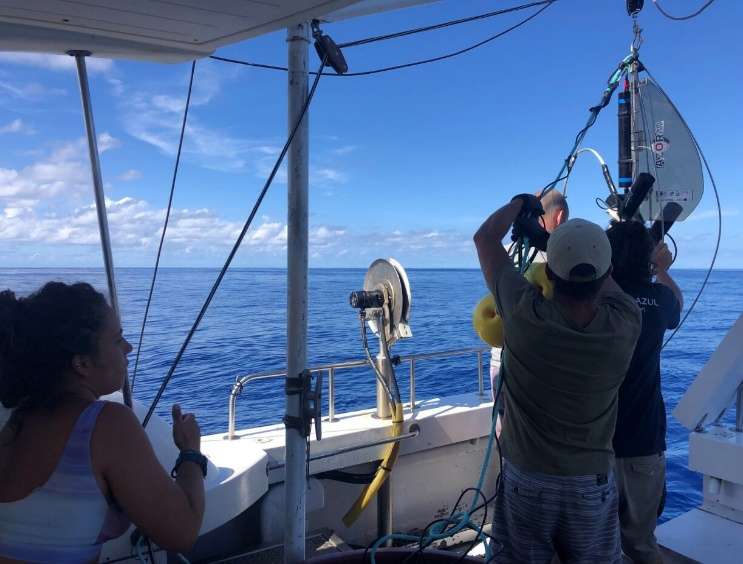
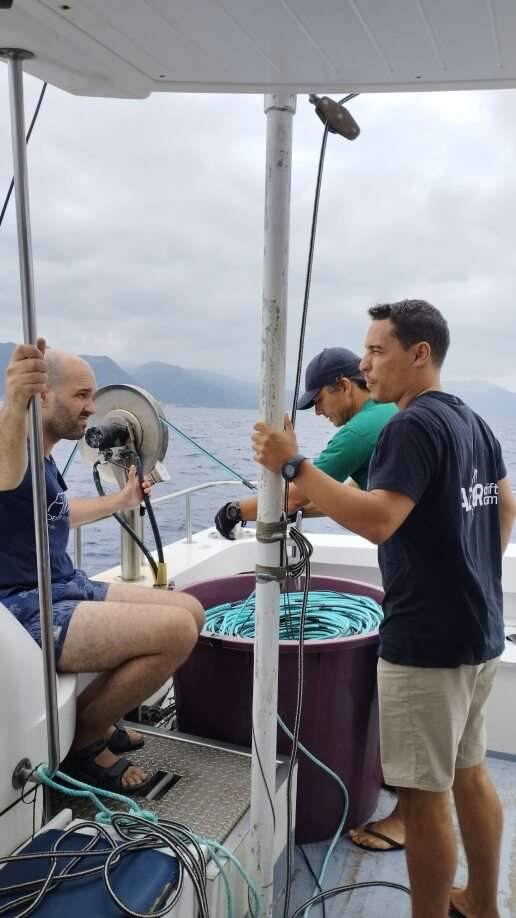
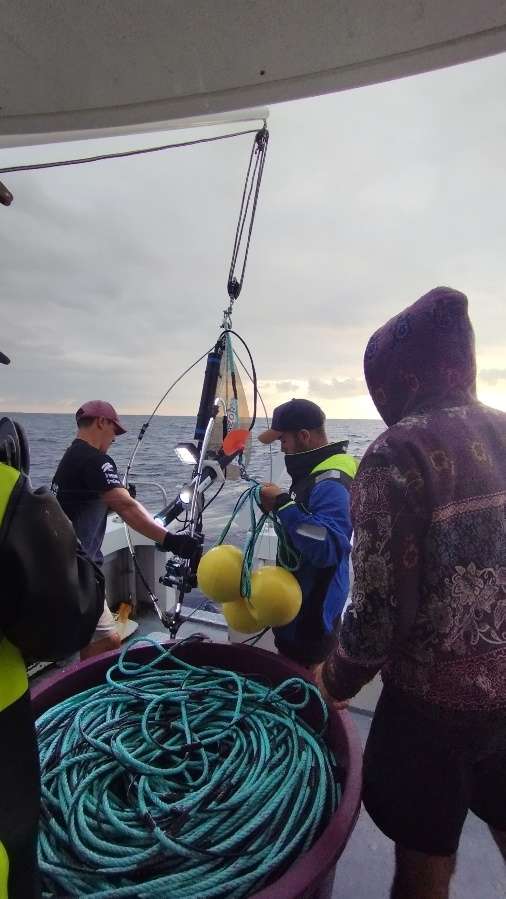
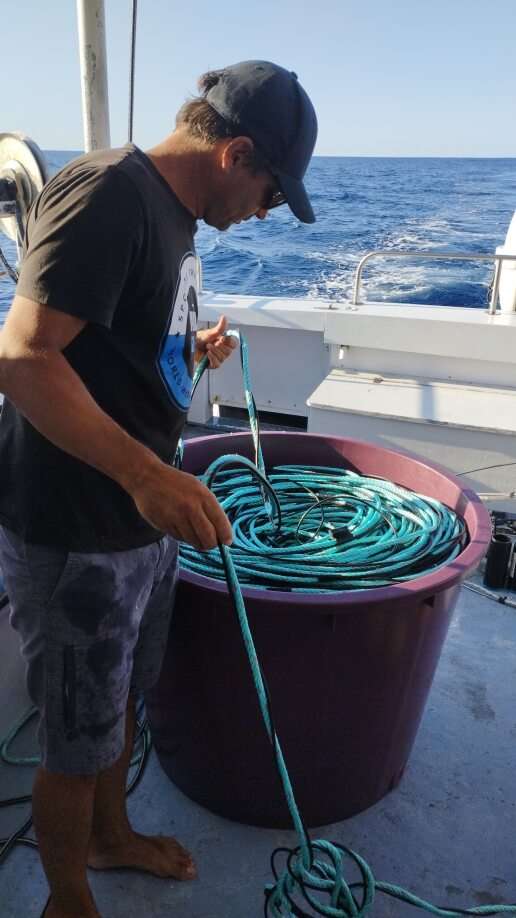
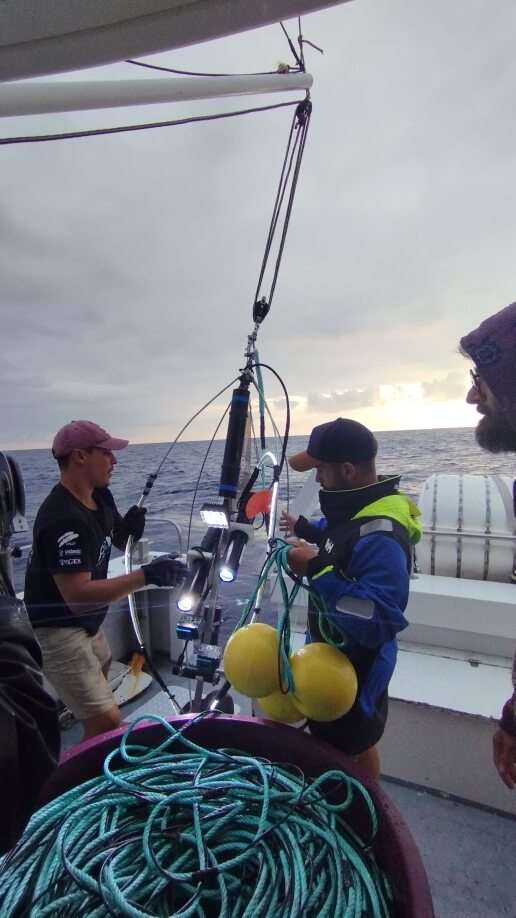
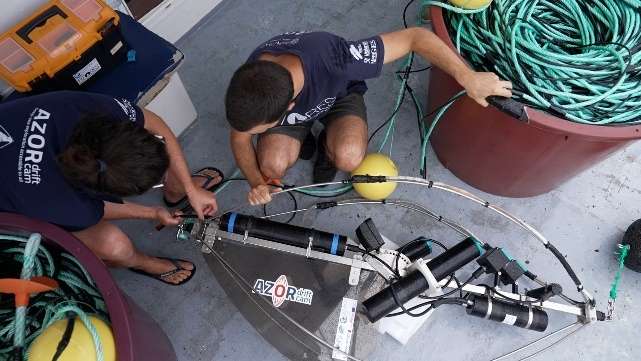
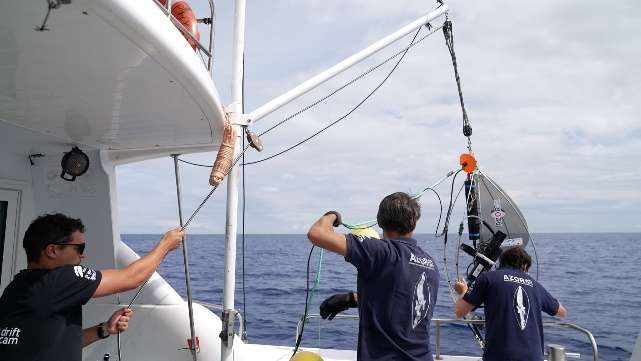
The first part of the MapGES 2023 survey was composed of three Legs, which were planned to visit some areas of banks and seamounts south of Faial and Pico islands (e.g., Princesa Alice, Açor, Agulhas, among others) and around Terceira Island, onboard MT Physeter. Overall, 115 dives out of 119 stations were accomplished in 13 sampling areas. During Leg 1, from 15th to 21st May 2023, we performed 27 successful dives with the Azor drift-cam, where we surveyed the deep-sea benthic communities dwelling on the slopes of the geomorphological structures of Princesa Alice, São Mateus de fora, Agulhas and Bourée banks. During Leg 2, from 30th May to 11th July 2023, we performed 25 successful dives with the Azor drift-cam. Leg 2 of the MapGES 2023 cruise continued exploring slopes south Faial and Pico Island such as De Guerne N, Bourée and Açor. Also, during Leg 2, 4 dives were carried out in the Faial-Pico channel as part of the workshop Azor drift-cam and an unexplored area called Agulhas 12 Milhas was visited. During Leg 3, from 14th July to 30th July 2023, we resurveyed and explored some new seamounts and slopes around Terceira Island, including Gastromar, Maçarico or Álvaro Martins structures, accounting for a total of 67 dives. The second part of MapGES 2023 on board the MT Physeter was composed of two Legs (4 and 5), which were planned to visit unexplored banks, ridges, slopes and seamounts around the Islands of São Miguel and São Jorge. Out of the 93 dives attempted in 12 different sampling areas, 89 provided useful information about local deep-sea benthic communities. These numbers represent a big accomplishment once we consider the adverse atmospheric conditions present on most days of Leg 4 and 5, which posed a real challenge to the planning and execution of our work at sea. During Leg 4 (July 31 – August 04, 2023) we deployed the Azor drift-cam on geomorphological structures and slopes located in the eastern area of São Jorge Island. Out of the 12 dives attempted, 11 were successful and provided useful information about the benthic communities inhabiting this area. During Leg 5 (August 15 – September 15, 2023) we visited all the sampling areas defined around the Island of São Miguel: São Miguel North, Northeast, East, Southeast, South, Southwest, West and Northwest. In addition, we also visited the Northern part of Mar da Prata, an offshore bank located South/Southwest of São Miguel. Out of the 81 dives attempted, 78 were successful and provided useful information about the benthic communities inhabiting these areas.

MapGES 2023 is the continuation of our long-term strategy to map deep-sea biodiversity and identify Vulnerable Marine Ecosystems (VMEs) in the Azores using the Azor drift-cam system. This cruise was funded under the Contract 18/DRPM/2022, regarding the "Characterization of deep-sea habitats, for its mapping up to the outer limit of the Azores sub-area of the Portuguese exclusive economic zone" acquisition of services between the Government of the Autonomous Region of the Azores, through the Regional Directorate for Maritime Policies (DRPM) of the Regional Secretariat for Sea and Fisheries (SRMP) and the Gaspar Frutuoso Foundation (FGF). It benefits from funding from the European Union under the operation "ACORES-14-62G4-FEDER-000001 - Filling gaps in the characterization of maritime space", within the scope of the reprogramming of the Azores 2020 Operational Program (PO Açores 2020), by incorporating the Recovery assistance for cohesion and the territories of Europe programme (REACT-EU) and by the European Regional Development Fund (ERDF). On this cruise, we operated from the MT Physeter and planned to visit some unexplored areas such as the geomorphological structures around the Princesa Alice bank, the slopes of Terceira Island (central Azores), and the slopes of São Miguel Island (eastern Azores). As in other MapGES cruises, the objectives were to (i) map benthic communities inhabiting unexplored seamounts, ridges and island slopes, (ii) identify new areas that fit the FAO Vulnerable Marine Ecosystem definition, and (iii) determine distribution patterns of deep-sea benthic biodiversity in the Azores. The results of this cruise added to the previous contributions to identify the environmental drivers that determine the spatial distribution of deep-sea benthic biodiversity in the Azores. It also provided valuable information in the context of Good Environmental Status (GES), Marine Spatial Planning (MSP) and provide new insights on how to sustainably manage deep-sea ecosystems.

Show less ↑
Show more ↓

Statistics

Transits
4380 km
Multibeam Bathymetry
0 km²
Filmed Seabed
113 km
Visited Areas
32
Stations
212
Dives
212
Video Footage Recorded
198 hours
Used Storage
8.56 Tb
Samples
0
— No information available at this moment

Highlights

LEGS 1, 2, and 3 - Princesa Alice Bank, Seamounts North of Graciosa and Slopes of Terceira Island

  1. Were able to visit 5 unexplored geomorphological structures in south of Faial and around Pico Islands Boureé NE (Açor NW), Açor, de Guerne N (Açor SE), São Mateus de Fora, Agulhas 18 Milhas; and 6 new areas around Terceira - Álvaro Martins, Terceira N, Terceira S, Terceira E, Maçarico, Gastromar, Beirada de for a. We also visited some areas that have already been explored but needed extra video data, namely Terceira NE and Pico N. We also explored a completely new area named 12 Milhas.
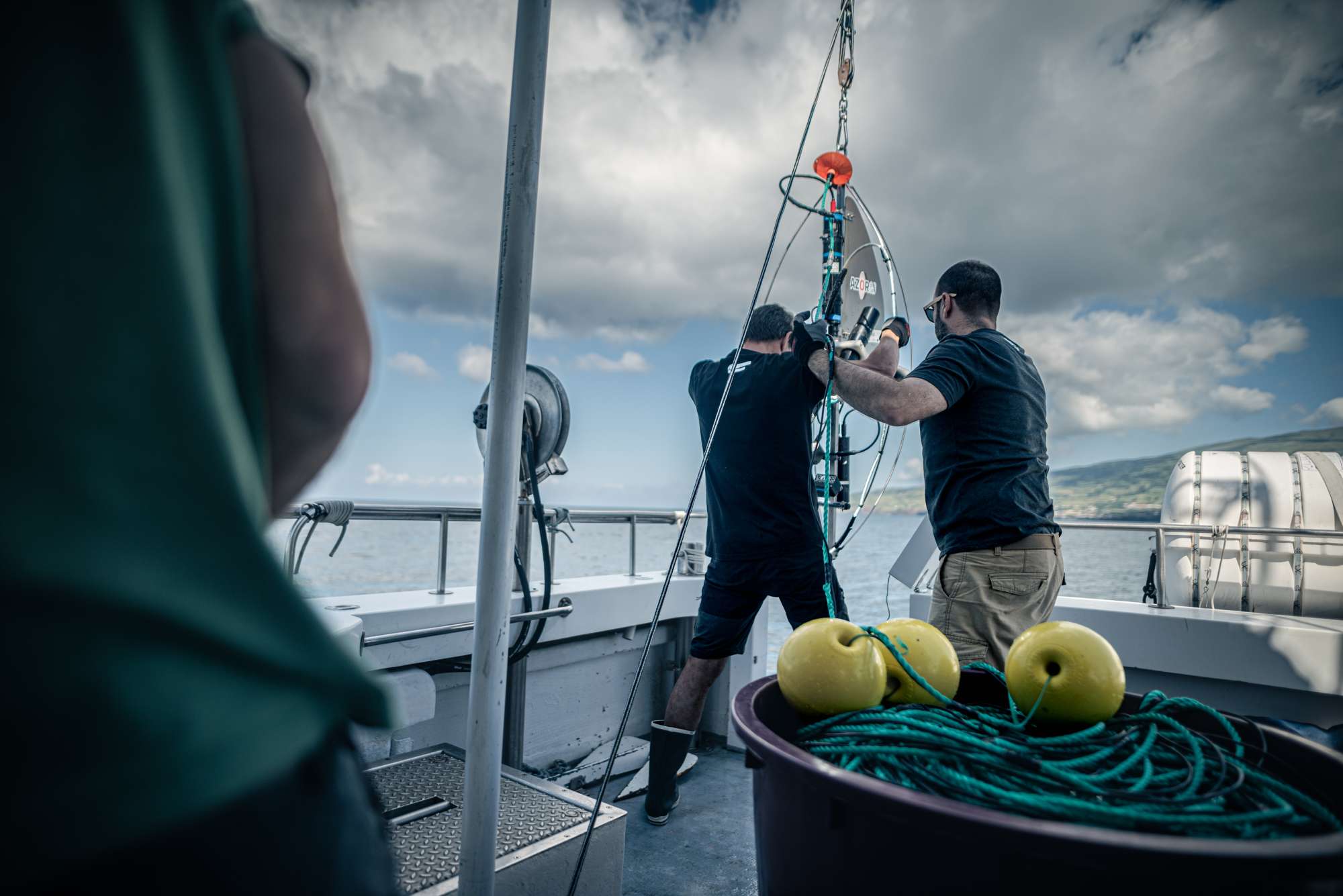
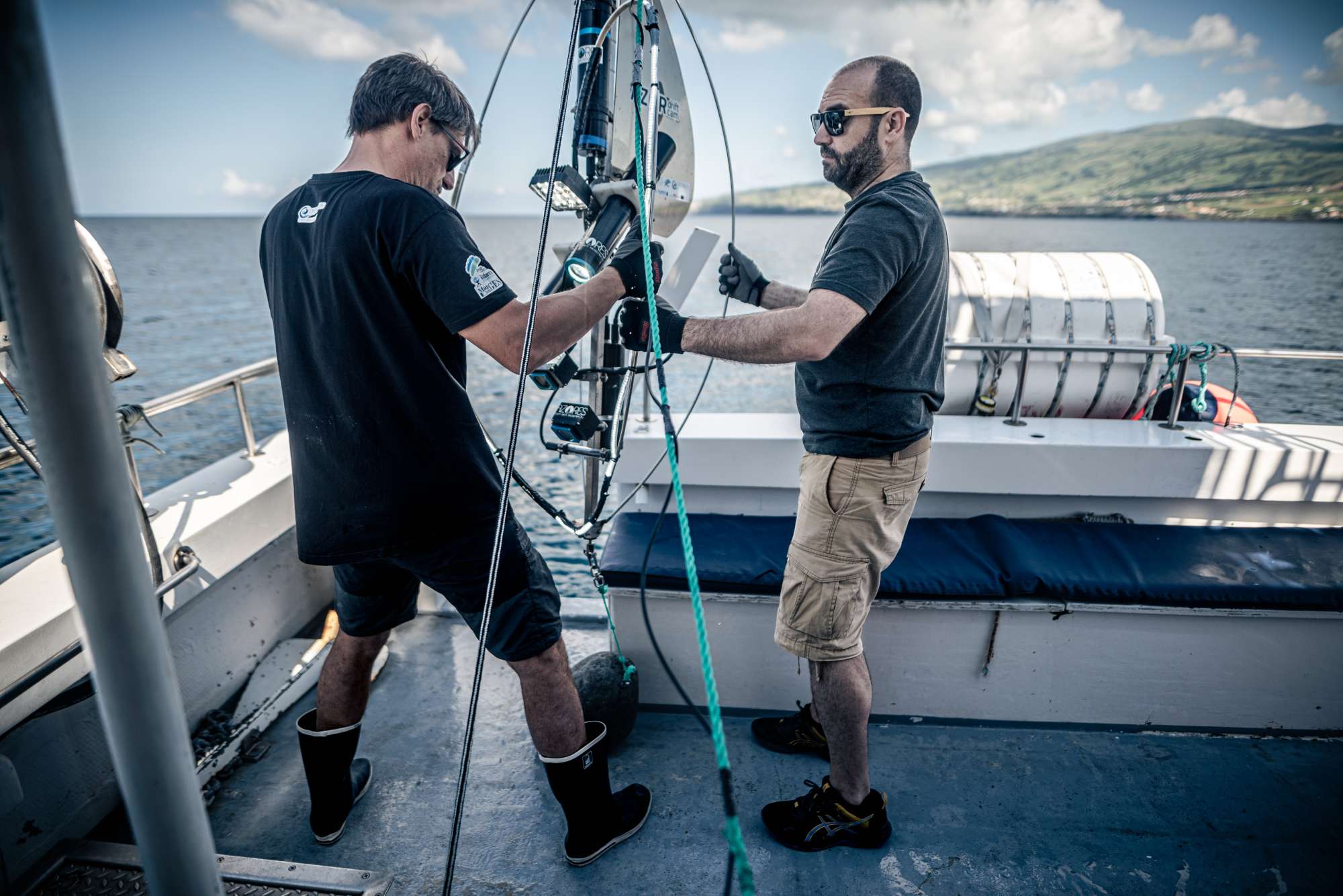
  2. During the MapGES 2023 Physeter cruise Leg1, Leg2 and Leg3 we accomplished 119 underwater video transects with the Azor drift-cam, adding up to around 119:55 hours of new underwater video footage of seabed habitats. This was a big achievement considering that we successfully operated, once again, the Azor drift-cam for deep-sea exploration onboard a small vessel.
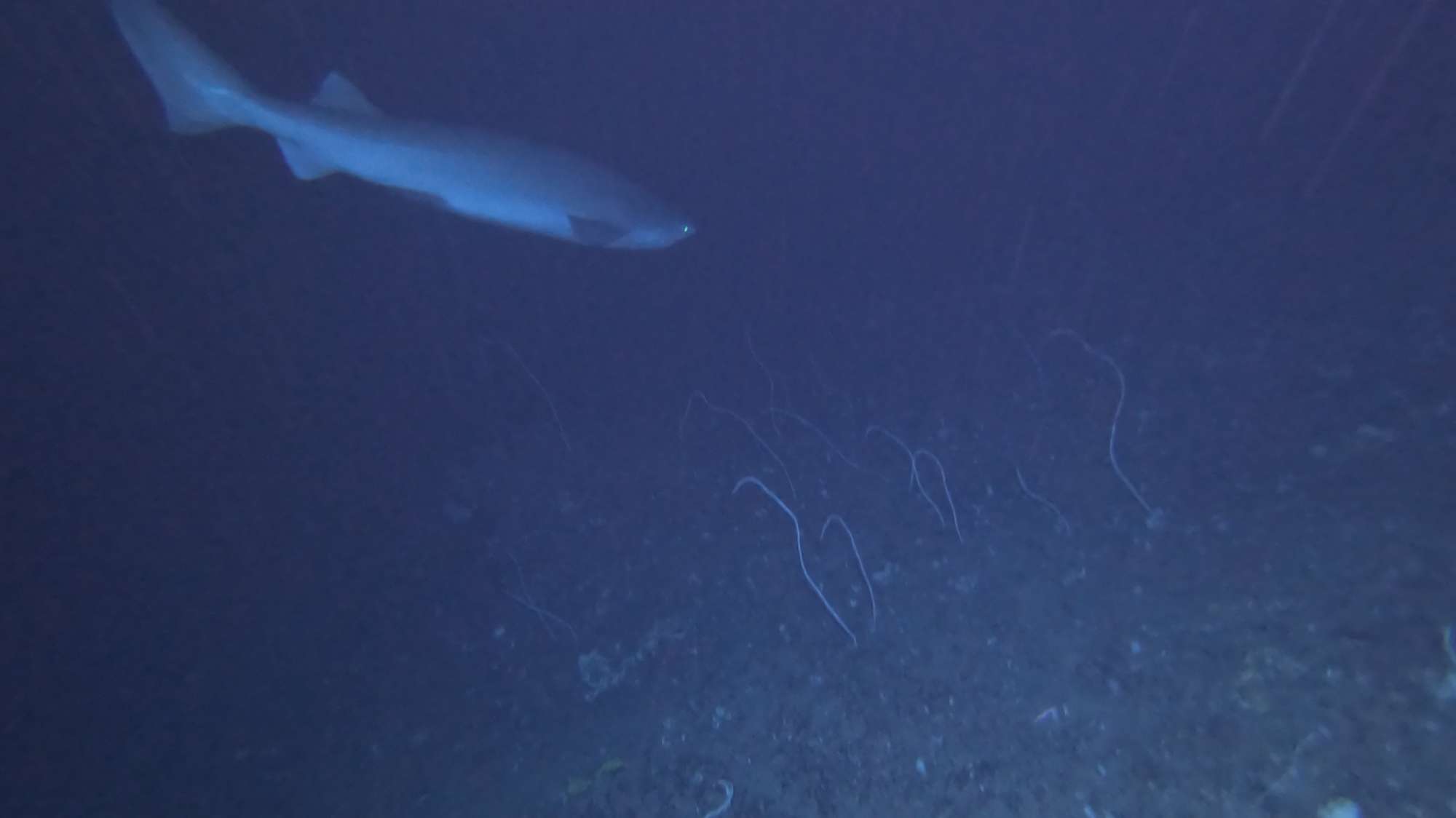
  3. During Leg 1 MapGES 2023 Physeter cruise we explored particularly sensitive areas due to fishing activities, namely south of Faial and Pico islands. As in previous years, the presence of some fishing lines made our deep-sea exploration challenging. After having the Azor drift-cam caught on several lines, we managed to get free with only minor damages. This collateral effect of fishing lines is preventing the acquisition of deep-sea biodiversity data to inform management and deserves to be better quantified.
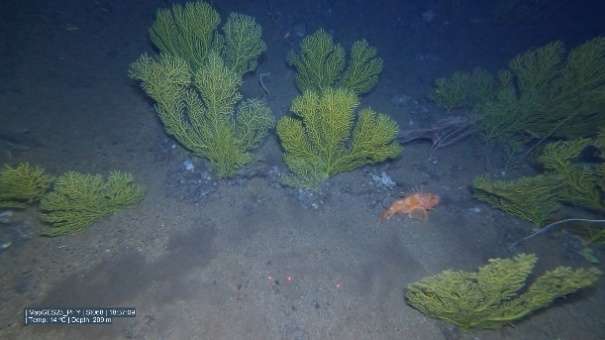
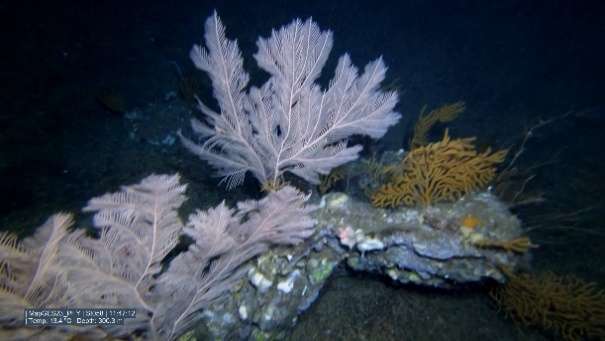
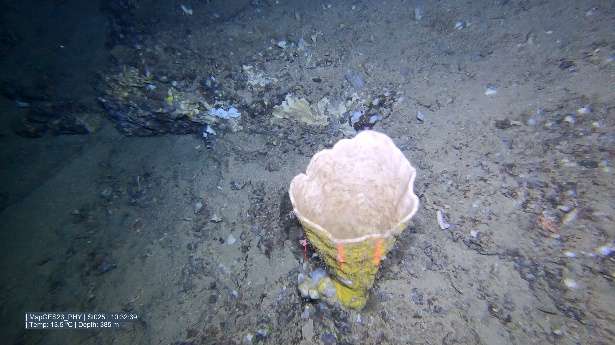
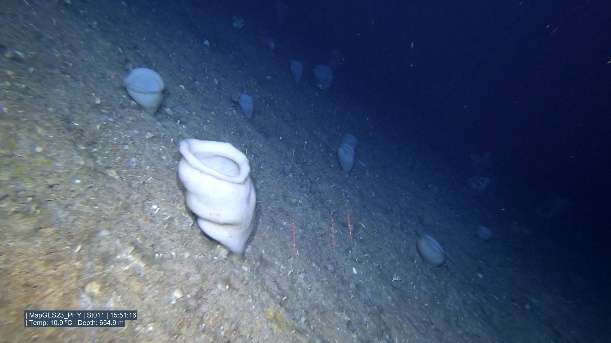
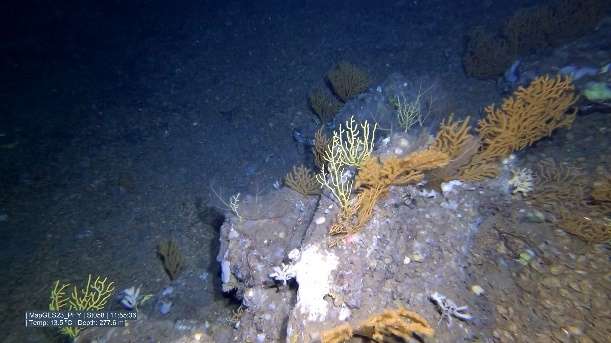
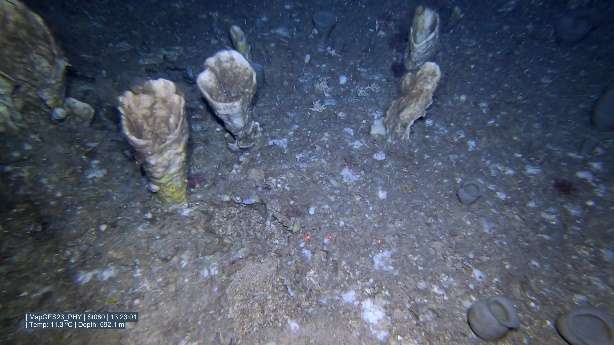
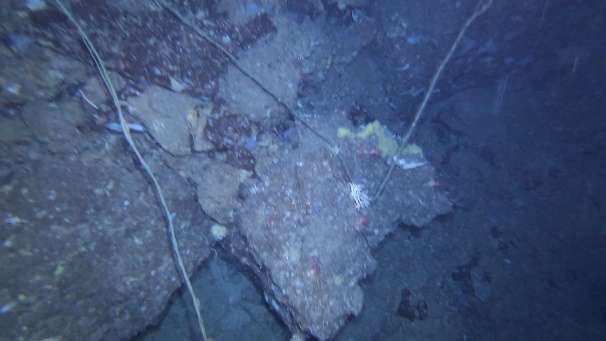
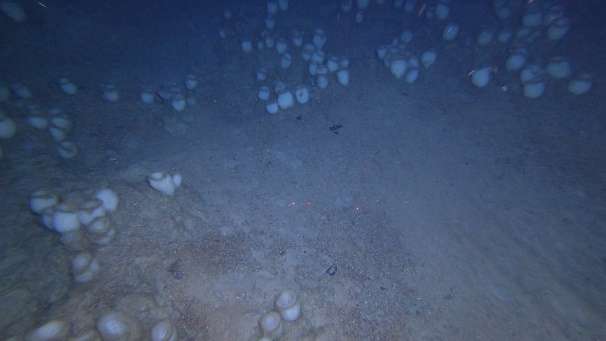
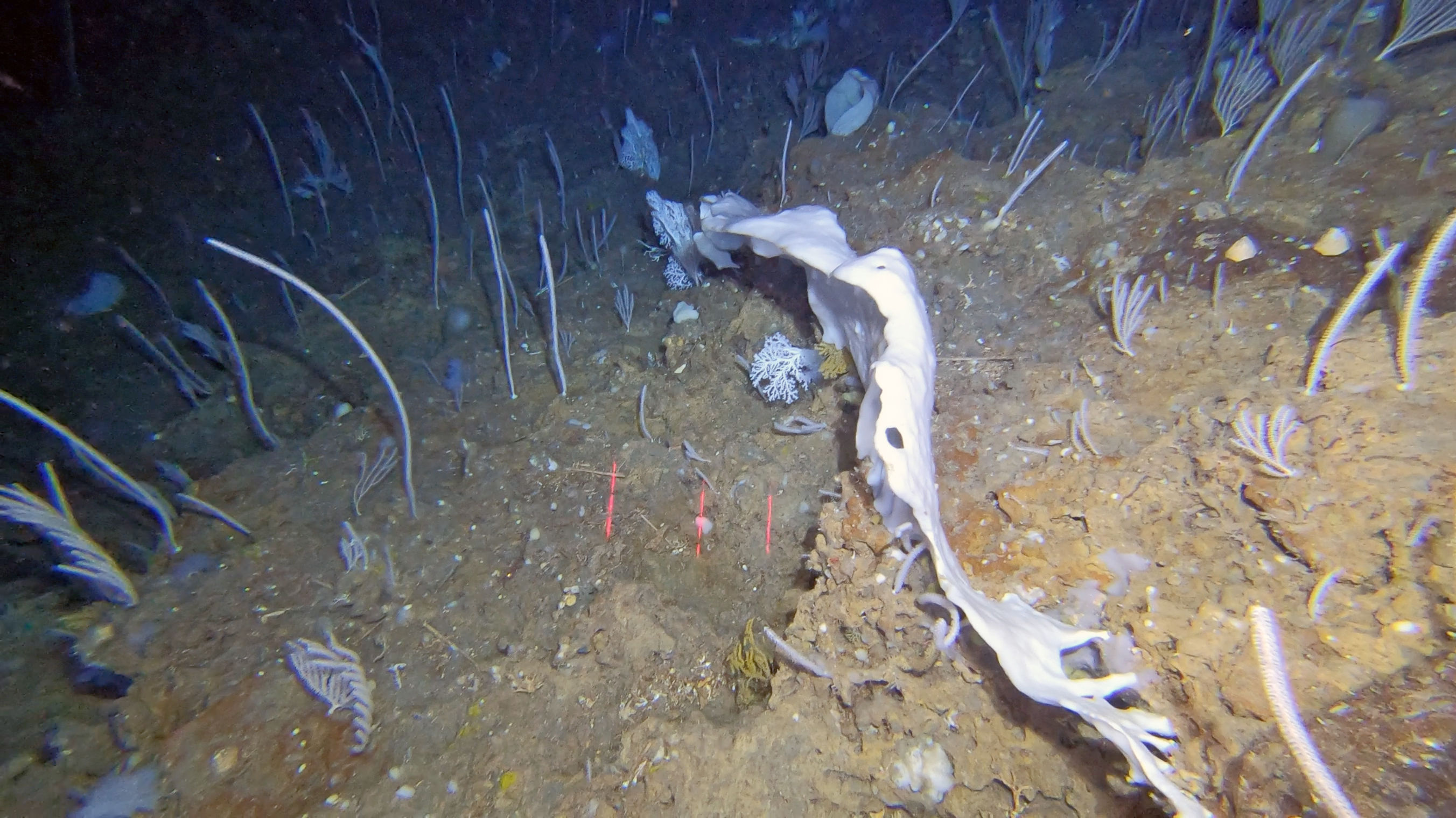
  4. In both Leg1 and Leg 2 of MapGES 2023 Physeter cruise, most of the dives performed covered sections of sedimentary bottoms, usually characterized by low levels of biodiversity. Nevertheless, some extensive aggregations of the primnoid corals Narella versluysi and Narella bellissima were occasionally observed colonizing rocky outcrops. The bird’s nest sponge Pheronema carpenteri together with Asconema fristedti composed most of the sponge assemblage, covering areas of mixed substrate. In MapGES 2023 Physeter cruise Leg2, a particularly surprising highlight was the impressive aggregation of the echinoderm Cidaris cidaris. It covered a vast section of flat sedimentary seafloor, being the largest and densest aggregation, we have recorded so far in the Azores region.
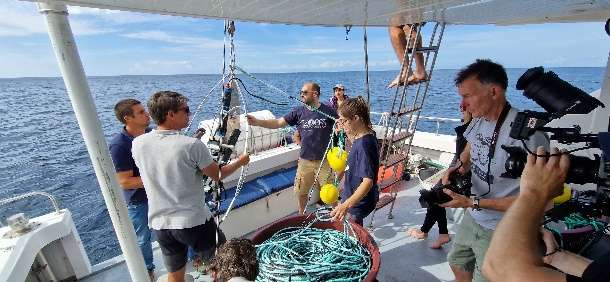
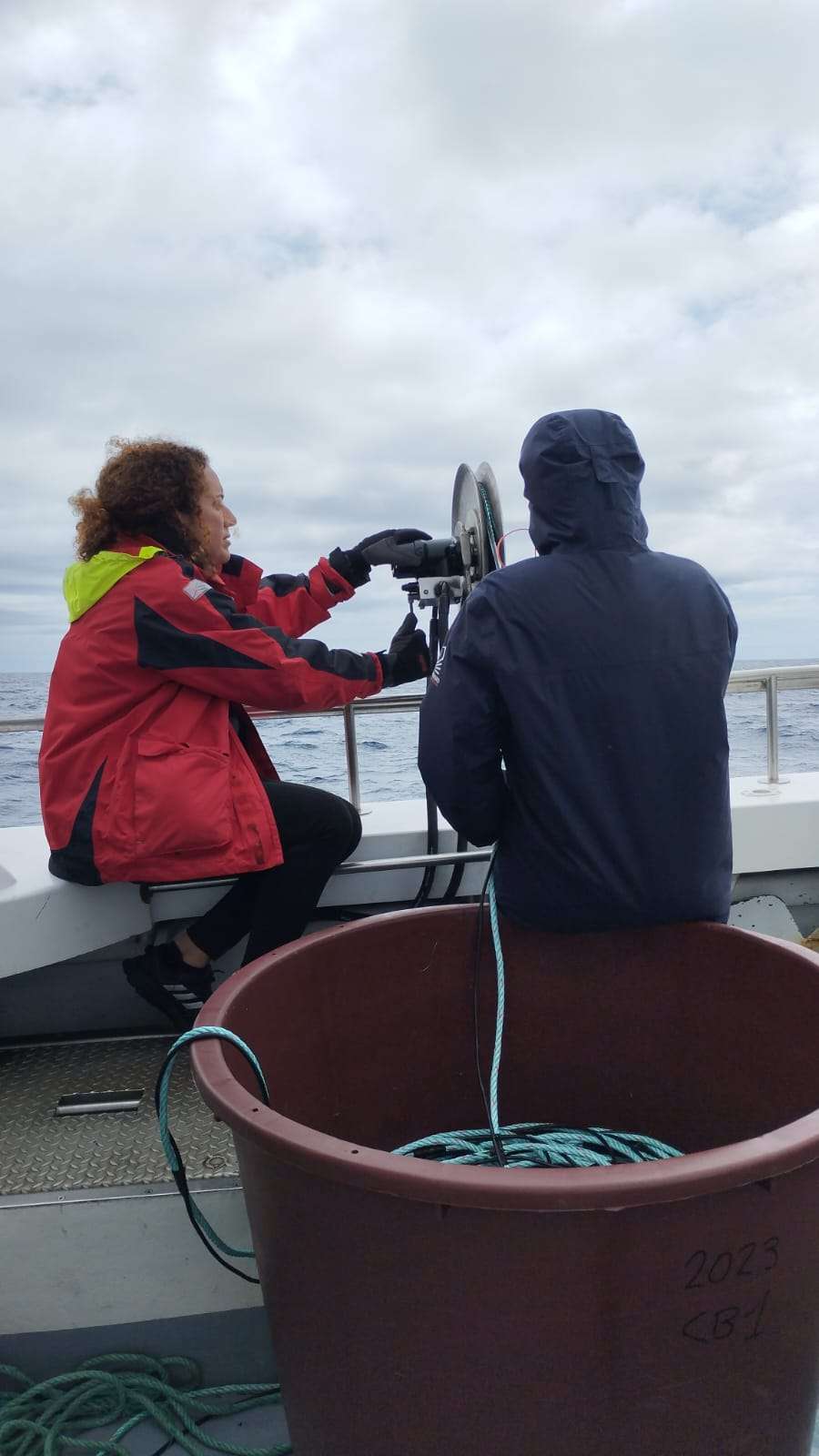
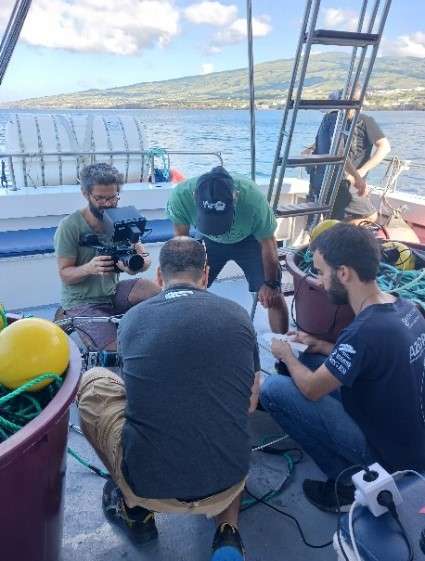
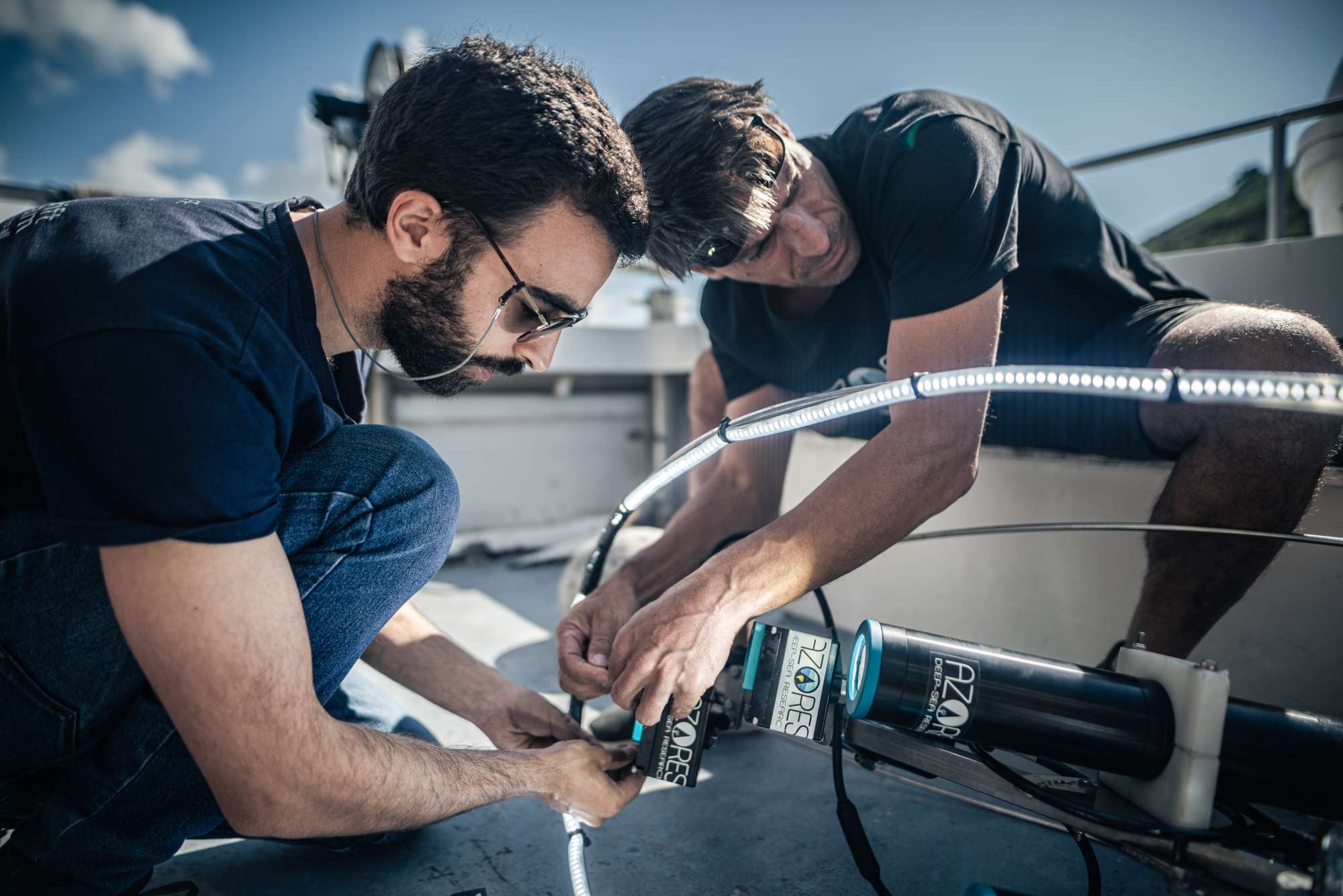
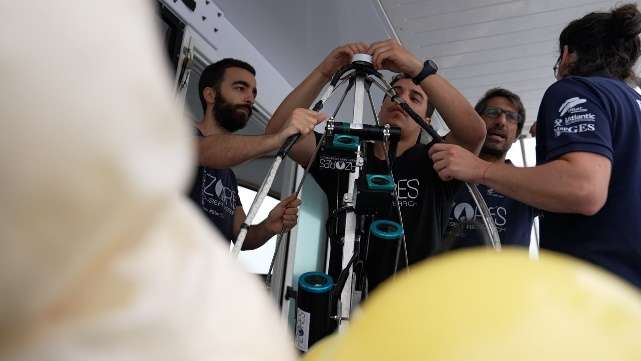
  5. During Leg2 of this cruise, we achieved a long waiting milestone: teaching our South Atlantic partners how to operate the Azor drift-cam. *The iAtlantic capacity building workshop aimed to share the technological and methodological details for the use of the Azor drift-cam. It ran from 5-8th June 2023 in the facilities of Escola do Mar (EMA) in the city of Horta (Faial Island, Portugal). A total of 12 researchers from the iAtlantic consortium coming from Brazil, South Africa and the United Kingdom took part in the workshop organized by the Azores Deep-Sea Research group. All the expenses were covered by the iAtlantic project. The workshop included two half-a-day surveys on board MT Physeter to show the participants how to deploy the Azor drift-cam in real conditions and how to operate the system to effectively collect video footage of deep-sea benthic habitats.
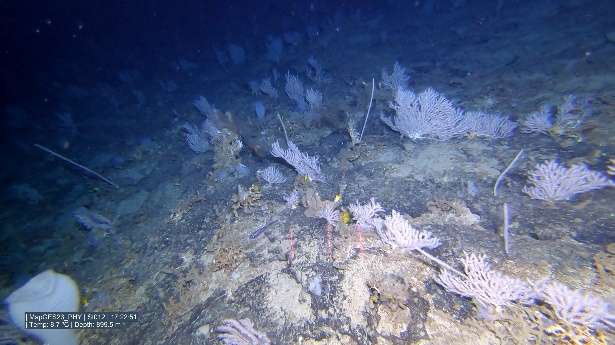
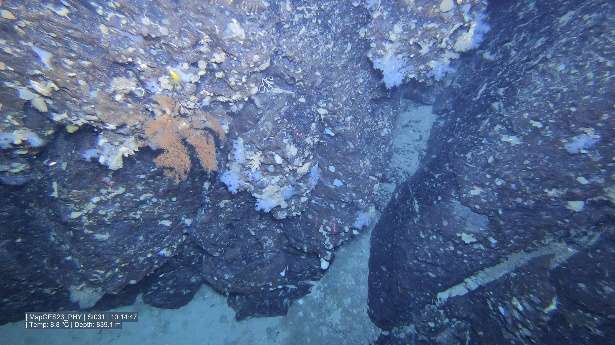
  6. The abundance, diversity, and condition in which the several benthic communities observed were found thriving on the Terceira island’s slopes was particularly special, and definitely a highlight of Leg3. Despite these previously unexplored areas being subjected to considerable degrees of fishing effort, most of the benthic fauna observed was visually healthy and harboured many associated fish species as well. The main highlights of Leg 3 were: (1) the sighting of uncommonly large specimens of the coral Dentomuricea aff. meteor in Terceira N, quite possibly the largest specimens we have recorded so far in the Azores region; (2) The detection of areas with the display of black coral aggregations such as Leiopathes glaberrima and L. expansa; (3) Observation of what we believe are small primnoid corals yet to be identified in at least two different seamounts in Terceira E area.

LEGS 4 and 5 – Slopes of São Miguel and São Jorge Islands

  1. Were able to visit ten unexplored geomorphological structures in the Azores EEZ – São Jorge E Topo, São Miguel N, NE, E, SE, S, SW, O, NO, e Mar da Prata Norte. We also visited four areas that have already been explored but needed extra video data namely the Isolado, Kurchatov N, Kurchatov SW, and Mar da Prata S. We managed to fill some knowledge gaps about the benthic communities located in the southeast and eastern portions of São Jorge Island (São Jorge SE and S Urzelina).
  2. This was the first time an extensive scientific survey was specifically designed to map and describe deep-sea benthic communities inhabiting banks, ridges, seamounts, and slopes located around the Island of São Miguel.
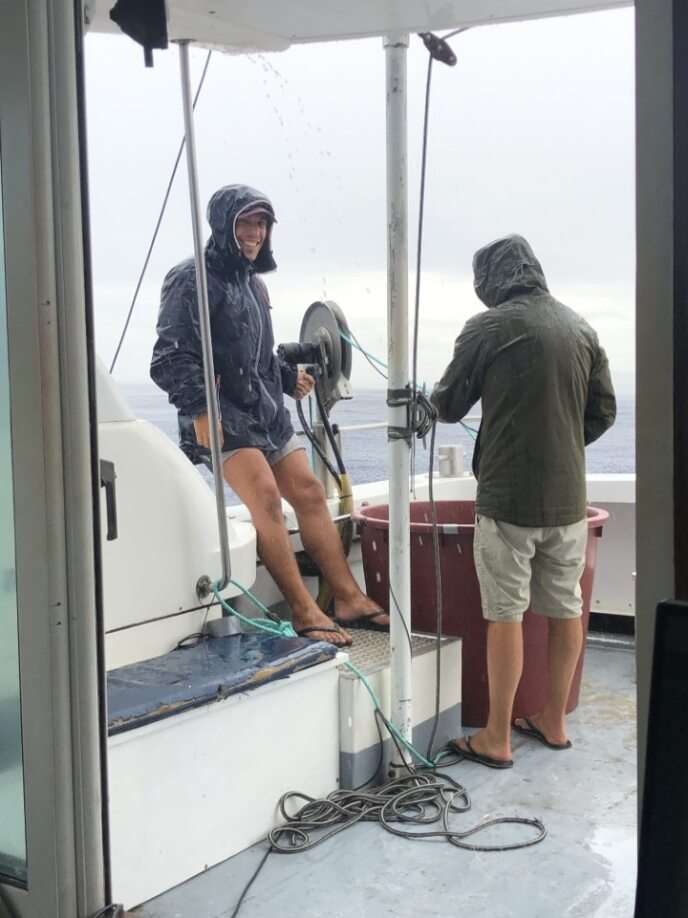
  3. During the Leg 4 and 5 of MapGES 2023 on board the MT Physeter, we performed 93 video transects with the Azor drift-cam, adding up to around 91 hours of new underwater video footage of seabed habitats. These numbers represent a big achievement considering that (i) we successfully operated, once again, the Azor drift-cam for deep-sea exploration on board a small vessel often reaching very remote locations situated more than 40 nm away from the closest harbour and that (ii) most days at sea were characterized by an extremely challenging weather.
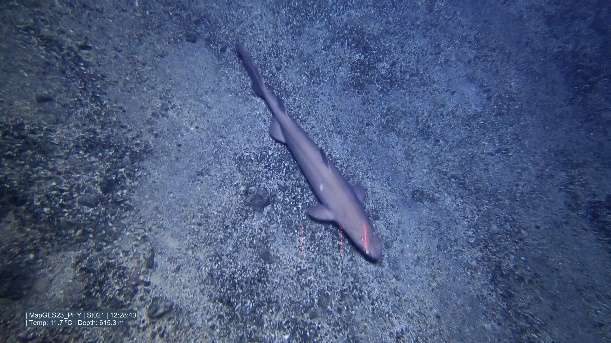
  4. In both Legs 4 and 5 of MapGES 2023, most of the dives performed covered sections of sedimentary bottoms, usually characterized by low levels of biodiversity.
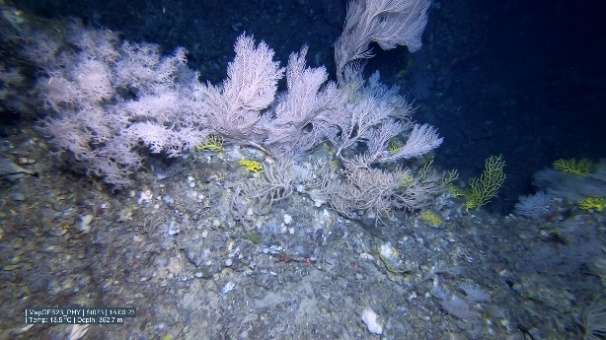
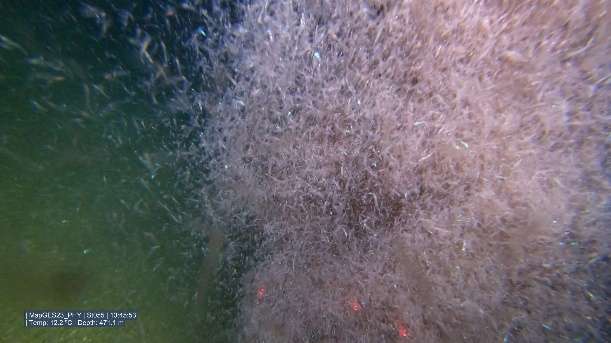
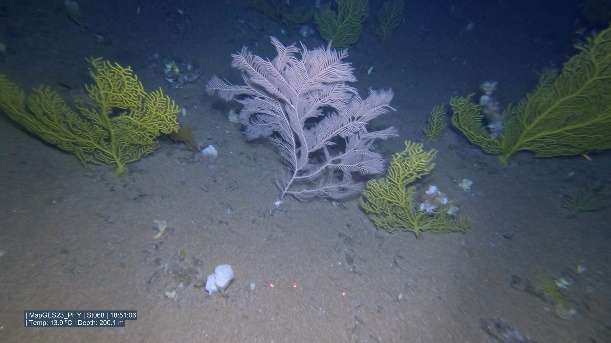
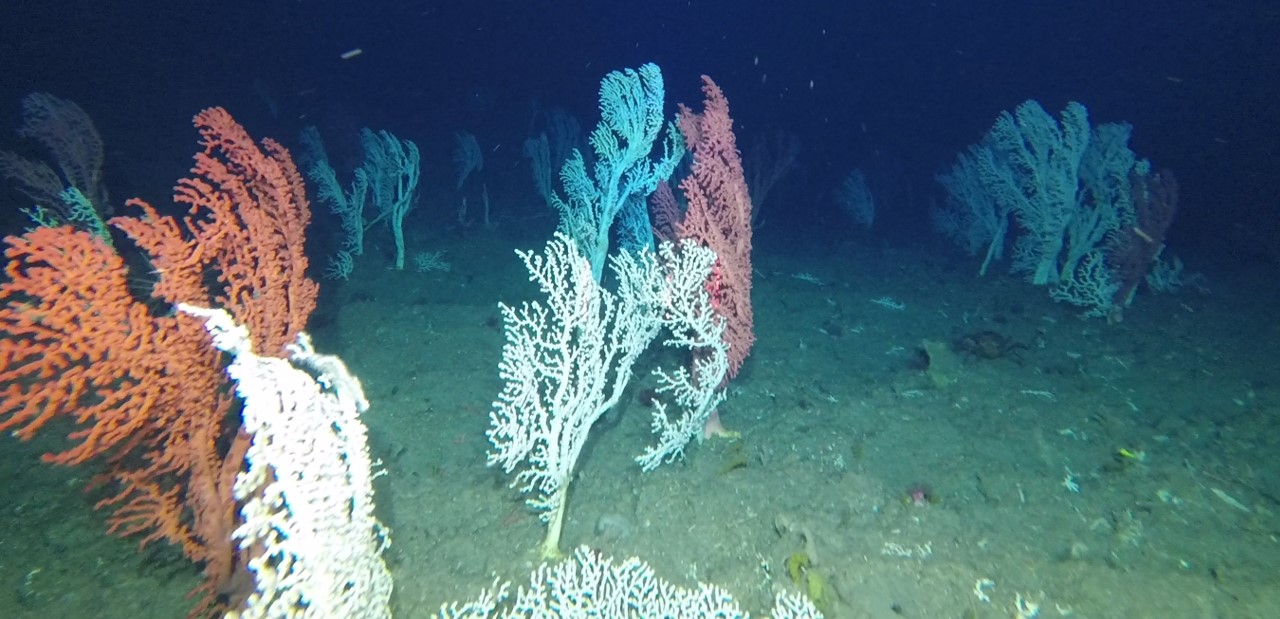
  5. Nevertheless, there were locations showing extensive coral aggregations that potentially are indicative of Vulnerable Marine Ecosystems. These aggregations were mostly encountered at depths shallower than 400-500 m depth and were dominated by extraordinarily large colonies of Callogorgia verticillata and, less frequently, by colonies of Dentomuricea aff. meteor often mixed with other coral species commonly found around the archipelago of the Azores, such as Viminella flagellum and Acanthogorgia spp. On few occasions, extensive aggregations of the primnoid corals Narella versluysi and Narella bellissima were observed at depths greater than 500 m.
  6. Noteworthy is the observation, during Leg 5, of some coral aggregations that appear to be particularly rare in the Azores. These include (i) a vast area completely covered by a reef of the stony coral Eguchipsammia cornucopia; (ii) an extraordinarily dense coral garden featuring, among other species, the bubble gum coral Paragorgia johnsoni (a species that do not appear to be very common on island slopes), and particularly high densities of the primnoid species Narella bellissima and N. versluysi; (iii) a large area dominated by an unidentified species of the family Stylasteridae (i.e. lace corals); (iv) an area dominated by a rare purple coral most likely of the genus Paramuricea; (v) an aggregation of black corals (order Antipatharia) on the northern part of Mar da Prata Bank.
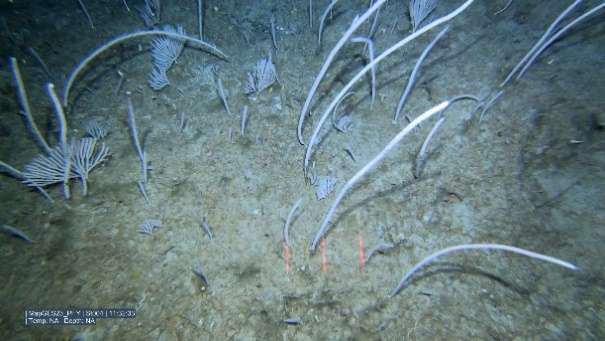
  7. Regarding sponge aggregations, the highlights of these two legs are (i) on the observation of extensive areas with the presence of the species Pseudotrachya hystrix, mainly encountered at the common sandy floors where we usually drifted over, (ii) some frequent sighting of even bigger specimens of the often-robust Characella pachastrelloides complex and, (iii) the frequent notice of big and widespread aggregations of the “bird nest” sponge, Pheronema carpenteri.
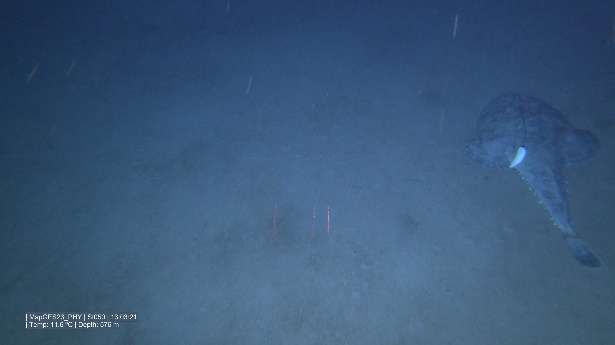
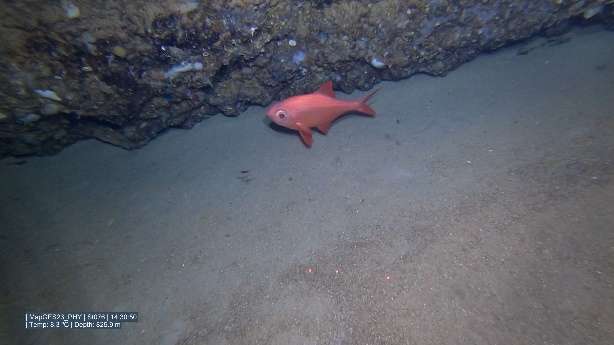
  8. A potential new species of deep-sea fish may have been observed for the first time in the Azores archipelago, named Gaidropsaurus spp., spotted in two different days.
  9. The invasive algae Rugulopteryx okamurae, that in recent years appeared on most Azorean shores, was very frequently observed in large patches down to depths of about 900 m suggesting that the impact of this species on resident communities may not only be limited to coastal areas, but also extend into the deep sea of the Azores. Therefore, to fully understand how Rugulopteryx okamurae alters the distributional and niche dynamics of native species and the extent of its impacts, there is a need to investigate how it affects both shallow and deep-sea communities.
  10. In general, it was found that the benthic communities around São Miguel Island present an apparent good environmental status. This observation is particularly relevant if we consider that this area concentrates a significant part of the bottom fishing effort in the Azores Region.
Show less ↑
Show more ↓

Location of operation

Princesa Alice/Açor banks, Terceira Island slopes and Álvaro Martins seamount (Central Azores), and São Miguel Island slopes (Eastern group)

AZORES DEEP-SEA RESEARCH © CRUISES

Stations

MapGES 2023 MT Physeter

Leg Period Days at sea Vessel Departure Return
1 15/05/2023 - 21/05/2023 7 MT Physeter Horta Horta
2 30/05/2023 - 11/06/2023 13 MT Physeter Horta Horta
3 14/07/2023 - 30/07/2023 17 MT Physeter Praia da Victória Praia da Victória
4 31/07/2023 - 04/08/2023 5 MT Physeter Calheta Calheta
5 15/08/2023 - 15/09/2023 32 MT Physeter Rabo de Peixe Ponta Delgada

A total of 74 days at sea

Activities

Video survey (Azor drift-cam)
MapGES 2023 cruise report: Exploration and mapping of deep-sea biodiversity in the Azores on board the MT Physeter
Zenodo
|
Oct, 2023
15 team members are authors
OA DOI 10.5281/ZENODO.10787942
Abstract
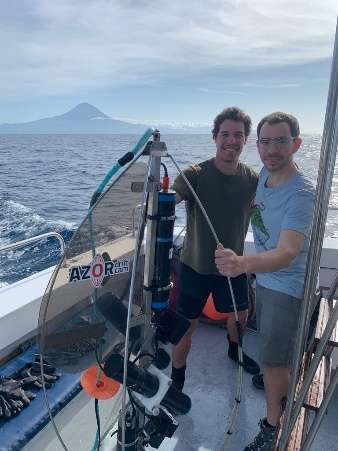
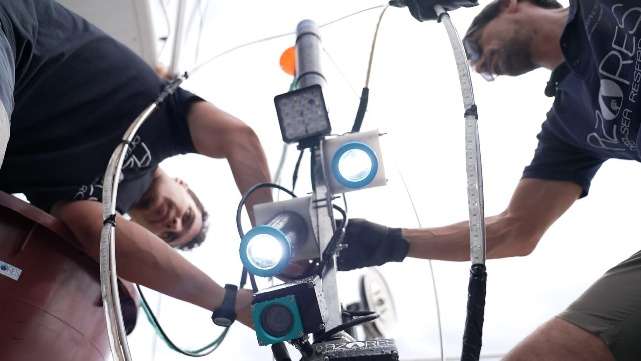
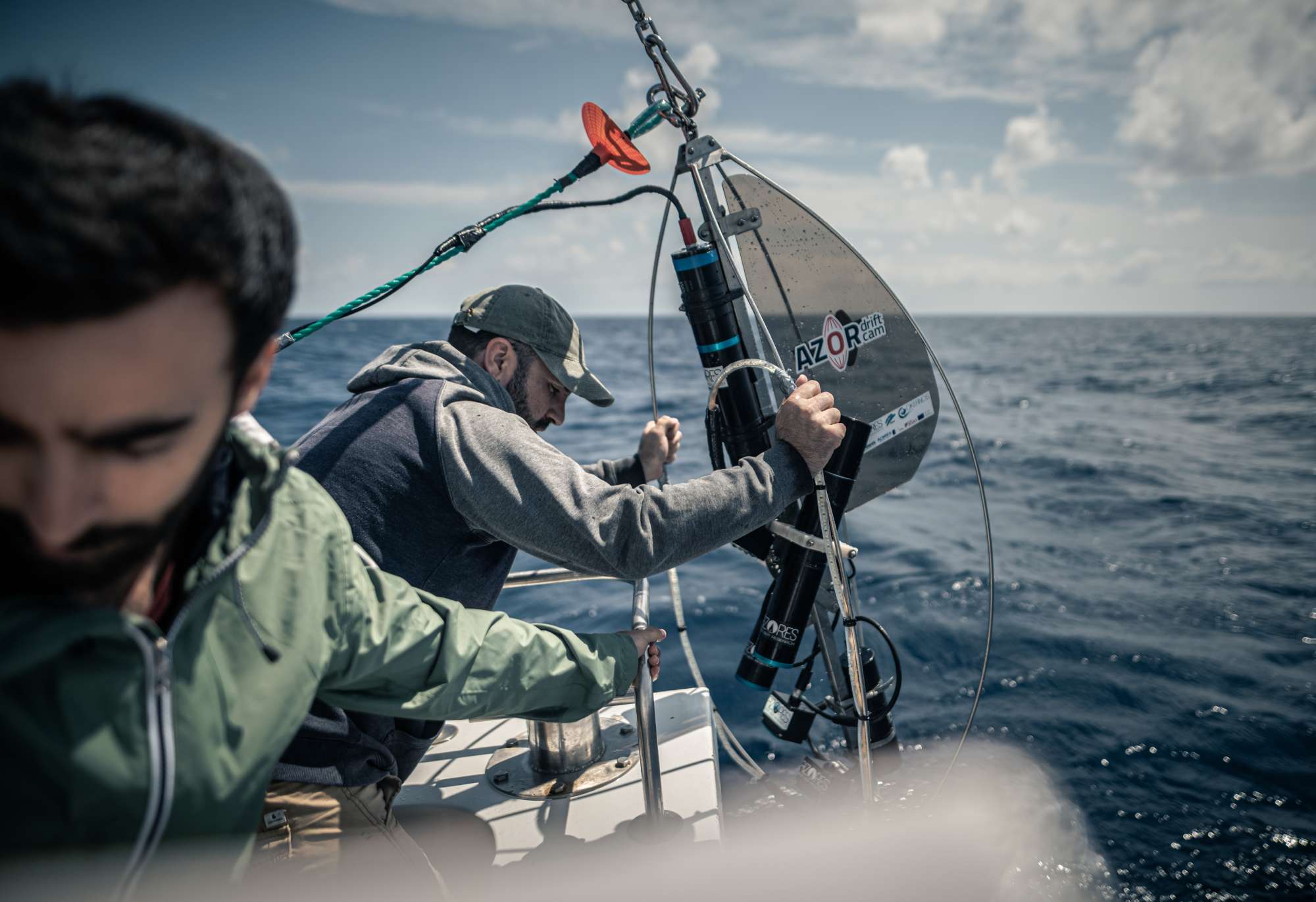
Main objective: MapGES 2023 is the continuation of our long-term strategy to map deep-sea biodiversity and identify Vulnerable Marine Ecosystems (VMEs) in the Azores using the Azor drift-cam imagery system. As in other MapGES cruises, the objectives were to (i) map benthic communities inhabiting unexplored seamounts, ridges, and island slopes, (ii) identify new areas that fit the FAO Vulnerable Marine Ecosystem definition; and (iii) determine distribution patterns of deep-sea benthic biodiversity in the Azores. The results of this cruise added to the previous contributions to identify the environmental drivers that determine the spatial distribution of deep-sea benthic biodiversity in the Azores. It also provides valuable information in the context of Good Environmental Status (GES), Marine Spatial Planning (MSP) and new insights on how to sustainably manage deep-sea ecosystems. Methodology: We performed several underwater video transects along the seafloor with the Azor drift-cam, a low-cost drifting camera system designed and developed at IMAR & Okeanos (University of the Azores), which allows the recording of high-quality underwater video images of the seabed down to 1000 m depth. The system was deployed from the research vessel RV Arquipélago, owned by the Government of the Azores. Cruise summary: The MapGES 2023 MT Physeter cruise was composed of two parts divided into 5 Legs. In the first part, we visited some unexplored areas such as the geomorphological structures Boureé NE (previously named Açor NW), Açor bank, de Guerne N (previously named Açor SE), São Mateus de Fora, Agulhas das 18 Milhas, Álvaro Martins seamount, Terceira N, Terceira S, Terceira E, Maçarico, Beirada de fora (previously part of Maçarico) and Gastromar. In the second, we also visited some unexplored areas such as the geomorphological structures around the islands of São Jorge (São Jorge E Topo e São Jorge NE) and of São Miguel (São Miguel N, NE, E, SE, S, SW, O, NO, e Mar da Prata Norte), and we revisited other geomorphological structures that needed complementary sampling efforts as, for example, São Jorge SE, e São Jorge S Urzelina. During the MapGES 2023 MT Physter cruise, we performed 204 dives in 212 stations down to 1 000 m depth, and covered about 124 km of seafloor, resulting in more than 211 hours of video imagens. These dives were conducted in 32 different sampling areas, including 11 seamounts and 21 island slopes around the islands of Terceira, São Miguel, and São Jorge. During this cruise, we explored, for the first time, the deep-sea benthic communities inhabiting banks, ridges, seamounts, and slopes located around the Island of São Miguel. Main achievements: 1. We visited thirty-two unexplored geomorphological structures in the Azores EEZ listed in the evaluation of areas with substantial knowledge gaps a. Part 1 (Legs 1, 2, and 3) –geomorphological structures south of Faial and around Pico Islands Boureé NE (Açor NW), Açor, de Guerne N (Açor SE), São Mateus de Fora, Agulhas 18 Milhas; and 6 new areas around Terceira - Álvaro Martins, Terceira N, Terceira S, Terceira E, Maçarico, Gastromar, Beirada de fora. We also visited some areas that have already been explored but needed extra video data, namely Terceira NE and Pico N. We also explored a completely new area named 12 Milhas. b. Part 2 (Legs 4 and 5) – São Jorge E Topo, São Miguel N, NE, E, SE, S, SW, O, NO, e Mar da Prata Norte. We managed to fill some knowledge gaps about the benthic communities located in the southeast and eastern portions of São Jorge Island (São Jorge SE and S Urzelina), an area that was difficult to access and explore from small vessels like the MT Physeter, which we did not have the opportunity to visit in previous campaigns. 2. During Leg 1 MapGES 2023 MT Physeter cruise we explored particularly sensitive areas due to fishing activities, namely south of Faial and Pico islands. As in previous years, the presence of some fishing lines made our deep-sea exploration challenging. After having the Azor drift-cam caught on several lines, we managed to get free with only minor damages. This collateral fishing impact is preventing the acquisition of deep-sea biodiversity data to inform management and deserve to be better quantified. Problems with the Outland laser systems resulted in the lack of laser points in some of the images recorded. 3. In both Leg1 and Leg 2 of MapGES 2023 Physeter cruise, most of the dives performed covered sections of sedimentary bottoms, usually characterized by low levels of biodiversity. Nevertheless, some extensive aggregations of the primnoid corals Narella versluysi and Narella bellissima were occasionally observed colonizing rocky outcrops. The bird’s nest sponge Pheronema carpenteri, together with Asconema fristedti composed most of the sponge assemblage, covering areas of mixed substrate. In MapGES 2023 Physeter cruise Leg2, a particularly surprising highlight, since we were completely unaware of this throughout the dive itself, was the impressive aggregation of the echinoderm Cidaris cidaris. It covered a vast section of flat sedimentary seafloor, being the largest and densest aggregation we have recorded so far in the Azores region. 4. The abundance, diversity, and condition in which the several benthic communities observed were found thriving on the Terceira island’s slopes was particularly special and definitely a highlight of Leg3. Despite these previously unexplored areas being subjected to considerable degrees of fishing effort, most of the benthic fauna observed was visually healthy and harboured many associated fish species as well. The main highlights of Leg 3 were: (1) the sighting of uncommonly large specimens of the coral Dentomuricea aff. Meteor in Terceira N, quite possibly the largest specimens we have recorded so far in the Azores region; (2) The detection of areas with the display of black coral aggregations such as Leiopathes glaberrima and L. expansa; (3) Observation of what we believe are small primnoid corals yet to be identified in at least two different seamounts in Terceira E area. 5. During Leg 4, it was the first time an extensive scientific survey was specifically designed to map and describe deep-sea benthic communities inhabiting banks, ridges, seamounts, and slopes located around the Island of São Miguel. 6. In both Legs 4 and 5 of MapGES 2023, most of the dives performed covered sections of sedimentary bottoms, usually characterized by low levels of biodiversity. Nevertheless, there were locations showing extensive coral aggregations that potentially are indicative of Vulnerable Marine Ecosystems. These aggregations were mostly encountered at depths shallower than 400-500 m depth and were dominated by extraordinarily large colonies of Callogorgia verticillata and, less frequently, by colonies of Dentomuricea aff. meteor often mixed with other coral species commonly found around the Azores, such as Viminella flagellum and Acanthogorgia spp. On a few occasions, extensive aggregations of the primnoid corals Narella versluysi and Narella bellissima were observed at depths greater than 500 m. 7. Noteworthy is the observation, during Leg 5, of some coral aggregations that appear to be particularly rare in the archipelago of the Azores. These include (i) a vast area completely covered by a reef of the stony coral Eguchipsammia cornucopia; (ii) an extraordinarily dense coral garden featuring, among other species, the bubble gum coral Paragorgia johnsoni (a species that do not appear to be very common on island slopes), and particularly high densities of the primnoid species Narella bellissima and N. versluysi; (iii) a large area dominated by an unidentified species of the family Stylasteridae (i.e. lace corals); (iv) an area dominated by a rare purple coral most likely of the genus Paramuricea; (v) an aggregation of black corals (order Antipatharia) on the northern part of Mar da Prata Bank. 8. Regarding sponge aggregations, the highlights of these two legs are (i) the observation of extensive areas with the presence of the species Pseudotrachya hystrix, mainly encountered at the common sandy floors where we usually drifted over, (ii) some frequent sightings of even bigger specimens of the often-robust Characella pachastrelloides complex and, (iii) the frequent notice of big and widespread aggregations of the “bird nest” sponge, Pheronema carpenteri. 9. A potential new species of deep-sea fish may have been observed for the first time in the Azores archipelago, named Gaidropsaurus spp., spotted on two different days. 10. The invasive alga Rugulopteryx okamurae, which in recent years appeared on most Azorean shores, was very frequently observed in large patches down to depths of about 900 m, suggesting that the impact of this species on resident communities may not only be limited to coastal areas but also extend into the deep sea of the Azores. Therefore, to fully understand how Rugulopteryx okamurae alters the distributional and niche dynamics of native species and the extent of its impacts, there is a need to investigate how it affects both shallow and deep-sea communities. 11. In general, it was found that the benthic communities around São Miguel Island present an apparent good environmental status. This observation is particularly relevant if we consider that this area concentrates a significant part of the bottom fishing effort in the Azores Region. 12. During Leg2 of this cruise, we achieved a long waiting milestone: teaching our South Atlantic partners how to operate the Azor drift-cam. The iAtlantic capacity building workshop aimed to share the technological and methodological details for the use of the Azor drift-cam. It ran from 5-8th June 2023 in the facilities of Escola do Mar (EMA) in the city of Horta (Faial Island, Portugal). A total of 12 researchers from the iAtlantic consortium
Nothing to show yet... Try again later.

Follow us on social media to stay updated

Location

Institute of Marine Sciences — Okeanos, University of the Azores

Departamento de Oceanografia e Pescas — Universidade dos Açores

Rua Prof. Doutor Frederico Machado, No. 4
9901-862 Horta, Portugal

Contact

FOLLOW US
ADSR

AZORES DEEP-SEA RESEARCH © 2020-2026 — RELEASE 2.1

Developed by Valter Medeiros VALTER MEDEIROS