Loading…
Loading…

MIDAS
Managing Impacts of Deep-seA reSource exploitation
MIDAS
Loading project…
Managing Impacts of Deep-seA reSource exploitation
Period: 01 Nov 2013 to 01 Nov 2016
Funding: 1 source(s)
01 Nov 2013 to 01 Nov 2016
European Union's FP7
Budget: 479,952.00 €
Summary
Managing Impacts of Deep-seA reSource exploitation
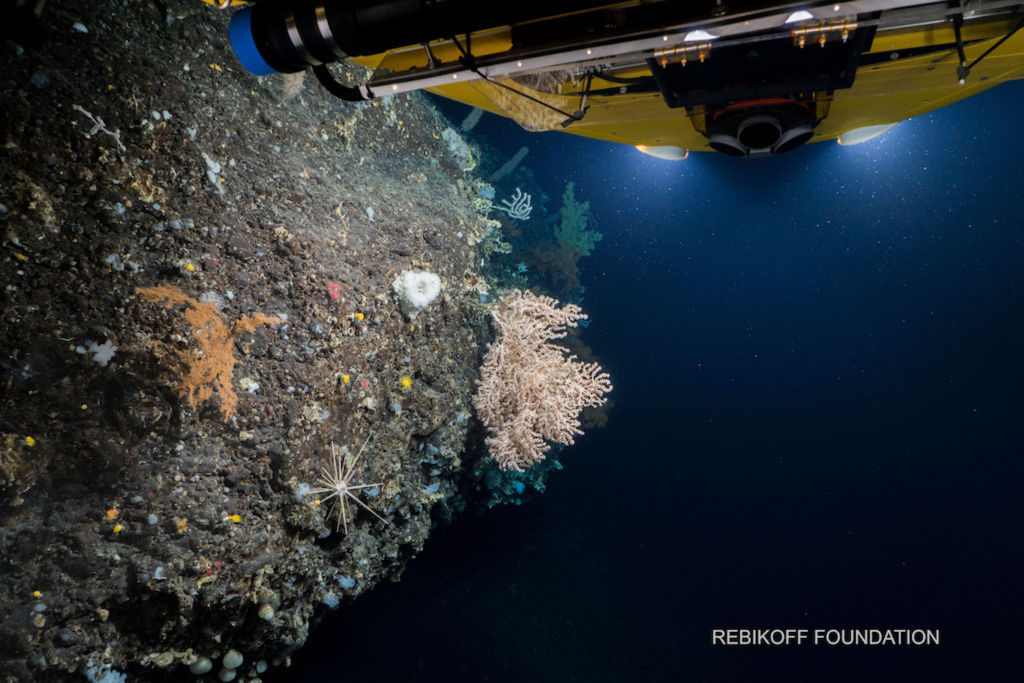
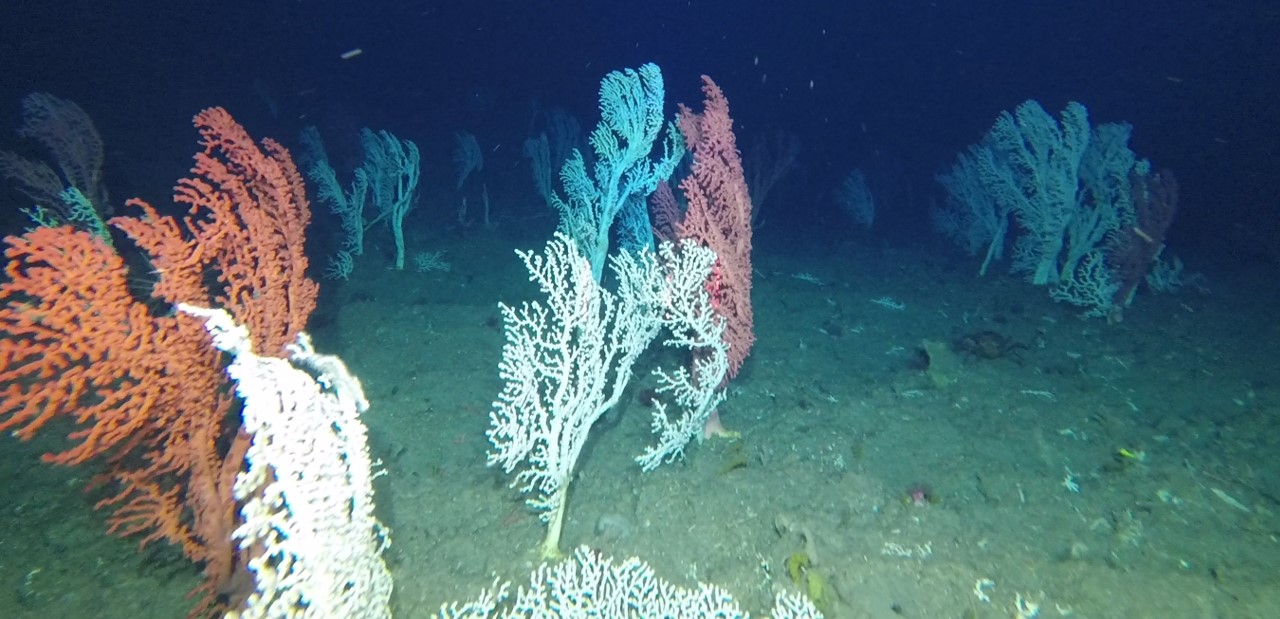
The MIDAS partnership represented a unique combination of scientists, industry, social scientists, legal experts, NGOs and SMEs from across Europe. MIDAS carried out research into the nature and scales of the potential impacts of mining, including 1) the physical destruction of the seabed by mining, creation of mine tailings and the potential for catastrophic slope failures from methane hydrate exploitation; 2) the potential effects of particle-laden plumes in the water column, and 3) the possible toxic chemicals that might be released by the mining process and their effect on deep-sea ecosystems. Key biological unknowns, such as the connectivity between populations, impacts of the loss of biological diversity on ecosystem functioning, and how quickly the ecosystems will recover were addressed.
The MIDAS project - Managing Impacts of Deep-seA reSource exploitation - was a multidisciplinary research programme investigating the environmental impacts of extracting mineral and energy resources from the deep-sea environment. This included the exploitation of materials such as polymetallic sulphides, manganese nodules, cobalt-rich ferromanganese crusts, methane hydrates and the potential mining of rare earth elements. MIDAS was funded under the European Commission's Framework 7 initiative from November 2013 for a period of 3 years, and has recently completed its programme of research.
Videos
Our Team's role
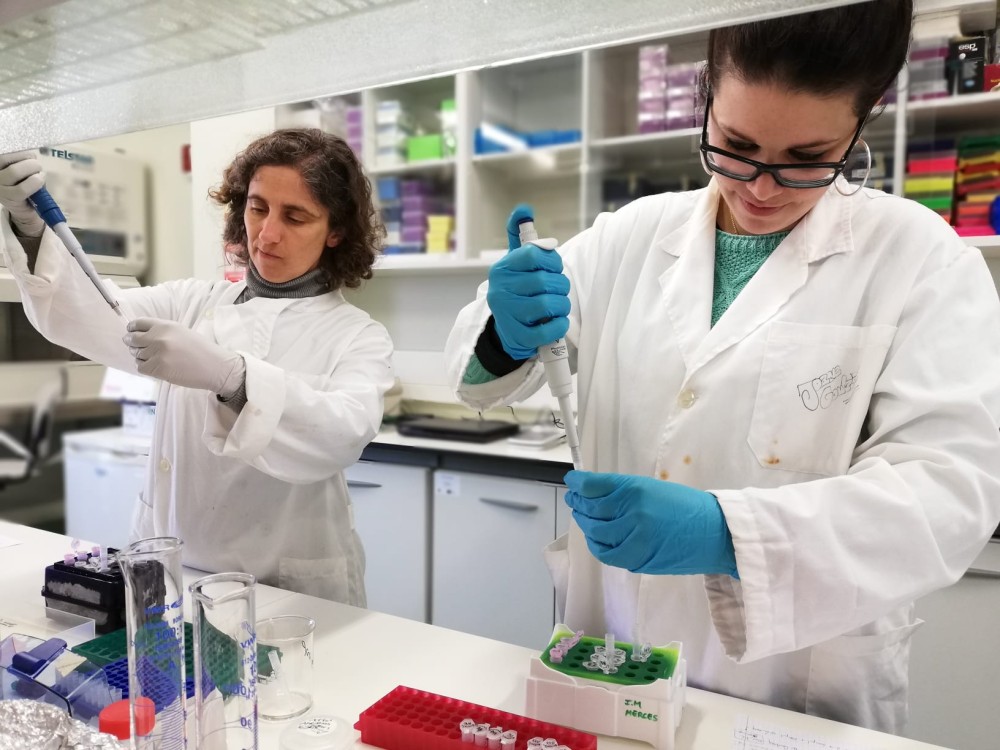
Our group holds a pivotal role in the MIDAS project, bridging scientific research and policy application. Our experimental work in WP3 assesses the ecotoxicological effects of heavy metals on cold-water corals and deep-sea fish, while in WP5 we model the impacts of mining plumes on benthic suspension feeders. Crucially, we leverage this scientific expertise in WP8 and WP9 to inform the development of environmental protocols and international legislation. IMAR also lead WP4 on impact on species connectivity, and contributed to WP6 studies on colonization and recovery at SMS sites and seamounts.
Collaborators
Main results
 ATLAS
A transatlantic assessment and deep-water ecosystem-based spatial management plan for Europe
Funded by European Union’s Horizon 2020
ATLAS
A transatlantic assessment and deep-water ecosystem-based spatial management plan for Europe
Funded by European Union’s Horizon 2020
 iAtlantic
Integrated Assessment of Atlantic Marine Ecosystems in Space and Time
Funded by European Union’s Horizon 2020
iAtlantic
Integrated Assessment of Atlantic Marine Ecosystems in Space and Time
Funded by European Union’s Horizon 2020
 MapGES
Mapping deep-sea biodiversity and “Good Environmental Status” in the Azores: assisting with the implementation of EU Marine Strategy Framework Directive
Funded by Regional Government of the Azores, PO Açores 2020, European Regional Development Fund (ERDF / FEDER)
MIDAS
Managing Impacts of Deep-seA reSource exploitation
Funded by European Union’s FP7
MapGES
Mapping deep-sea biodiversity and “Good Environmental Status” in the Azores: assisting with the implementation of EU Marine Strategy Framework Directive
Funded by Regional Government of the Azores, PO Açores 2020, European Regional Development Fund (ERDF / FEDER)
MIDAS
Managing Impacts of Deep-seA reSource exploitation
Funded by European Union’s FP7
 ATLAS
A transatlantic assessment and deep-water ecosystem-based spatial management plan for Europe
Funded by European Union’s Horizon 2020
iAtlantic
Integrated Assessment of Atlantic Marine Ecosystems in Space and Time
Funded by European Union’s Horizon 2020
MIDAS
Managing Impacts of Deep-seA reSource exploitation
Funded by European Union’s FP7
ATLAS
A transatlantic assessment and deep-water ecosystem-based spatial management plan for Europe
Funded by European Union’s Horizon 2020
iAtlantic
Integrated Assessment of Atlantic Marine Ecosystems in Space and Time
Funded by European Union’s Horizon 2020
MIDAS
Managing Impacts of Deep-seA reSource exploitation
Funded by European Union’s FP7
ATLAS
A transatlantic assessment and deep-water ecosystem-based spatial management plan for Europe
Funded by European Union’s Horizon 2020
iAtlantic
Integrated Assessment of Atlantic Marine Ecosystems in Space and Time
Funded by European Union’s Horizon 2020
MIDAS
Managing Impacts of Deep-seA reSource exploitation
Funded by European Union’s FP7
ATLAS
A transatlantic assessment and deep-water ecosystem-based spatial management plan for Europe
Funded by European Union’s Horizon 2020
iAtlantic
Integrated Assessment of Atlantic Marine Ecosystems in Space and Time
Funded by European Union’s Horizon 2020
MIDAS
Managing Impacts of Deep-seA reSource exploitation
Funded by European Union’s FP7
ATLAS
A transatlantic assessment and deep-water ecosystem-based spatial management plan for Europe
Funded by European Union’s Horizon 2020
iAtlantic
Integrated Assessment of Atlantic Marine Ecosystems in Space and Time
Funded by European Union’s Horizon 2020
MIDAS
Managing Impacts of Deep-seA reSource exploitation
Funded by European Union’s FP7
ATLAS
A transatlantic assessment and deep-water ecosystem-based spatial management plan for Europe
Funded by European Union’s Horizon 2020
iAtlantic
Integrated Assessment of Atlantic Marine Ecosystems in Space and Time
Funded by European Union’s Horizon 2020
MIDAS
Managing Impacts of Deep-seA reSource exploitation
Funded by European Union’s FP7
ATLAS
A transatlantic assessment and deep-water ecosystem-based spatial management plan for Europe
Funded by European Union’s Horizon 2020
iAtlantic
Integrated Assessment of Atlantic Marine Ecosystems in Space and Time
Funded by European Union’s Horizon 2020
MIDAS
Managing Impacts of Deep-seA reSource exploitation
Funded by European Union’s FP7
ATLAS
A transatlantic assessment and deep-water ecosystem-based spatial management plan for Europe
Funded by European Union’s Horizon 2020
iAtlantic
Integrated Assessment of Atlantic Marine Ecosystems in Space and Time
Funded by European Union’s Horizon 2020
MIDAS
Managing Impacts of Deep-seA reSource exploitation
Funded by European Union’s FP7
ATLAS
A transatlantic assessment and deep-water ecosystem-based spatial management plan for Europe
Funded by European Union’s Horizon 2020
iAtlantic
Integrated Assessment of Atlantic Marine Ecosystems in Space and Time
Funded by European Union’s Horizon 2020
MIDAS
Managing Impacts of Deep-seA reSource exploitation
Funded by European Union’s FP7
ATLAS
A transatlantic assessment and deep-water ecosystem-based spatial management plan for Europe
Funded by European Union’s Horizon 2020
iAtlantic
Integrated Assessment of Atlantic Marine Ecosystems in Space and Time
Funded by European Union’s Horizon 2020
MIDAS
Managing Impacts of Deep-seA reSource exploitation
Funded by European Union’s FP7
ATLAS
A transatlantic assessment and deep-water ecosystem-based spatial management plan for Europe
Funded by European Union’s Horizon 2020
iAtlantic
Integrated Assessment of Atlantic Marine Ecosystems in Space and Time
Funded by European Union’s Horizon 2020
MIDAS
Managing Impacts of Deep-seA reSource exploitation
Funded by European Union’s FP7
ATLAS
A transatlantic assessment and deep-water ecosystem-based spatial management plan for Europe
Funded by European Union’s Horizon 2020
iAtlantic
Integrated Assessment of Atlantic Marine Ecosystems in Space and Time
Funded by European Union’s Horizon 2020
MIDAS
Managing Impacts of Deep-seA reSource exploitation
Funded by European Union’s FP7
ATLAS
A transatlantic assessment and deep-water ecosystem-based spatial management plan for Europe
Funded by European Union’s Horizon 2020
iAtlantic
Integrated Assessment of Atlantic Marine Ecosystems in Space and Time
Funded by European Union’s Horizon 2020
MIDAS
Managing Impacts of Deep-seA reSource exploitation
Funded by European Union’s FP7
ATLAS
A transatlantic assessment and deep-water ecosystem-based spatial management plan for Europe
Funded by European Union’s Horizon 2020
iAtlantic
Integrated Assessment of Atlantic Marine Ecosystems in Space and Time
Funded by European Union’s Horizon 2020
MIDAS
Managing Impacts of Deep-seA reSource exploitation
Funded by European Union’s FP7
ATLAS
A transatlantic assessment and deep-water ecosystem-based spatial management plan for Europe
Funded by European Union’s Horizon 2020
iAtlantic
Integrated Assessment of Atlantic Marine Ecosystems in Space and Time
Funded by European Union’s Horizon 2020
MIDAS
Managing Impacts of Deep-seA reSource exploitation
Funded by European Union’s FP7
ATLAS
A transatlantic assessment and deep-water ecosystem-based spatial management plan for Europe
Funded by European Union’s Horizon 2020
iAtlantic
Integrated Assessment of Atlantic Marine Ecosystems in Space and Time
Funded by European Union’s Horizon 2020
MIDAS
Managing Impacts of Deep-seA reSource exploitation
Funded by European Union’s FP7
 CoralFISH
Assessment of the interaction between corals, fish and fisheries, in order to develop monitoring and predictive modelling tools for ecosystem based management in the deep waters of Europe and beyond
Funded by European Union’s FP7
CoralFISH
Assessment of the interaction between corals, fish and fisheries, in order to develop monitoring and predictive modelling tools for ecosystem based management in the deep waters of Europe and beyond
Funded by European Union’s FP7
 HERMIONE
Hotspot Ecosystem Research and Man’s Impact on European Seas
MIDAS
Managing Impacts of Deep-seA reSource exploitation
Funded by European Union’s FP7
HERMIONE
Hotspot Ecosystem Research and Man’s Impact on European Seas
MIDAS
Managing Impacts of Deep-seA reSource exploitation
Funded by European Union’s FP7
 ATLAS
A transatlantic assessment and deep-water ecosystem-based spatial management plan for Europe
Funded by European Union’s Horizon 2020
CoralFISH
Assessment of the interaction between corals, fish and fisheries, in order to develop monitoring and predictive modelling tools for ecosystem based management in the deep waters of Europe and beyond
Funded by European Union’s FP7
MIDAS
Managing Impacts of Deep-seA reSource exploitation
Funded by European Union’s FP7
iAtlantic
Integrated Assessment of Atlantic Marine Ecosystems in Space and Time
Funded by European Union’s Horizon 2020
MIDAS
Managing Impacts of Deep-seA reSource exploitation
Funded by European Union’s FP7
REMP
The Atlantic Regional Environmental Management Plan Project (Areas of Particular Environmental Interest in the Atlantic)
Funded by European Union’s EASME
ATLAS
A transatlantic assessment and deep-water ecosystem-based spatial management plan for Europe
Funded by European Union’s Horizon 2020
CoralFISH
Assessment of the interaction between corals, fish and fisheries, in order to develop monitoring and predictive modelling tools for ecosystem based management in the deep waters of Europe and beyond
Funded by European Union’s FP7
MIDAS
Managing Impacts of Deep-seA reSource exploitation
Funded by European Union’s FP7
iAtlantic
Integrated Assessment of Atlantic Marine Ecosystems in Space and Time
Funded by European Union’s Horizon 2020
MIDAS
Managing Impacts of Deep-seA reSource exploitation
Funded by European Union’s FP7
REMP
The Atlantic Regional Environmental Management Plan Project (Areas of Particular Environmental Interest in the Atlantic)
Funded by European Union’s EASME
 ATLAS
A transatlantic assessment and deep-water ecosystem-based spatial management plan for Europe
Funded by European Union’s Horizon 2020
CoralFISH
Assessment of the interaction between corals, fish and fisheries, in order to develop monitoring and predictive modelling tools for ecosystem based management in the deep waters of Europe and beyond
Funded by European Union’s FP7
ATLAS
A transatlantic assessment and deep-water ecosystem-based spatial management plan for Europe
Funded by European Union’s Horizon 2020
CoralFISH
Assessment of the interaction between corals, fish and fisheries, in order to develop monitoring and predictive modelling tools for ecosystem based management in the deep waters of Europe and beyond
Funded by European Union’s FP7
 MERCES
Marine Ecosystem Restoration in Changing European Seas
Funded by European Union’s Horizon 2020
MIDAS
Managing Impacts of Deep-seA reSource exploitation
Funded by European Union’s FP7
ATLAS
A transatlantic assessment and deep-water ecosystem-based spatial management plan for Europe
Funded by European Union’s Horizon 2020
iAtlantic
Integrated Assessment of Atlantic Marine Ecosystems in Space and Time
Funded by European Union’s Horizon 2020
MapGES
Mapping deep-sea biodiversity and “Good Environmental Status” in the Azores: assisting with the implementation of EU Marine Strategy Framework Directive
Funded by Regional Government of the Azores, PO Açores 2020, European Regional Development Fund (ERDF / FEDER)
MIDAS
Managing Impacts of Deep-seA reSource exploitation
Funded by European Union’s FP7
CoralFISH
Assessment of the interaction between corals, fish and fisheries, in order to develop monitoring and predictive modelling tools for ecosystem based management in the deep waters of Europe and beyond
Funded by European Union’s FP7
MIDAS
Managing Impacts of Deep-seA reSource exploitation
Funded by European Union’s FP7
ATLAS
A transatlantic assessment and deep-water ecosystem-based spatial management plan for Europe
Funded by European Union’s Horizon 2020
iAtlantic
Integrated Assessment of Atlantic Marine Ecosystems in Space and Time
Funded by European Union’s Horizon 2020
MapGES
Mapping deep-sea biodiversity and “Good Environmental Status” in the Azores: assisting with the implementation of EU Marine Strategy Framework Directive
Funded by Regional Government of the Azores, PO Açores 2020, European Regional Development Fund (ERDF / FEDER)
MERCES
Marine Ecosystem Restoration in Changing European Seas
Funded by European Union’s Horizon 2020
MIDAS
Managing Impacts of Deep-seA reSource exploitation
Funded by European Union’s FP7
MERCES
Marine Ecosystem Restoration in Changing European Seas
Funded by European Union’s Horizon 2020
MIDAS
Managing Impacts of Deep-seA reSource exploitation
Funded by European Union’s FP7
ATLAS
A transatlantic assessment and deep-water ecosystem-based spatial management plan for Europe
Funded by European Union’s Horizon 2020
iAtlantic
Integrated Assessment of Atlantic Marine Ecosystems in Space and Time
Funded by European Union’s Horizon 2020
MapGES
Mapping deep-sea biodiversity and “Good Environmental Status” in the Azores: assisting with the implementation of EU Marine Strategy Framework Directive
Funded by Regional Government of the Azores, PO Açores 2020, European Regional Development Fund (ERDF / FEDER)
MIDAS
Managing Impacts of Deep-seA reSource exploitation
Funded by European Union’s FP7
CoralFISH
Assessment of the interaction between corals, fish and fisheries, in order to develop monitoring and predictive modelling tools for ecosystem based management in the deep waters of Europe and beyond
Funded by European Union’s FP7
MIDAS
Managing Impacts of Deep-seA reSource exploitation
Funded by European Union’s FP7
ATLAS
A transatlantic assessment and deep-water ecosystem-based spatial management plan for Europe
Funded by European Union’s Horizon 2020
iAtlantic
Integrated Assessment of Atlantic Marine Ecosystems in Space and Time
Funded by European Union’s Horizon 2020
MapGES
Mapping deep-sea biodiversity and “Good Environmental Status” in the Azores: assisting with the implementation of EU Marine Strategy Framework Directive
Funded by Regional Government of the Azores, PO Açores 2020, European Regional Development Fund (ERDF / FEDER)
MERCES
Marine Ecosystem Restoration in Changing European Seas
Funded by European Union’s Horizon 2020
MIDAS
Managing Impacts of Deep-seA reSource exploitation
Funded by European Union’s FP7
 ATLAS
A transatlantic assessment and deep-water ecosystem-based spatial management plan for Europe
Funded by European Union’s Horizon 2020
CoralFISH
Assessment of the interaction between corals, fish and fisheries, in order to develop monitoring and predictive modelling tools for ecosystem based management in the deep waters of Europe and beyond
Funded by European Union’s FP7
ATLAS
A transatlantic assessment and deep-water ecosystem-based spatial management plan for Europe
Funded by European Union’s Horizon 2020
CoralFISH
Assessment of the interaction between corals, fish and fisheries, in order to develop monitoring and predictive modelling tools for ecosystem based management in the deep waters of Europe and beyond
Funded by European Union’s FP7
 DeepWalls
Exploring pristine deep-sea walls to establish baselines for Good Environmental Status in the Azores
Funded by Regional Government of the Azores, PO Açores 2020, European Regional Development Fund (ERDF / FEDER)
HERMIONE
Hotspot Ecosystem Research and Man’s Impact on European Seas
iAtlantic
Integrated Assessment of Atlantic Marine Ecosystems in Space and Time
Funded by European Union’s Horizon 2020
MapGES
Mapping deep-sea biodiversity and “Good Environmental Status” in the Azores: assisting with the implementation of EU Marine Strategy Framework Directive
Funded by Regional Government of the Azores, PO Açores 2020, European Regional Development Fund (ERDF / FEDER)
DeepWalls
Exploring pristine deep-sea walls to establish baselines for Good Environmental Status in the Azores
Funded by Regional Government of the Azores, PO Açores 2020, European Regional Development Fund (ERDF / FEDER)
HERMIONE
Hotspot Ecosystem Research and Man’s Impact on European Seas
iAtlantic
Integrated Assessment of Atlantic Marine Ecosystems in Space and Time
Funded by European Union’s Horizon 2020
MapGES
Mapping deep-sea biodiversity and “Good Environmental Status” in the Azores: assisting with the implementation of EU Marine Strategy Framework Directive
Funded by Regional Government of the Azores, PO Açores 2020, European Regional Development Fund (ERDF / FEDER)
 MarinePlan
Improved transdisciplinary science for effective ecosystem-based maritime spatial planning and conservation in European Seas
Funded by European Union’s Horizon Europe
MERCES
Marine Ecosystem Restoration in Changing European Seas
Funded by European Union’s Horizon 2020
MIDAS
Managing Impacts of Deep-seA reSource exploitation
Funded by European Union’s FP7
MarinePlan
Improved transdisciplinary science for effective ecosystem-based maritime spatial planning and conservation in European Seas
Funded by European Union’s Horizon Europe
MERCES
Marine Ecosystem Restoration in Changing European Seas
Funded by European Union’s Horizon 2020
MIDAS
Managing Impacts of Deep-seA reSource exploitation
Funded by European Union’s FP7
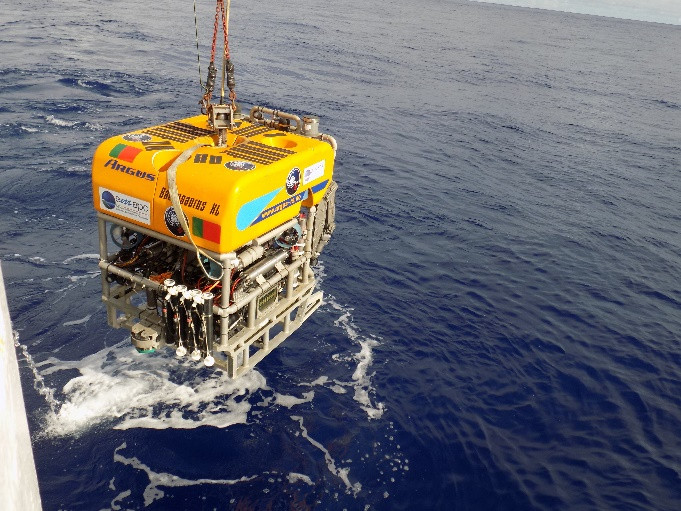 BIOMETORE 2015
 to the Great Meteor Complex seamounts
BIOMETORE 2015
BIOMETORE 2015 to the Great Meteor Complex seamounts
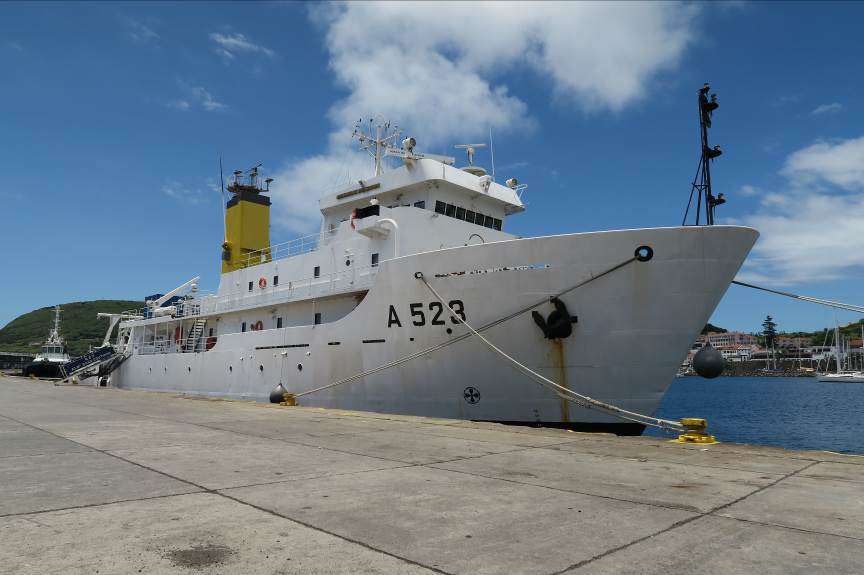 Blue Azores 2018
Blue Azores Program: Expedition 2018
Blue Azores 2018
Blue Azores Program: Expedition 2018
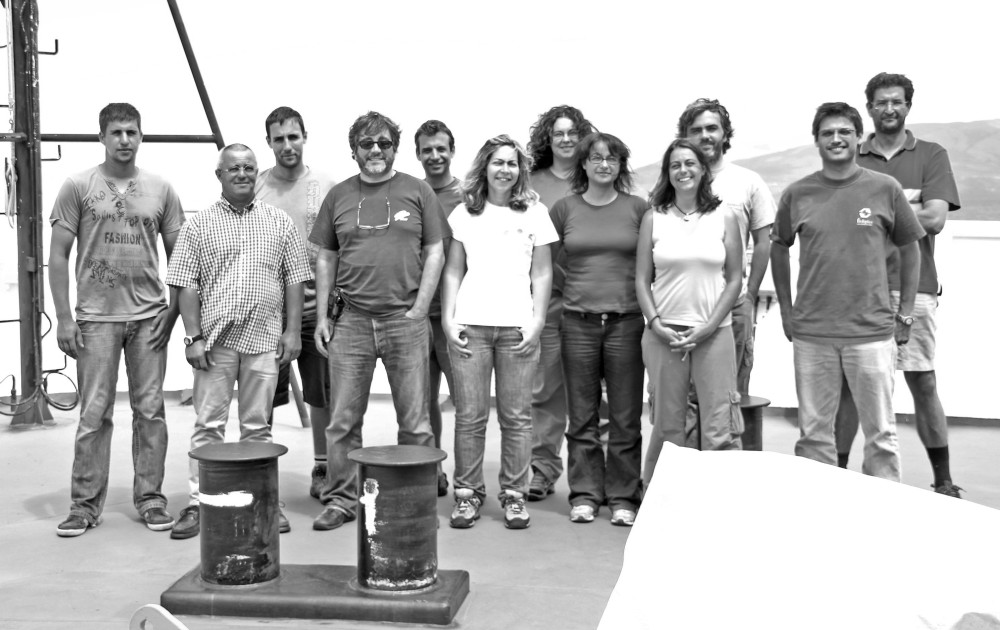 CoralFISH 2010
CoralFish cruise to Condor, Voador and Banco Açores 2010
CoralFISH 2010
CoralFish cruise to Condor, Voador and Banco Açores 2010
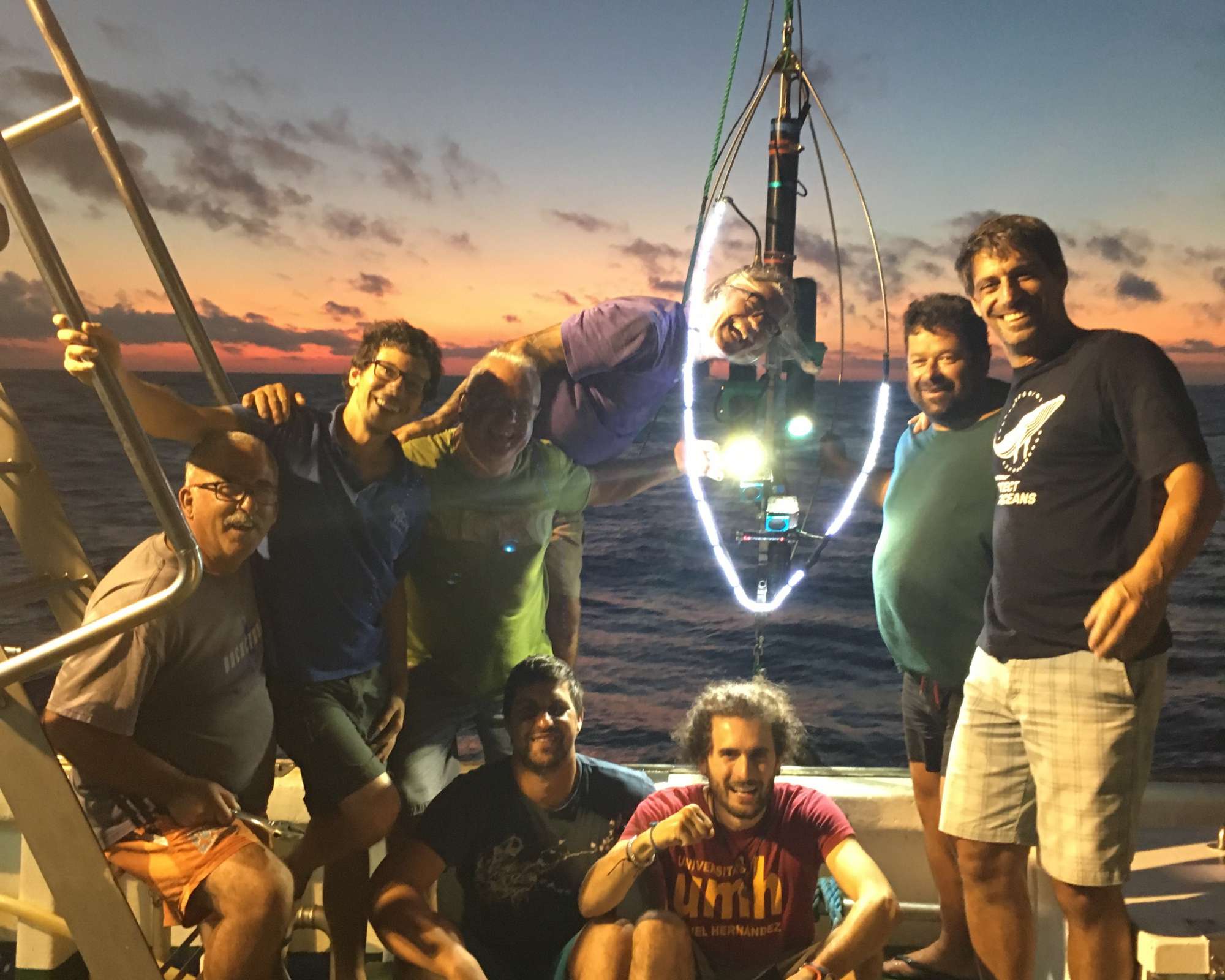 MapGES 2019
Mapping deep-sea biodiversity and “Good Environmental Status” in the Azores
MapGES 2019
Mapping deep-sea biodiversity and “Good Environmental Status” in the Azores
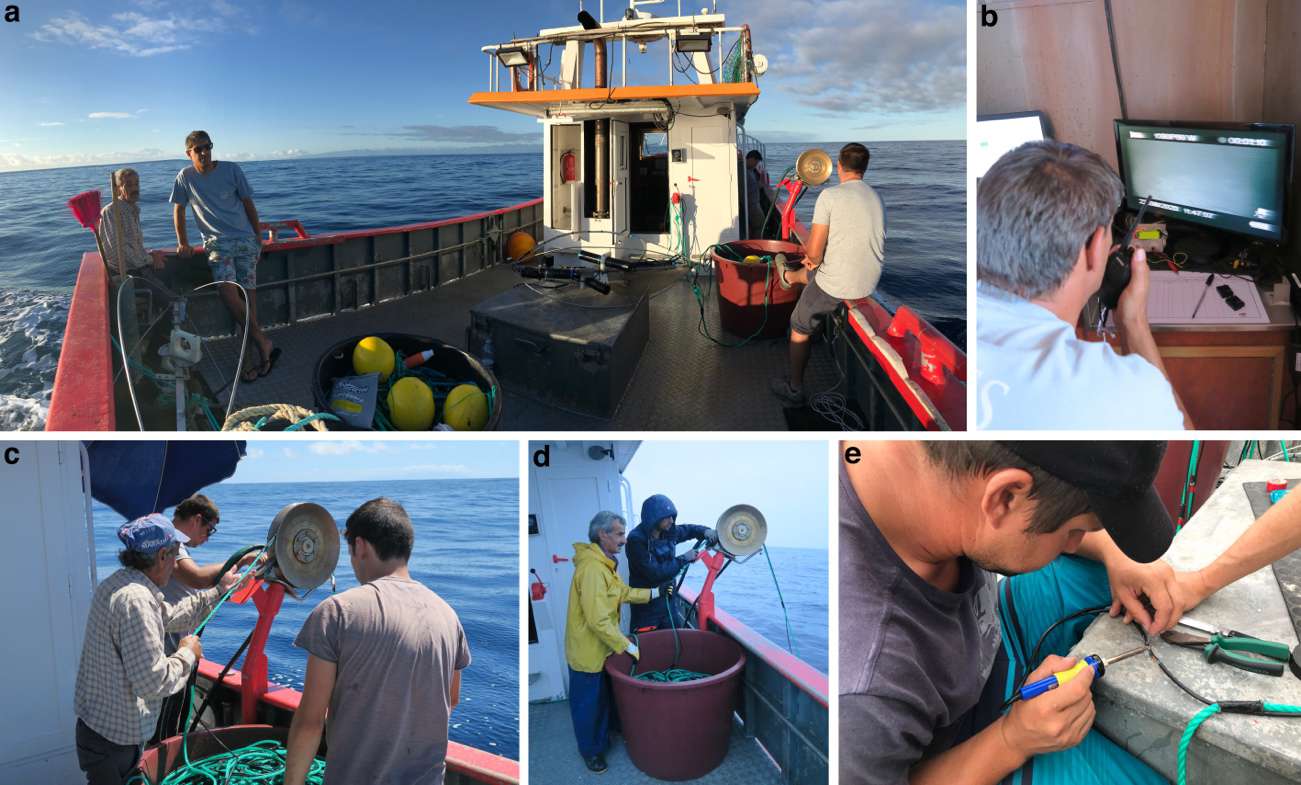 MapGES 2020
Mapping deep-sea biodiversity and “Good Environmental Status” in the Azores
MapGES 2020
Mapping deep-sea biodiversity and “Good Environmental Status” in the Azores
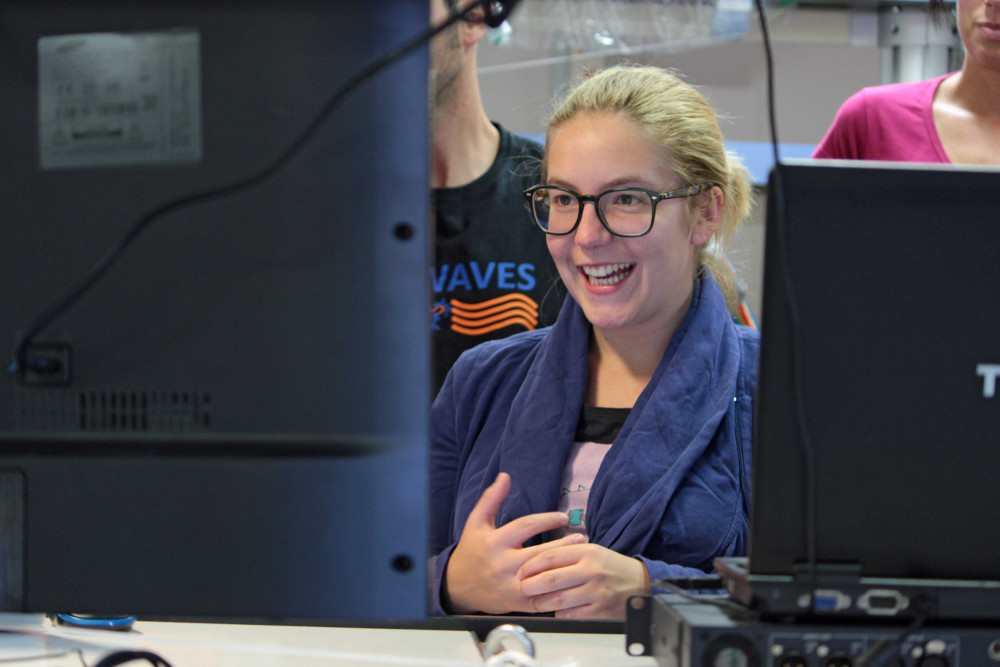 MedWaves 2016
MEDiterranean out flow WAter and Vulnerable EcosystemS
MedWaves 2016
MEDiterranean out flow WAter and Vulnerable EcosystemS
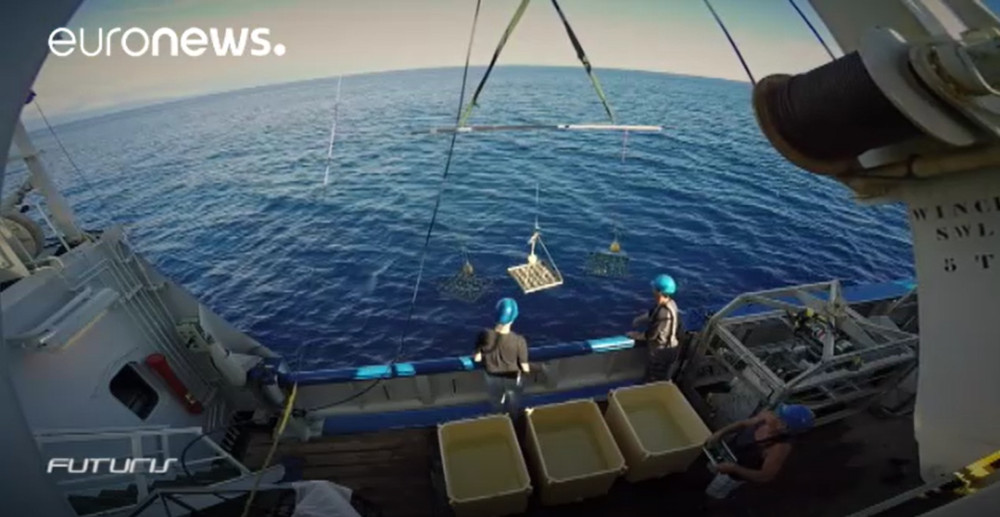 MIDAS 2016
Investigation of Field Protocols for Deep Sea Mining Monitoring and Environmental Impact Assessment
MIDAS 2016
Investigation of Field Protocols for Deep Sea Mining Monitoring and Environmental Impact Assessment
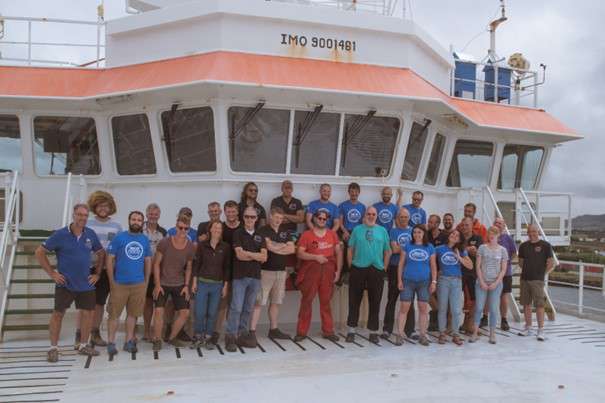 NICO Leg 12 2018
RV Pelagia cruise 64PE441: Rainbow hydrothermal vent, southern MAR, and Terceira 2018
NICO Leg 12 2018
RV Pelagia cruise 64PE441: Rainbow hydrothermal vent, southern MAR, and Terceira 2018
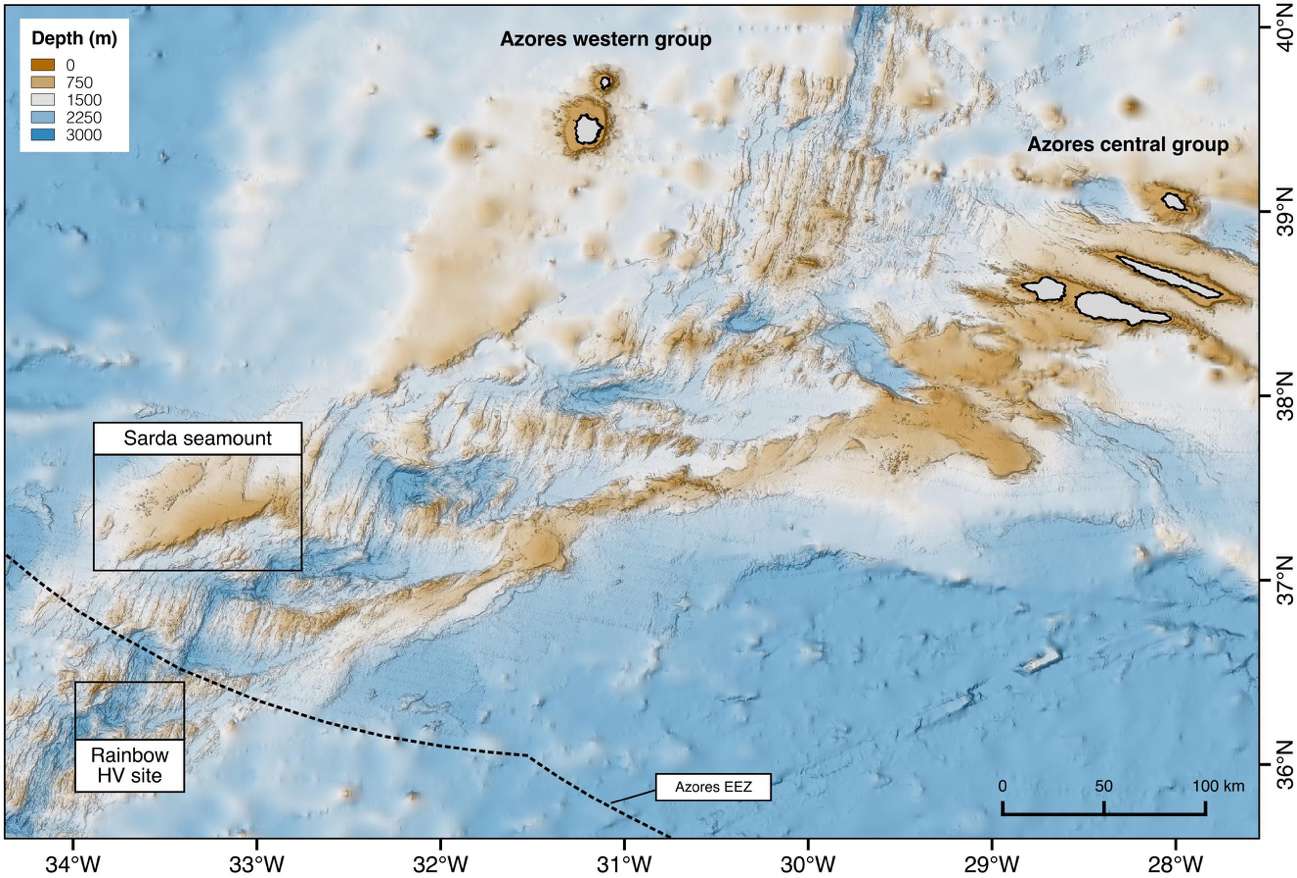 Rainbow 2019
RV Pelagia cruise 64PE454: Rainbow hydrothermal vent and southern MAR 2019
Rainbow 2019
RV Pelagia cruise 64PE454: Rainbow hydrothermal vent and southern MAR 2019
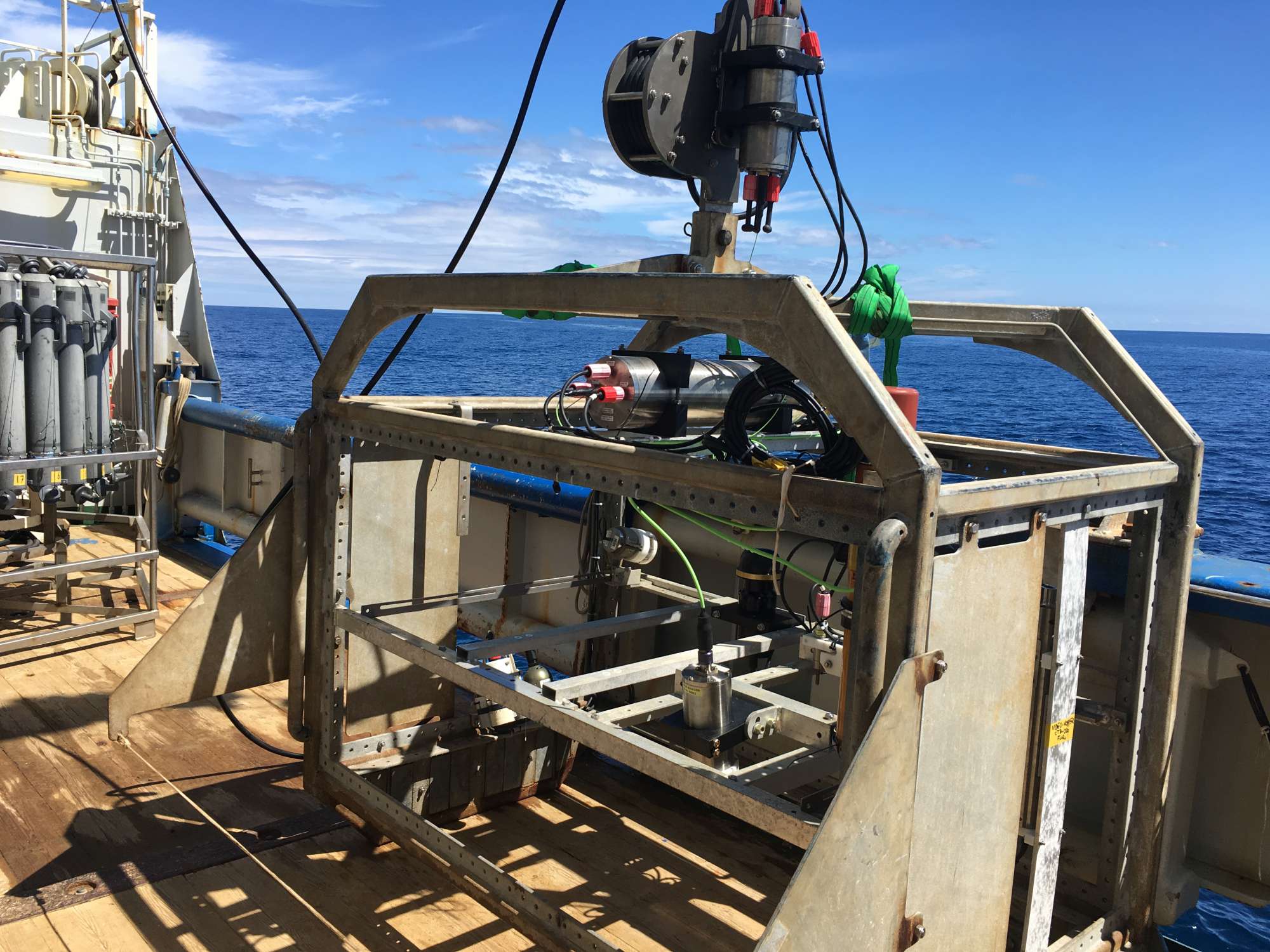 Terceira 2019
RV Pelagia cruise 64PE456: Terceira Island 2019
Terceira 2019
RV Pelagia cruise 64PE456: Terceira Island 2019
MIDAS Gallery








Location
Departamento de Oceanografia e Pescas — Universidade dos Açores
Rua Prof. Doutor Frederico Machado, No. 4
9901-862 Horta, Portugal
Contact
Email: azoresdeepsea@gmail.com

AZORES DEEP-SEA RESEARCH © 2020-2026 — RELEASE 2.1
 VALTER MEDEIROS