AZORES
DEEP-SEA RESEARCH © CRUISES
Stations
MapGES 2019
Loading…
MapGES 2019
Mapping deep-sea biodiversity and “Good Environmental Status” in the Azores
MapGES 2019
Loading cruise data…
Mapping deep-sea biodiversity and “Good Environmental Status” in the Azores
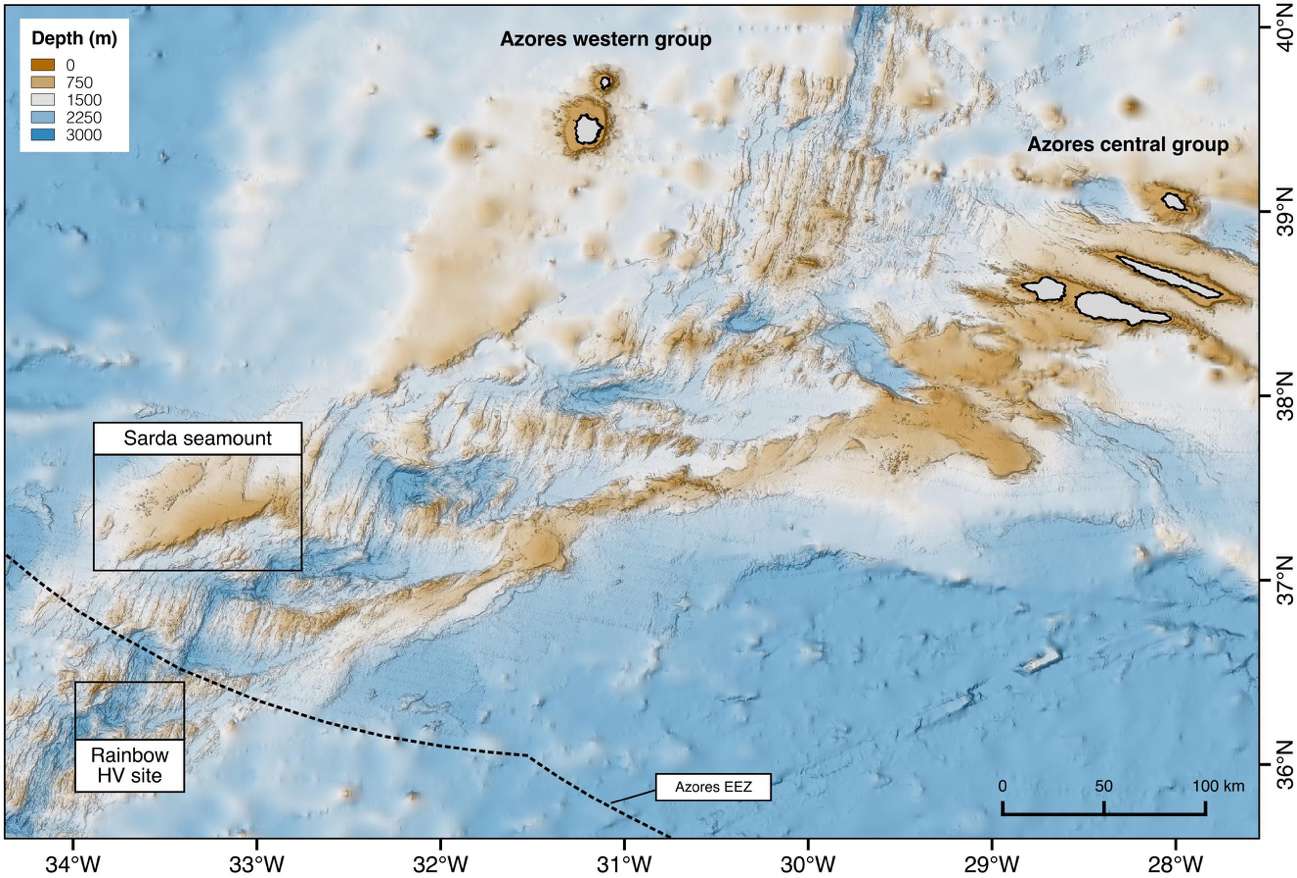
Location: Southern Mid-Atlantic Ridge and Faial (Azores EEZ)
Year: 2019
158 stations
155 dives
3070 km transits
8 areas visited
Summary
Mapping deep-sea biodiversity and “Good Environmental Status” in the Azores
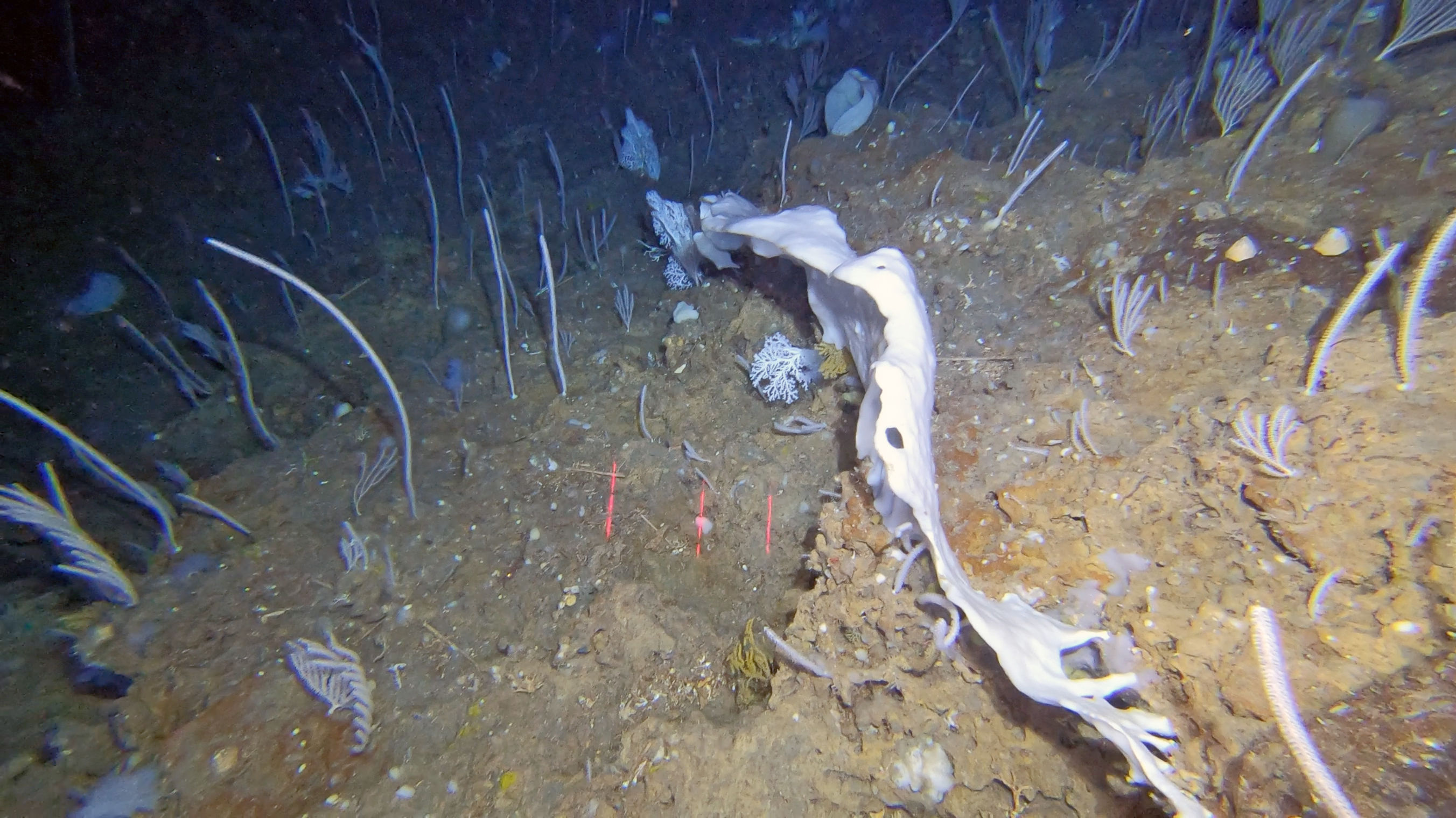
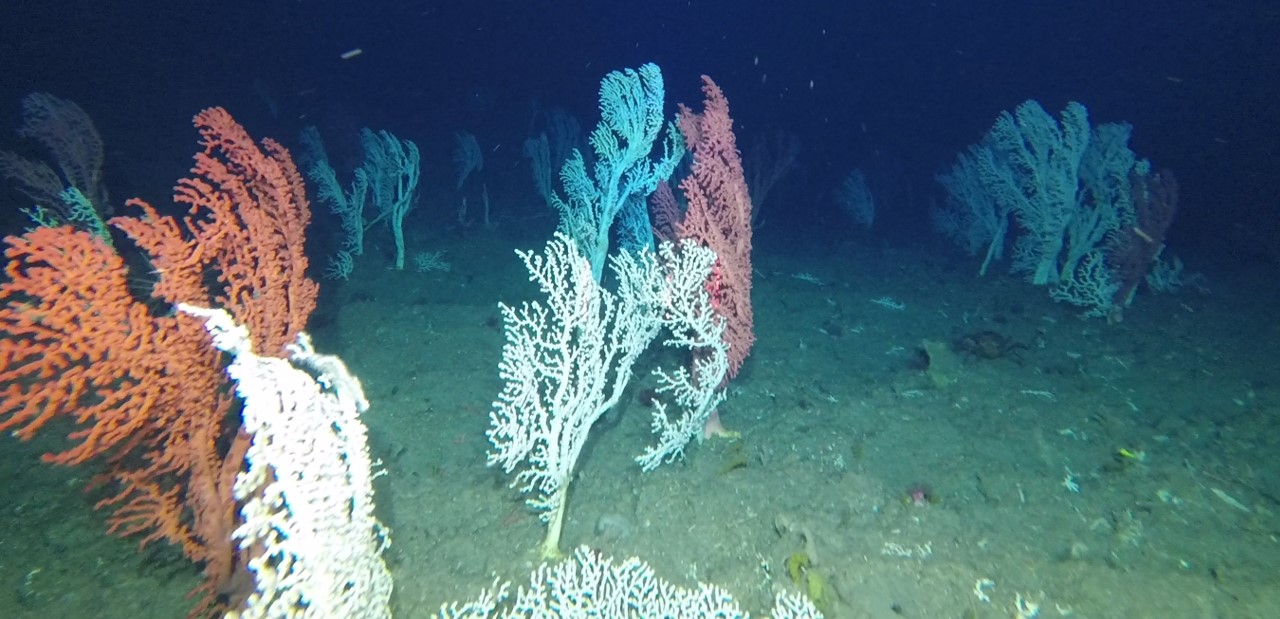
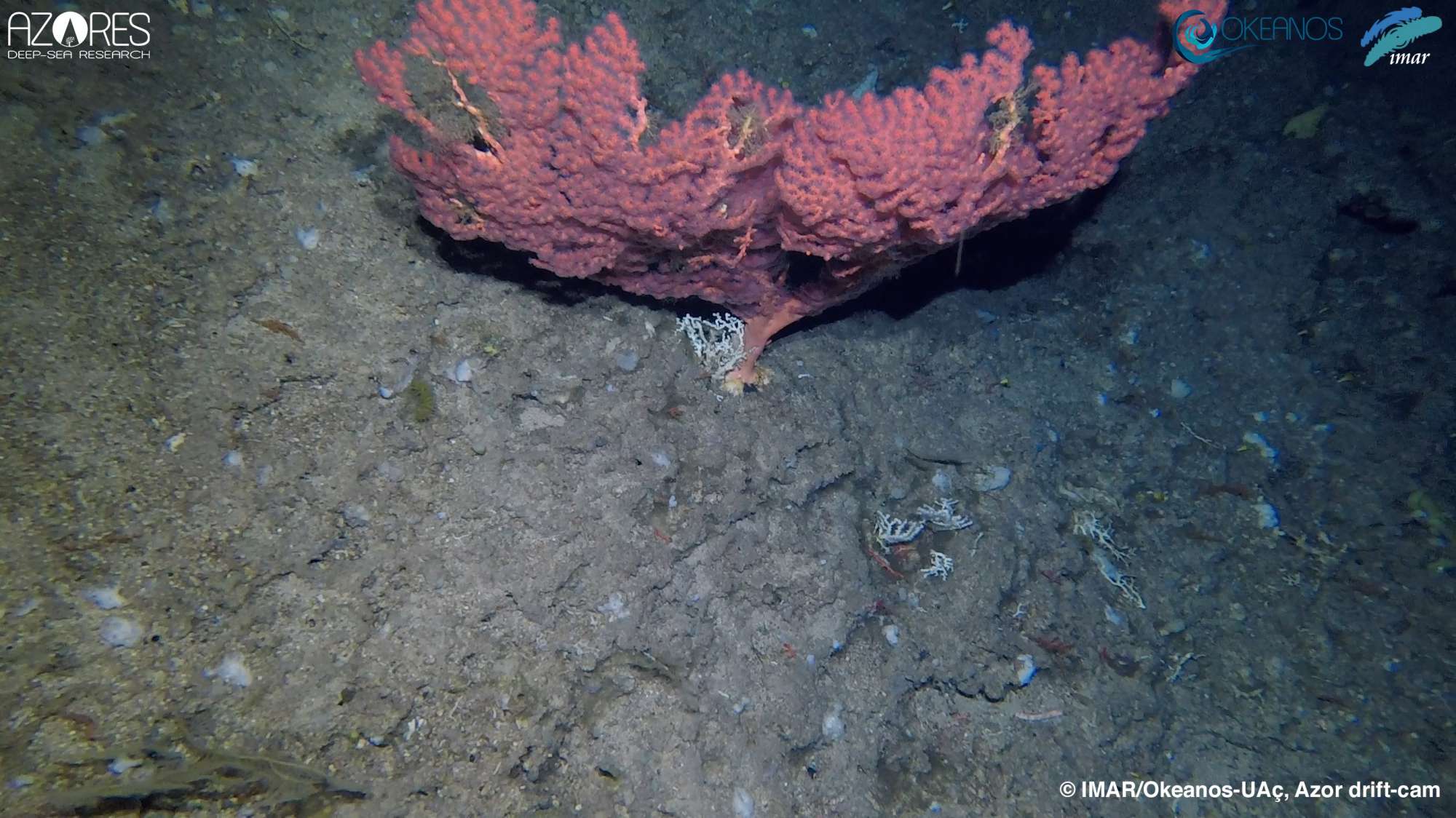
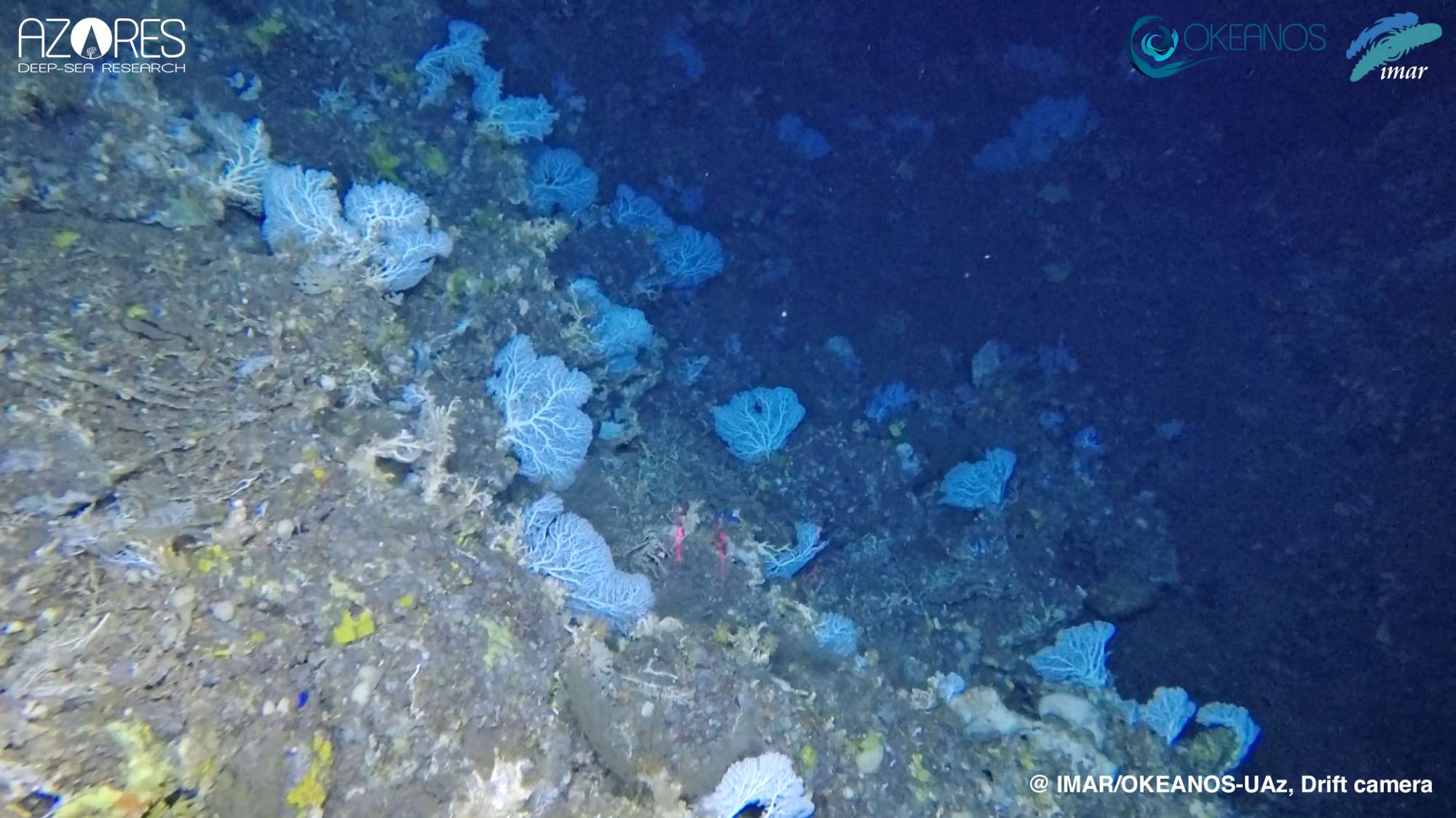
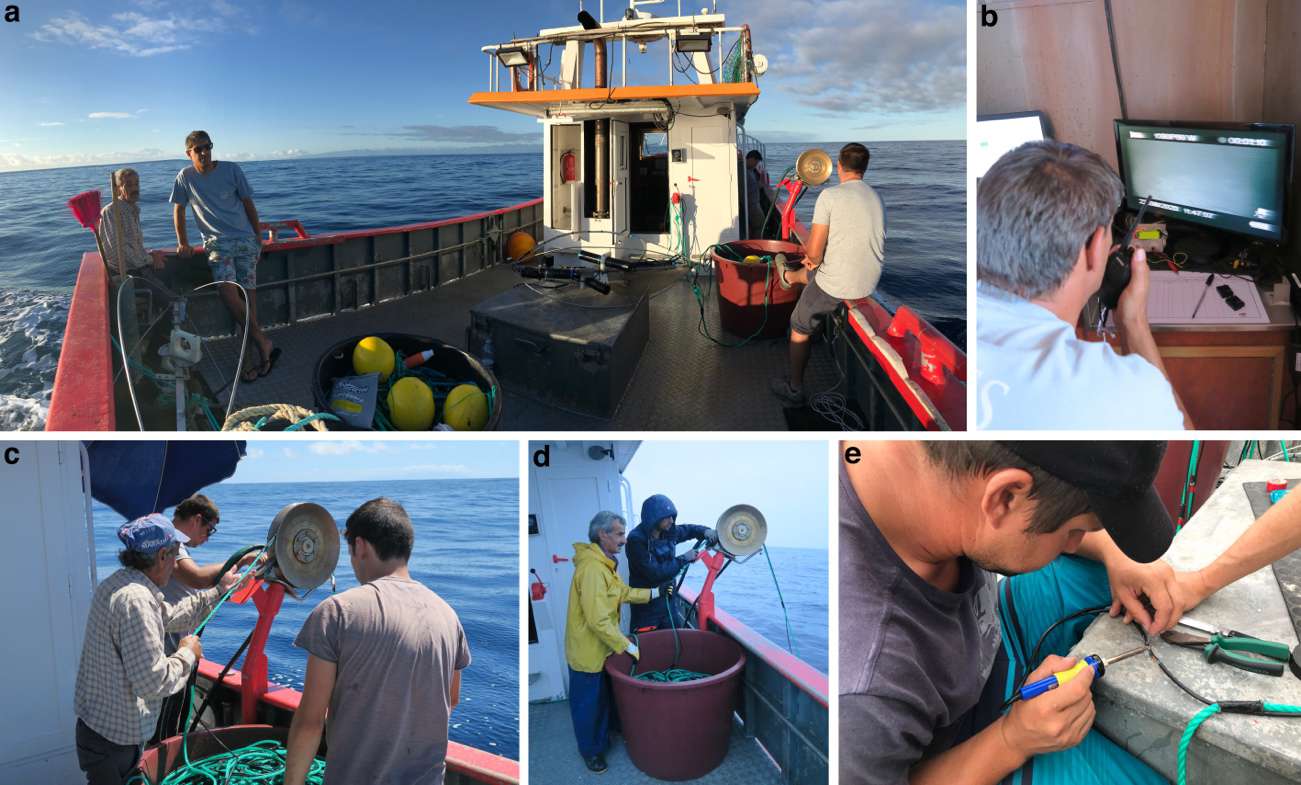
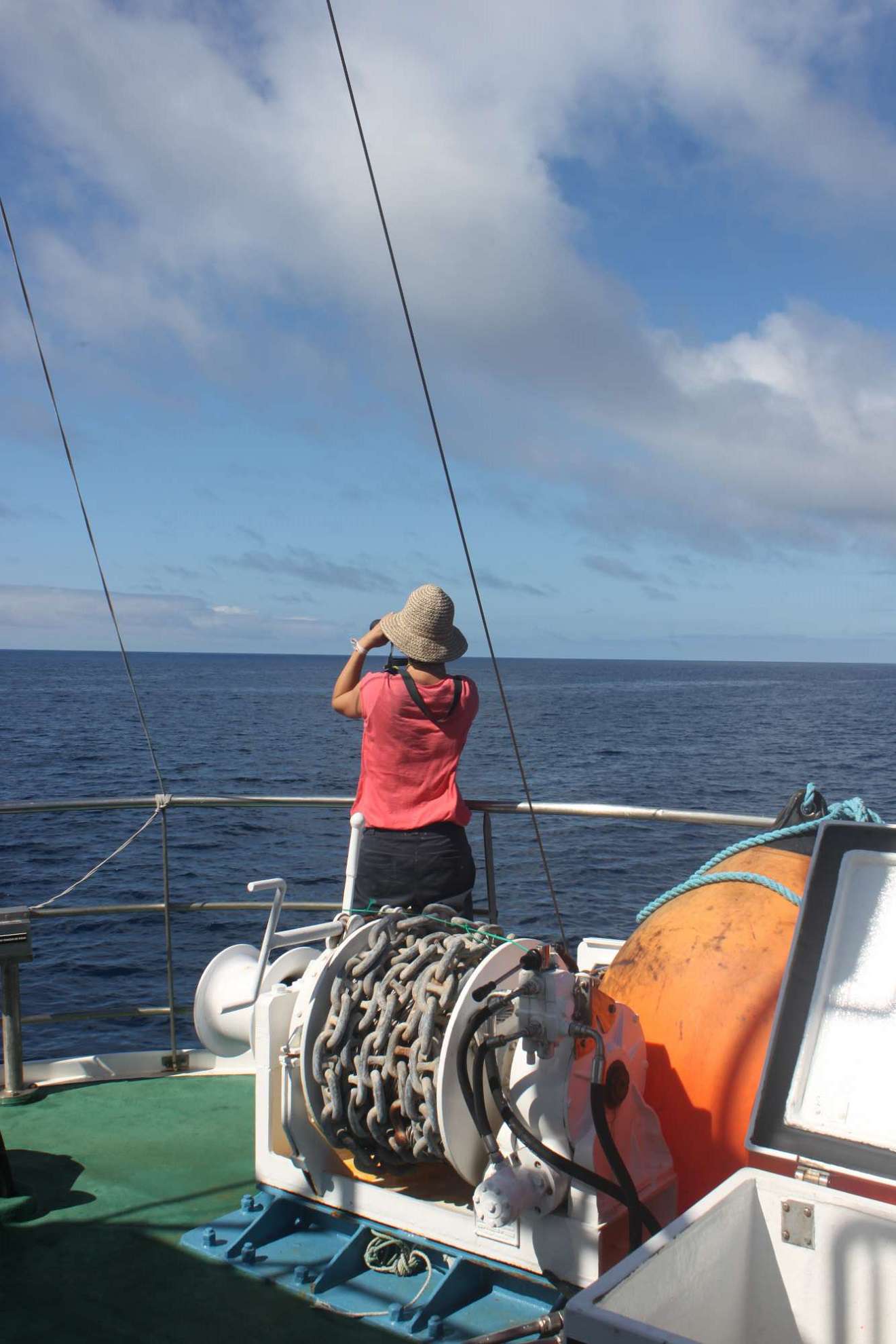
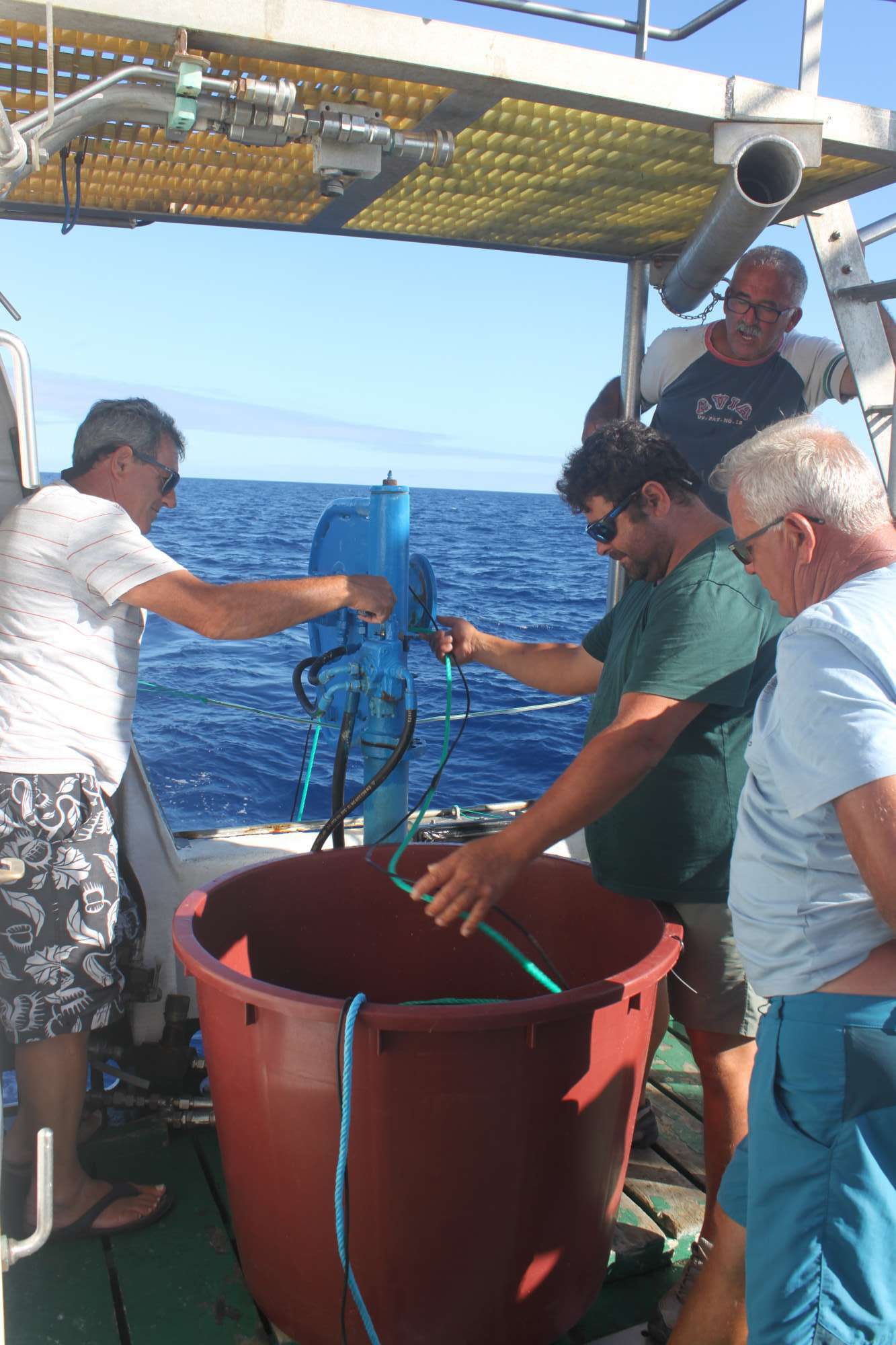
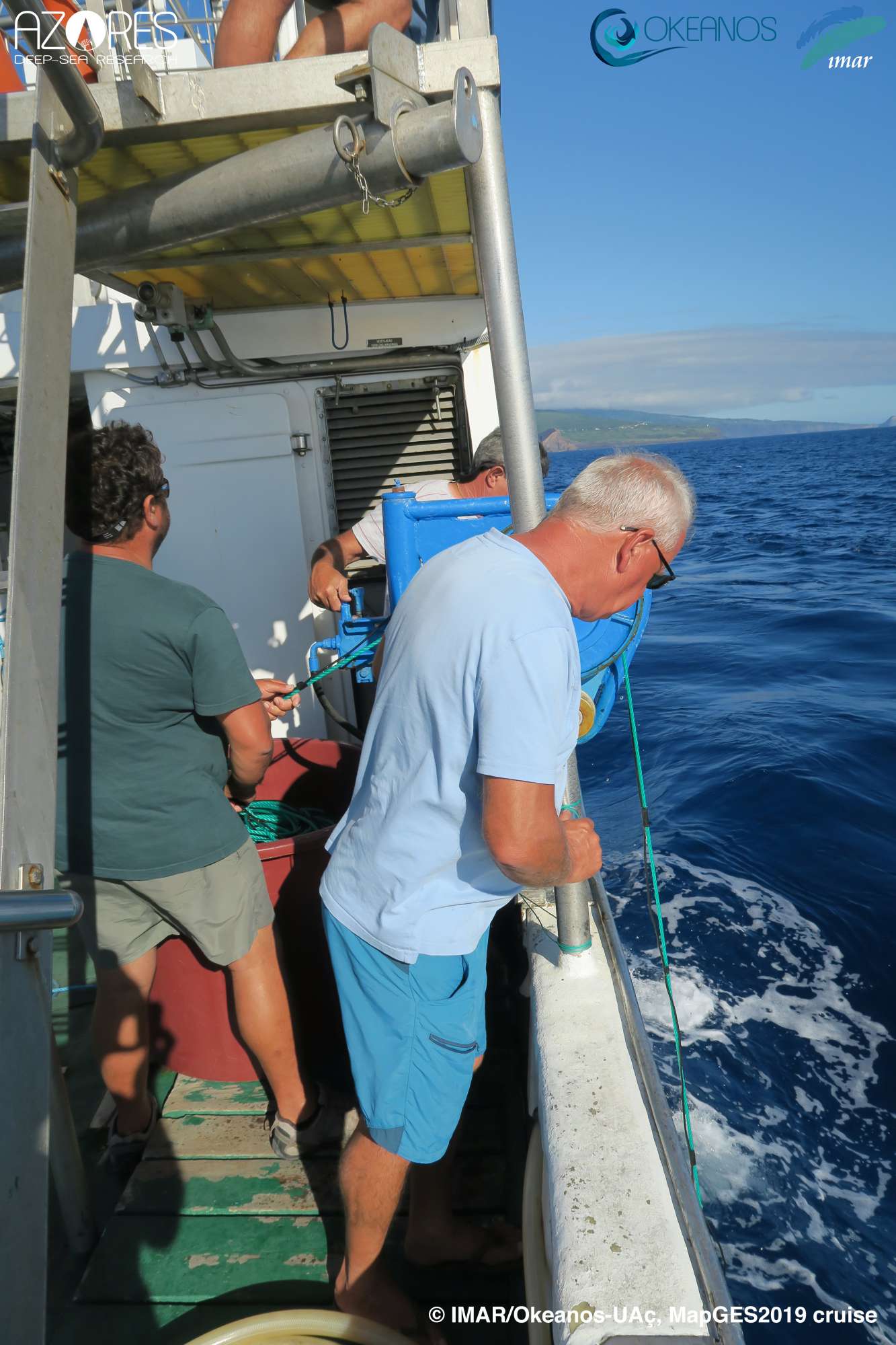
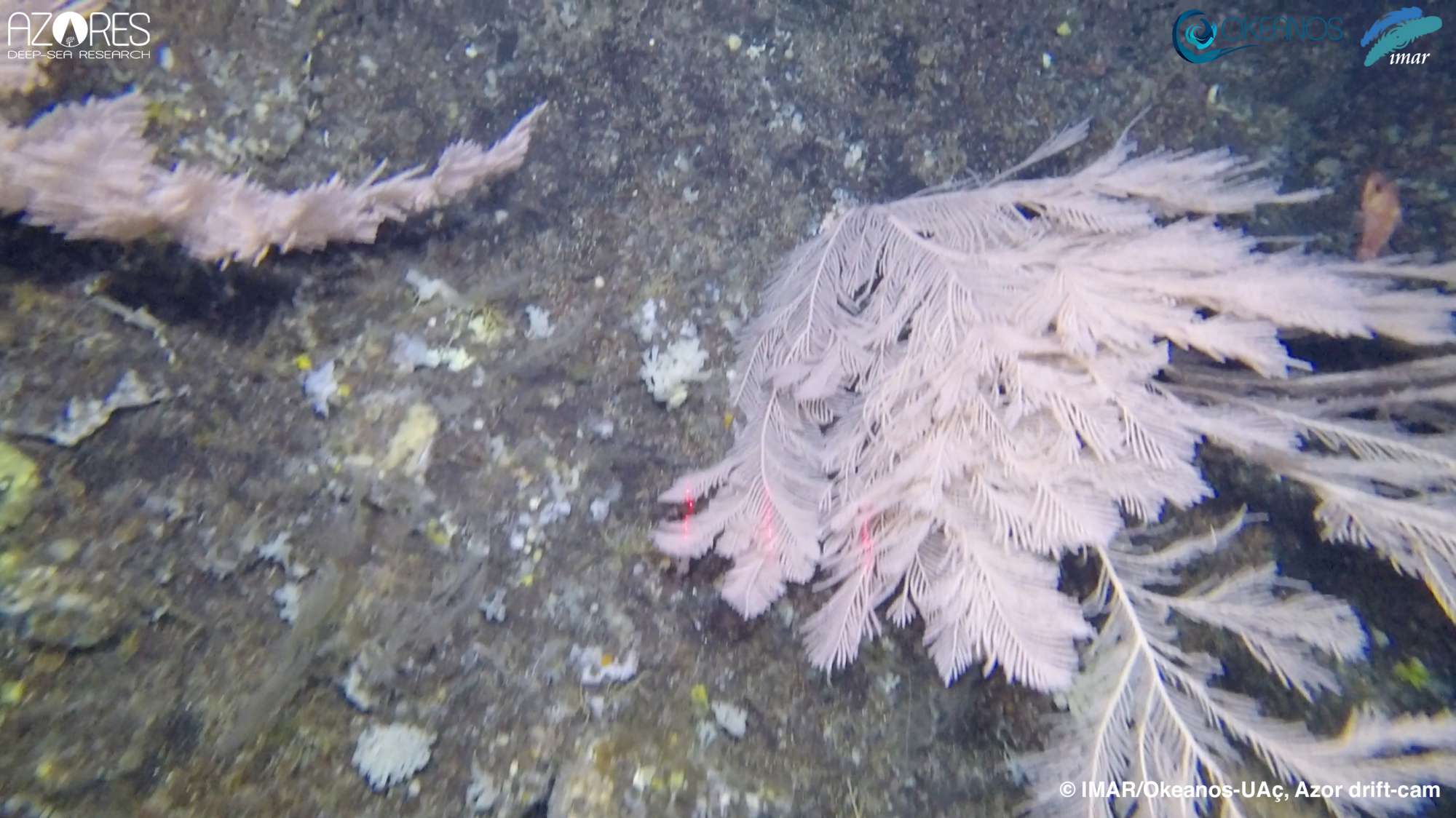
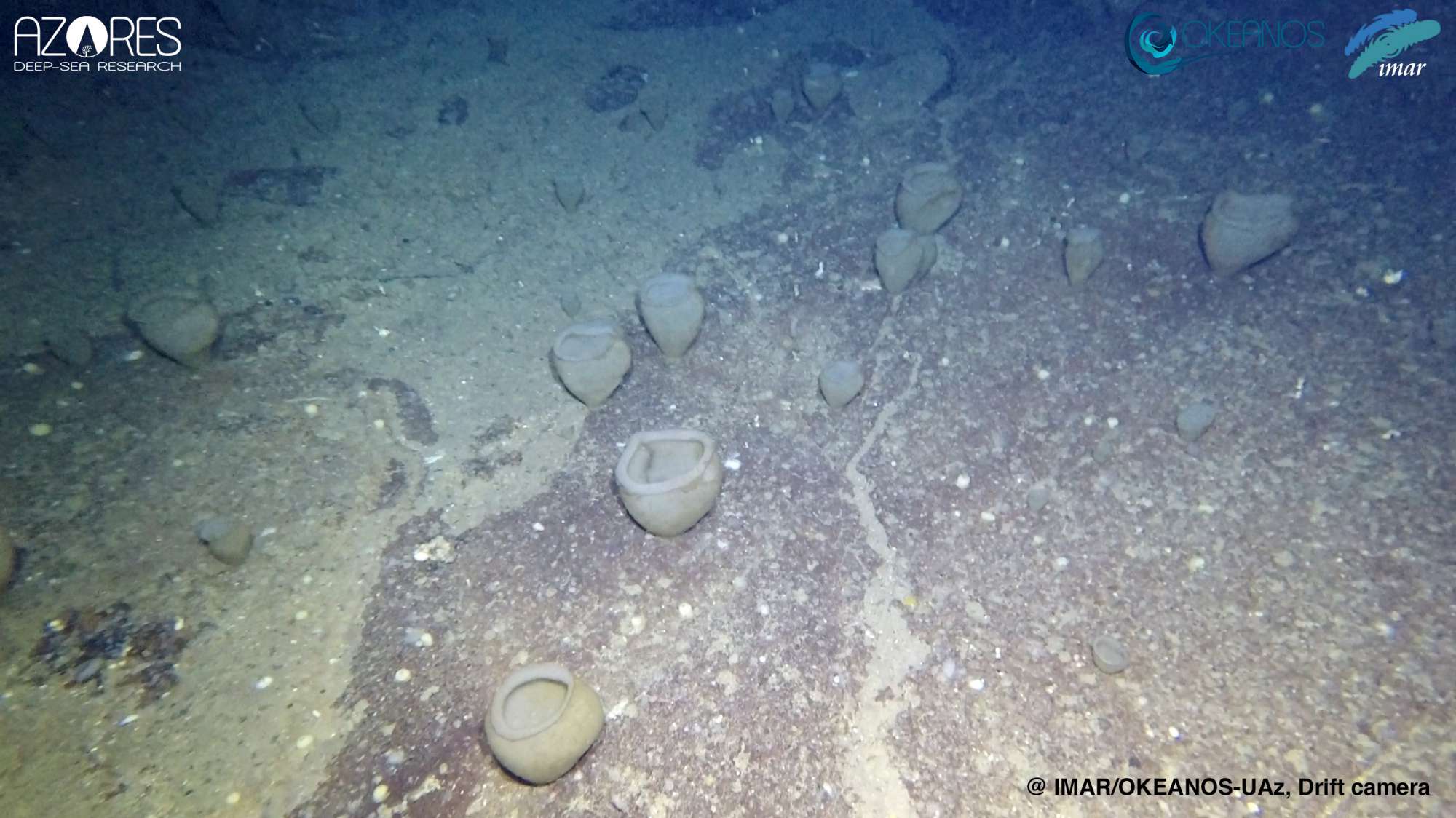
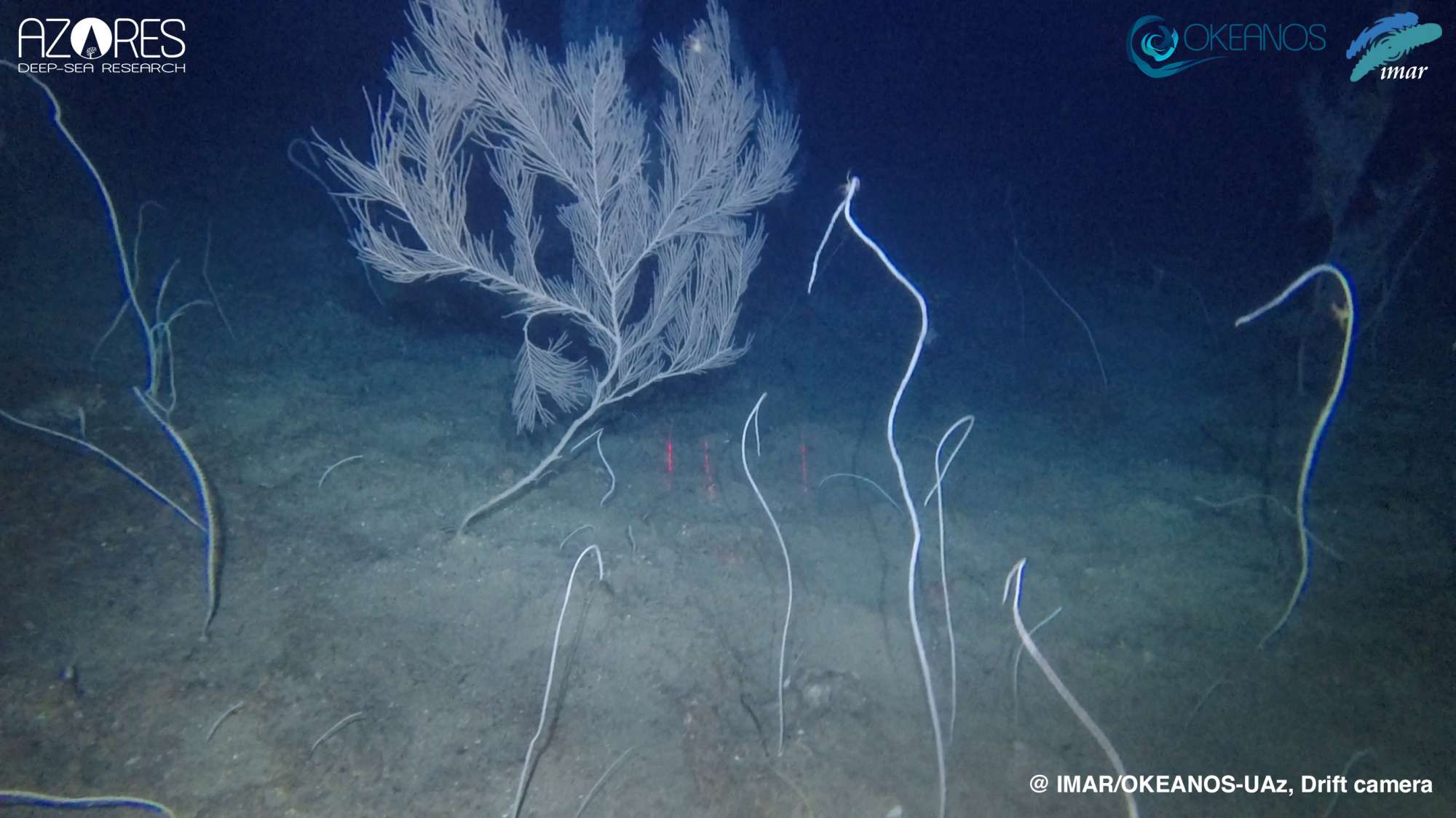
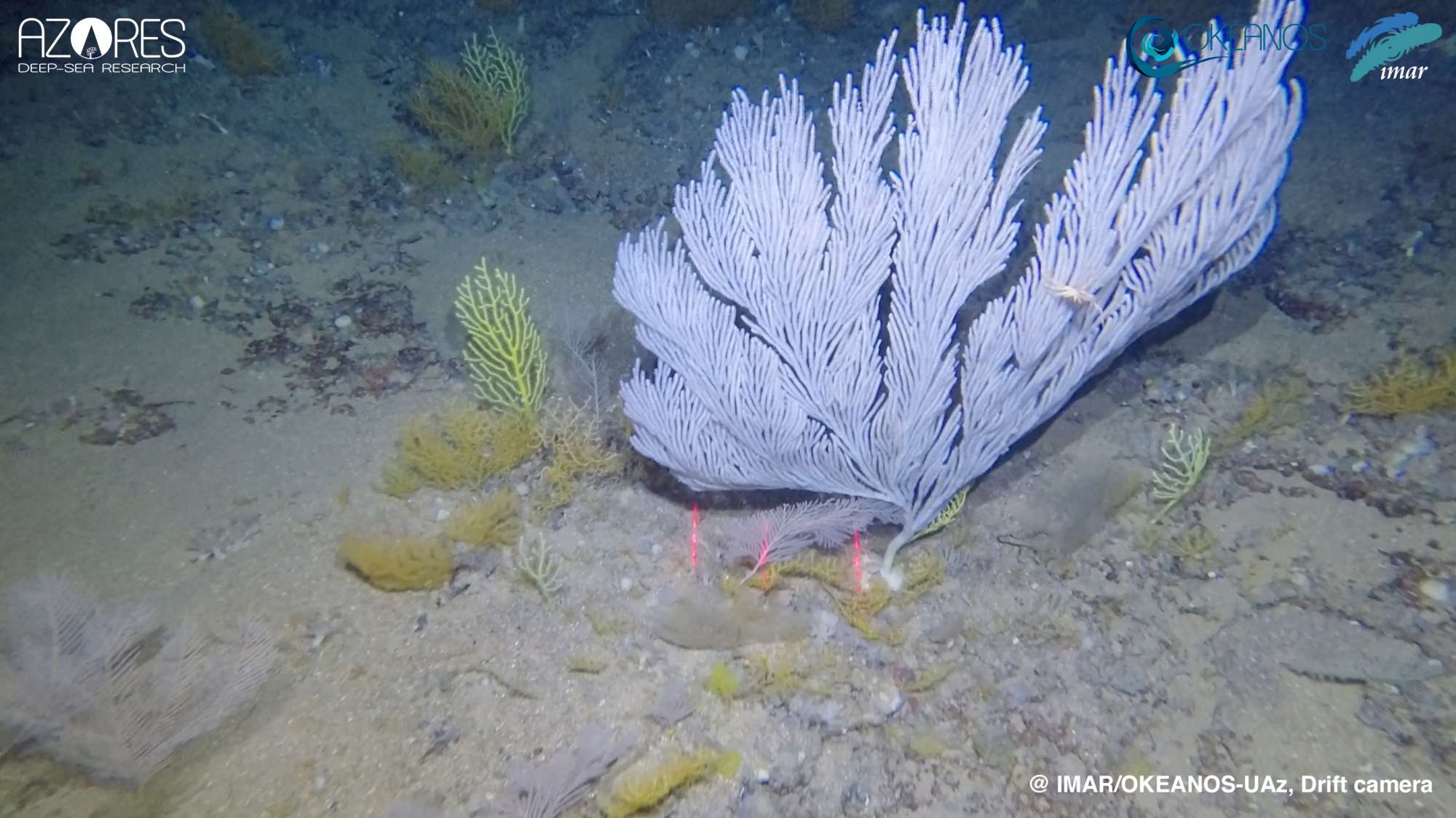
The MapGES 2019 cruise spanned a total of 21 effective days of work at sea, in which 8 different areas were explored with the Azor drift-cam system. A total of 155 deployments were made throughout the whole cruise, which add up to more than 109 hours of bottom time. The number of dives performed in each area was based on the size of the seamounts to be explored, the meteorological conditions and the ecological significance of the communities found. Overall, more than 80 linear km of seabed were investigated, ranging from 6 km explored in Capelinhos to more than 16 km in the Cavala, Beta, Ferradura and A6 seamount complex. The average dive length was 550 m, with 16 dives covering more than 1 linear km of seabed. Such long dives provide an idea of the great capacity of the drift-cam system to easily explore deep-sea areas when sea conditions are favourable. The system got caught a total of 7 times in fishing lines throughout the cruise but came back to the surface in perfect conditions in all cases.
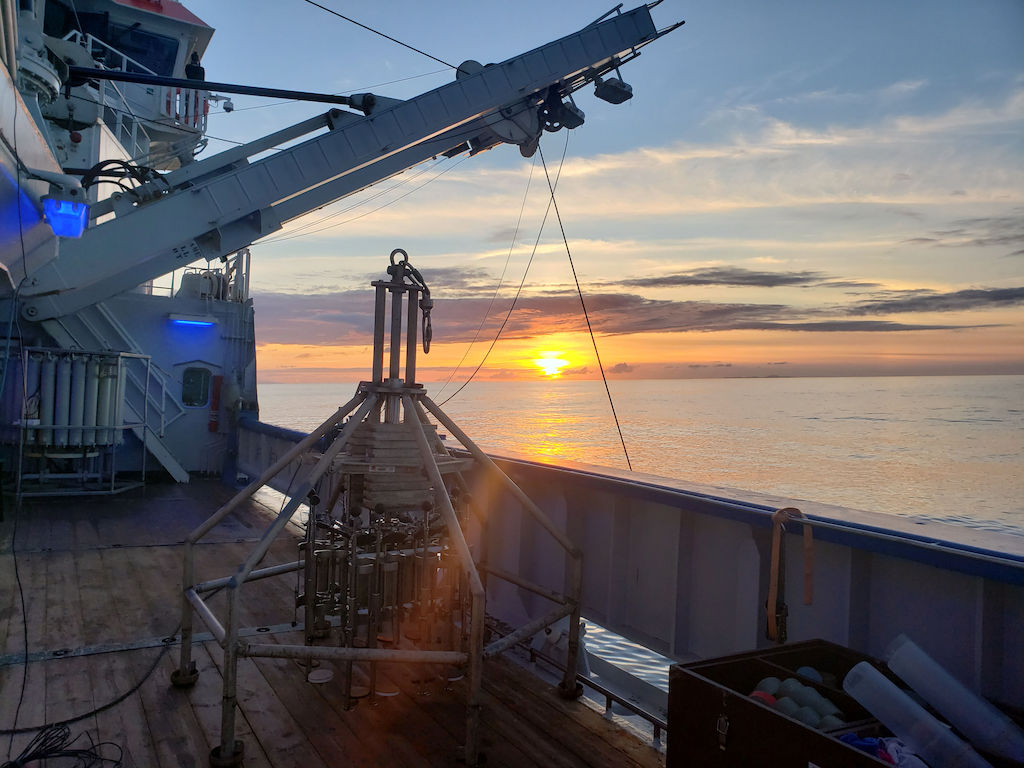
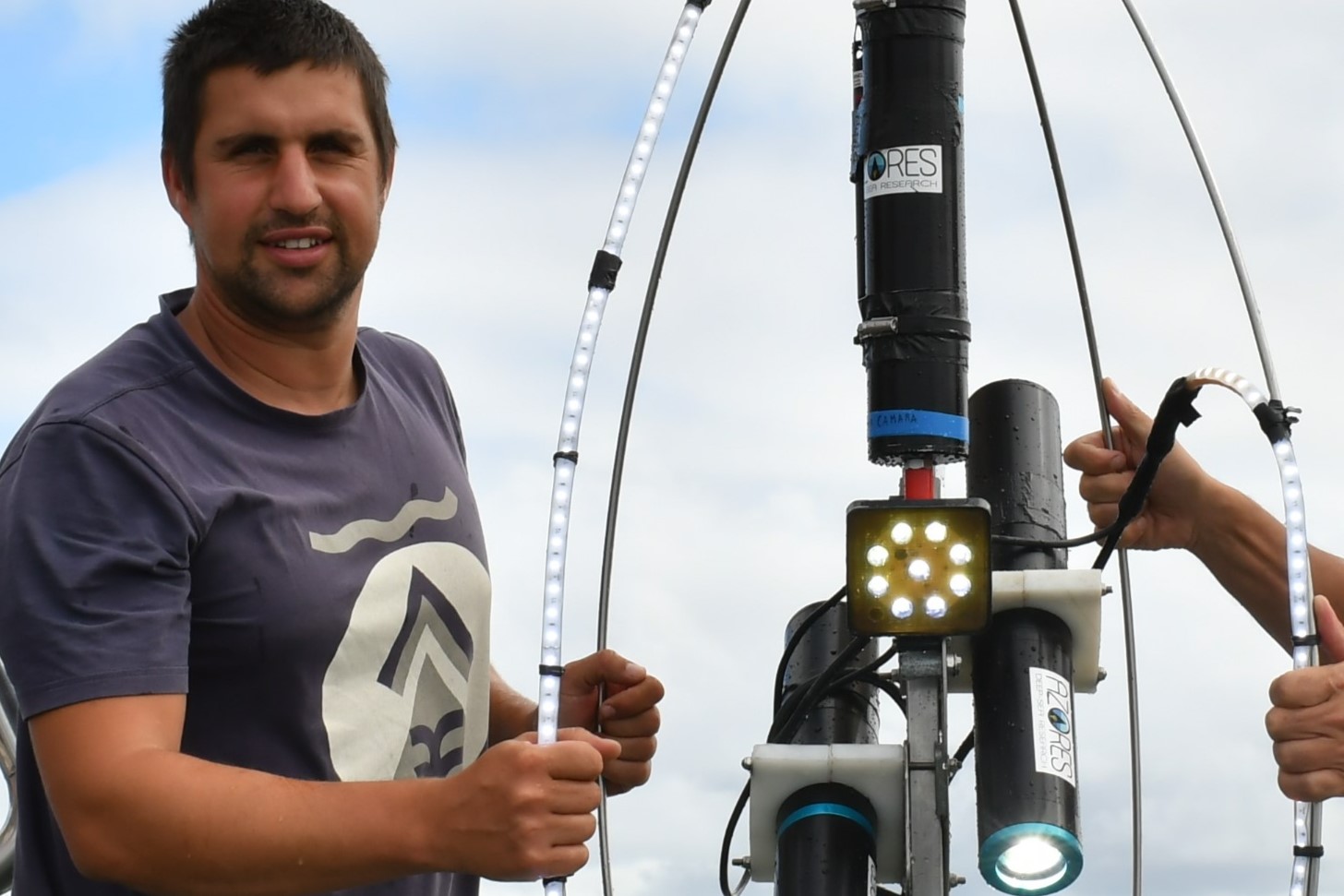
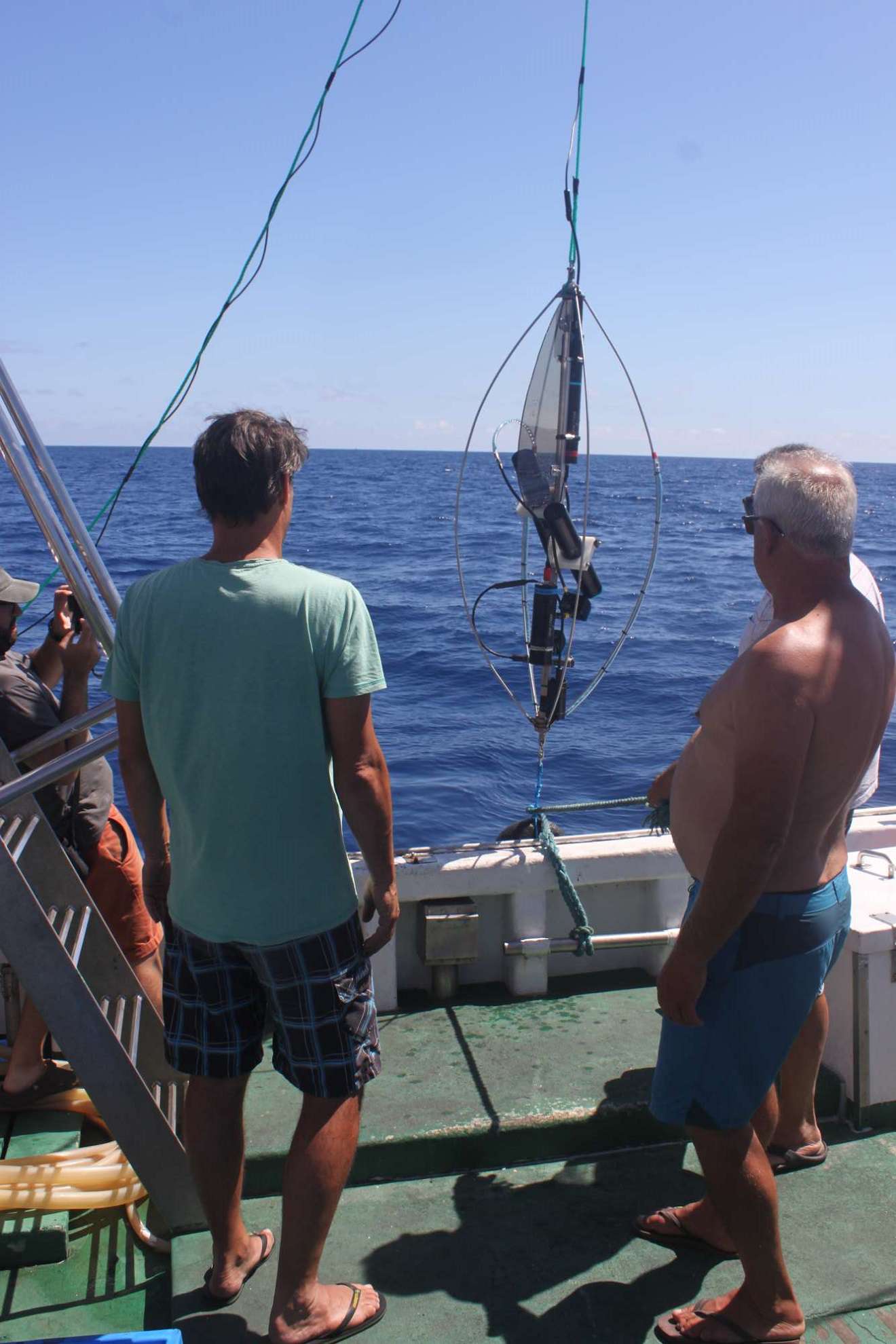
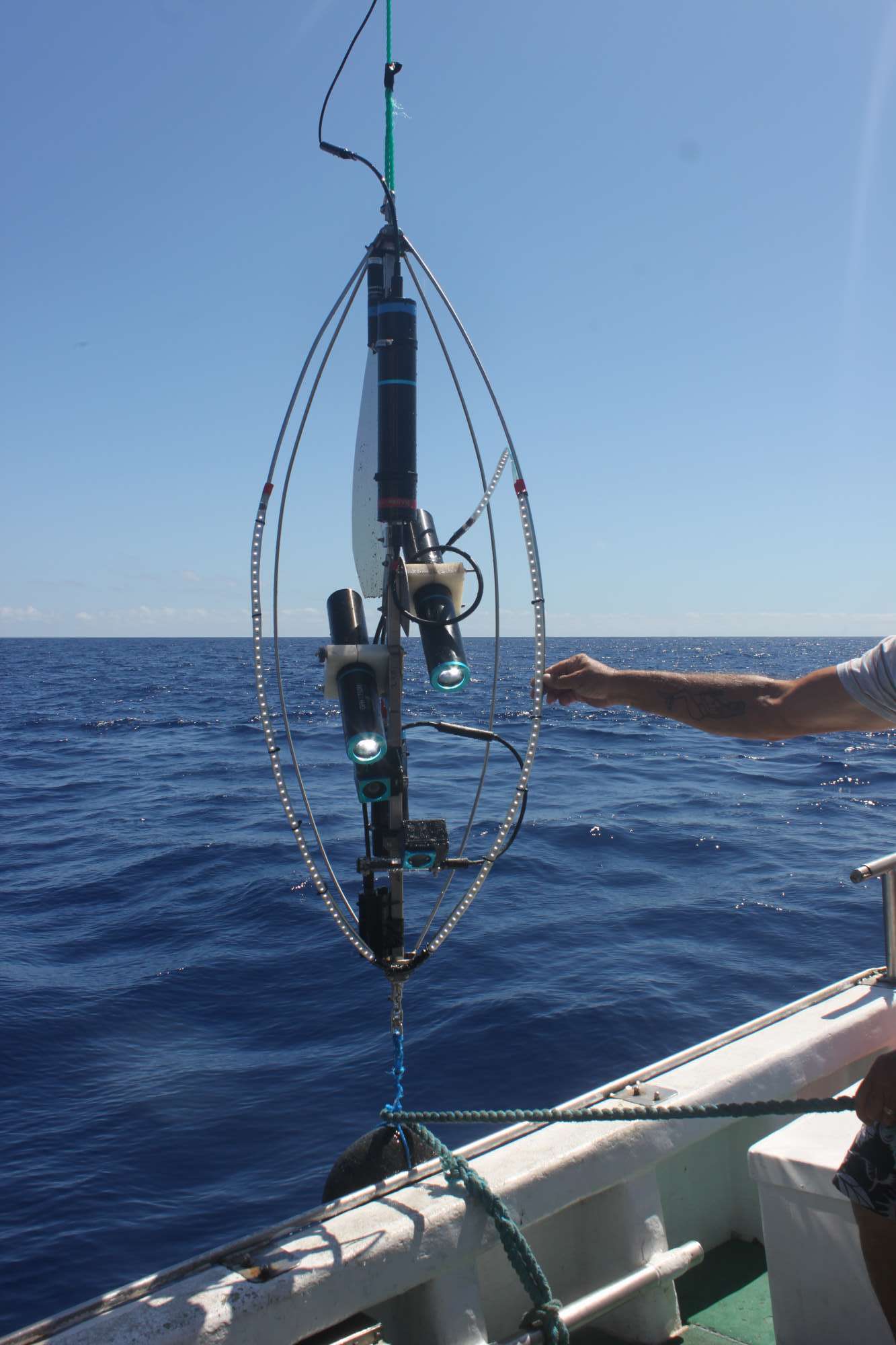
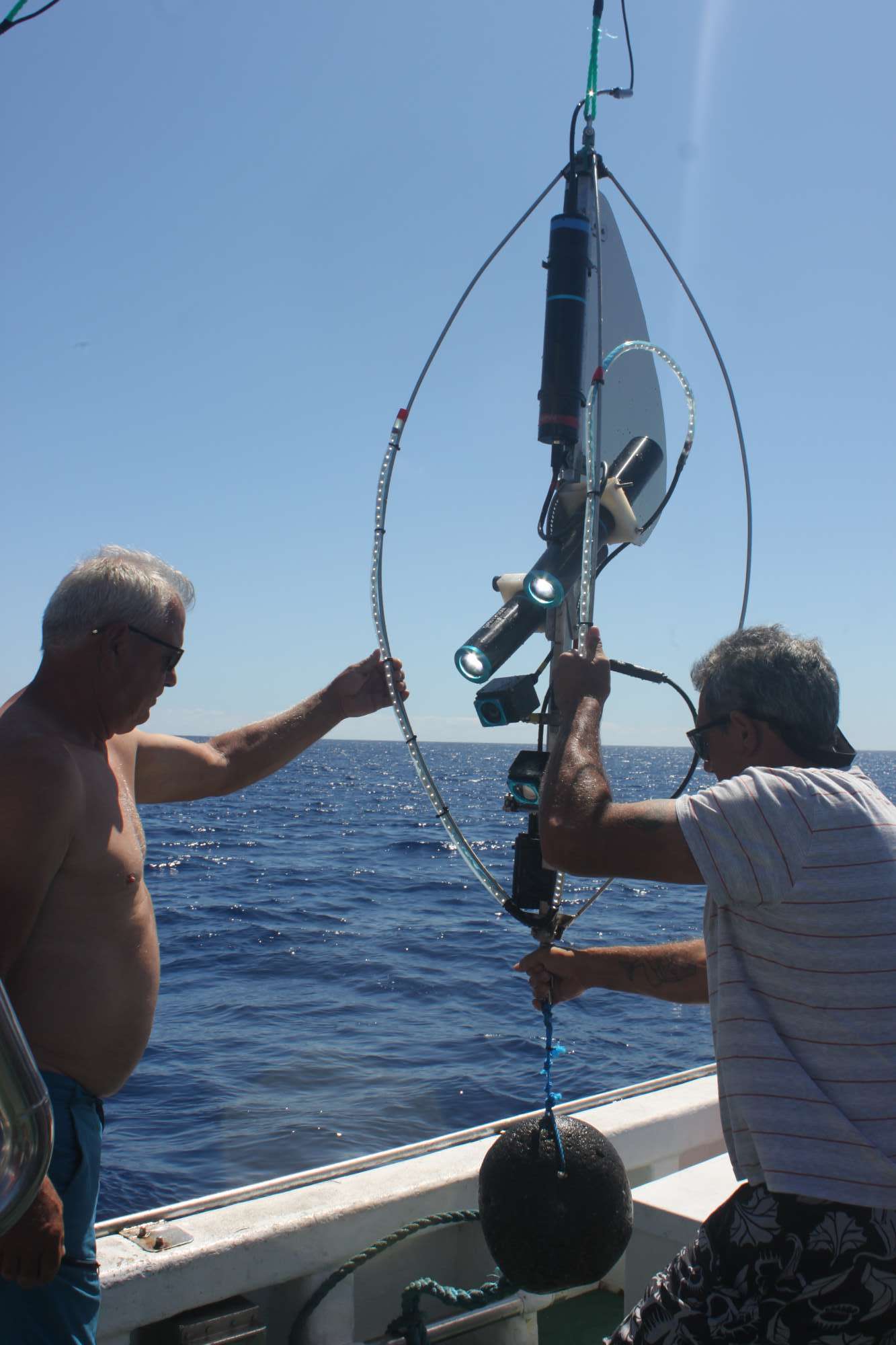
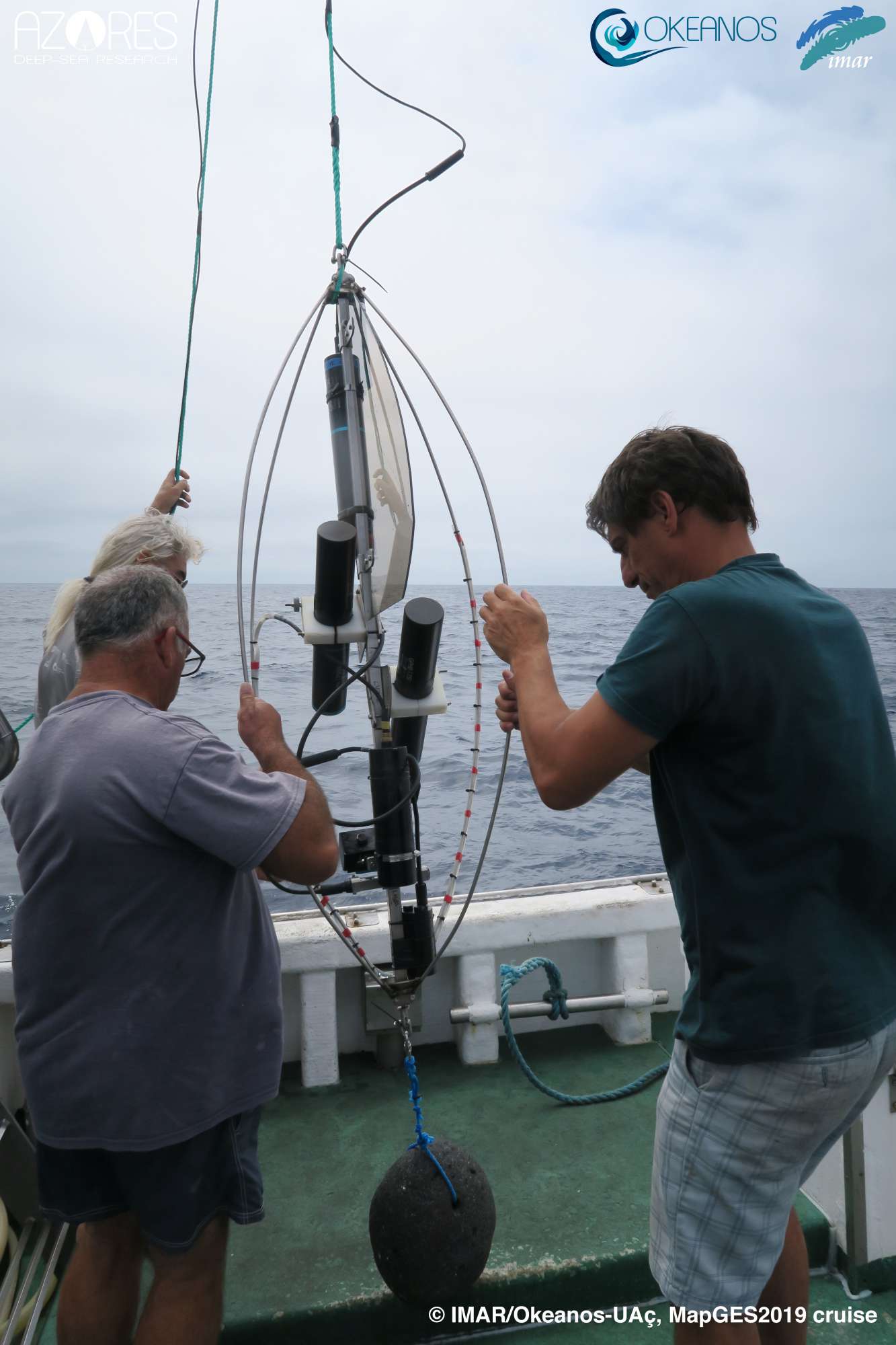
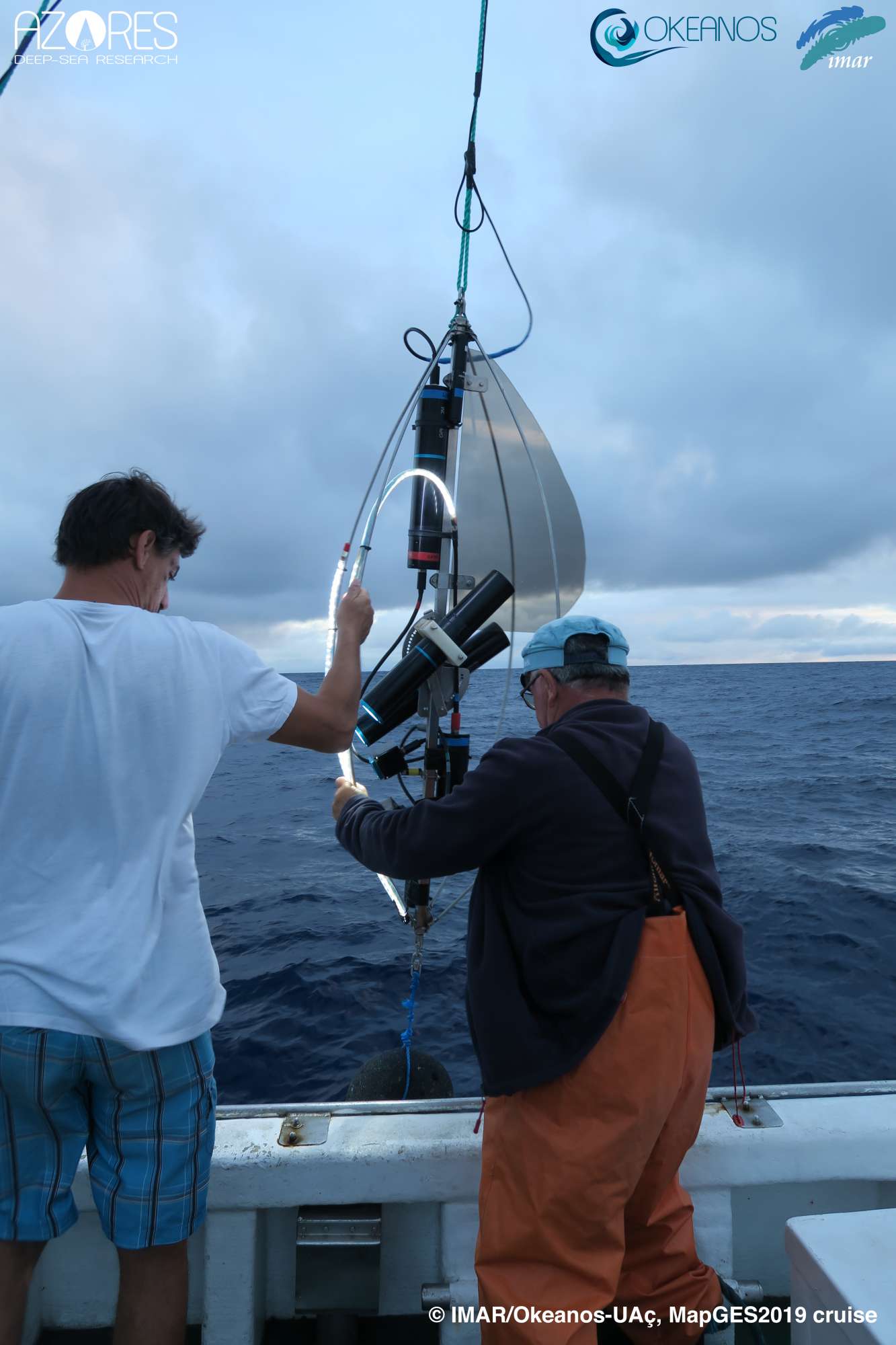
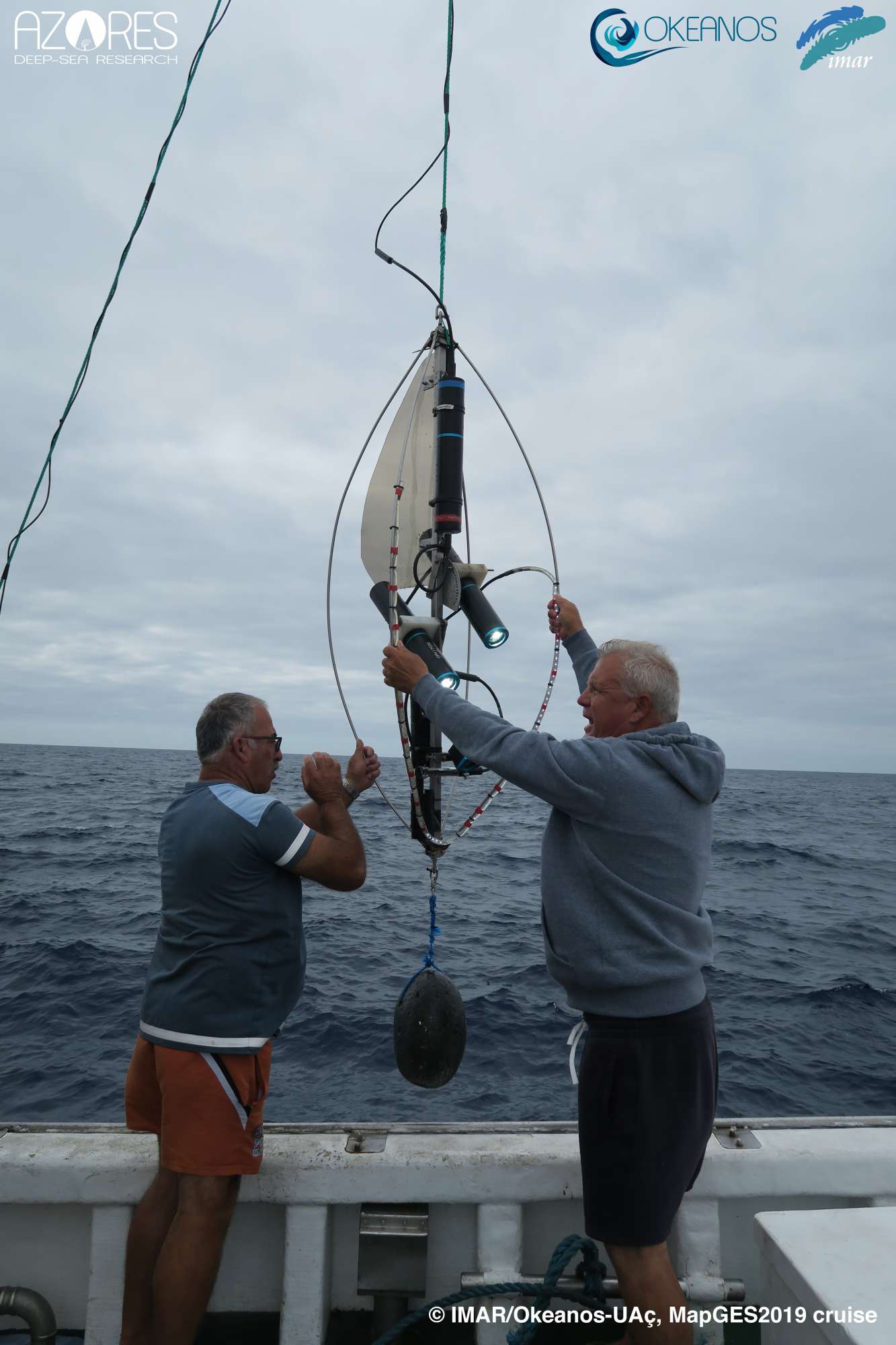
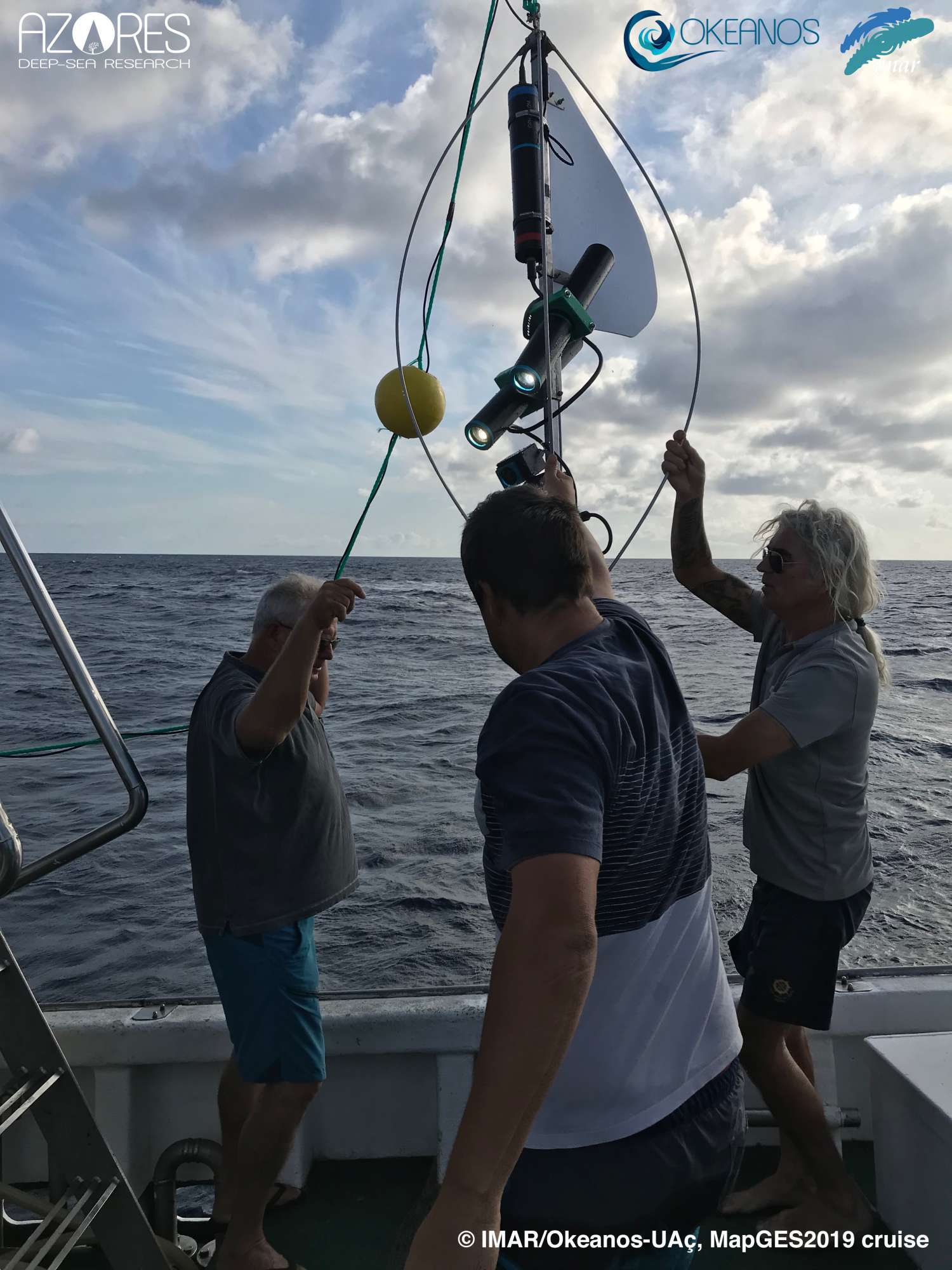
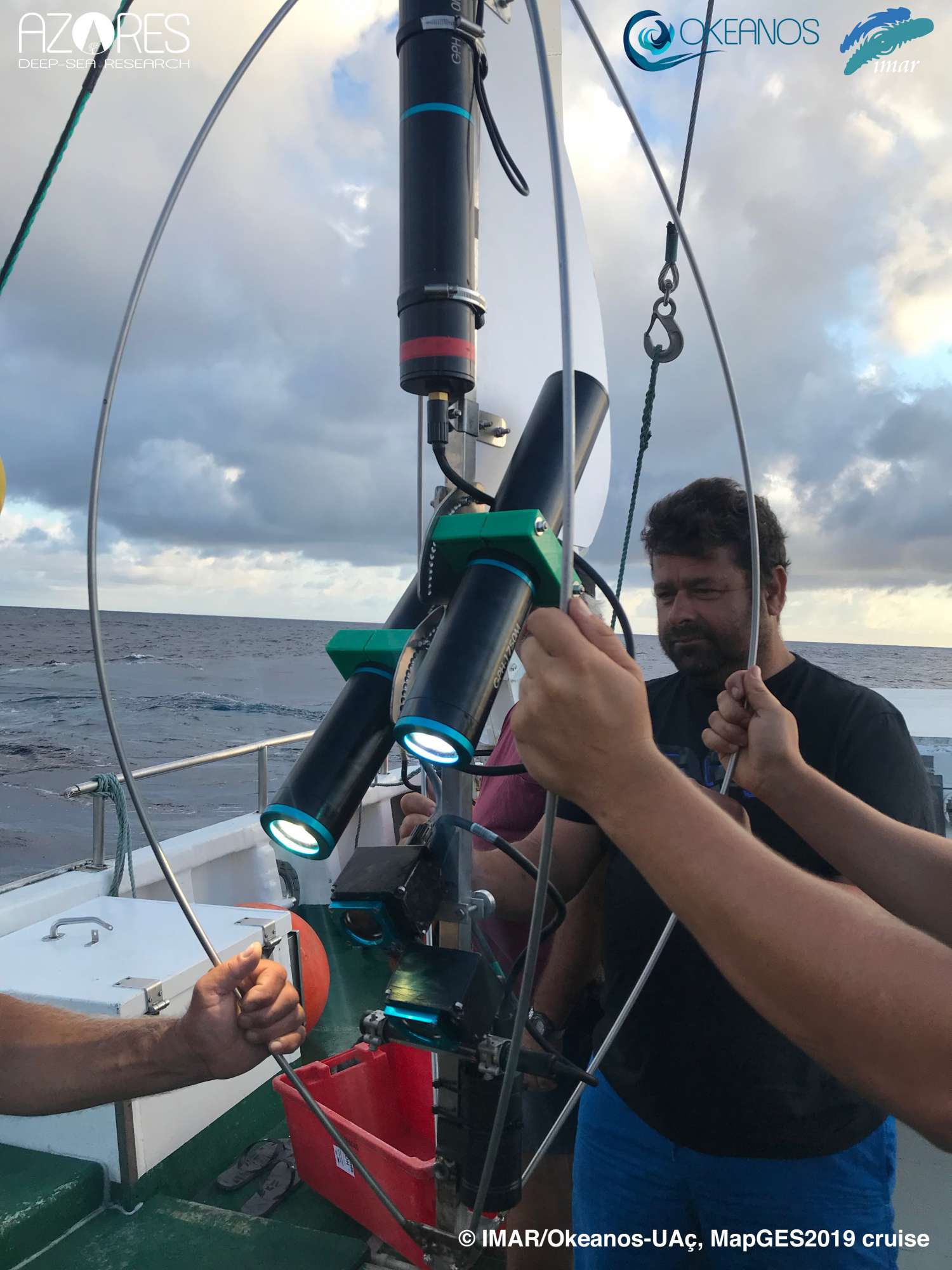
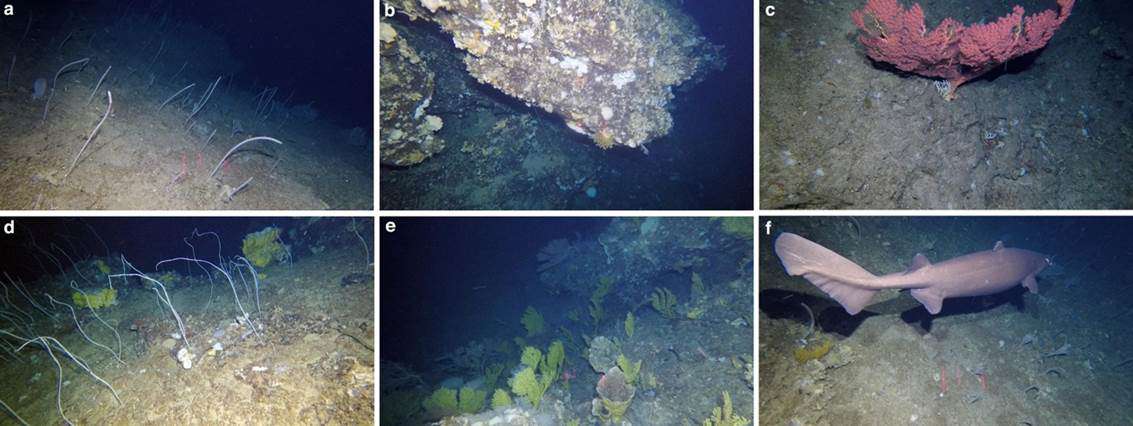
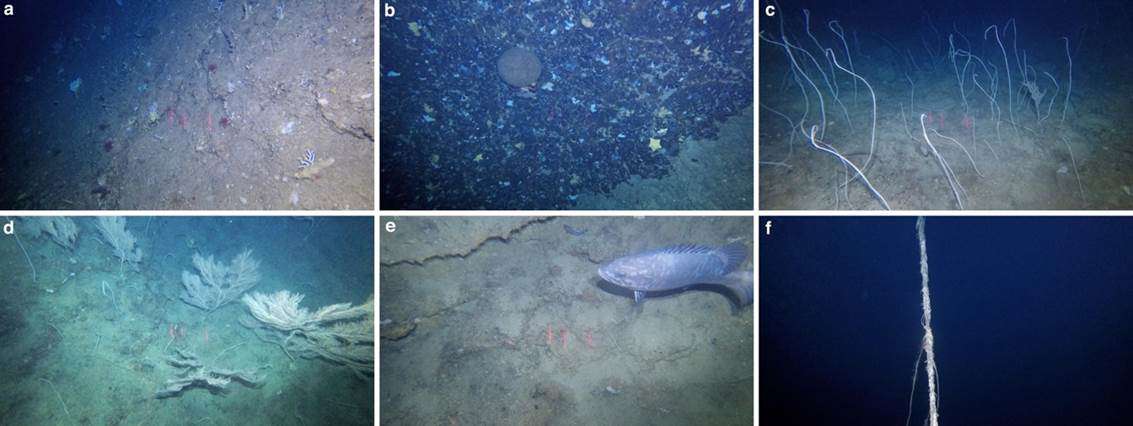
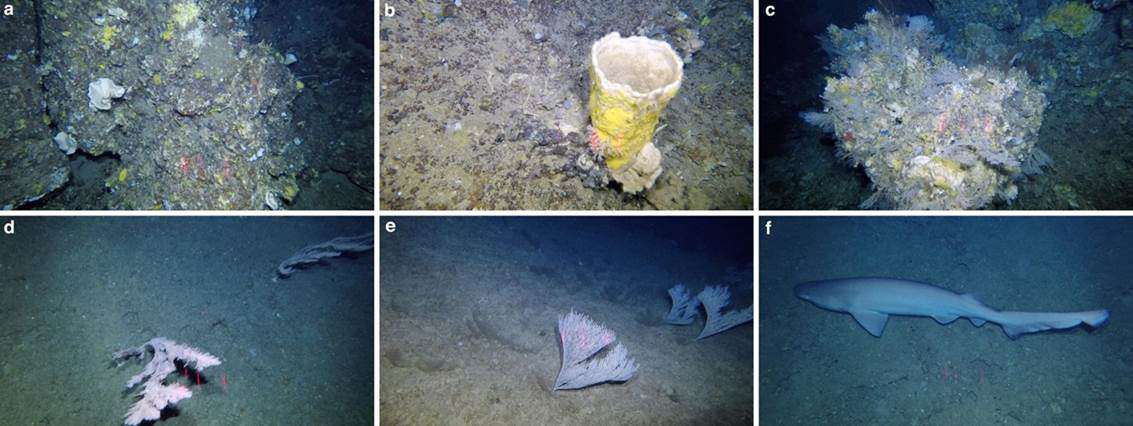
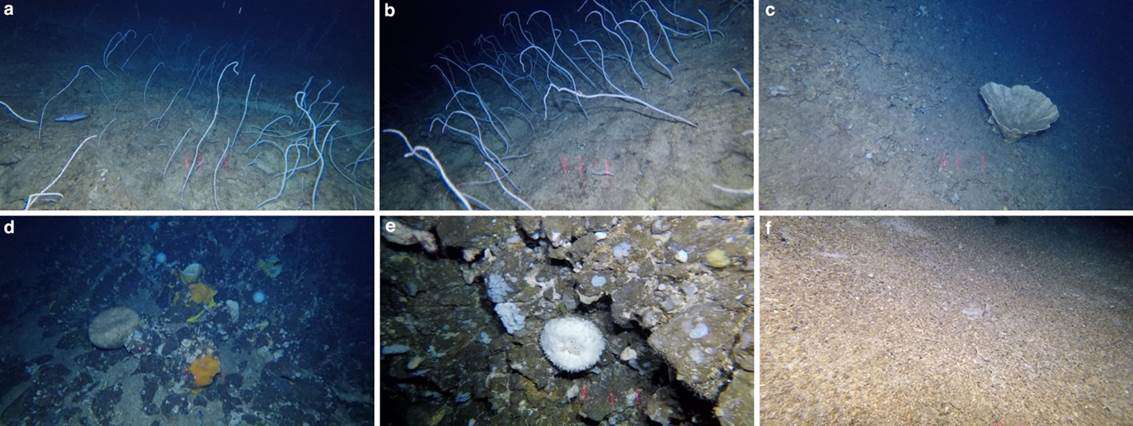
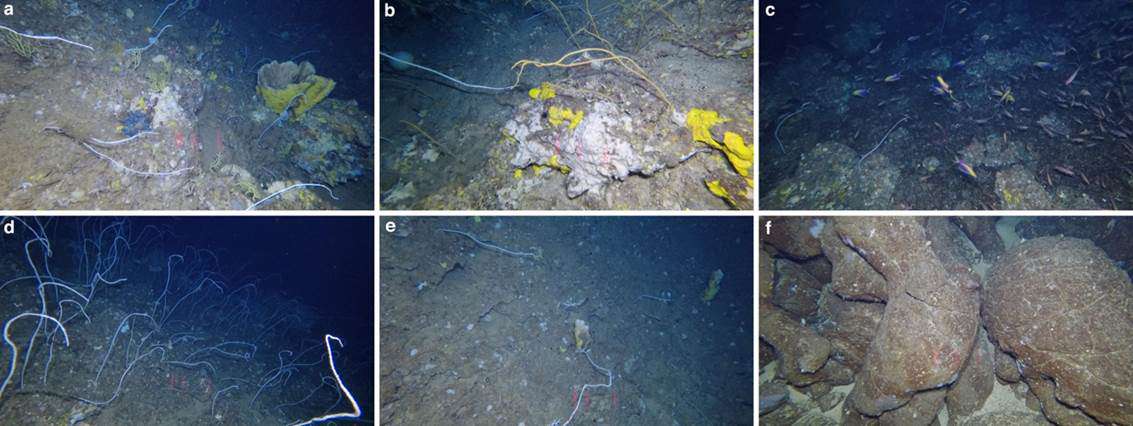
MapGES 2019 aimed to continue testing the improved version of the low-cost, custom-made drift-cam video system designed and developed at IMAR and Okeanos University of the Azores. The video system, named the Azor drift-cam, was equipped with one 4K resolution action camera that records high-quality images of the benthic ecosystem of the Azores deep-sea. It also has low-cost sensors that provide depth and temperature records every second. The new egg-shaped design facilitates the disentanglement from lost fishing gears once the drift-cam system gets caught, although their presence still limits the possibility of safely exploring seamounts that are heavily fished. From a scientific perspective, the cruise aimed to characterize the megabenthic communities dwelling between 200 and 750 m depth in areas of the Mid-Atlantic Ridge (MAR) and small seamounts close to the islands of Faial and Pico.
Statistics
Highlights
Location of operation
Southern Mid-Atlantic Ridge and Faial (Azores EEZ)
Stations
MapGES 2019
| Leg | Period | Days at sea | Vessel | Departure | Return |
|---|---|---|---|---|---|
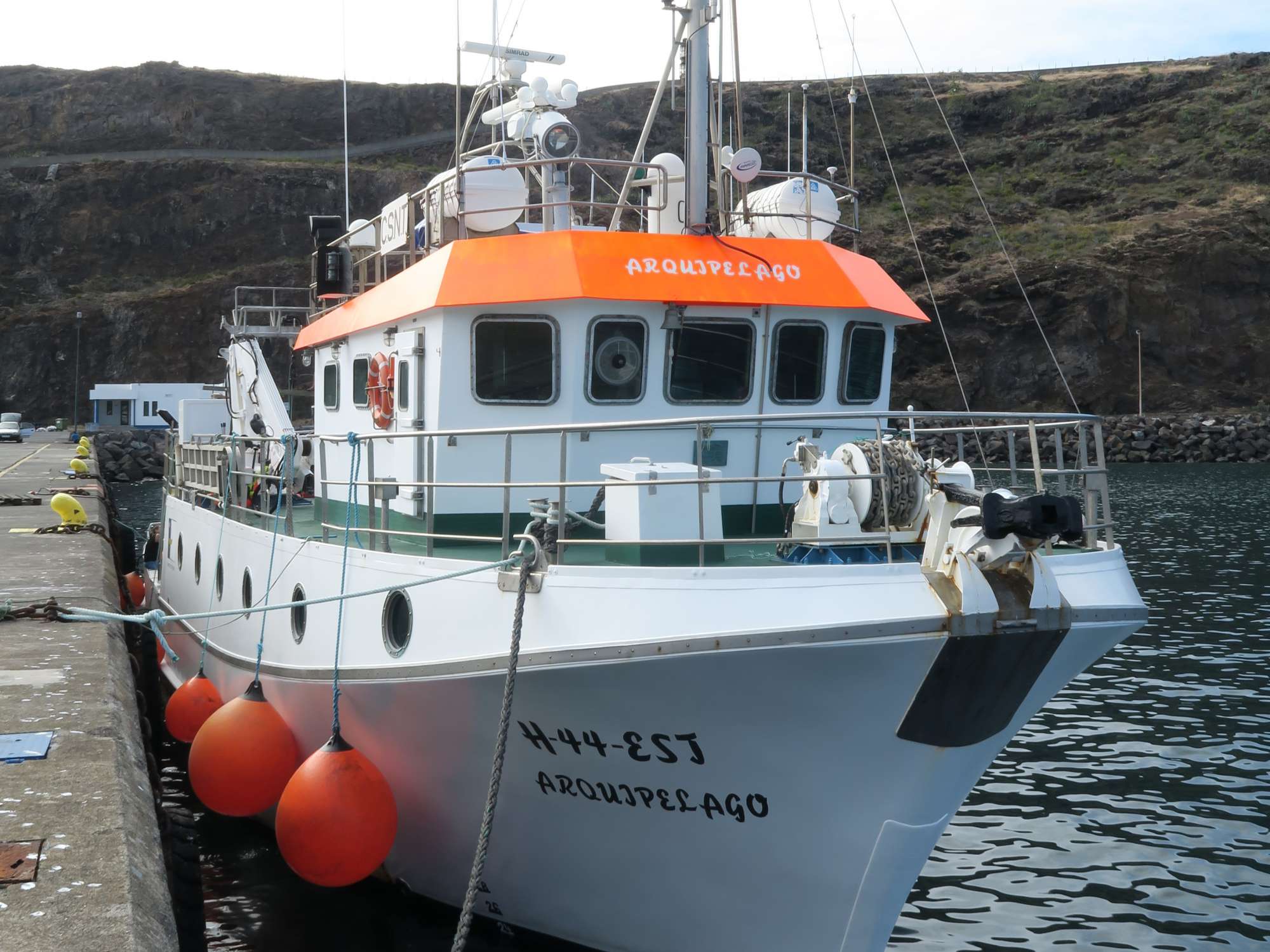
| 1 | 23/07/2019 - 03/08/2019 | 12 | RV Arquipélago | Horta | Horta |
| 2 | 12/08/2019 - 24/08/2019 | 13 | RV Arquipélago | Horta | Horta |
| 3 | 26/08/2019 - 03/09/2019 | 9 | RV Arquipélago | Horta | Horta |
| 4 | 15/11/2019 - 16/11/2019 | 2 | FV Tatiana | Horta | Horta |
| 5 | 18/7/2019 - 19/72/019 | 728505 | FV Garantia | Horta | Horta |
A total of 728541 days at sea
Activities
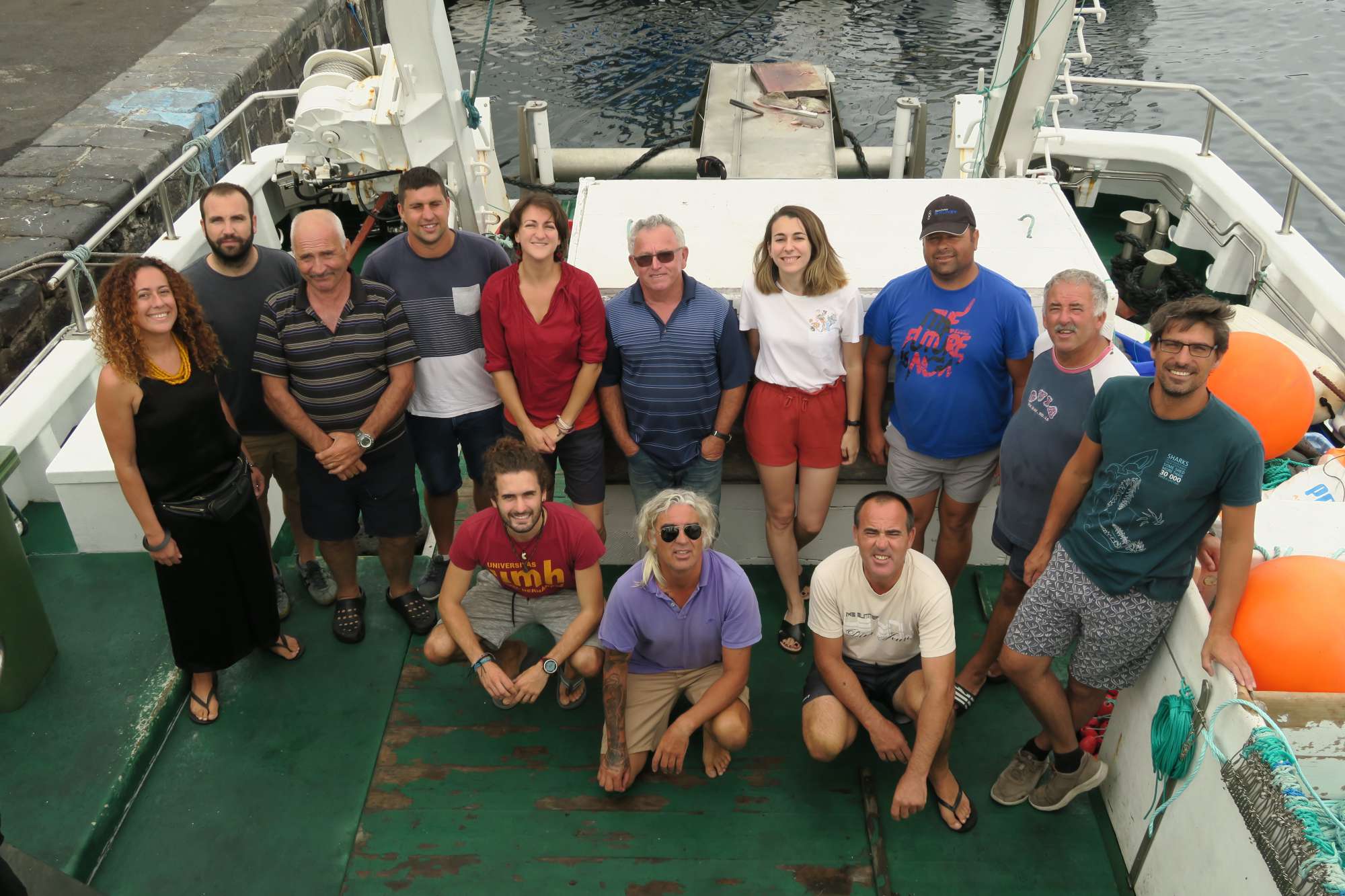
Cruise crew
Chief scientist
Scientific crew
Collaborators


 ATLAS
A transatlantic assessment and deep-water ecosystem-based spatial management plan for Europe
Funded by European Union’s Horizon 2020
ATLAS
A transatlantic assessment and deep-water ecosystem-based spatial management plan for Europe
Funded by European Union’s Horizon 2020
 MapGES
Mapping deep-sea biodiversity and “Good Environmental Status” in the Azores: assisting with the implementation of EU Marine Strategy Framework Directive
Funded by Regional Government of the Azores, PO Açores 2020, European Regional Development Fund (ERDF / FEDER)
MapGES
Mapping deep-sea biodiversity and “Good Environmental Status” in the Azores: assisting with the implementation of EU Marine Strategy Framework Directive
Funded by Regional Government of the Azores, PO Açores 2020, European Regional Development Fund (ERDF / FEDER)
 BIOMETORE 2015
 to the Great Meteor Complex seamounts
BIOMETORE 2015
BIOMETORE 2015 to the Great Meteor Complex seamounts
 Blue Azores 2018
Blue Azores Program: Expedition 2018
Blue Azores 2018
Blue Azores Program: Expedition 2018
 iMAR 2021
Integrated assessment of the distribution of Vulnerable Marine Ecosystem along the Mid-Atlantic Ridge in the Azores region
iMAR 2021
Integrated assessment of the distribution of Vulnerable Marine Ecosystem along the Mid-Atlantic Ridge in the Azores region
 MapGES 2018
Mapping deep-sea biodiversity and “Good Environmental Status” in the Azores
MapGES 2018
Mapping deep-sea biodiversity and “Good Environmental Status” in the Azores
 MapGES 2019
Mapping deep-sea biodiversity and “Good Environmental Status” in the Azores
MapGES 2019
Mapping deep-sea biodiversity and “Good Environmental Status” in the Azores
 NICO Leg 12 2018
RV Pelagia cruise 64PE441: Rainbow hydrothermal vent, southern MAR, and Terceira 2018
NICO Leg 12 2018
RV Pelagia cruise 64PE441: Rainbow hydrothermal vent, southern MAR, and Terceira 2018
 Rainbow 2019
RV Pelagia cruise 64PE454: Rainbow hydrothermal vent and southern MAR 2019
ATLAS
A transatlantic assessment and deep-water ecosystem-based spatial management plan for Europe
Funded by European Union’s Horizon 2020
Rainbow 2019
RV Pelagia cruise 64PE454: Rainbow hydrothermal vent and southern MAR 2019
ATLAS
A transatlantic assessment and deep-water ecosystem-based spatial management plan for Europe
Funded by European Union’s Horizon 2020
 Blue Azores
Blue Paper Cooperation protocol
Funded by Fundação Oceano Azul
Blue Azores
Blue Paper Cooperation protocol
Funded by Fundação Oceano Azul
 DeepWalls
Exploring pristine deep-sea walls to establish baselines for Good Environmental Status in the Azores
Funded by Regional Government of the Azores, PO Açores 2020, European Regional Development Fund (ERDF / FEDER)
DeepWalls
Exploring pristine deep-sea walls to establish baselines for Good Environmental Status in the Azores
Funded by Regional Government of the Azores, PO Açores 2020, European Regional Development Fund (ERDF / FEDER)
 iAtlantic
Integrated Assessment of Atlantic Marine Ecosystems in Space and Time
Funded by European Union’s Horizon 2020
MapGES
Mapping deep-sea biodiversity and “Good Environmental Status” in the Azores: assisting with the implementation of EU Marine Strategy Framework Directive
Funded by Regional Government of the Azores, PO Açores 2020, European Regional Development Fund (ERDF / FEDER)
iAtlantic
Integrated Assessment of Atlantic Marine Ecosystems in Space and Time
Funded by European Union’s Horizon 2020
MapGES
Mapping deep-sea biodiversity and “Good Environmental Status” in the Azores: assisting with the implementation of EU Marine Strategy Framework Directive
Funded by Regional Government of the Azores, PO Açores 2020, European Regional Development Fund (ERDF / FEDER)
 MERCES
Marine Ecosystem Restoration in Changing European Seas
Funded by European Union’s Horizon 2020
MERCES
Marine Ecosystem Restoration in Changing European Seas
Funded by European Union’s Horizon 2020
 ATLAS
A transatlantic assessment and deep-water ecosystem-based spatial management plan for Europe
Funded by European Union’s Horizon 2020
ATLAS
A transatlantic assessment and deep-water ecosystem-based spatial management plan for Europe
Funded by European Union’s Horizon 2020
 CoralFISH
Assessment of the interaction between corals, fish and fisheries, in order to develop monitoring and predictive modelling tools for ecosystem based management in the deep waters of Europe and beyond
Funded by European Union’s FP7
DeepWalls
Exploring pristine deep-sea walls to establish baselines for Good Environmental Status in the Azores
Funded by Regional Government of the Azores, PO Açores 2020, European Regional Development Fund (ERDF / FEDER)
CoralFISH
Assessment of the interaction between corals, fish and fisheries, in order to develop monitoring and predictive modelling tools for ecosystem based management in the deep waters of Europe and beyond
Funded by European Union’s FP7
DeepWalls
Exploring pristine deep-sea walls to establish baselines for Good Environmental Status in the Azores
Funded by Regional Government of the Azores, PO Açores 2020, European Regional Development Fund (ERDF / FEDER)
 HERMIONE
Hotspot Ecosystem Research and Man’s Impact on European Seas
iAtlantic
Integrated Assessment of Atlantic Marine Ecosystems in Space and Time
Funded by European Union’s Horizon 2020
MapGES
Mapping deep-sea biodiversity and “Good Environmental Status” in the Azores: assisting with the implementation of EU Marine Strategy Framework Directive
Funded by Regional Government of the Azores, PO Açores 2020, European Regional Development Fund (ERDF / FEDER)
HERMIONE
Hotspot Ecosystem Research and Man’s Impact on European Seas
iAtlantic
Integrated Assessment of Atlantic Marine Ecosystems in Space and Time
Funded by European Union’s Horizon 2020
MapGES
Mapping deep-sea biodiversity and “Good Environmental Status” in the Azores: assisting with the implementation of EU Marine Strategy Framework Directive
Funded by Regional Government of the Azores, PO Açores 2020, European Regional Development Fund (ERDF / FEDER)
 MarinePlan
Improved transdisciplinary science for effective ecosystem-based maritime spatial planning and conservation in European Seas
Funded by European Union’s Horizon Europe
MERCES
Marine Ecosystem Restoration in Changing European Seas
Funded by European Union’s Horizon 2020
MarinePlan
Improved transdisciplinary science for effective ecosystem-based maritime spatial planning and conservation in European Seas
Funded by European Union’s Horizon Europe
MERCES
Marine Ecosystem Restoration in Changing European Seas
Funded by European Union’s Horizon 2020
 MIDAS
Managing Impacts of Deep-seA reSource exploitation
Funded by European Union’s FP7
BIOMETORE 2015
BIOMETORE 2015 to the Great Meteor Complex seamounts
Blue Azores 2018
Blue Azores Program: Expedition 2018
MIDAS
Managing Impacts of Deep-seA reSource exploitation
Funded by European Union’s FP7
BIOMETORE 2015
BIOMETORE 2015 to the Great Meteor Complex seamounts
Blue Azores 2018
Blue Azores Program: Expedition 2018
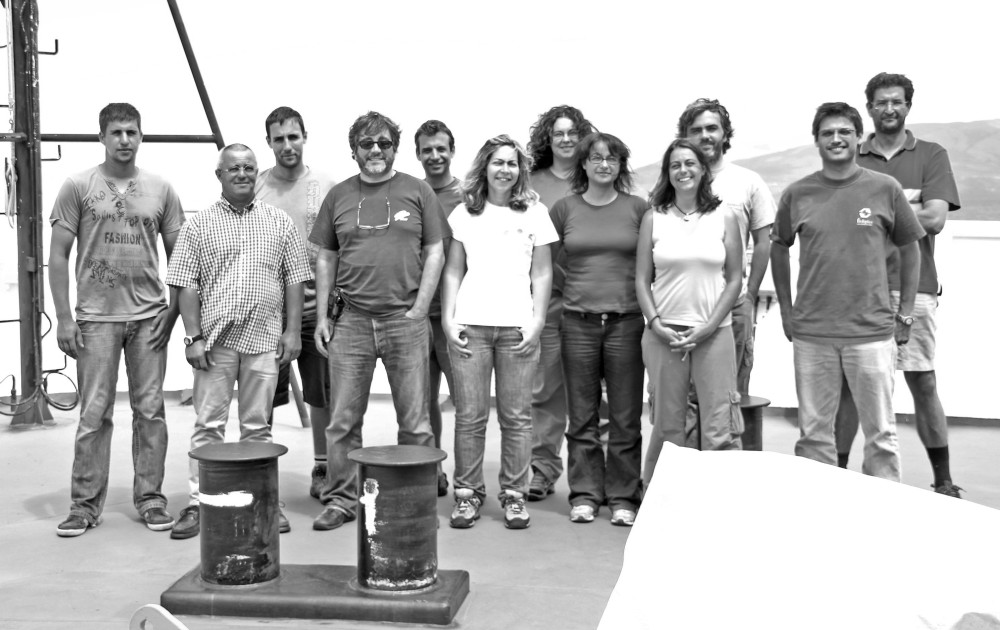 CoralFISH 2010
CoralFish cruise to Condor, Voador and Banco Açores 2010
MapGES 2019
Mapping deep-sea biodiversity and “Good Environmental Status” in the Azores
CoralFISH 2010
CoralFish cruise to Condor, Voador and Banco Açores 2010
MapGES 2019
Mapping deep-sea biodiversity and “Good Environmental Status” in the Azores
 MapGES 2020
Mapping deep-sea biodiversity and “Good Environmental Status” in the Azores
MapGES 2020
Mapping deep-sea biodiversity and “Good Environmental Status” in the Azores
 MedWaves 2016
MEDiterranean out flow WAter and Vulnerable EcosystemS
MedWaves 2016
MEDiterranean out flow WAter and Vulnerable EcosystemS
 MIDAS 2016
Investigation of Field Protocols for Deep Sea Mining Monitoring and Environmental Impact Assessment
NICO Leg 12 2018
RV Pelagia cruise 64PE441: Rainbow hydrothermal vent, southern MAR, and Terceira 2018
Rainbow 2019
RV Pelagia cruise 64PE454: Rainbow hydrothermal vent and southern MAR 2019
MIDAS 2016
Investigation of Field Protocols for Deep Sea Mining Monitoring and Environmental Impact Assessment
NICO Leg 12 2018
RV Pelagia cruise 64PE441: Rainbow hydrothermal vent, southern MAR, and Terceira 2018
Rainbow 2019
RV Pelagia cruise 64PE454: Rainbow hydrothermal vent and southern MAR 2019
 Terceira 2019
RV Pelagia cruise 64PE456: Terceira Island 2019
Terceira 2019
RV Pelagia cruise 64PE456: Terceira Island 2019
Images


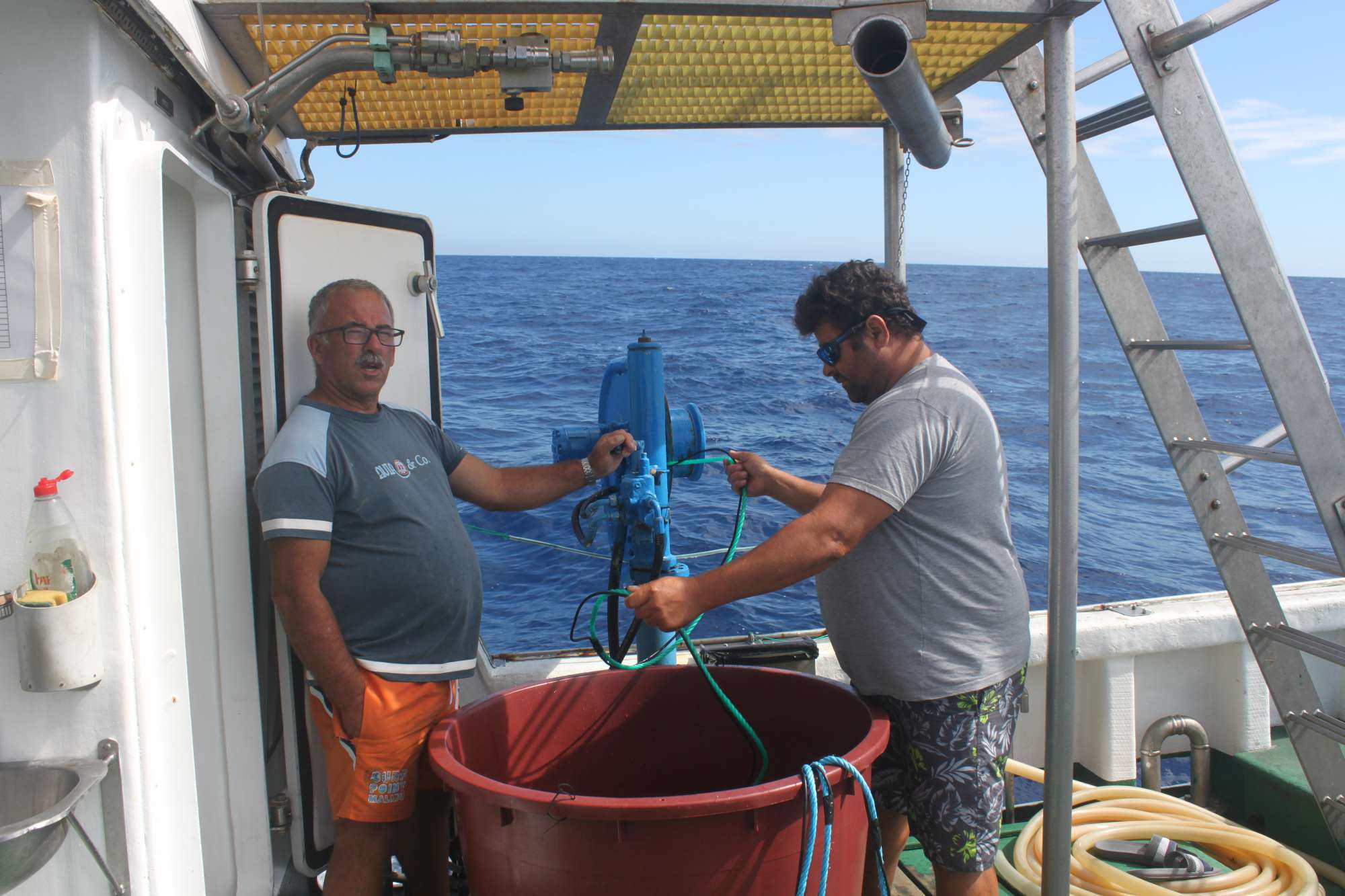


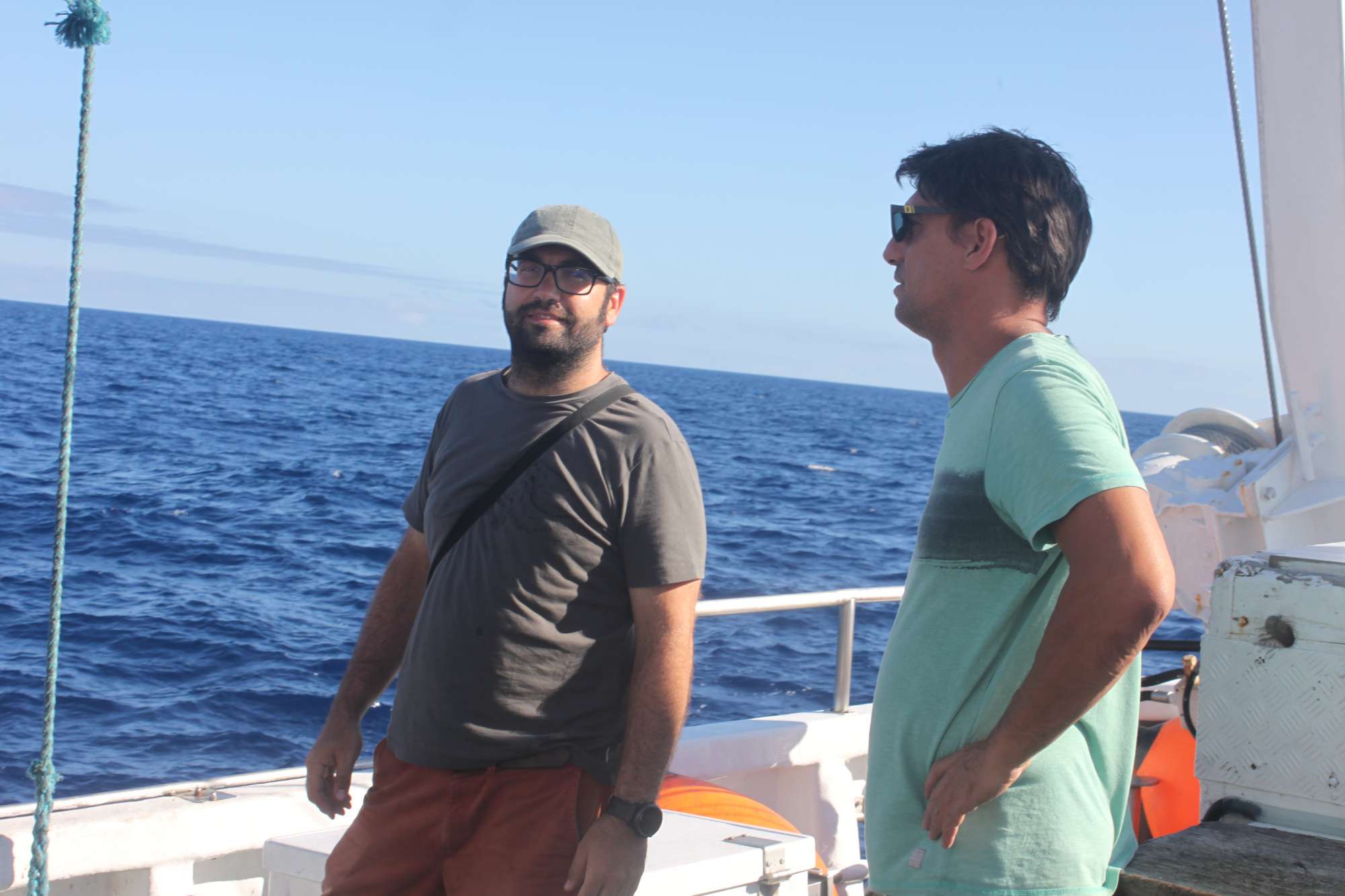


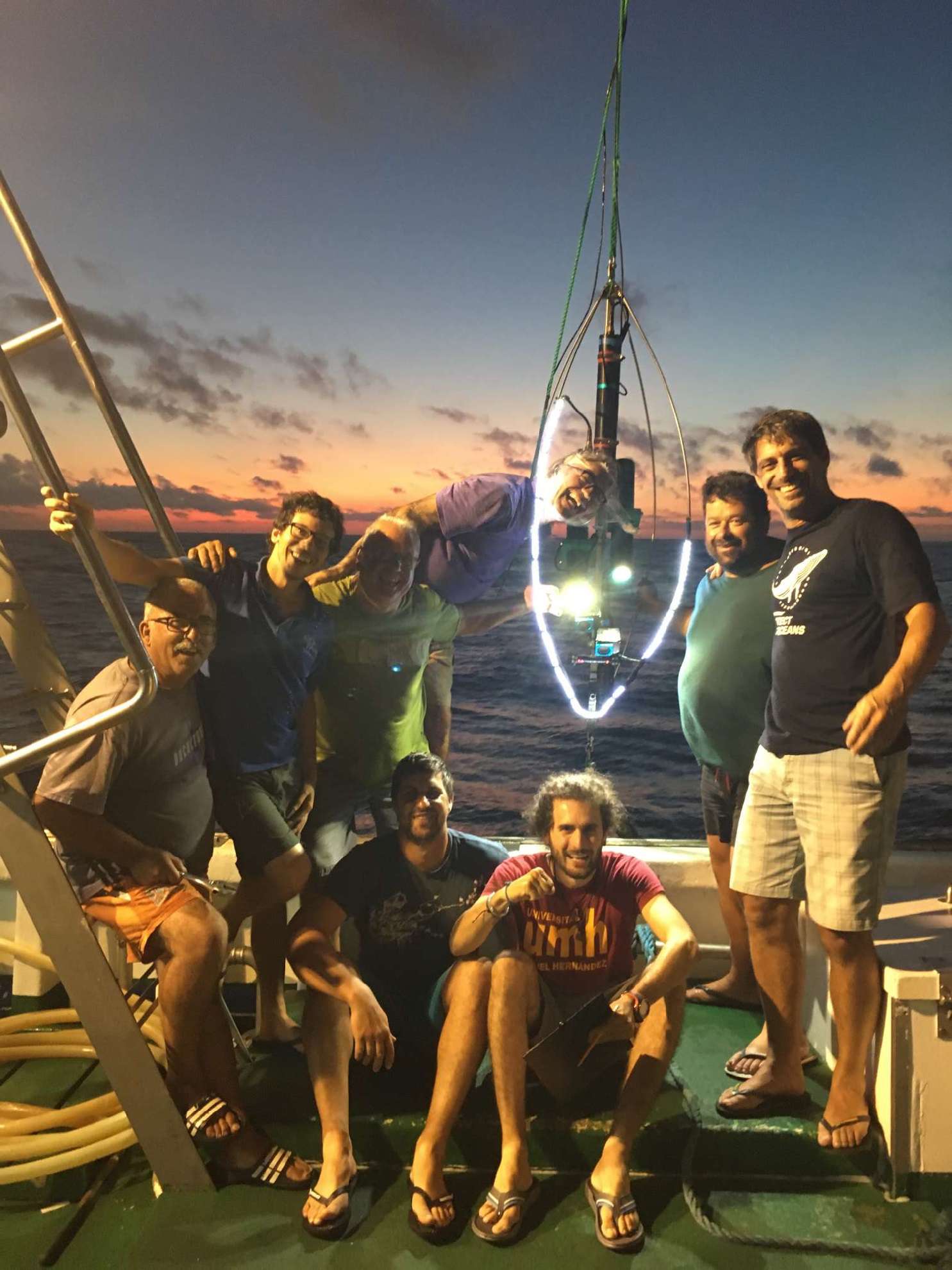
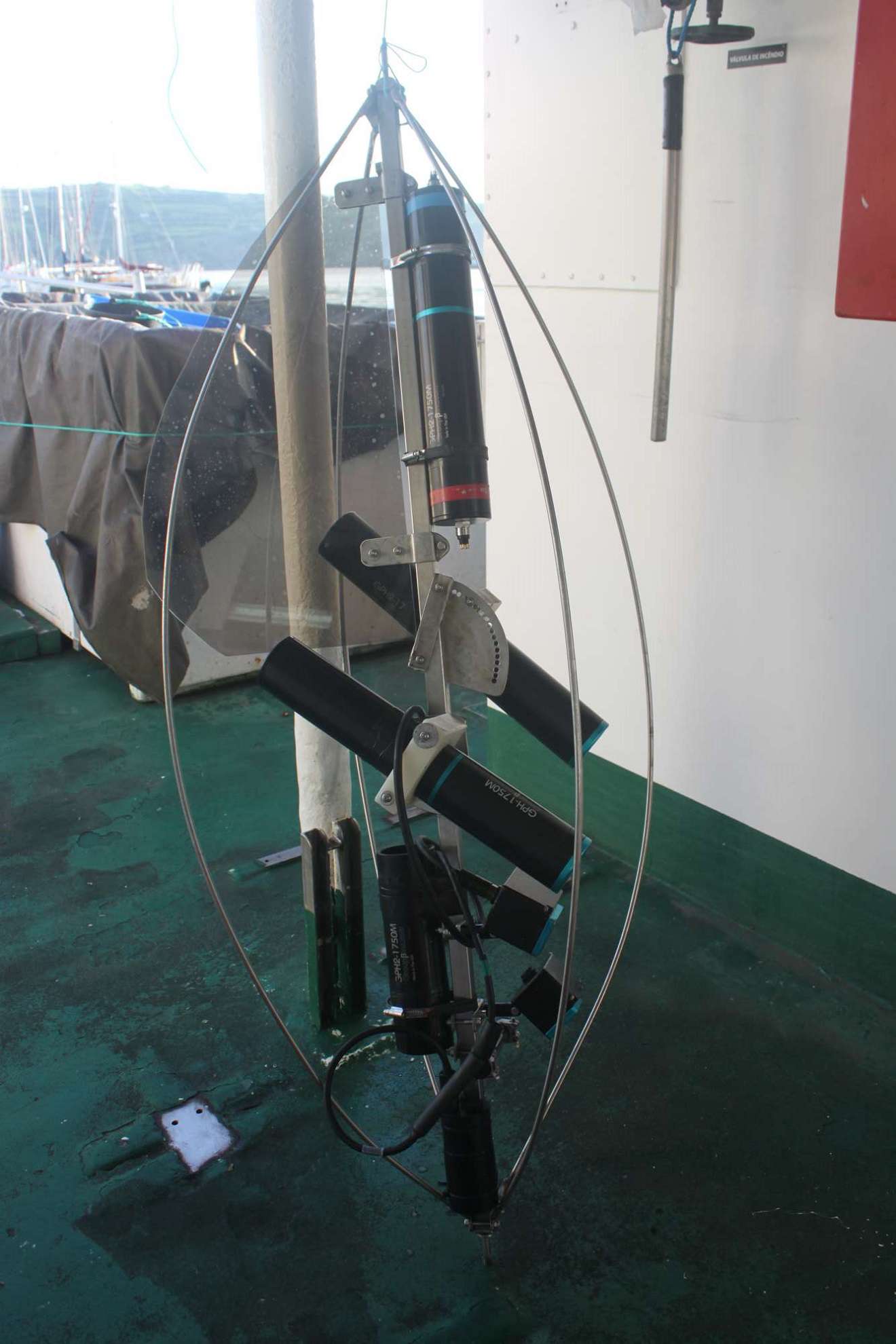











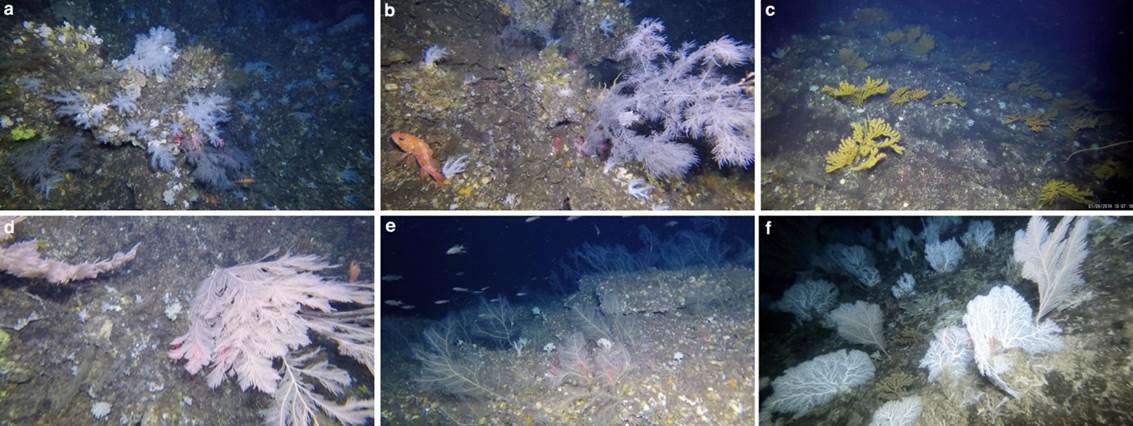
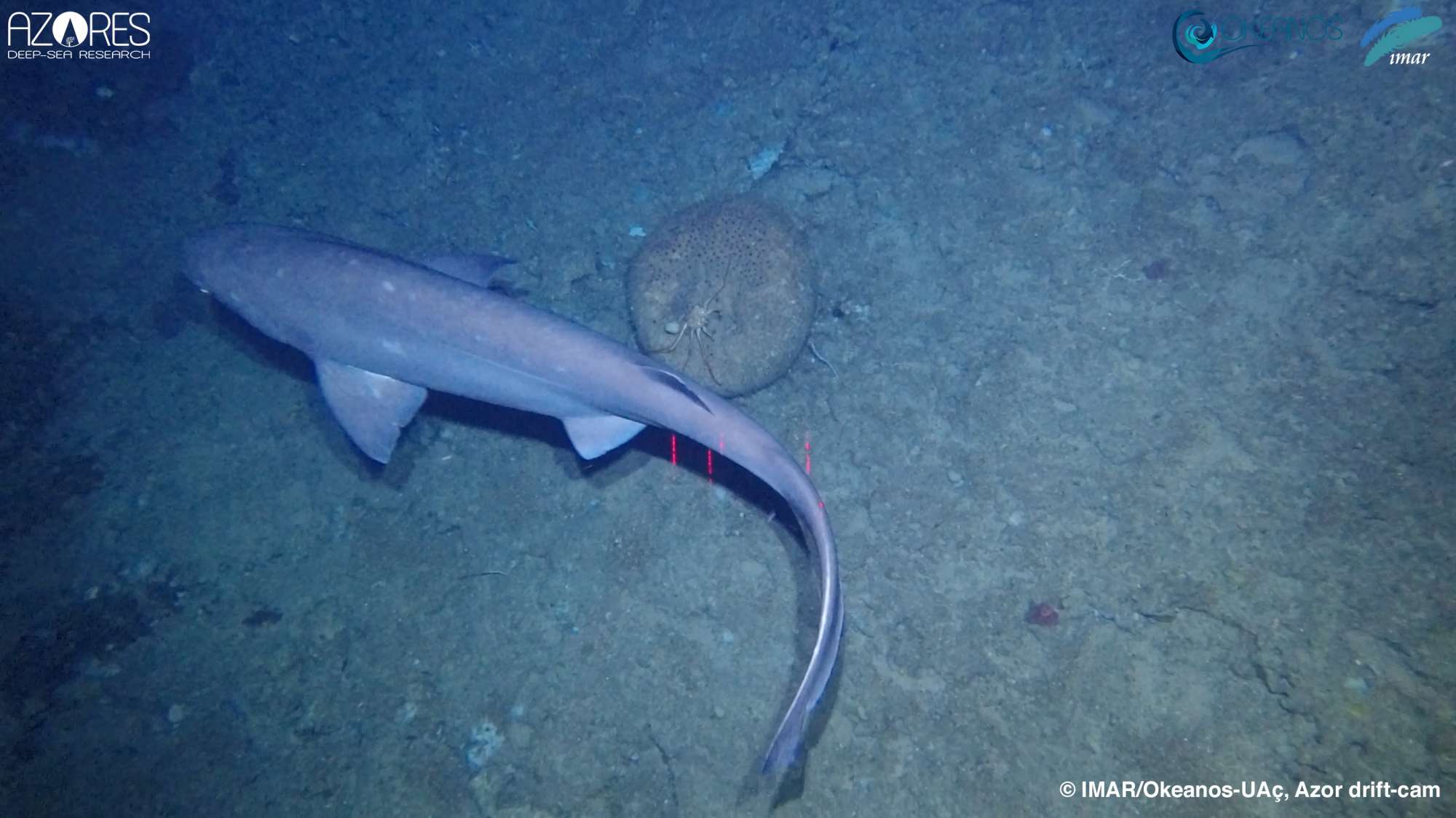
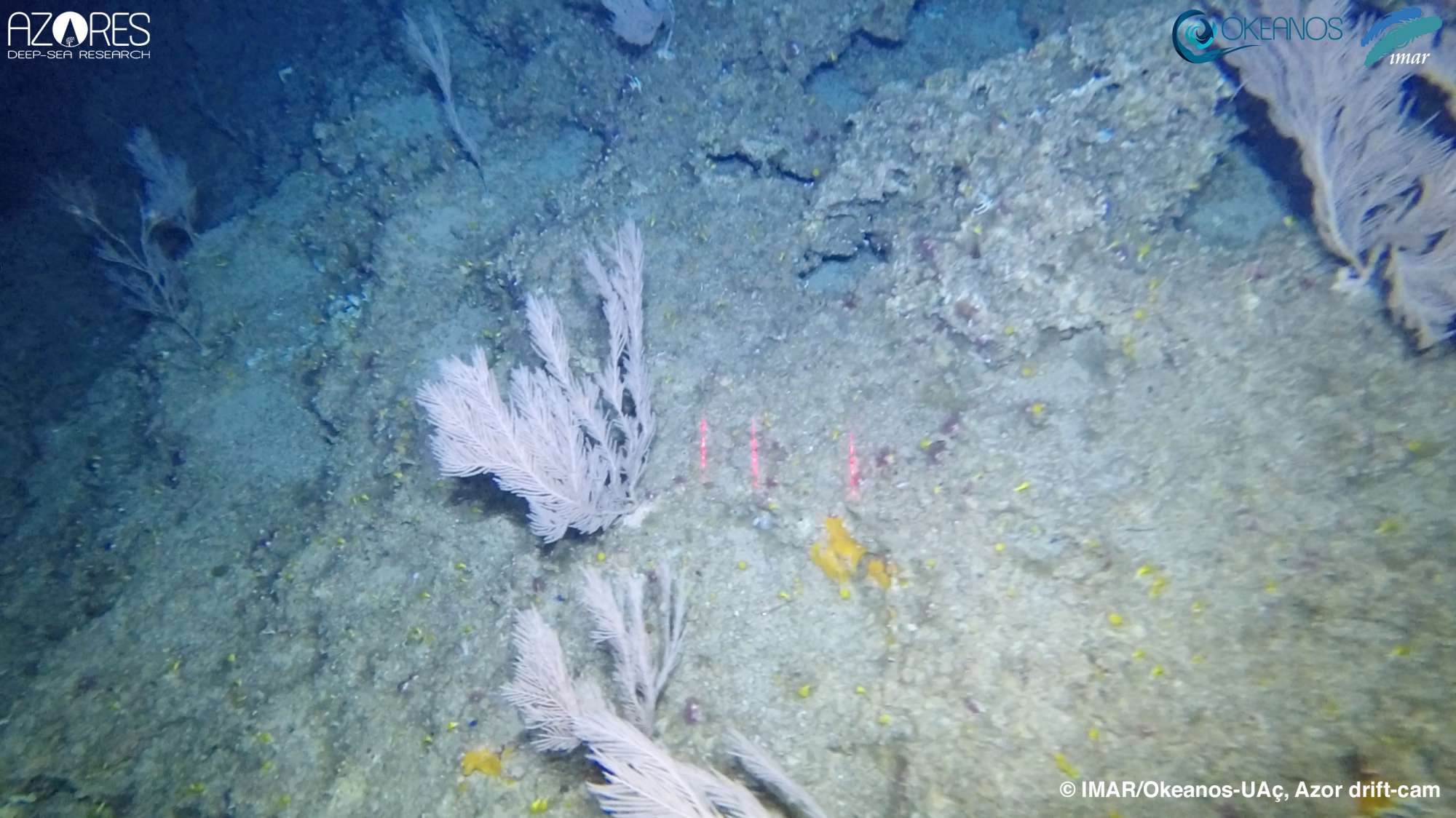
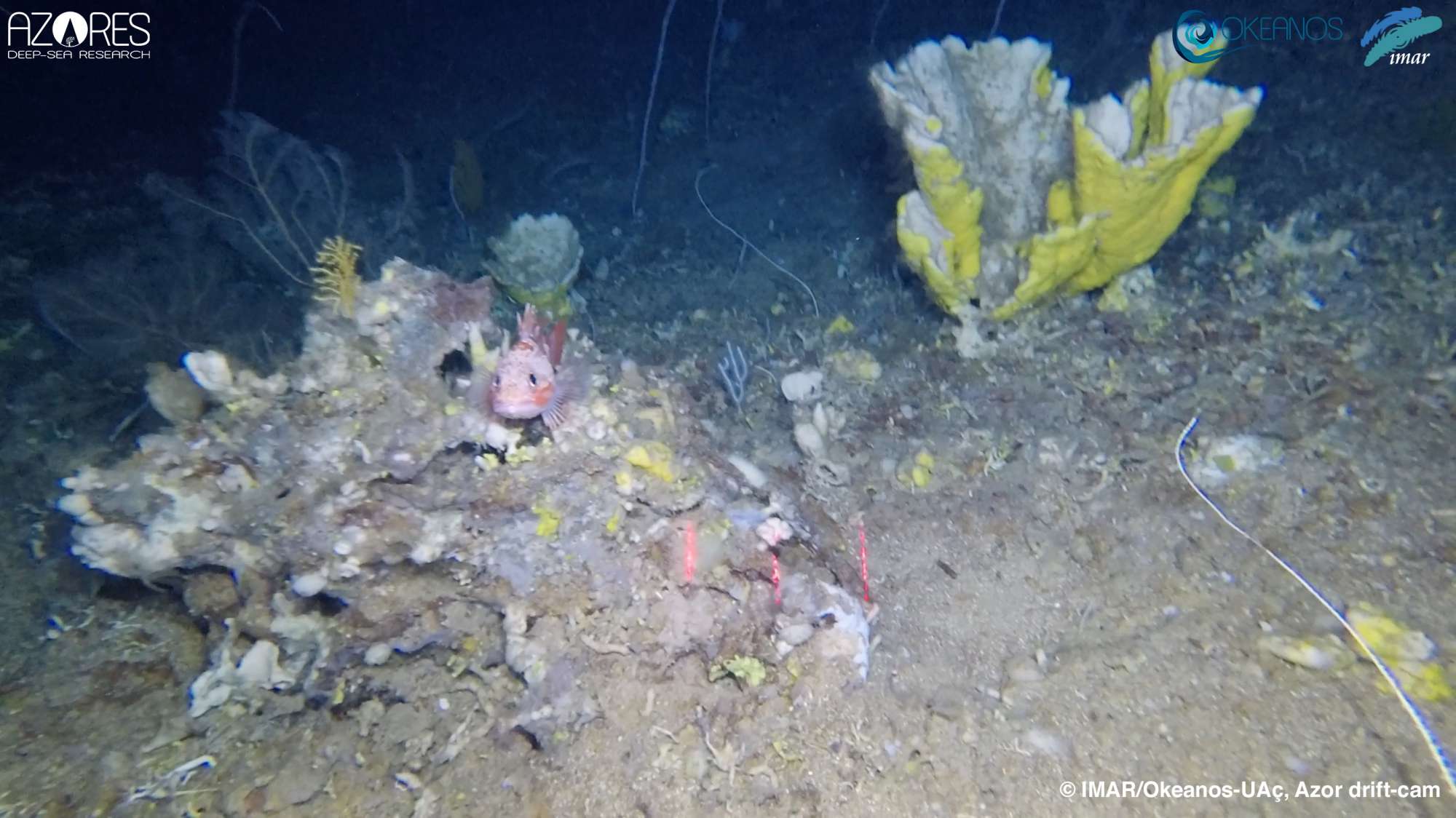
Dives images















Location
Departamento de Oceanografia e Pescas — Universidade dos Açores
Rua Prof. Doutor Frederico Machado, No. 4
9901-862 Horta, Portugal
Contact
Email: azoresdeepsea@gmail.com

AZORES DEEP-SEA RESEARCH © 2020-2026 — RELEASE 2.1
 VALTER MEDEIROS