Loading…
Loading…
Marine Beacon
Monitoring and elimination of bycatch of endangered and conserved species in the NE and high seas
Marine Beacon
Loading project…
Monitoring and elimination of bycatch of endangered and conserved species in the NE and high seas
Period: 15 Jan 2024 to 14 Jul 2028
Funding: 1 source(s)
15 Jan 2024 to 14 Jul 2028
European Union's Horizon Europe
Budget: 859,440.00 €
Summary
Monitoring and elimination of bycatch of endangered and conserved species in the NE and high seas
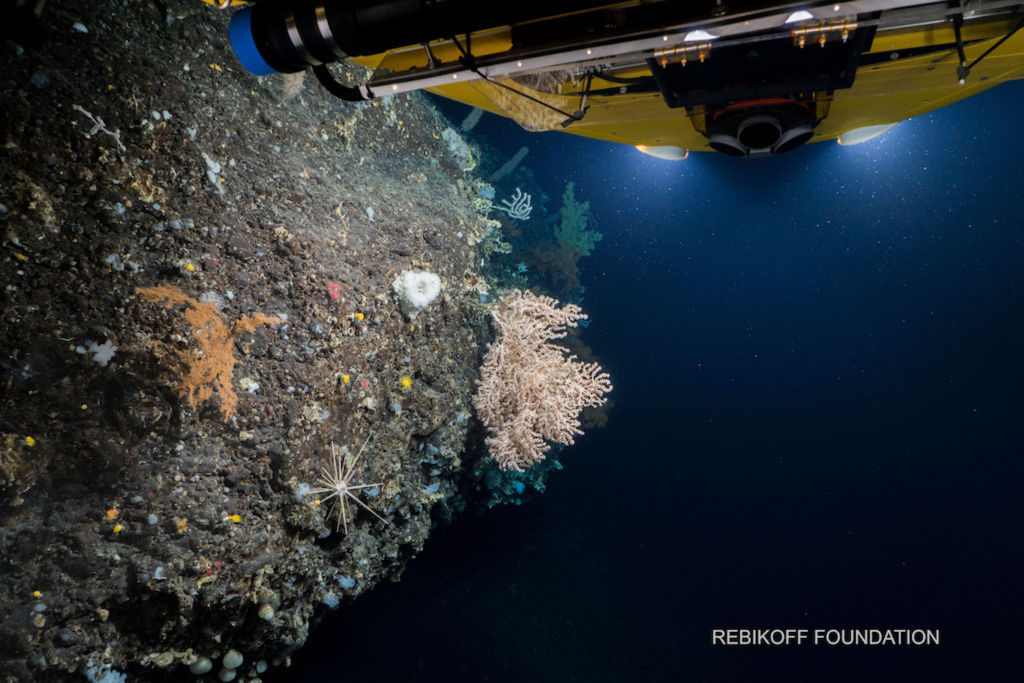
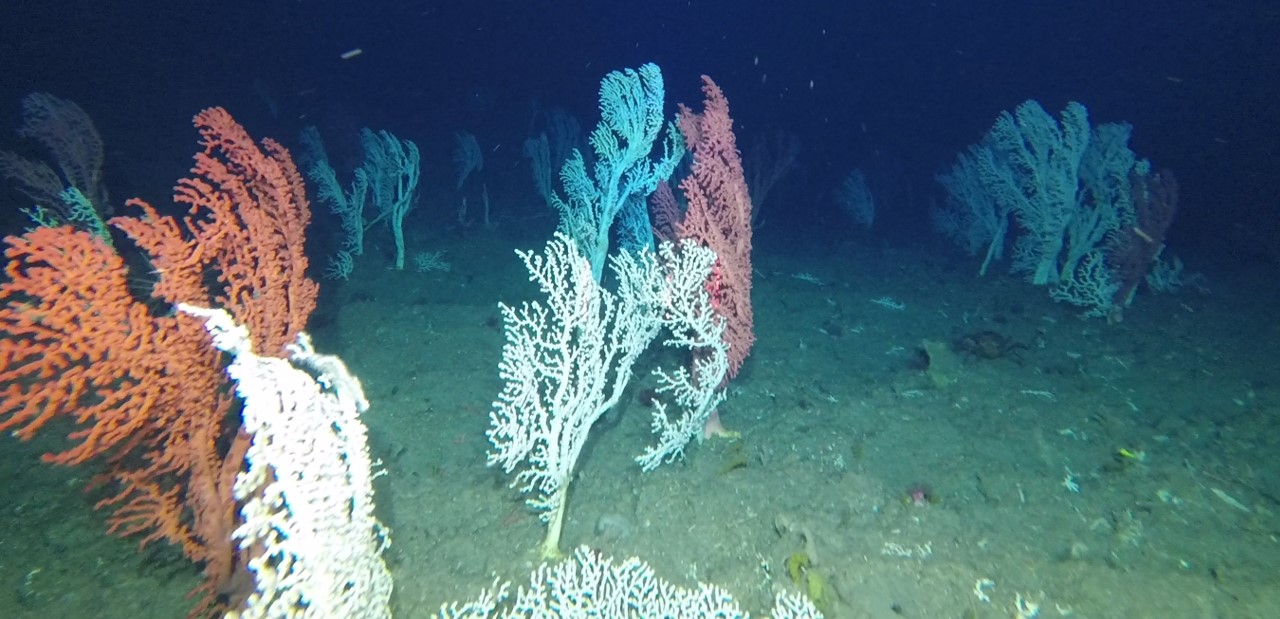
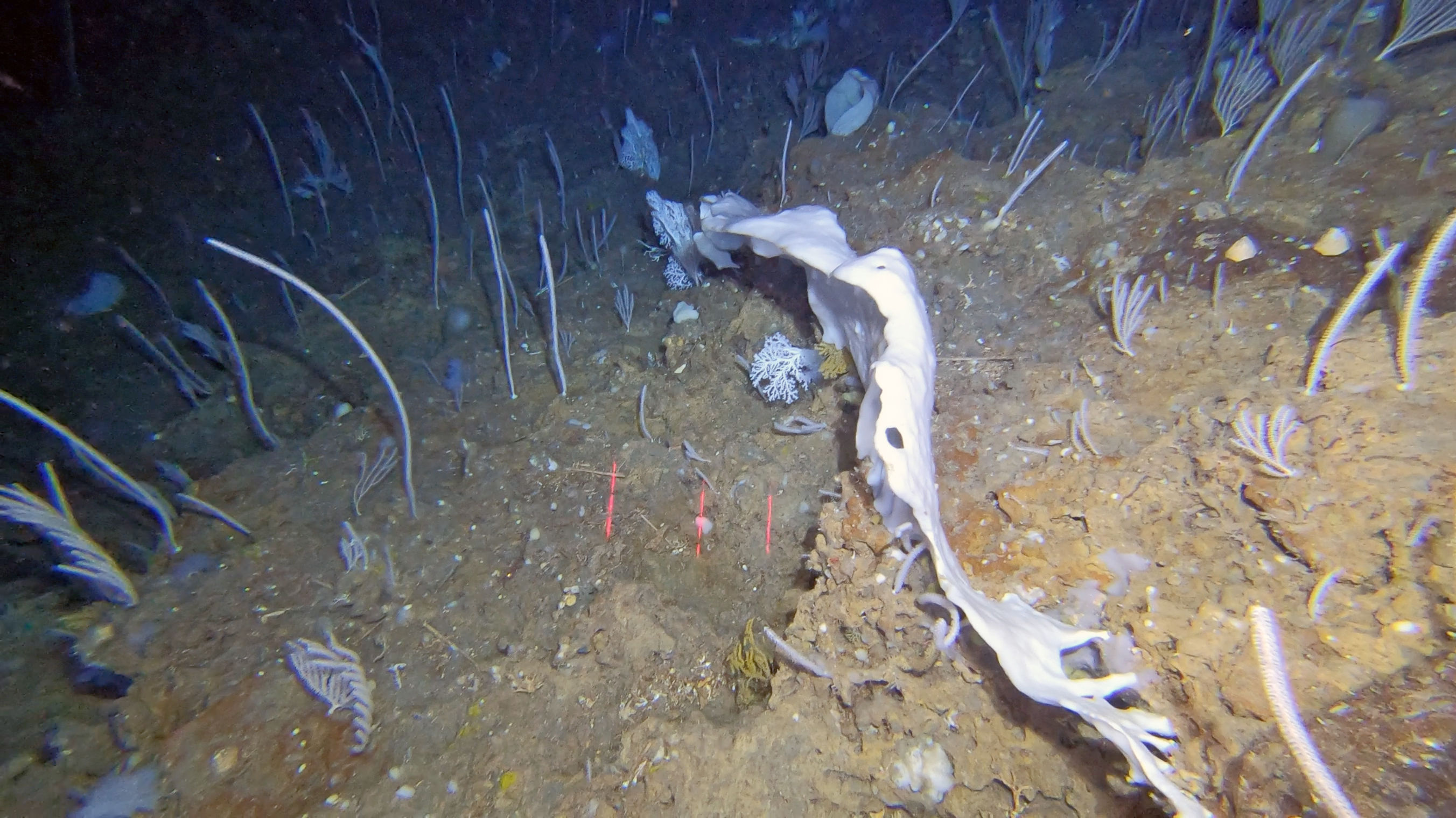
MarineBeacon addresses critical gaps in understanding bycatch risk and vulnerability, including cold-water corals, by developing next-generation monitoring tools to improve knowledge of protected, endangered, and threatened species (PETS) distribution, abundance, and fisheries interactions. Cutting-edge mitigation techniques will be tested across diverse fisheries and regions to generate transferable solutions, while a stakeholder-centered approach ensures uptake by policy, management, and industry. To guarantee long-term impact, MarineBeacon will deliver a suite of decision-support tools that enable targeted and effective bycatch mitigation. Comprising 21 partners from 8 countries, including leading European research organizations, technology companies, and NGOs, the consortium brings together the multidisciplinary expertise required to tackle this complex global challenge.
Bycatch, the unintentional capture of non-target marine animals during fishing, is considered one of the greatest threats to marine species globally. This threat is particularly significant for protected, endangered and threatened species (PETS), including marine mammals, seabirds, turtles, sensitive fish species, and cold-water corals, with their bycatch threatening marine ecosystem health. While bycatch of PETS is recognized as a significant issue, advances in fully understanding risks to PETS have been limited, due to current inability to effectively monitor wide ranging, highly mobile and cryptic species. There has been further lack in advancement in approaches to reduce such risks. These issues all hinder Member States ability to eliminate and significantly reduce bycatch.
Our Team's role
Collaborators
Main results
Marine Beacon Gallery








Location
Departamento de Oceanografia e Pescas — Universidade dos Açores
Rua Prof. Doutor Frederico Machado, No. 4
9901-862 Horta, Portugal
Contact
Email: azoresdeepsea@gmail.com

AZORES DEEP-SEA RESEARCH © 2020-2026 — RELEASE 2.1
 VALTER MEDEIROS