Loading…
Loading…
HERMIONE
Hotspot Ecosystem Research and Man’s Impact on European Seas
HERMIONE
Loading project…
Hotspot Ecosystem Research and Man’s Impact on European Seas
Period: 01 Apr 2009 to 30 Sep 2012
Funding: 1 source(s)
01 Apr 2009 to 30 Sep 2012
EU 7th Framework Programme
Budget: 165,016.00 €
Summary
Hotspot Ecosystem Research and Man’s Impact on European Seas
In response to the call, HERMIONE has four key scientific objectives that progress logically: investigating the physical dimensions of deep-sea ecosystems, understanding their functioning and interconnections, assessing human and climate impacts, and supporting conservation. Specifically, the project aims to: (1) map the distribution and interconnection of deep-sea ecosystems; (2) understand changes driven by climate, human impacts, and episodic events; (3) study organism adaptations and the role of biodiversity in ecosystem functioning; and (4) provide scientific knowledge for sustainable governance and conservation. The work programme includes public outreach, student training, and rigorous data management with GIS support. The 38 HERMIONE Consortium partners represent a total of 14 European and close neighbouring countries, and include four small business partners.
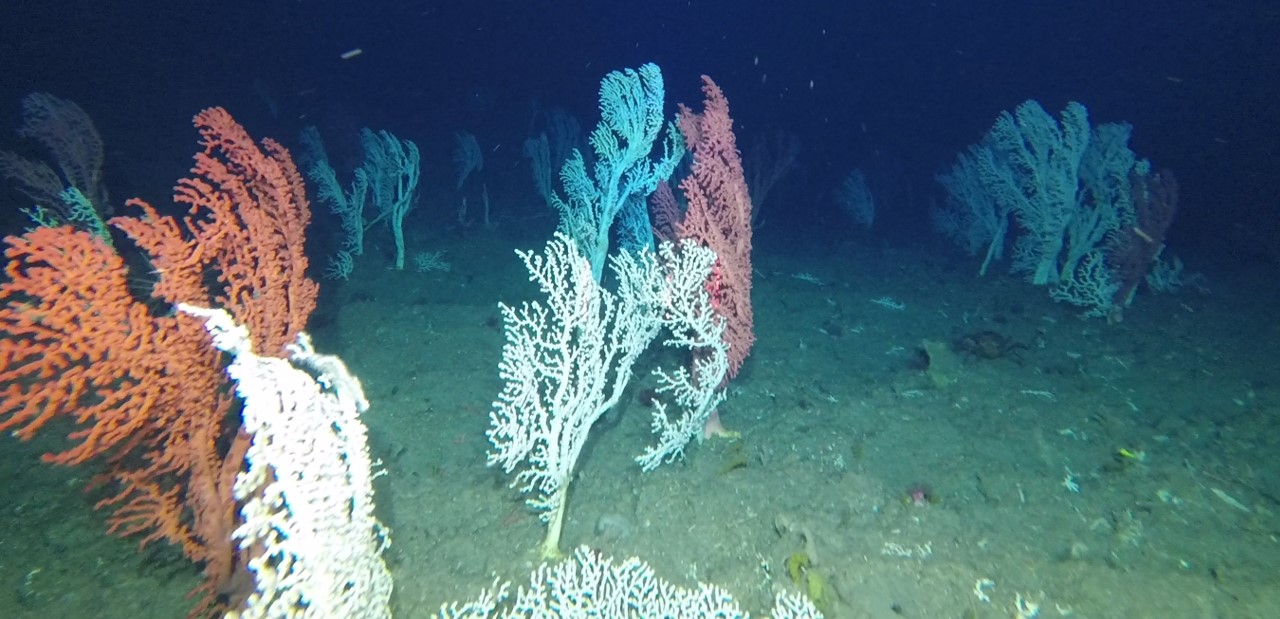
This project investigates ecosystems at critical sites on Europe’s deep-ocean margin; areas vulnerable to both episodic events (e.g., canyon flushing) and long-term pressures (e.g., climate change). It addresses urgent questions: How will climate change impact the deep-sea floor? How will ecosystem functioning shift? How do species connect across isolated communities? What are the direct effects of human activities, and how can we mitigate them for sustainable ocean use? Answering these requires complex experiments and long-term monitoring of sensitive environments. No single project can provide all answers, but building on previous work like HERMES and aligning with the Deep-Sea Frontier document, this project redirects scientific focus. New priorities include sensitive ecosystems around oceanic islands and in the Arctic (where climate change is most pronounced), cold-water cascading in the Mediterranean (which may diminish with warming), threatened seamount biodiversity under pressure from bottom trawling, and comparisons between cold seep communities and hot seep communities on the mid-Atlantic Ridge.
Our Team's role
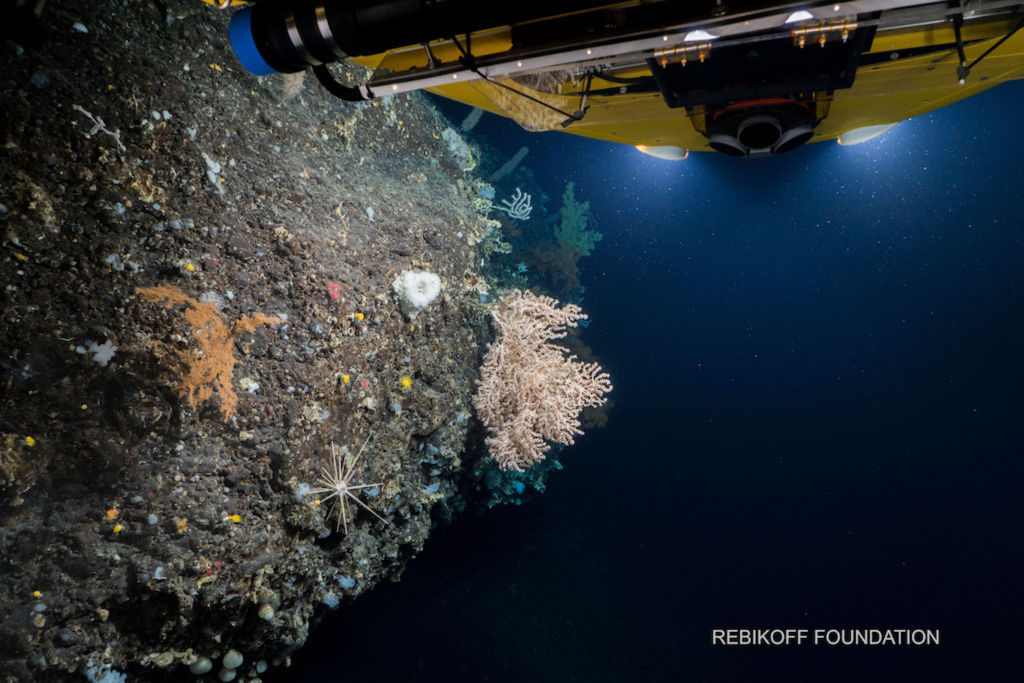
DOP led WP3 on seamounts to help clarifying the interconnection of seamount ecosystems with adjacent areas, to understand changes in seamount ecosystems related to direct human impacts and to provide stakeholders with scientific knowledge to support seamount governance aiming at the sustainable management of resources and the conservation of ecosystems. Additionally, DOP will participate in other WP 4, 5 and 6.
Collaborators
Main results
HERMIONE was a highly successful EU project with 41 partners, over 1,000 days of shiptime, 173 peer-reviewed papers, and more than 100 PhD students trained. Its legacy includes providing critical data used internationally to regulate deep-water fishing, establish Marine Protected Areas, and identify Ecologically or Biologically Significant Areas (EBSAs).
Key Findings:
Climate change: Cold-water corals are migrating northward from warming; Mediterranean corals are at their tolerance limit. Arctic warming is altering carbon pumps and benthic communities.
Human impact: Marine litter is present in all regions (highest in deep Mediterranean). Bottom trawling smooths seabed topography and triggers sediment flows that smother unfished areas—the impacted zone is much larger than the fished area.
Episodic events: A 2008 Mediterranean storm transported massive sediment and carbon to the deep sea, burying benthic communities.
Connectivity: Populations of microbes, echinoderms, and deep-water sharks show distinct genetic differences between neighboring areas—challenging the assumption of open connectivity.
Biodiversity & function: Cold-water corals contribute significantly to carbon cycling. Gut microbes in deep-sea holothurians produce enzymes that degrade organic polymers.
Policy Impact: Results informed EC Common Fisheries Policy revision, UN debates on bottom trawling (resolutions 61/105 and 64/72), and the 2011 OSPAR/NEAFC/CBD workshop proposing the Hatton Rockall Bank as an EBSA.
Three key findings used in fisheries policy: (1) fish populations reduced across 2.7 times the directly trawled area, (2) sediment flows from trawling smother downslope areas, and (3) bottom trawling has the largest human footprint in the NE Atlantic.
Outreach: Included a children's book ("Message in a Bottle" in 7 languages), EEA Map Books, and direct engagement with EU policymakers.
 CoralFISH
Assessment of the interaction between corals, fish and fisheries, in order to develop monitoring and predictive modelling tools for ecosystem based management in the deep waters of Europe and beyond
Funded by European Union’s FP7
HERMIONE
Hotspot Ecosystem Research and Man’s Impact on European Seas
CoralFISH
Assessment of the interaction between corals, fish and fisheries, in order to develop monitoring and predictive modelling tools for ecosystem based management in the deep waters of Europe and beyond
Funded by European Union’s FP7
HERMIONE
Hotspot Ecosystem Research and Man’s Impact on European Seas
 CoralFISH
Assessment of the interaction between corals, fish and fisheries, in order to develop monitoring and predictive modelling tools for ecosystem based management in the deep waters of Europe and beyond
Funded by European Union’s FP7
HERMIONE
Hotspot Ecosystem Research and Man’s Impact on European Seas
CoralFISH
Assessment of the interaction between corals, fish and fisheries, in order to develop monitoring and predictive modelling tools for ecosystem based management in the deep waters of Europe and beyond
Funded by European Union’s FP7
HERMIONE
Hotspot Ecosystem Research and Man’s Impact on European Seas
CoralFISH
Assessment of the interaction between corals, fish and fisheries, in order to develop monitoring and predictive modelling tools for ecosystem based management in the deep waters of Europe and beyond
Funded by European Union’s FP7
HERMIONE
Hotspot Ecosystem Research and Man’s Impact on European Seas
CoralFISH
Assessment of the interaction between corals, fish and fisheries, in order to develop monitoring and predictive modelling tools for ecosystem based management in the deep waters of Europe and beyond
Funded by European Union’s FP7
HERMIONE
Hotspot Ecosystem Research and Man’s Impact on European Seas
CoralFISH
Assessment of the interaction between corals, fish and fisheries, in order to develop monitoring and predictive modelling tools for ecosystem based management in the deep waters of Europe and beyond
Funded by European Union’s FP7
HERMIONE
Hotspot Ecosystem Research and Man’s Impact on European Seas
CoralFISH
Assessment of the interaction between corals, fish and fisheries, in order to develop monitoring and predictive modelling tools for ecosystem based management in the deep waters of Europe and beyond
Funded by European Union’s FP7
HERMIONE
Hotspot Ecosystem Research and Man’s Impact on European Seas
CoralFISH
Assessment of the interaction between corals, fish and fisheries, in order to develop monitoring and predictive modelling tools for ecosystem based management in the deep waters of Europe and beyond
Funded by European Union’s FP7
HERMIONE
Hotspot Ecosystem Research and Man’s Impact on European Seas
CoralFISH
Assessment of the interaction between corals, fish and fisheries, in order to develop monitoring and predictive modelling tools for ecosystem based management in the deep waters of Europe and beyond
Funded by European Union’s FP7
HERMIONE
Hotspot Ecosystem Research and Man’s Impact on European Seas
 MIDAS
Managing Impacts of Deep-seA reSource exploitation
Funded by European Union’s FP7
MIDAS
Managing Impacts of Deep-seA reSource exploitation
Funded by European Union’s FP7
 ATLAS
A transatlantic assessment and deep-water ecosystem-based spatial management plan for Europe
Funded by European Union’s Horizon 2020
CoralFISH
Assessment of the interaction between corals, fish and fisheries, in order to develop monitoring and predictive modelling tools for ecosystem based management in the deep waters of Europe and beyond
Funded by European Union’s FP7
ATLAS
A transatlantic assessment and deep-water ecosystem-based spatial management plan for Europe
Funded by European Union’s Horizon 2020
CoralFISH
Assessment of the interaction between corals, fish and fisheries, in order to develop monitoring and predictive modelling tools for ecosystem based management in the deep waters of Europe and beyond
Funded by European Union’s FP7
 DISCARDLESS
Startegies for the gradual elimination of discards in European fisheries
Funded by European Union’s Horizon 2020
HERMIONE
Hotspot Ecosystem Research and Man’s Impact on European Seas
DISCARDLESS
Startegies for the gradual elimination of discards in European fisheries
Funded by European Union’s Horizon 2020
HERMIONE
Hotspot Ecosystem Research and Man’s Impact on European Seas
 MapGES
Mapping deep-sea biodiversity and “Good Environmental Status” in the Azores: assisting with the implementation of EU Marine Strategy Framework Directive
Funded by Regional Government of the Azores, PO Açores 2020, European Regional Development Fund (ERDF / FEDER)
MapGES
Mapping deep-sea biodiversity and “Good Environmental Status” in the Azores: assisting with the implementation of EU Marine Strategy Framework Directive
Funded by Regional Government of the Azores, PO Açores 2020, European Regional Development Fund (ERDF / FEDER)
 MERCES
Marine Ecosystem Restoration in Changing European Seas
Funded by European Union’s Horizon 2020
CoralFISH
Assessment of the interaction between corals, fish and fisheries, in order to develop monitoring and predictive modelling tools for ecosystem based management in the deep waters of Europe and beyond
Funded by European Union’s FP7
HERMIONE
Hotspot Ecosystem Research and Man’s Impact on European Seas
CoralFISH
Assessment of the interaction between corals, fish and fisheries, in order to develop monitoring and predictive modelling tools for ecosystem based management in the deep waters of Europe and beyond
Funded by European Union’s FP7
HERMIONE
Hotspot Ecosystem Research and Man’s Impact on European Seas
CoralFISH
Assessment of the interaction between corals, fish and fisheries, in order to develop monitoring and predictive modelling tools for ecosystem based management in the deep waters of Europe and beyond
Funded by European Union’s FP7
HERMIONE
Hotspot Ecosystem Research and Man’s Impact on European Seas
MERCES
Marine Ecosystem Restoration in Changing European Seas
Funded by European Union’s Horizon 2020
CoralFISH
Assessment of the interaction between corals, fish and fisheries, in order to develop monitoring and predictive modelling tools for ecosystem based management in the deep waters of Europe and beyond
Funded by European Union’s FP7
HERMIONE
Hotspot Ecosystem Research and Man’s Impact on European Seas
CoralFISH
Assessment of the interaction between corals, fish and fisheries, in order to develop monitoring and predictive modelling tools for ecosystem based management in the deep waters of Europe and beyond
Funded by European Union’s FP7
HERMIONE
Hotspot Ecosystem Research and Man’s Impact on European Seas
CoralFISH
Assessment of the interaction between corals, fish and fisheries, in order to develop monitoring and predictive modelling tools for ecosystem based management in the deep waters of Europe and beyond
Funded by European Union’s FP7
HERMIONE
Hotspot Ecosystem Research and Man’s Impact on European Seas
 ATLAS
A transatlantic assessment and deep-water ecosystem-based spatial management plan for Europe
Funded by European Union’s Horizon 2020
CoralFISH
Assessment of the interaction between corals, fish and fisheries, in order to develop monitoring and predictive modelling tools for ecosystem based management in the deep waters of Europe and beyond
Funded by European Union’s FP7
ATLAS
A transatlantic assessment and deep-water ecosystem-based spatial management plan for Europe
Funded by European Union’s Horizon 2020
CoralFISH
Assessment of the interaction between corals, fish and fisheries, in order to develop monitoring and predictive modelling tools for ecosystem based management in the deep waters of Europe and beyond
Funded by European Union’s FP7
 DeepWalls
Exploring pristine deep-sea walls to establish baselines for Good Environmental Status in the Azores
Funded by Regional Government of the Azores, PO Açores 2020, European Regional Development Fund (ERDF / FEDER)
HERMIONE
Hotspot Ecosystem Research and Man’s Impact on European Seas
DeepWalls
Exploring pristine deep-sea walls to establish baselines for Good Environmental Status in the Azores
Funded by Regional Government of the Azores, PO Açores 2020, European Regional Development Fund (ERDF / FEDER)
HERMIONE
Hotspot Ecosystem Research and Man’s Impact on European Seas
 iAtlantic
Integrated Assessment of Atlantic Marine Ecosystems in Space and Time
Funded by European Union’s Horizon 2020
MapGES
Mapping deep-sea biodiversity and “Good Environmental Status” in the Azores: assisting with the implementation of EU Marine Strategy Framework Directive
Funded by Regional Government of the Azores, PO Açores 2020, European Regional Development Fund (ERDF / FEDER)
iAtlantic
Integrated Assessment of Atlantic Marine Ecosystems in Space and Time
Funded by European Union’s Horizon 2020
MapGES
Mapping deep-sea biodiversity and “Good Environmental Status” in the Azores: assisting with the implementation of EU Marine Strategy Framework Directive
Funded by Regional Government of the Azores, PO Açores 2020, European Regional Development Fund (ERDF / FEDER)
 MarinePlan
Improved transdisciplinary science for effective ecosystem-based maritime spatial planning and conservation in European Seas
Funded by European Union’s Horizon Europe
MERCES
Marine Ecosystem Restoration in Changing European Seas
Funded by European Union’s Horizon 2020
MIDAS
Managing Impacts of Deep-seA reSource exploitation
Funded by European Union’s FP7
MarinePlan
Improved transdisciplinary science for effective ecosystem-based maritime spatial planning and conservation in European Seas
Funded by European Union’s Horizon Europe
MERCES
Marine Ecosystem Restoration in Changing European Seas
Funded by European Union’s Horizon 2020
MIDAS
Managing Impacts of Deep-seA reSource exploitation
Funded by European Union’s FP7
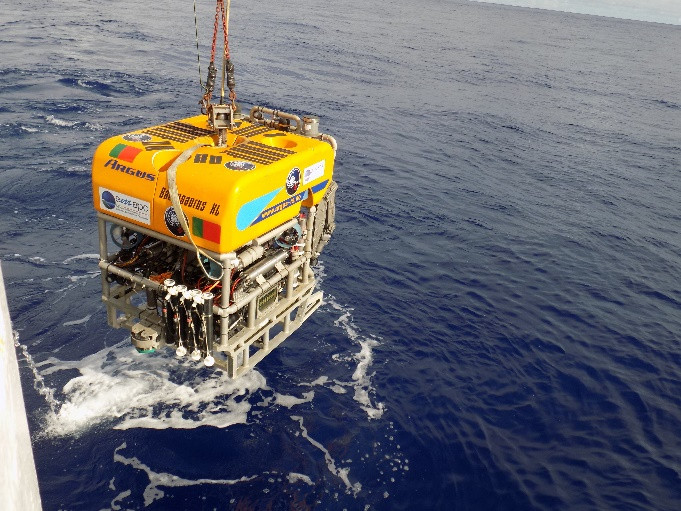 BIOMETORE 2015
 to the Great Meteor Complex seamounts
BIOMETORE 2015
BIOMETORE 2015 to the Great Meteor Complex seamounts
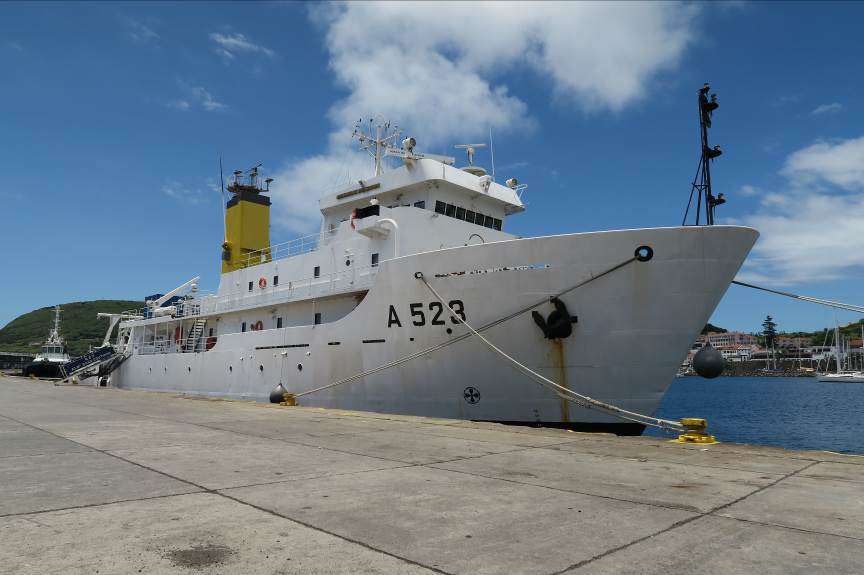 Blue Azores 2018
Blue Azores Program: Expedition 2018
Blue Azores 2018
Blue Azores Program: Expedition 2018
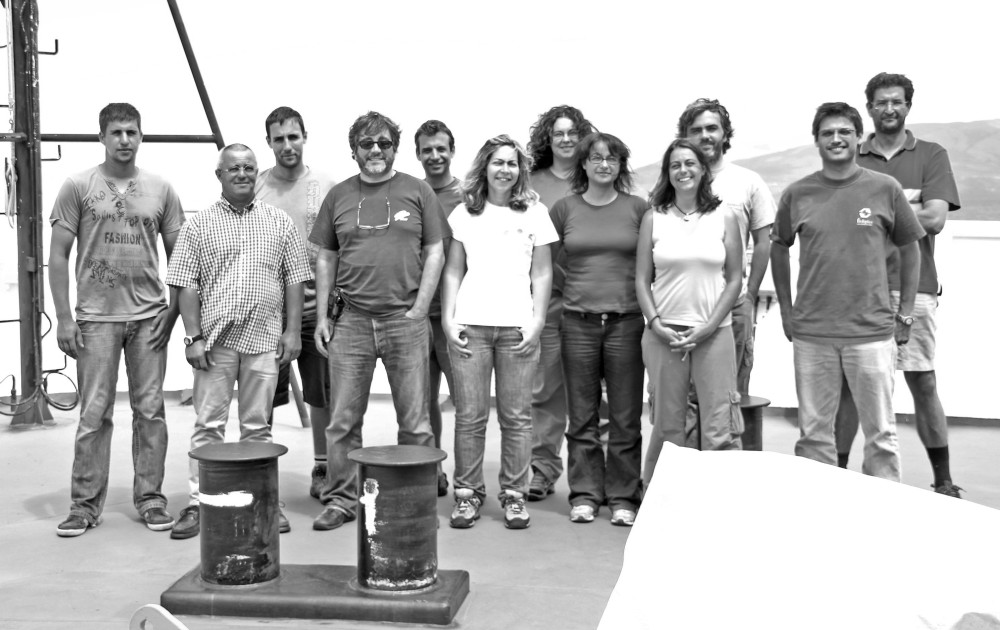 CoralFISH 2010
CoralFish cruise to Condor, Voador and Banco Açores 2010
CoralFISH 2010
CoralFish cruise to Condor, Voador and Banco Açores 2010
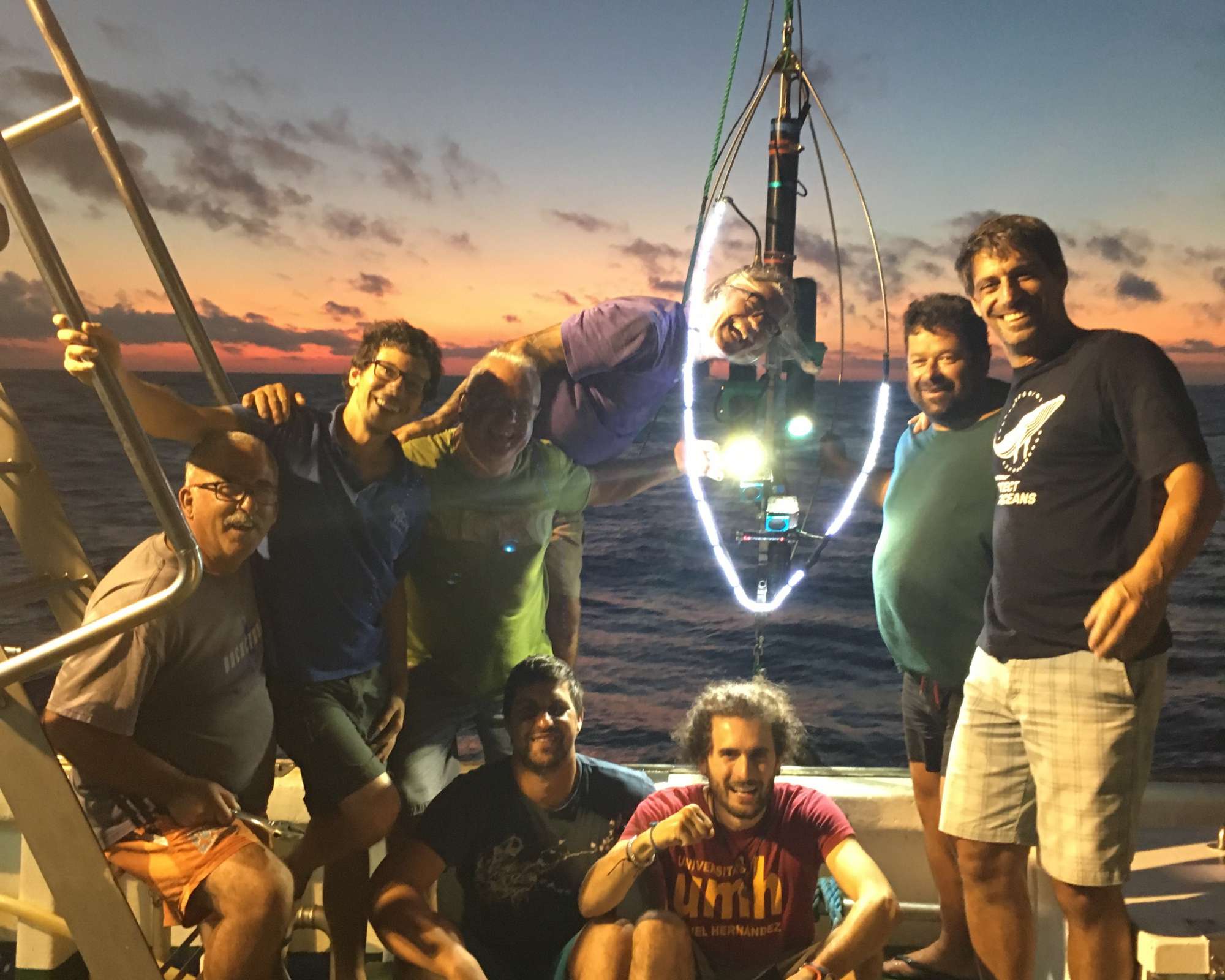 MapGES 2019
Mapping deep-sea biodiversity and “Good Environmental Status” in the Azores
MapGES 2019
Mapping deep-sea biodiversity and “Good Environmental Status” in the Azores
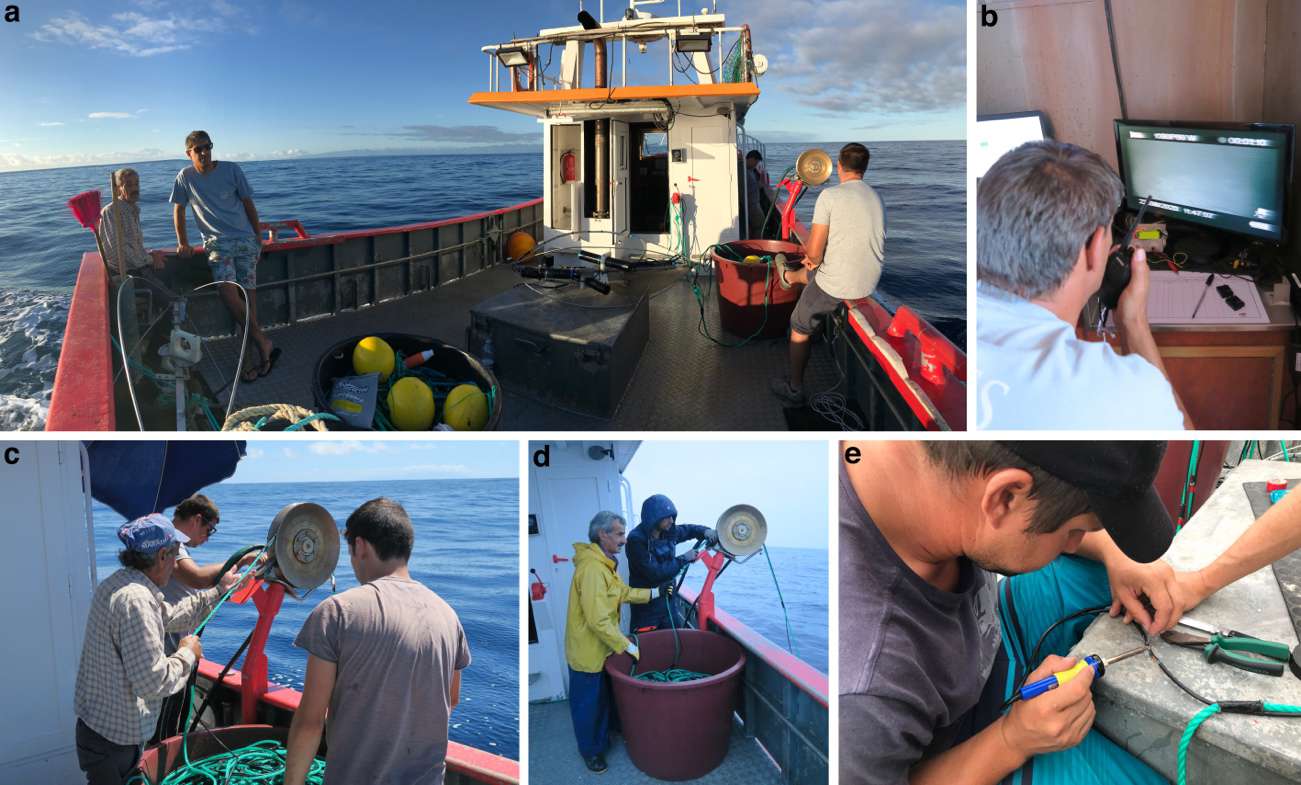 MapGES 2020
Mapping deep-sea biodiversity and “Good Environmental Status” in the Azores
MapGES 2020
Mapping deep-sea biodiversity and “Good Environmental Status” in the Azores
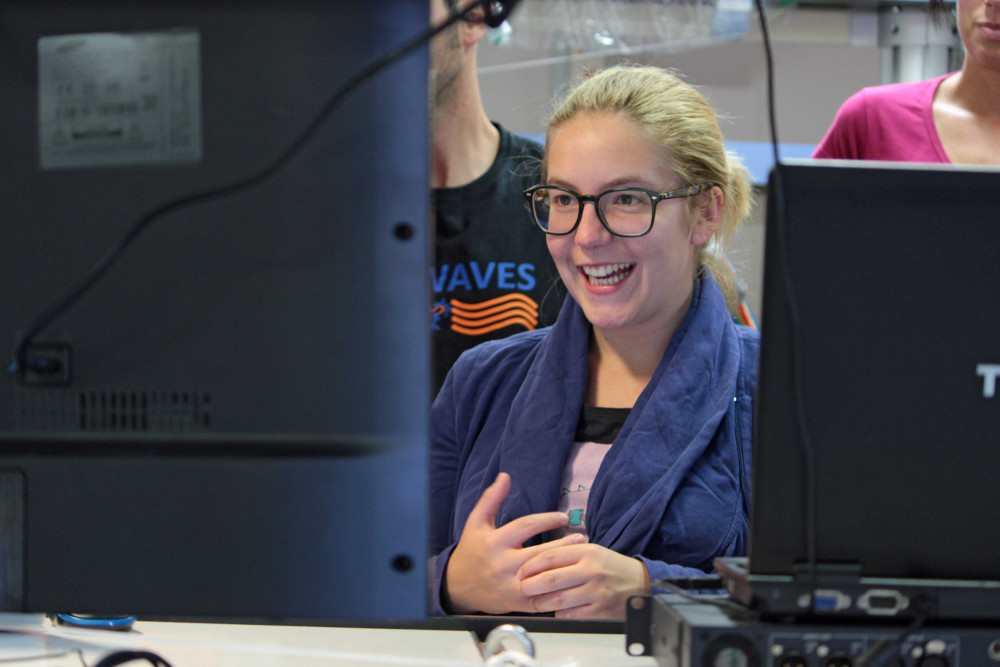 MedWaves 2016
MEDiterranean out flow WAter and Vulnerable EcosystemS
MedWaves 2016
MEDiterranean out flow WAter and Vulnerable EcosystemS
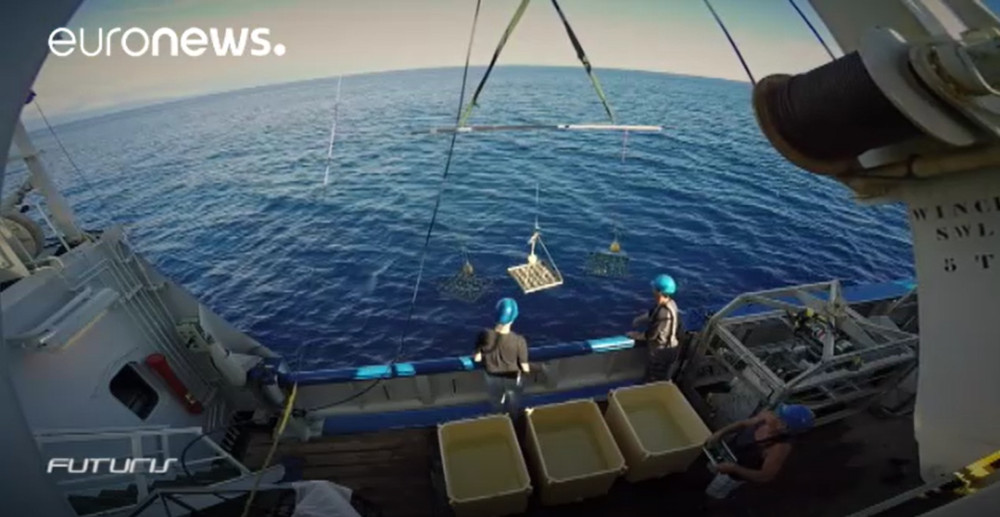 MIDAS 2016
Investigation of Field Protocols for Deep Sea Mining Monitoring and Environmental Impact Assessment
MIDAS 2016
Investigation of Field Protocols for Deep Sea Mining Monitoring and Environmental Impact Assessment
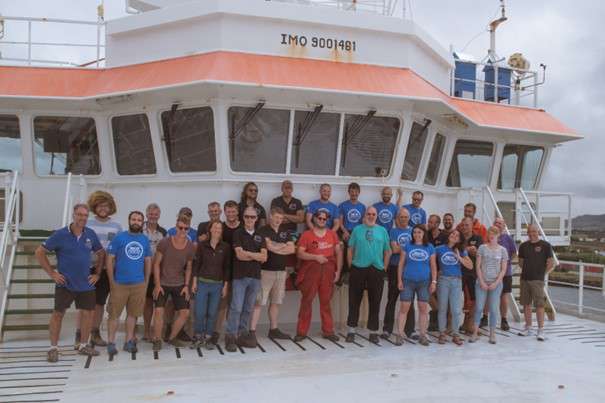 NICO Leg 12 2018
RV Pelagia cruise 64PE441: Rainbow hydrothermal vent, southern MAR, and Terceira 2018
NICO Leg 12 2018
RV Pelagia cruise 64PE441: Rainbow hydrothermal vent, southern MAR, and Terceira 2018
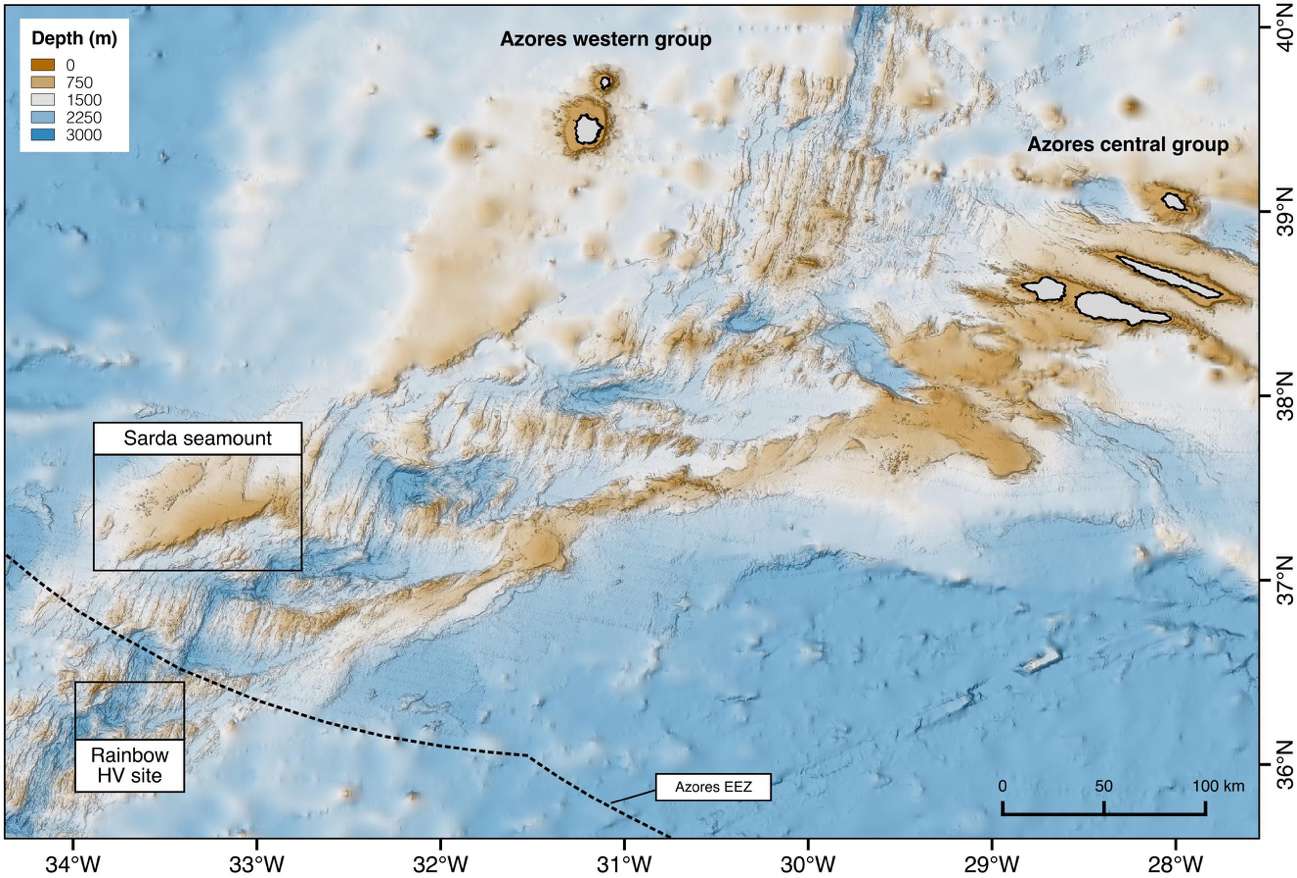 Rainbow 2019
RV Pelagia cruise 64PE454: Rainbow hydrothermal vent and southern MAR 2019
Rainbow 2019
RV Pelagia cruise 64PE454: Rainbow hydrothermal vent and southern MAR 2019
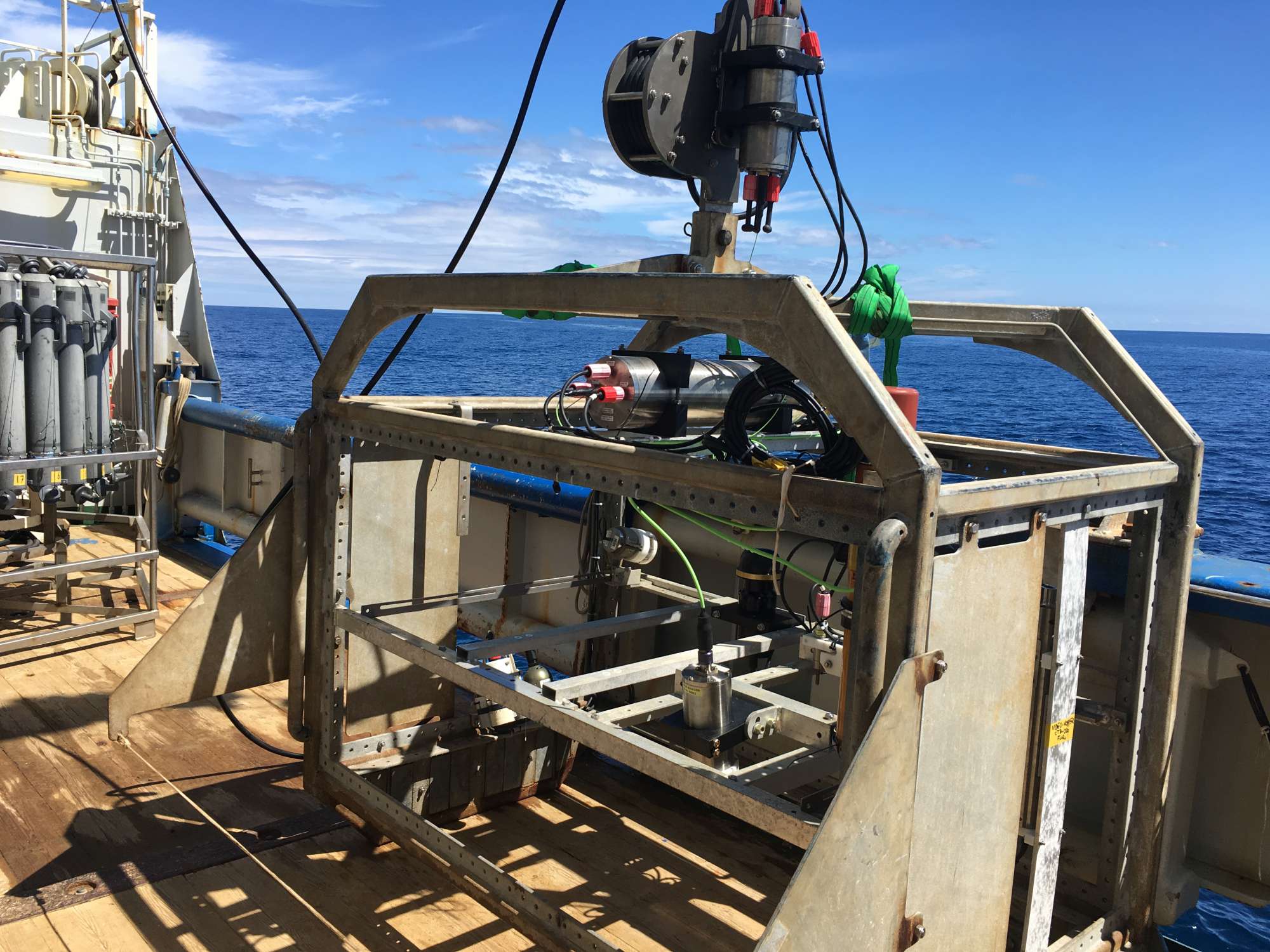 Terceira 2019
RV Pelagia cruise 64PE456: Terceira Island 2019
Terceira 2019
RV Pelagia cruise 64PE456: Terceira Island 2019
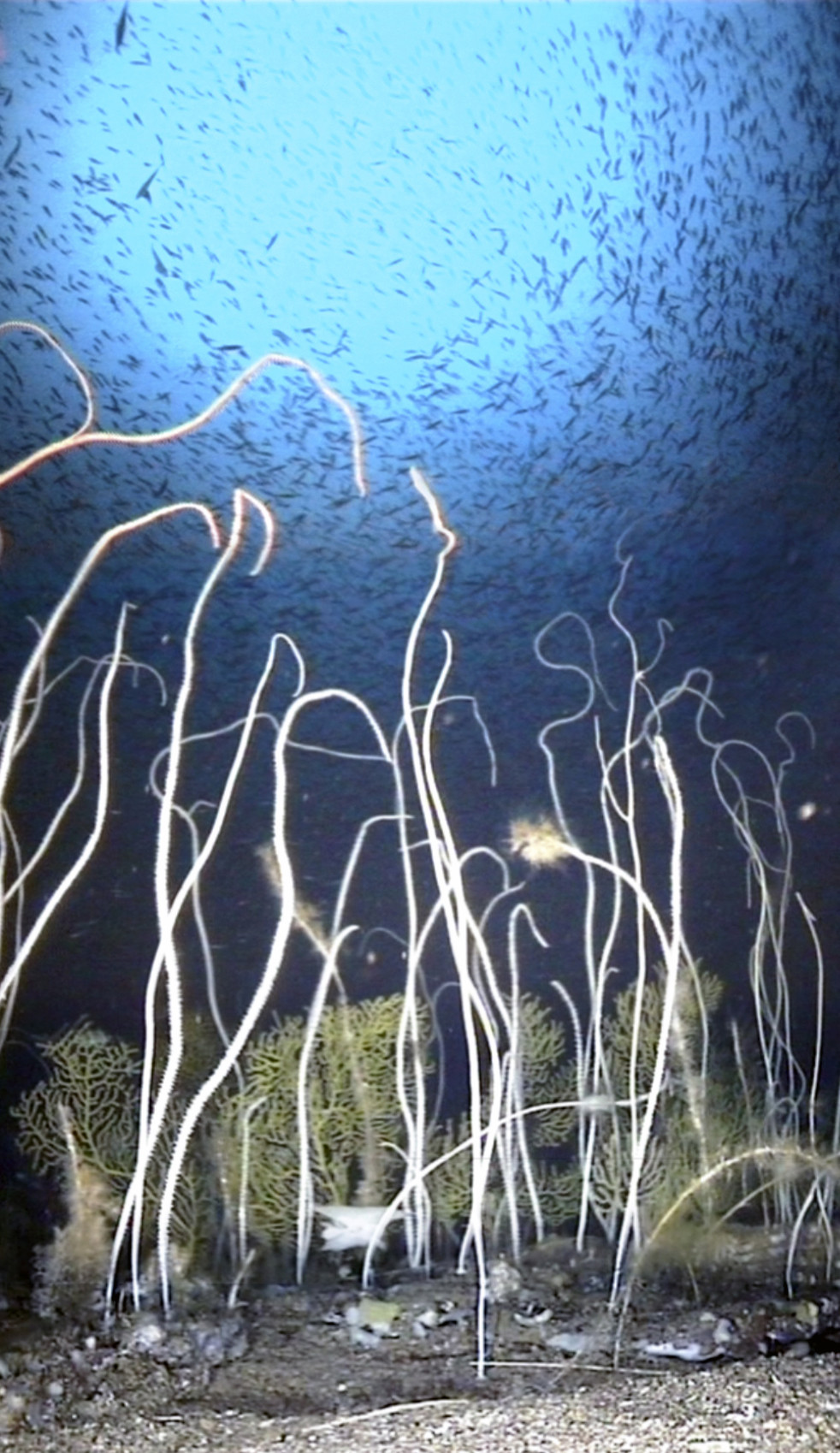
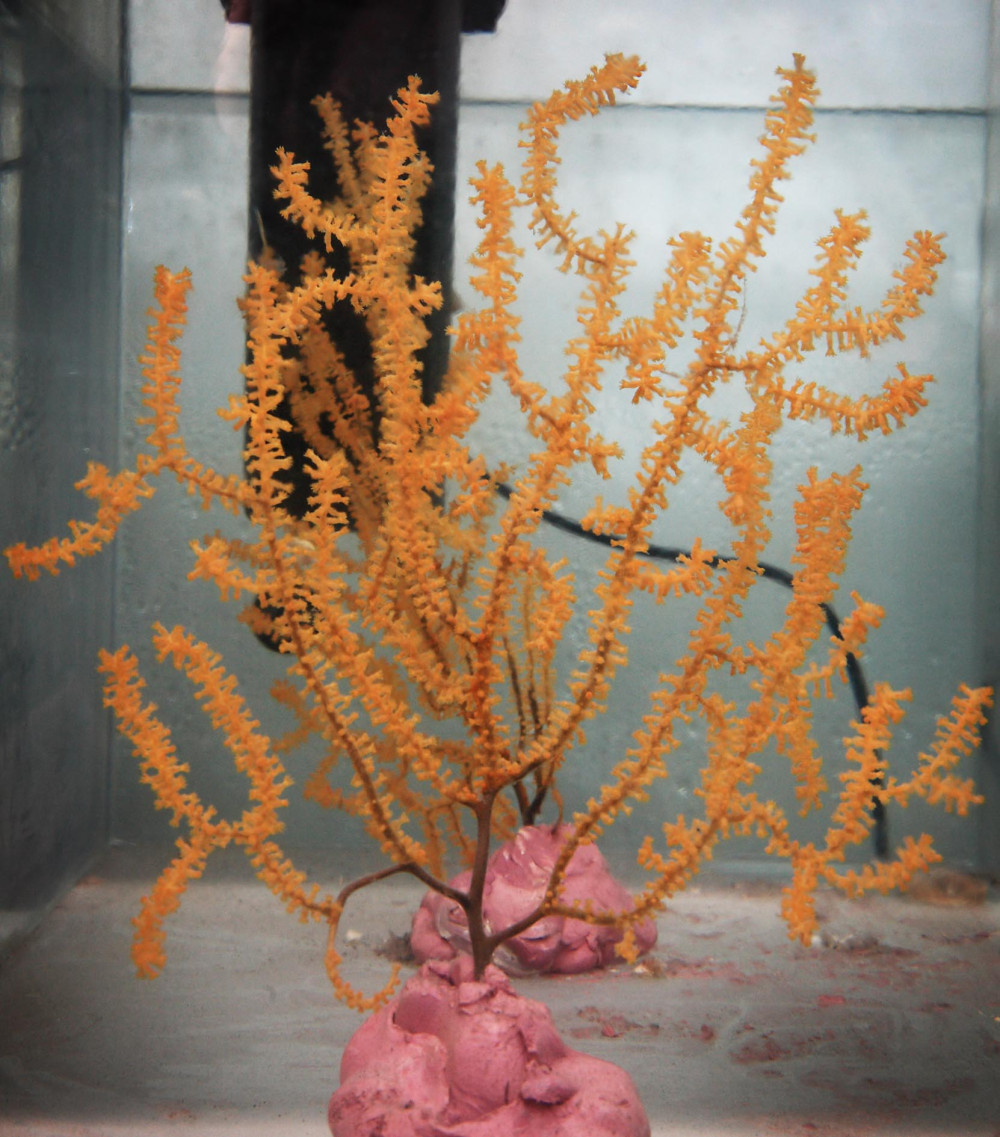
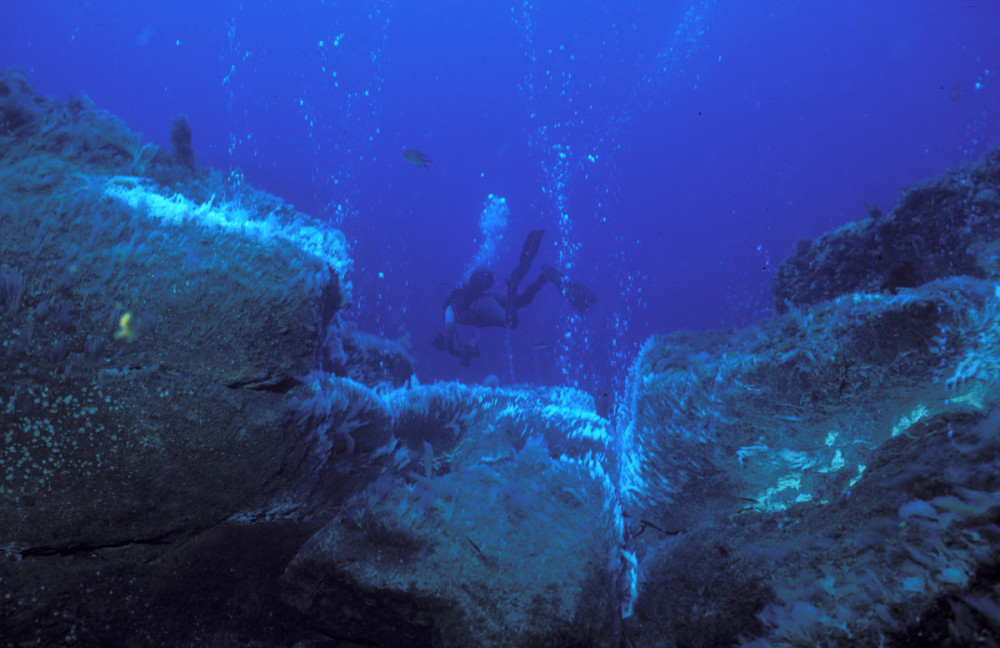
HERMIONE Gallery






Location
Departamento de Oceanografia e Pescas — Universidade dos Açores
Rua Prof. Doutor Frederico Machado, No. 4
9901-862 Horta, Portugal
Contact
Email: azoresdeepsea@gmail.com

AZORES DEEP-SEA RESEARCH © 2020-2026 — RELEASE 2.1
 VALTER MEDEIROS