Loading…
Loading…

DeepWalls
Exploring pristine deep-sea walls to establish baselines for Good Environmental Status in the Azores
DeepWalls
Loading project…
Exploring pristine deep-sea walls to establish baselines for Good Environmental Status in the Azores
Period: 01 May 2019 to 30 Jun 2023
Funding: 1 source(s)
01 May 2019 to 30 Jun 2023
Regional Government of the Azores, PO Açores 2020, European Regional Development Fund (ERDF / FEDER)
Budget: 179,821.00 €
Summary
Exploring pristine deep-sea walls to establish baselines for Good Environmental Status in the Azores
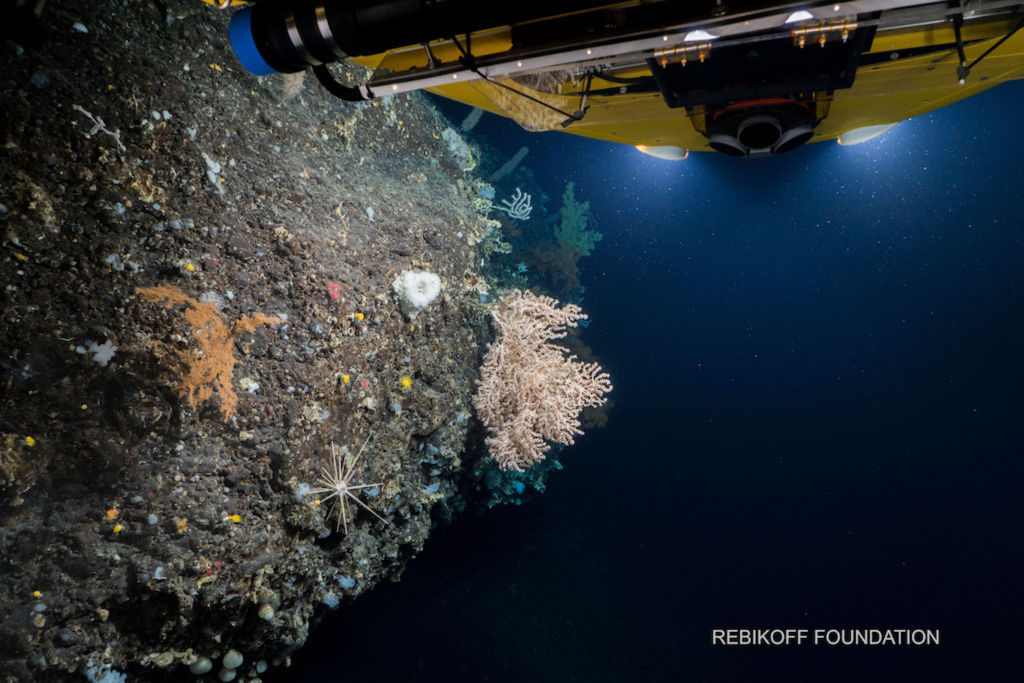
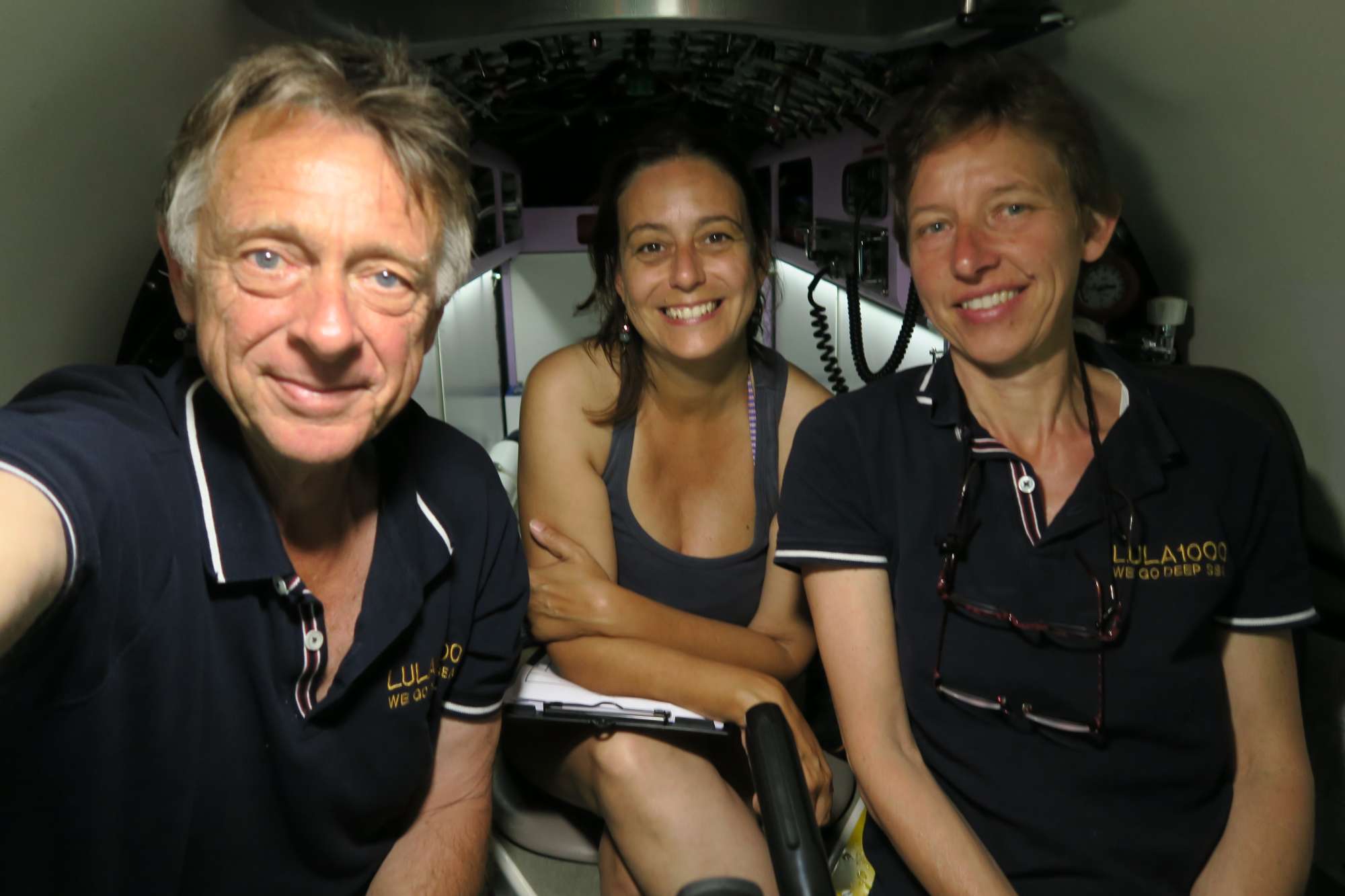
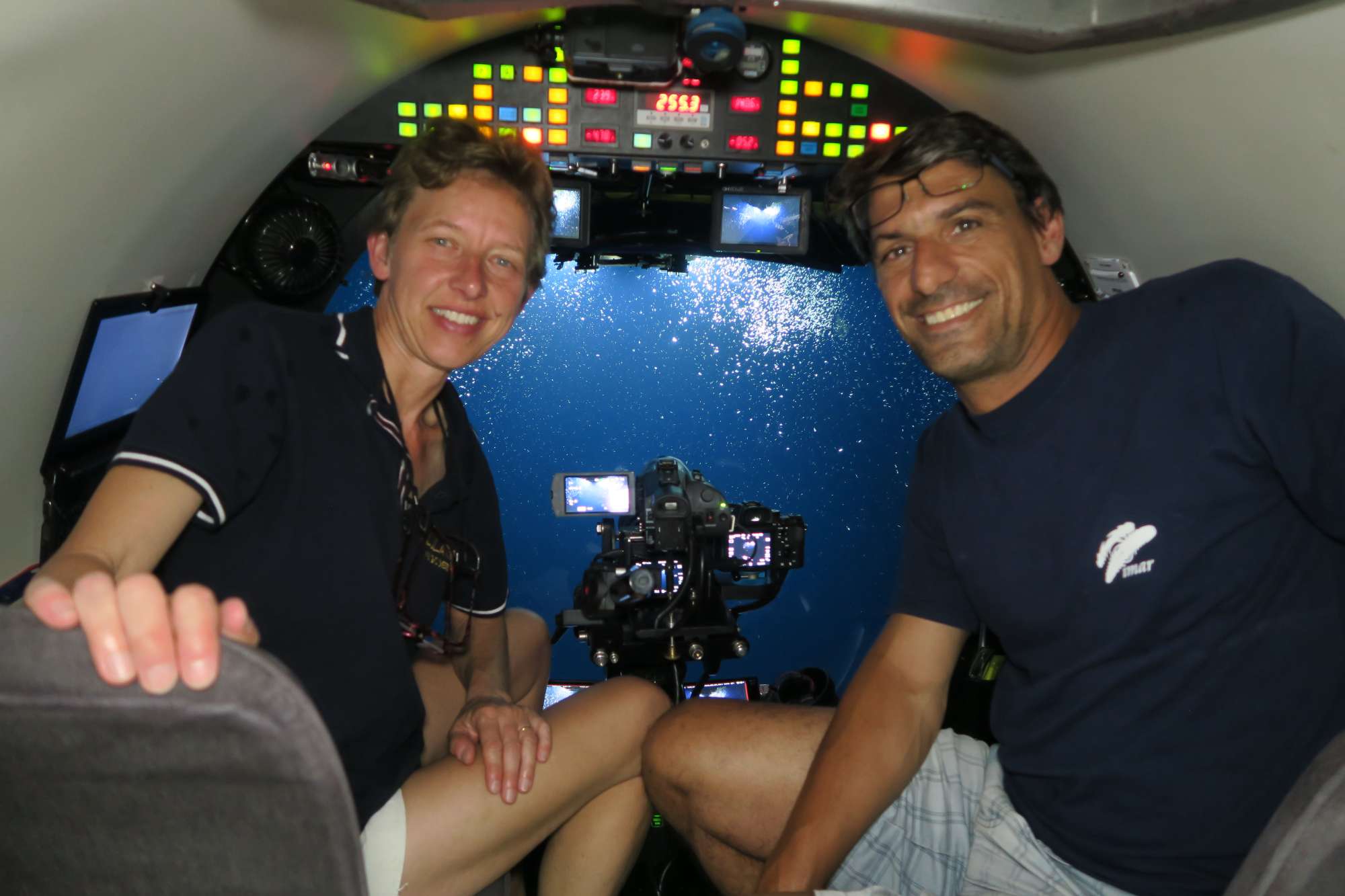
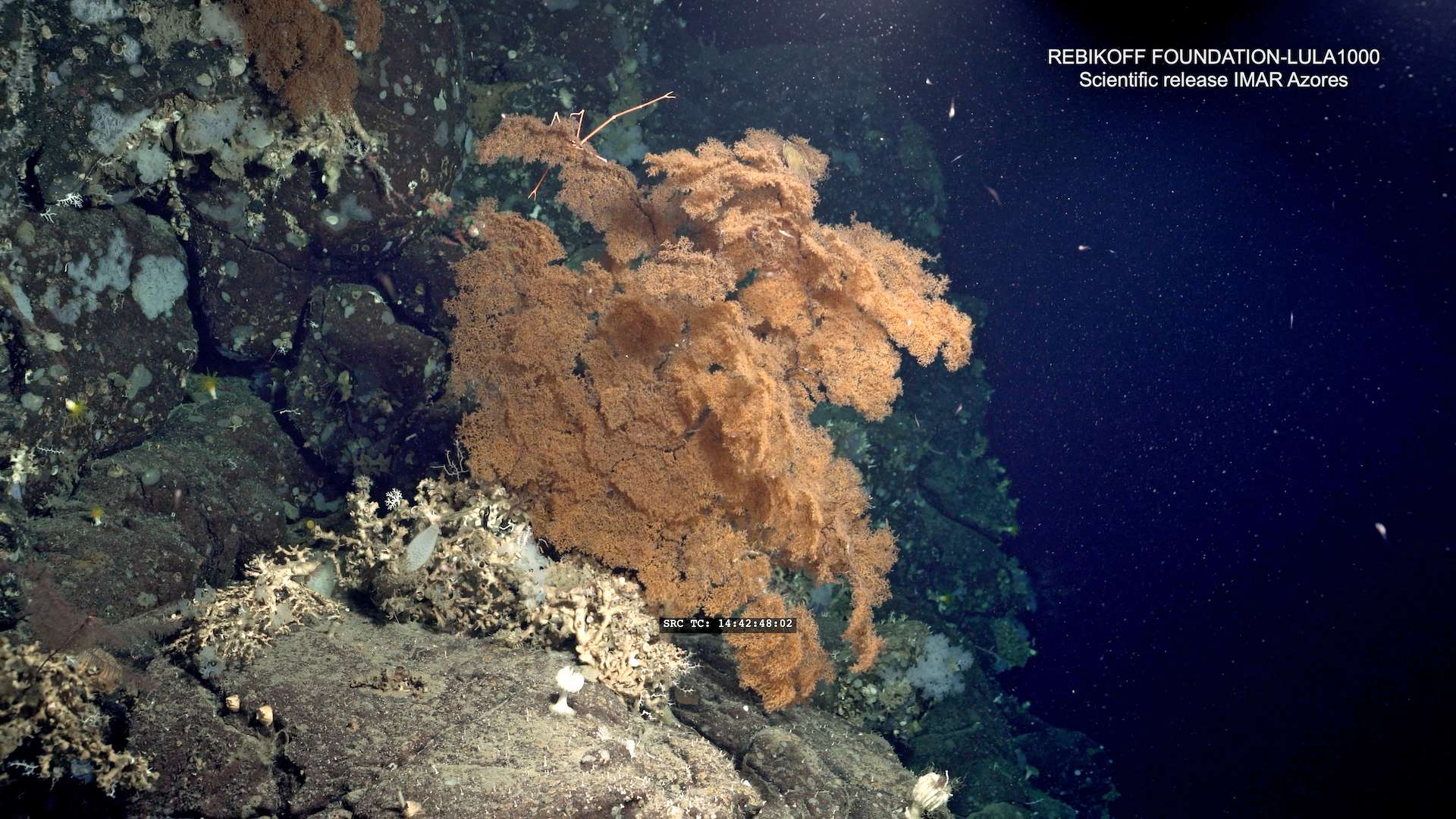
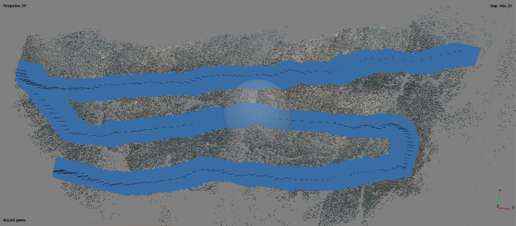
DeepWalls aims towards answering fundamental questions about the ecology of deep-sea underwater cliffs. Using a range of local knowledge and predictions from experts, and together with the Rebikoff-Niggeler Foundation, we set a quest to locate vertical walls in the deep sea surrounding the islands of the central group in the Azores. Using the submersible LULA1000 (https://www.rebikoff.org/submersible-lula-1000/), we recorded high-resolution video images of the vertical walls encountered to characterize the diversity of benthic species that inhabit them. The images obtained during several underwater dives will be used to quantify the composition and structure of the benthic communities that live on vertical walls to determine the uniqueness of the habitat they create. State-of-the-art techniques such a Structure from Motion and photogrammetry will be used to reconstruct the walls in 3D images in order to evaluate small-scale variations in the terrain and how small differences can influence species composition. The findings of this project will be used to inform baselines for Good Environmental Status as part of the demands of the Marine Strategy Framework Directive (MFSD) of the European Union. We hypothesise that deep-sea vertical walls may may have escaped the impacts of bottom fishing due to the protective posture that a vertical cliff or a wall can provide to the benthic fauna.
The Azores region harbours an array of large geomorphological features including ridges, seamounts, plateaus and abyssal plains. This complex topography hosts a variety of small-scale variations, including underwater cliffs (or vertical walls) and overhangs that create distinct habitats in the region. Characterizing their geomorphology and benthic community composition requires a feat of technology in order to navigate these complex terrains to collect data. Since most of these walls are still unexplored, many important questions remain unanswered: How much heterogeneity do vertical walls introduce into the environment at small scales? How widespread are they? Can we predict their location? Do vertical walls support unique assemblages of megabenthic species? Can these habitats be used to determine baselines for Good Environmental Status? ¡
Our Team's role
We lead the DeepWalls project, all the workpackages and the outreach activities.
Collaborators
Main results
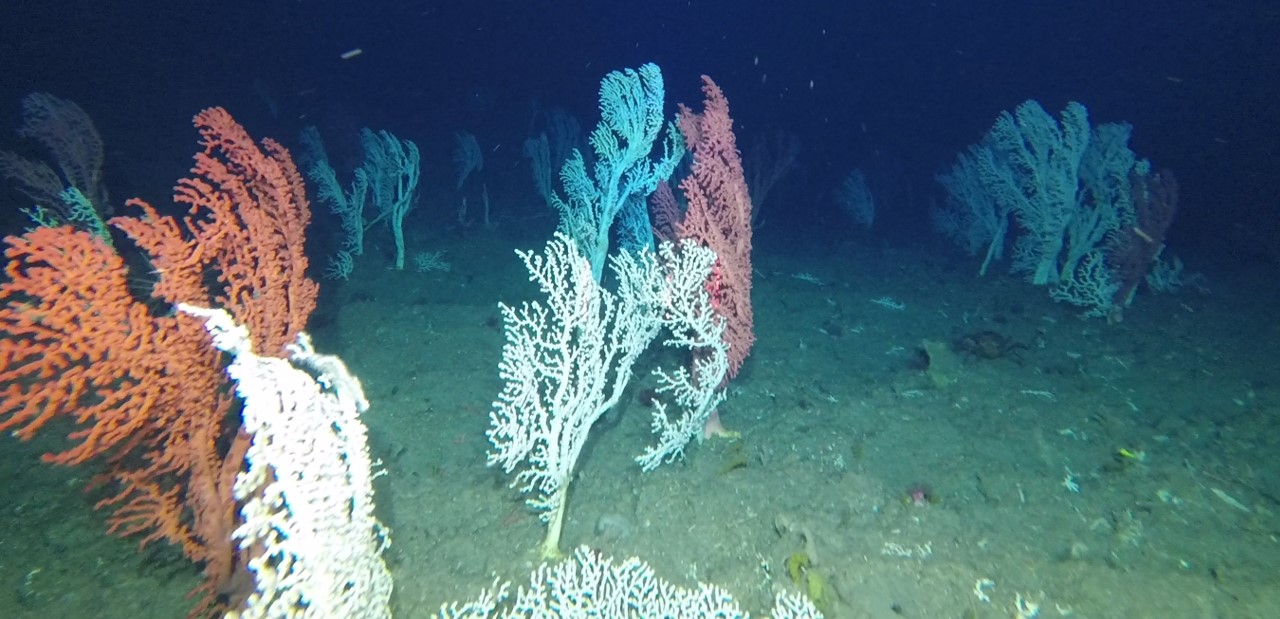
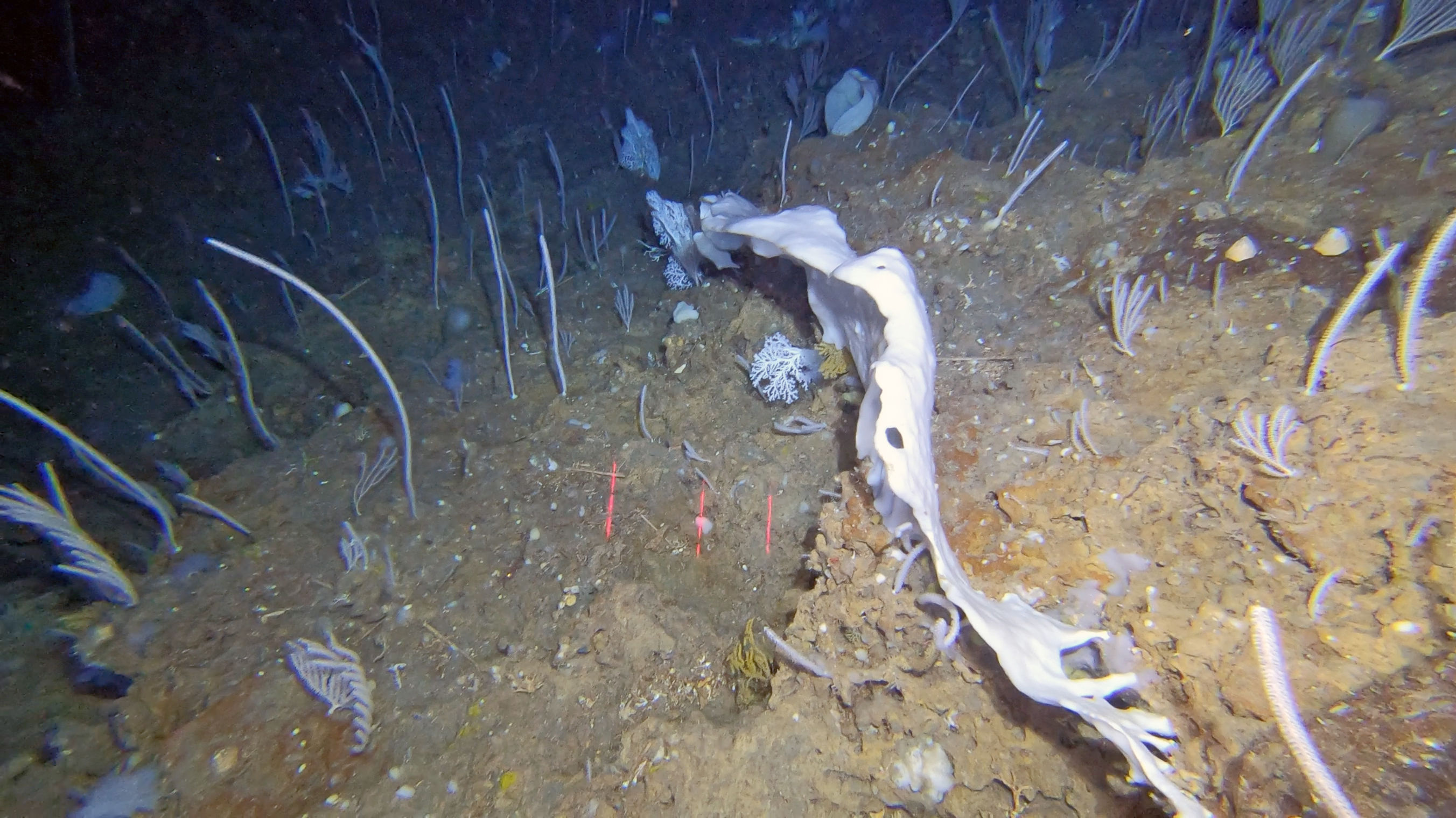
DeepWalls utilises advanced imaging technology and software processing to achieve the projects objectives. We have demonstrated that vertical walls host an abundance of life, including important reef-forming, and habitat-building cold-water coral species. Glass sponges and reef-building scleractinian corals were found on the vertical walls, which provide a 3D skeletal framework that increases the structural complexity of the habitat and likely enhances biodiversity at the local scale. Large black corals were observed, protruding over a metre from the walls, providing habitat for abundant associated fauna. We have utilised innovative and complex computer algorithms to quantify the wall in 3D images, observing a plethora of geomorphic features, which contribute to generate a rich and heterogeneous habitat.

 DeepWalls
Exploring pristine deep-sea walls to establish baselines for Good Environmental Status in the Azores
Funded by Regional Government of the Azores, PO Açores 2020, European Regional Development Fund (ERDF / FEDER)
DeepWalls
Exploring pristine deep-sea walls to establish baselines for Good Environmental Status in the Azores
Funded by Regional Government of the Azores, PO Açores 2020, European Regional Development Fund (ERDF / FEDER)
 iAtlantic
Integrated Assessment of Atlantic Marine Ecosystems in Space and Time
Funded by European Union’s Horizon 2020
iAtlantic
Integrated Assessment of Atlantic Marine Ecosystems in Space and Time
Funded by European Union’s Horizon 2020
 ATLAS
A transatlantic assessment and deep-water ecosystem-based spatial management plan for Europe
Funded by European Union’s Horizon 2020
DeepWalls
Exploring pristine deep-sea walls to establish baselines for Good Environmental Status in the Azores
Funded by Regional Government of the Azores, PO Açores 2020, European Regional Development Fund (ERDF / FEDER)
iAtlantic
Integrated Assessment of Atlantic Marine Ecosystems in Space and Time
Funded by European Union’s Horizon 2020
ATLAS
A transatlantic assessment and deep-water ecosystem-based spatial management plan for Europe
Funded by European Union’s Horizon 2020
ATLAS
A transatlantic assessment and deep-water ecosystem-based spatial management plan for Europe
Funded by European Union’s Horizon 2020
DeepWalls
Exploring pristine deep-sea walls to establish baselines for Good Environmental Status in the Azores
Funded by Regional Government of the Azores, PO Açores 2020, European Regional Development Fund (ERDF / FEDER)
iAtlantic
Integrated Assessment of Atlantic Marine Ecosystems in Space and Time
Funded by European Union’s Horizon 2020
ATLAS
A transatlantic assessment and deep-water ecosystem-based spatial management plan for Europe
Funded by European Union’s Horizon 2020
 Blue Azores
Blue Paper Cooperation protocol
Funded by Fundação Oceano Azul
DeepWalls
Exploring pristine deep-sea walls to establish baselines for Good Environmental Status in the Azores
Funded by Regional Government of the Azores, PO Açores 2020, European Regional Development Fund (ERDF / FEDER)
iAtlantic
Integrated Assessment of Atlantic Marine Ecosystems in Space and Time
Funded by European Union’s Horizon 2020
Blue Azores
Blue Paper Cooperation protocol
Funded by Fundação Oceano Azul
DeepWalls
Exploring pristine deep-sea walls to establish baselines for Good Environmental Status in the Azores
Funded by Regional Government of the Azores, PO Açores 2020, European Regional Development Fund (ERDF / FEDER)
iAtlantic
Integrated Assessment of Atlantic Marine Ecosystems in Space and Time
Funded by European Union’s Horizon 2020
 MapGES
Mapping deep-sea biodiversity and “Good Environmental Status” in the Azores: assisting with the implementation of EU Marine Strategy Framework Directive
Funded by Regional Government of the Azores, PO Açores 2020, European Regional Development Fund (ERDF / FEDER)
MapGES
Mapping deep-sea biodiversity and “Good Environmental Status” in the Azores: assisting with the implementation of EU Marine Strategy Framework Directive
Funded by Regional Government of the Azores, PO Açores 2020, European Regional Development Fund (ERDF / FEDER)
 MERCES
Marine Ecosystem Restoration in Changing European Seas
Funded by European Union’s Horizon 2020
MERCES
Marine Ecosystem Restoration in Changing European Seas
Funded by European Union’s Horizon 2020
 ATLAS
A transatlantic assessment and deep-water ecosystem-based spatial management plan for Europe
Funded by European Union’s Horizon 2020
ATLAS
A transatlantic assessment and deep-water ecosystem-based spatial management plan for Europe
Funded by European Union’s Horizon 2020
 CoralFISH
Assessment of the interaction between corals, fish and fisheries, in order to develop monitoring and predictive modelling tools for ecosystem based management in the deep waters of Europe and beyond
Funded by European Union’s FP7
DeepWalls
Exploring pristine deep-sea walls to establish baselines for Good Environmental Status in the Azores
Funded by Regional Government of the Azores, PO Açores 2020, European Regional Development Fund (ERDF / FEDER)
CoralFISH
Assessment of the interaction between corals, fish and fisheries, in order to develop monitoring and predictive modelling tools for ecosystem based management in the deep waters of Europe and beyond
Funded by European Union’s FP7
DeepWalls
Exploring pristine deep-sea walls to establish baselines for Good Environmental Status in the Azores
Funded by Regional Government of the Azores, PO Açores 2020, European Regional Development Fund (ERDF / FEDER)
 HERMIONE
Hotspot Ecosystem Research and Man’s Impact on European Seas
iAtlantic
Integrated Assessment of Atlantic Marine Ecosystems in Space and Time
Funded by European Union’s Horizon 2020
MapGES
Mapping deep-sea biodiversity and “Good Environmental Status” in the Azores: assisting with the implementation of EU Marine Strategy Framework Directive
Funded by Regional Government of the Azores, PO Açores 2020, European Regional Development Fund (ERDF / FEDER)
HERMIONE
Hotspot Ecosystem Research and Man’s Impact on European Seas
iAtlantic
Integrated Assessment of Atlantic Marine Ecosystems in Space and Time
Funded by European Union’s Horizon 2020
MapGES
Mapping deep-sea biodiversity and “Good Environmental Status” in the Azores: assisting with the implementation of EU Marine Strategy Framework Directive
Funded by Regional Government of the Azores, PO Açores 2020, European Regional Development Fund (ERDF / FEDER)
 MarinePlan
Improved transdisciplinary science for effective ecosystem-based maritime spatial planning and conservation in European Seas
Funded by European Union’s Horizon Europe
MERCES
Marine Ecosystem Restoration in Changing European Seas
Funded by European Union’s Horizon 2020
MarinePlan
Improved transdisciplinary science for effective ecosystem-based maritime spatial planning and conservation in European Seas
Funded by European Union’s Horizon Europe
MERCES
Marine Ecosystem Restoration in Changing European Seas
Funded by European Union’s Horizon 2020
 MIDAS
Managing Impacts of Deep-seA reSource exploitation
Funded by European Union’s FP7
MIDAS
Managing Impacts of Deep-seA reSource exploitation
Funded by European Union’s FP7
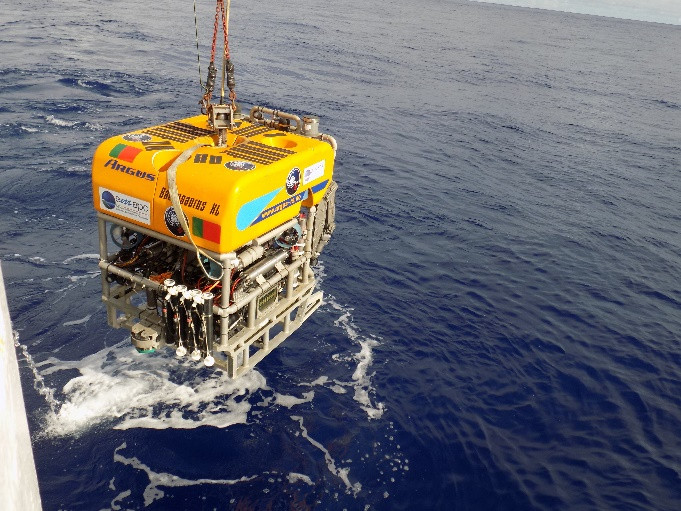 BIOMETORE 2015
 to the Great Meteor Complex seamounts
BIOMETORE 2015
BIOMETORE 2015 to the Great Meteor Complex seamounts
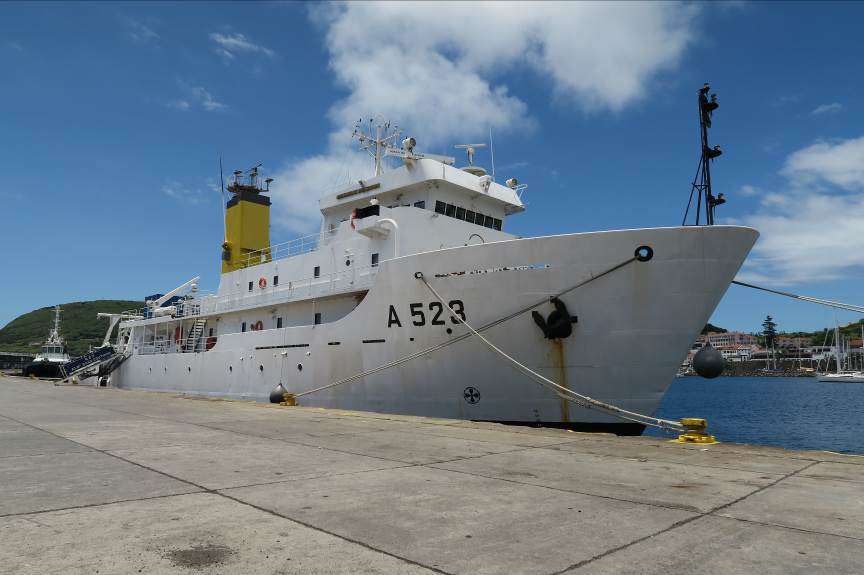 Blue Azores 2018
Blue Azores Program: Expedition 2018
Blue Azores 2018
Blue Azores Program: Expedition 2018
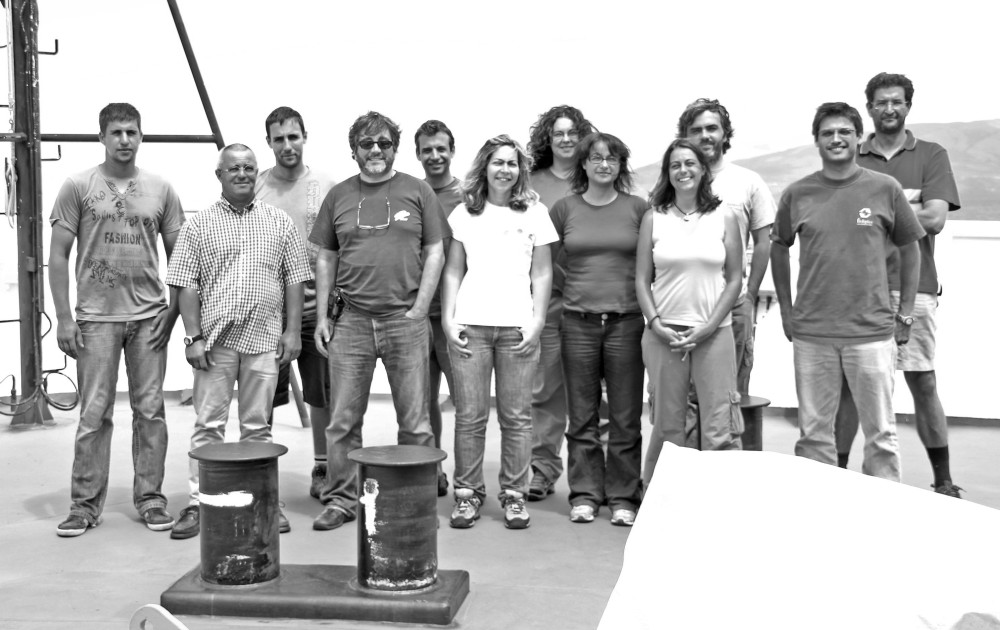 CoralFISH 2010
CoralFish cruise to Condor, Voador and Banco Açores 2010
CoralFISH 2010
CoralFish cruise to Condor, Voador and Banco Açores 2010
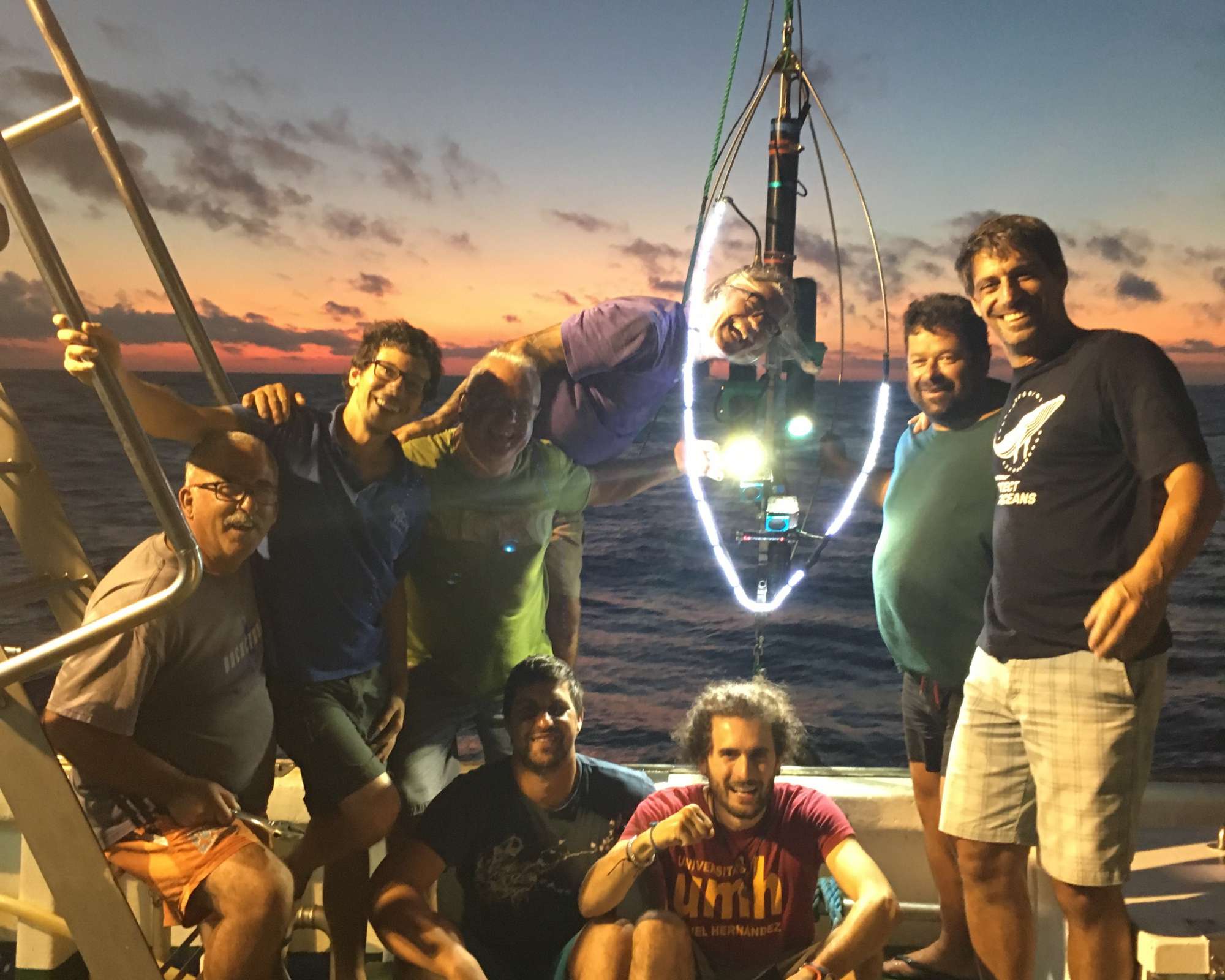 MapGES 2019
Mapping deep-sea biodiversity and “Good Environmental Status” in the Azores
MapGES 2019
Mapping deep-sea biodiversity and “Good Environmental Status” in the Azores
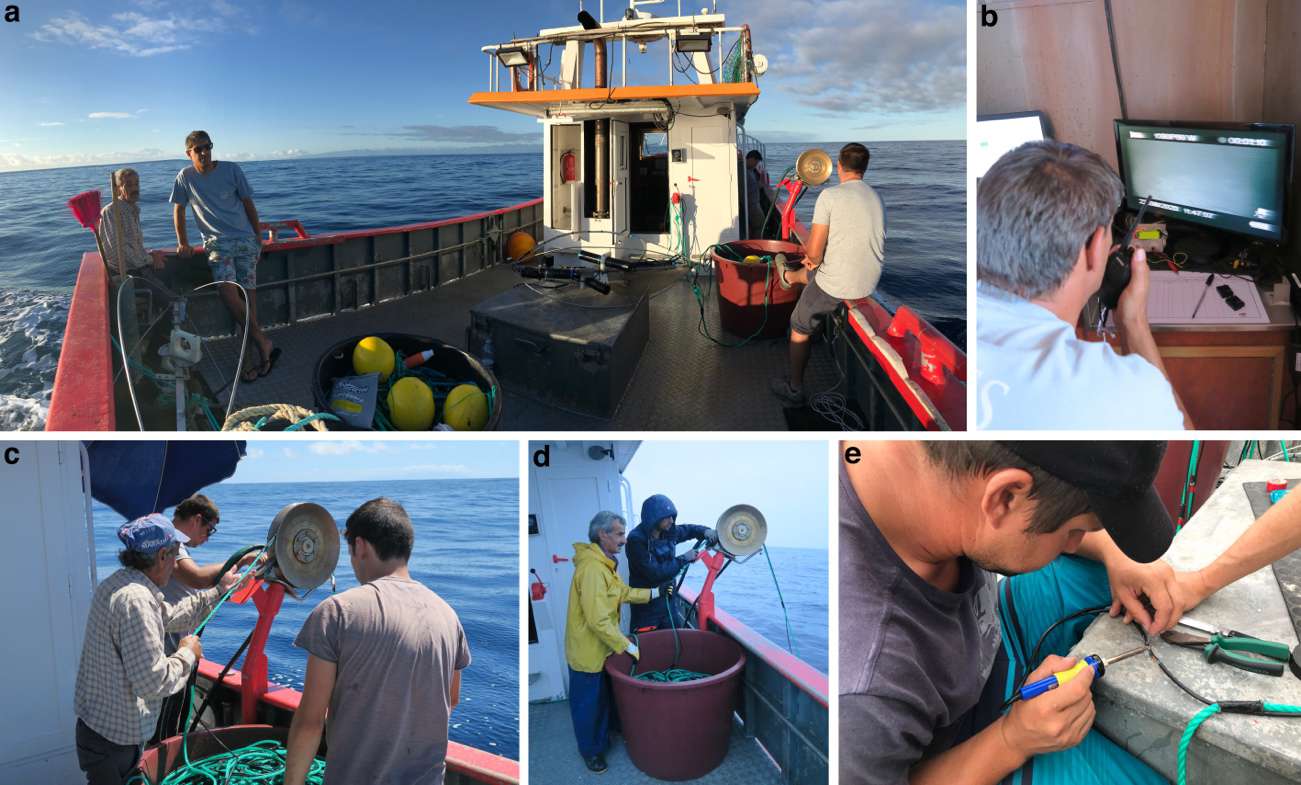 MapGES 2020
Mapping deep-sea biodiversity and “Good Environmental Status” in the Azores
MapGES 2020
Mapping deep-sea biodiversity and “Good Environmental Status” in the Azores
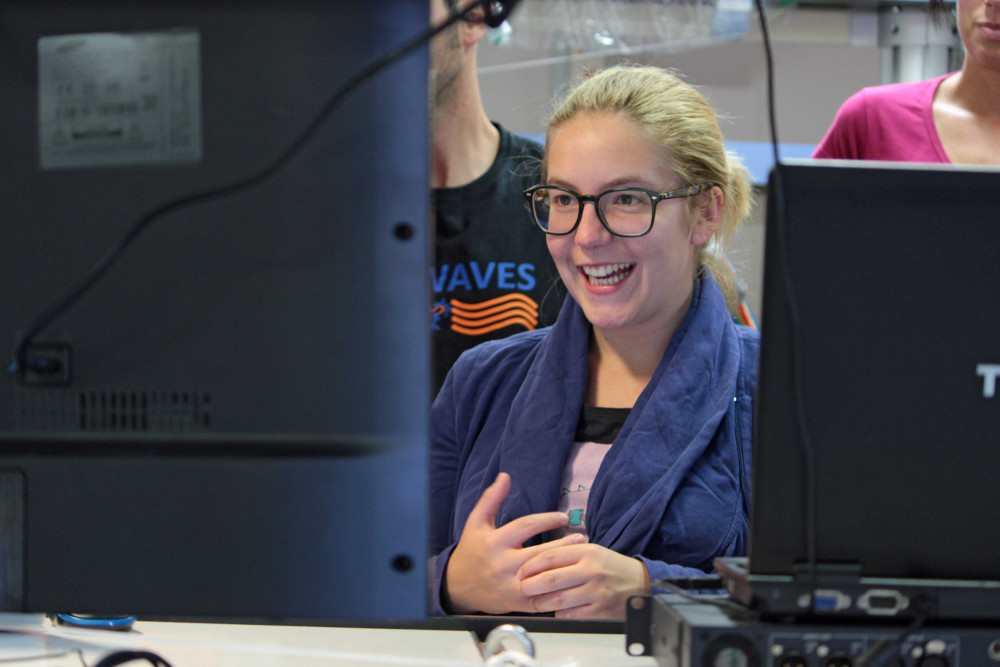 MedWaves 2016
MEDiterranean out flow WAter and Vulnerable EcosystemS
MedWaves 2016
MEDiterranean out flow WAter and Vulnerable EcosystemS
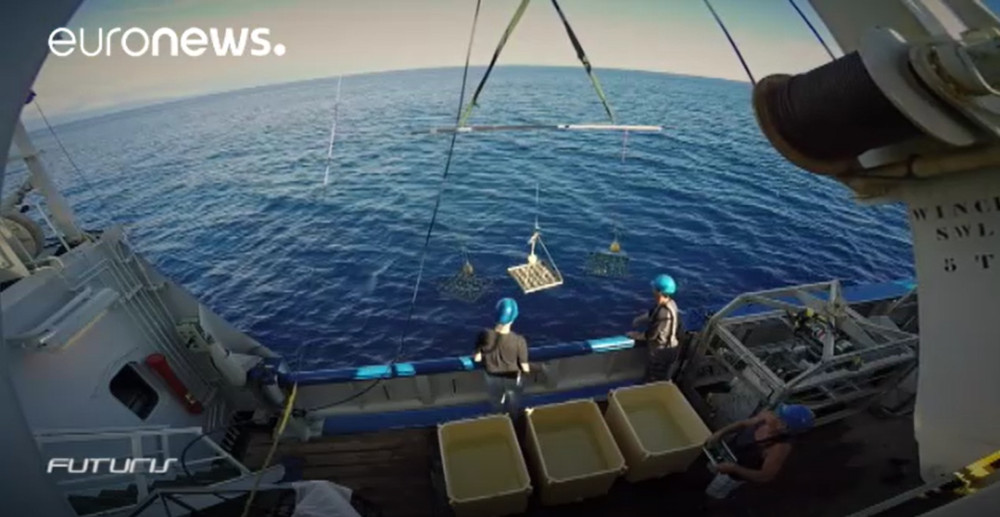 MIDAS 2016
Investigation of Field Protocols for Deep Sea Mining Monitoring and Environmental Impact Assessment
MIDAS 2016
Investigation of Field Protocols for Deep Sea Mining Monitoring and Environmental Impact Assessment
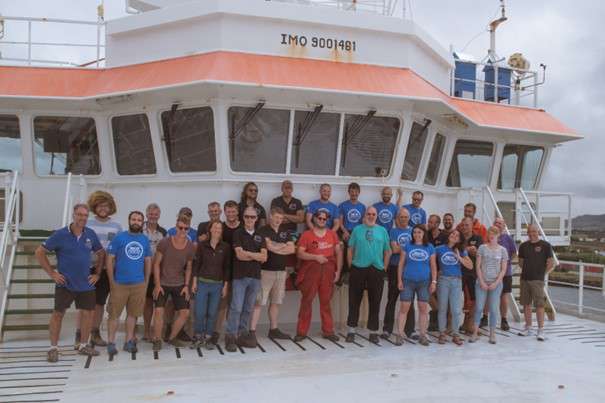 NICO Leg 12 2018
RV Pelagia cruise 64PE441: Rainbow hydrothermal vent, southern MAR, and Terceira 2018
NICO Leg 12 2018
RV Pelagia cruise 64PE441: Rainbow hydrothermal vent, southern MAR, and Terceira 2018
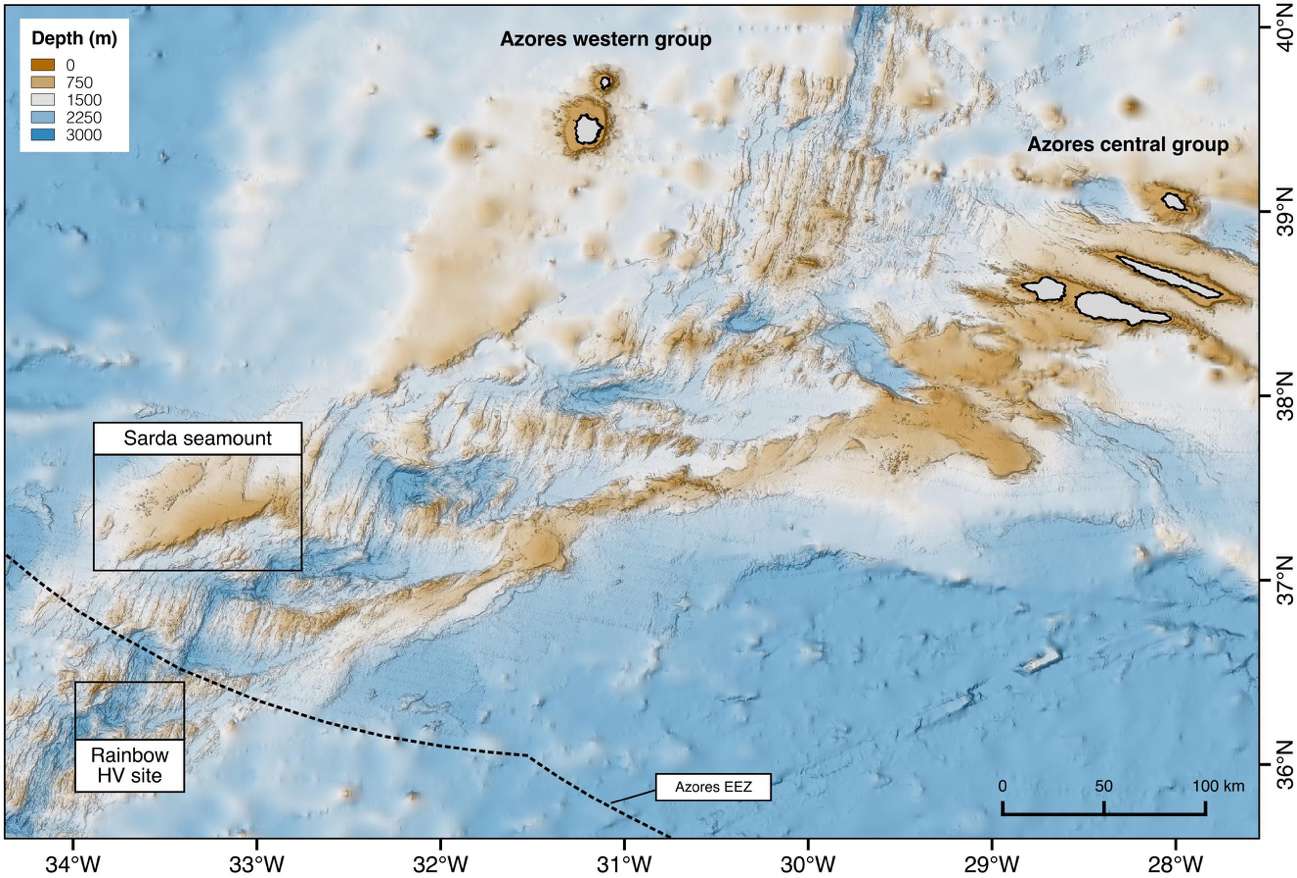 Rainbow 2019
RV Pelagia cruise 64PE454: Rainbow hydrothermal vent and southern MAR 2019
Rainbow 2019
RV Pelagia cruise 64PE454: Rainbow hydrothermal vent and southern MAR 2019
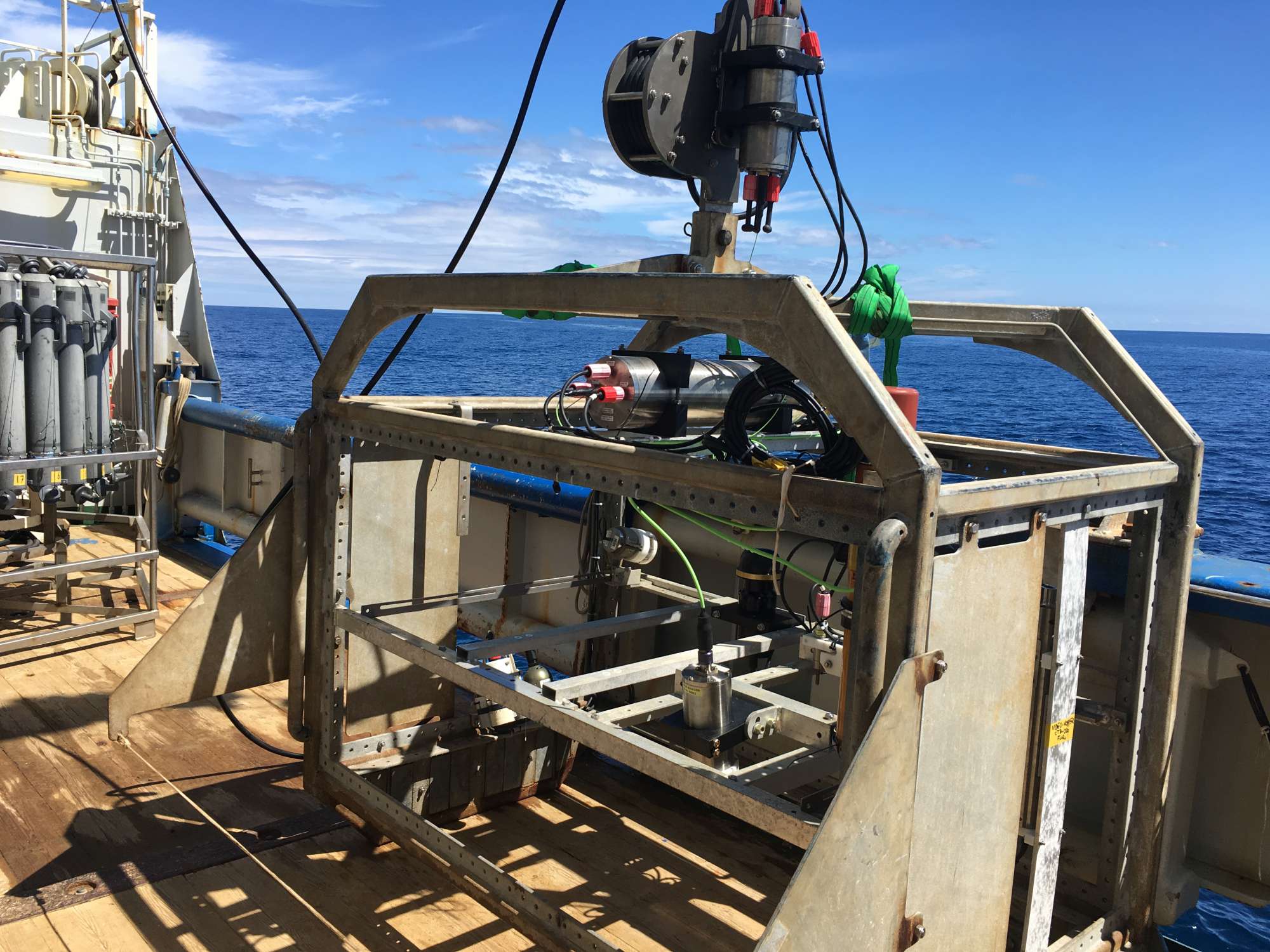 Terceira 2019
RV Pelagia cruise 64PE456: Terceira Island 2019
Terceira 2019
RV Pelagia cruise 64PE456: Terceira Island 2019
DeepWalls Gallery














Location
Departamento de Oceanografia e Pescas — Universidade dos Açores
Rua Prof. Doutor Frederico Machado, No. 4
9901-862 Horta, Portugal
Contact
Email: azoresdeepsea@gmail.com

AZORES DEEP-SEA RESEARCH © 2020-2026 — RELEASE 2.1
 VALTER MEDEIROS