MIDAS 2016

Investigation of Field Protocols for Deep Sea Mining Monitoring and Environmental Impact Assessment

Logo

MIDAS 2016

Loading cruise data…

Investigation of Field Protocols for Deep Sea Mining Monitoring and Environmental Impact Assessment

Location: Condor

Year: 2016

52 stations

43 dives

122 km transits

1 areas visited

AZORES DEEP-SEA RESEARCH

Summary

Investigation of Field Protocols for Deep Sea Mining Monitoring and Environmental Impact Assessment

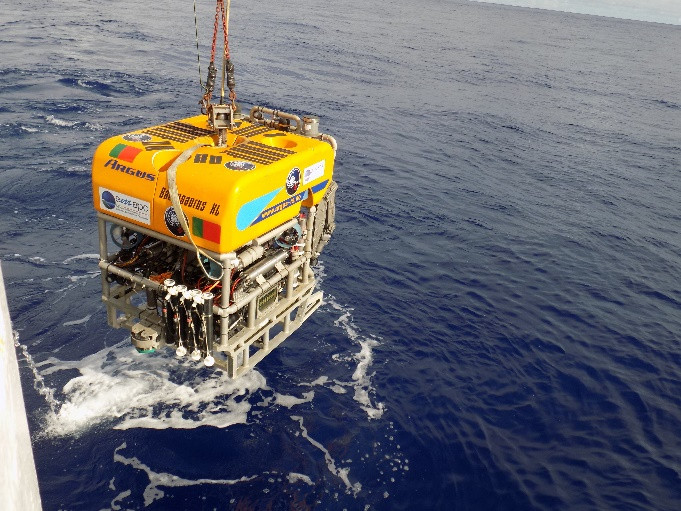
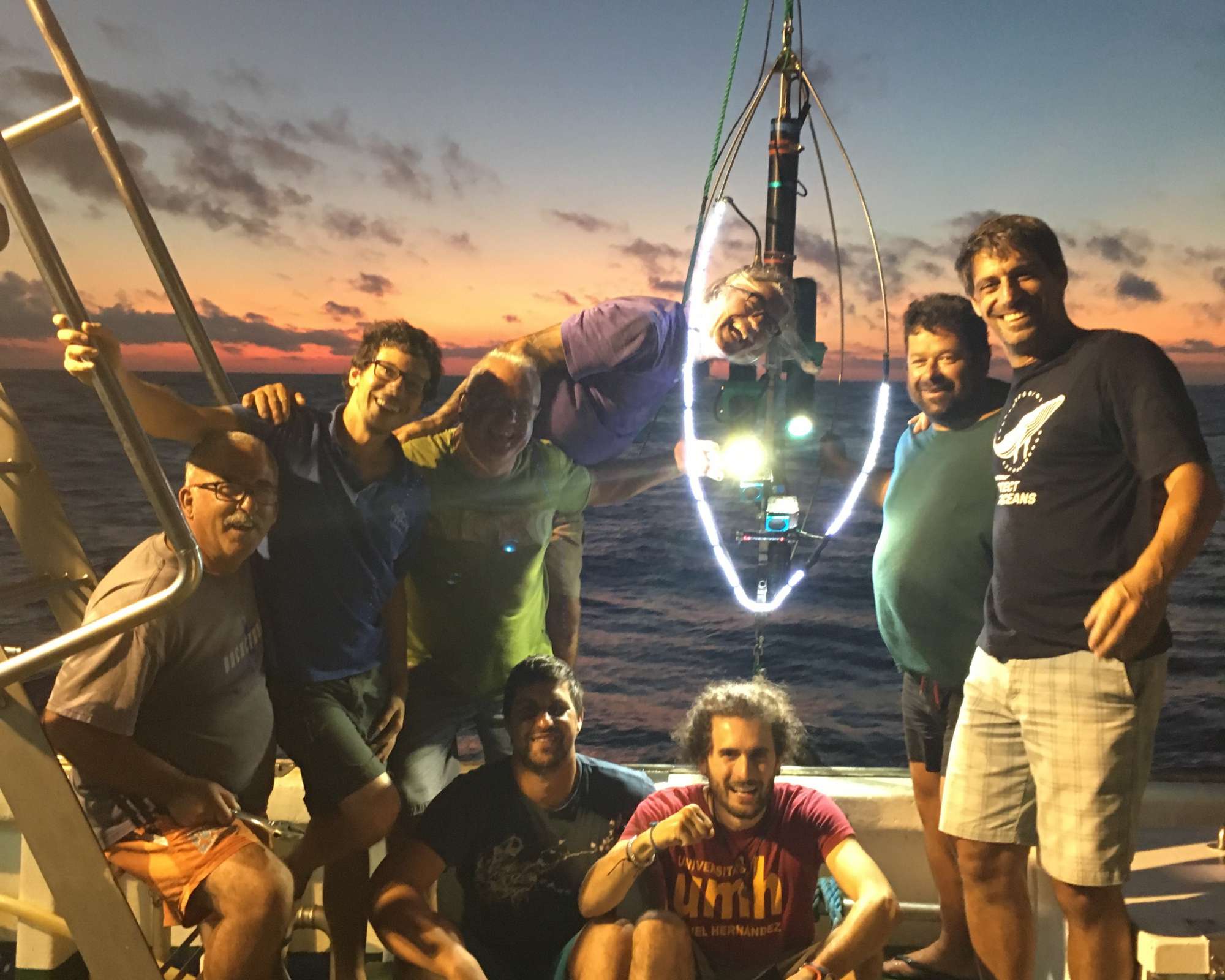
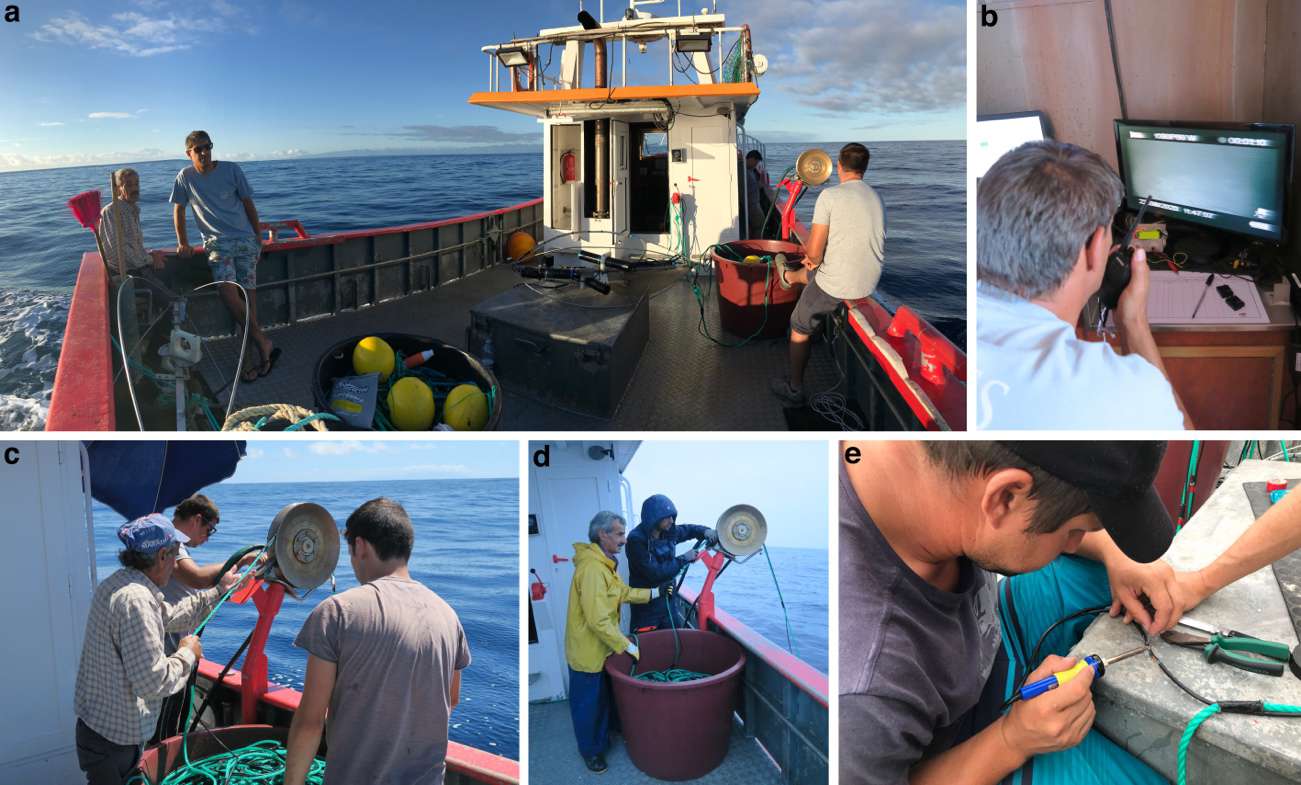
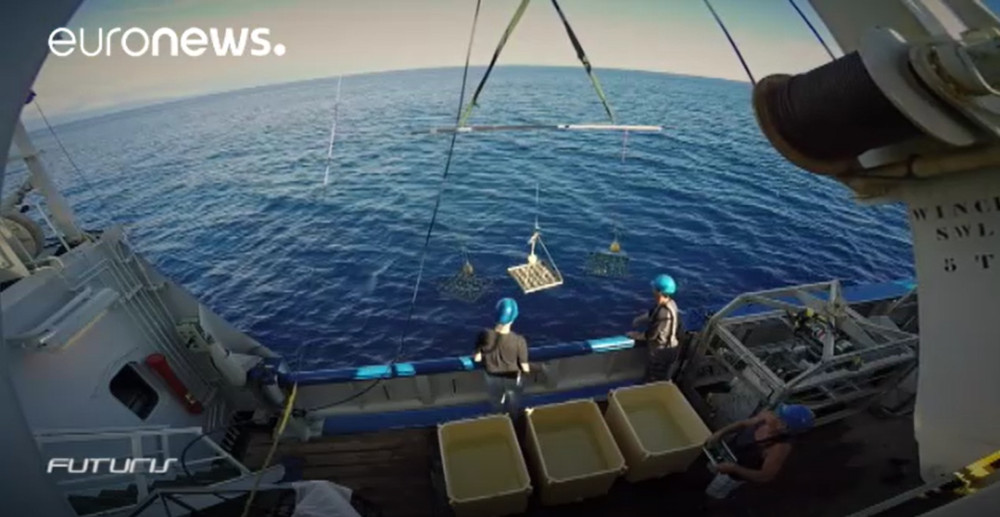
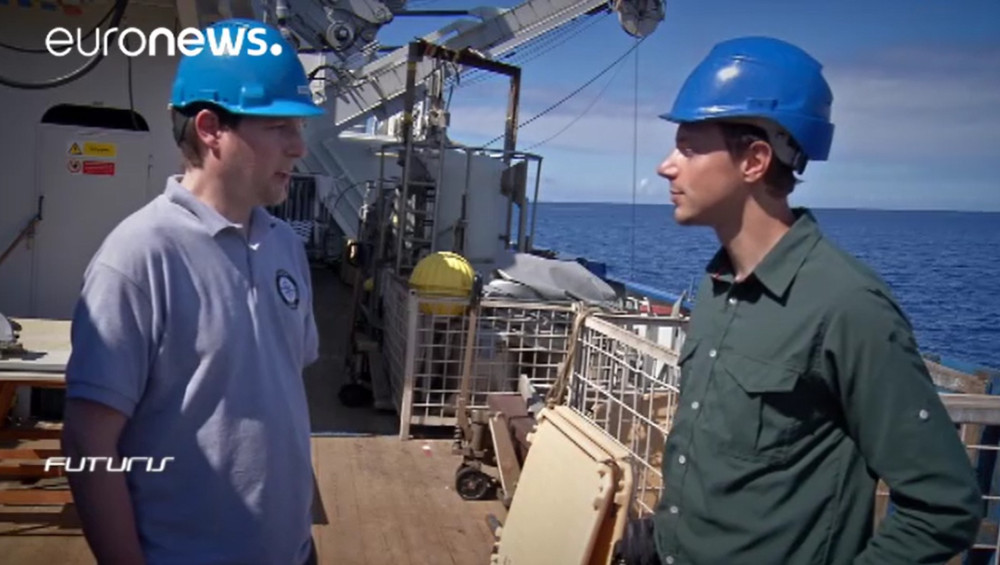
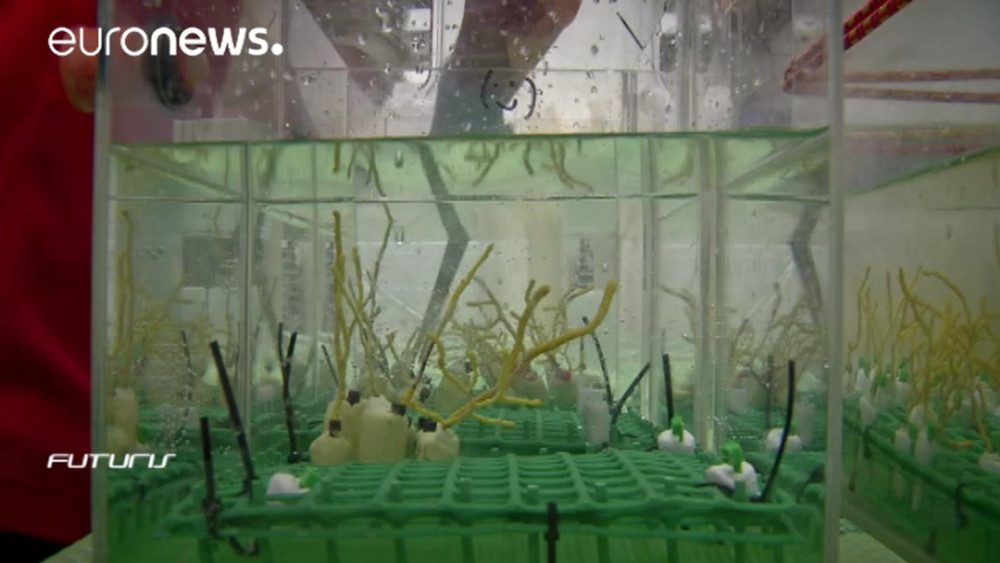
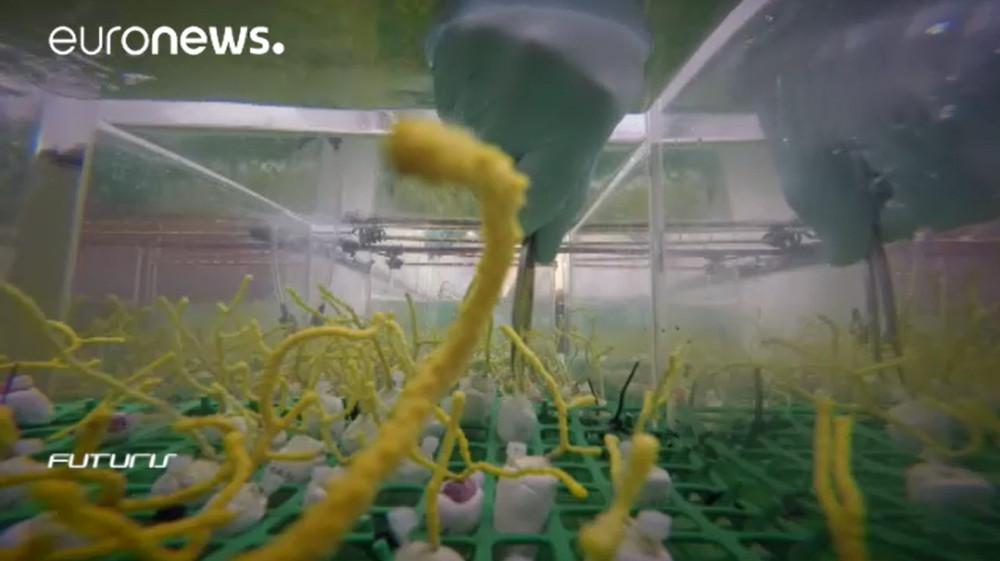
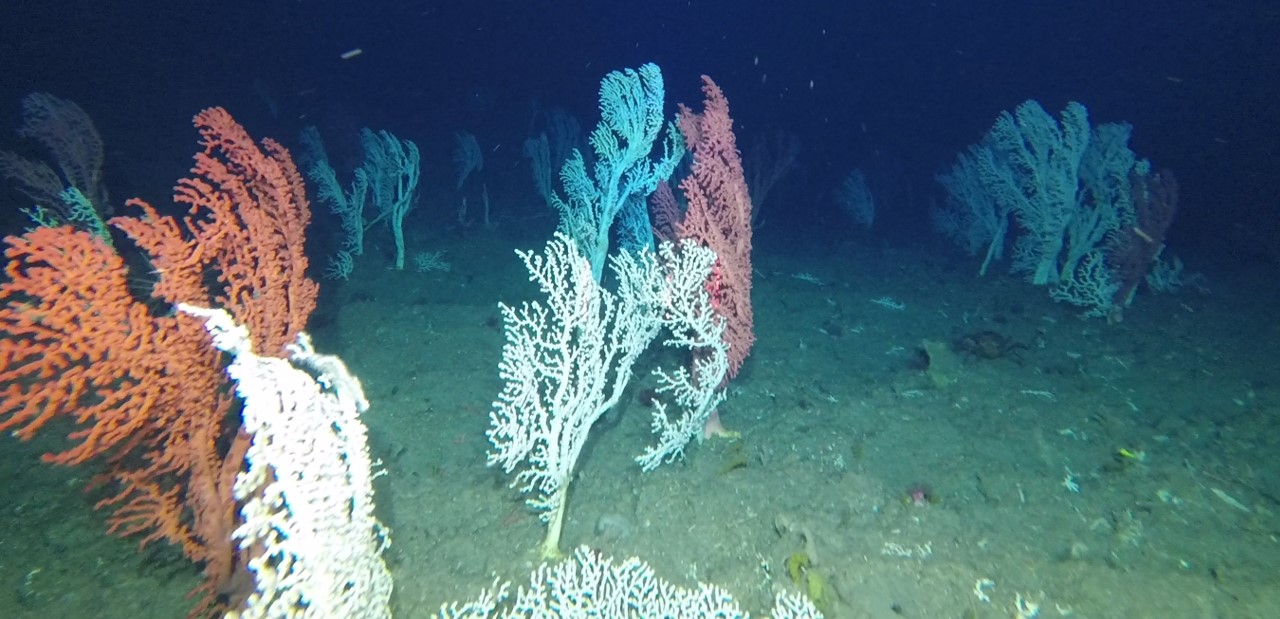
The primary objective of the MIDAS 2016 cruise was to test and evaluate a suite of new technologies and methodologies developed under the EU's Managing Impacts of Deep-seA reSource exploitation (MIDAS) project, specifically for application in the Environmental Management Framework (EMF) for Deep Sea Mining. The cruise served as a field demonstration, bringing together academic researchers and offshore industry professionals to assess the practical application of protocols for Environmental Baseline Surveys (EBS) and Environmental Impact Assessment (EIA). Key focus areas included testing semi-automated optical imagery analysis for habitat mapping and change detection, conducting ecotoxicological experiments on deep-sea fauna, and trialing active restoration techniques for cold-water coral communities. The operations on Condor Seamount provided a realistic deep-sea environment to validate these tools and their integration with industry-standard operational practices, navigation, and data management systems.

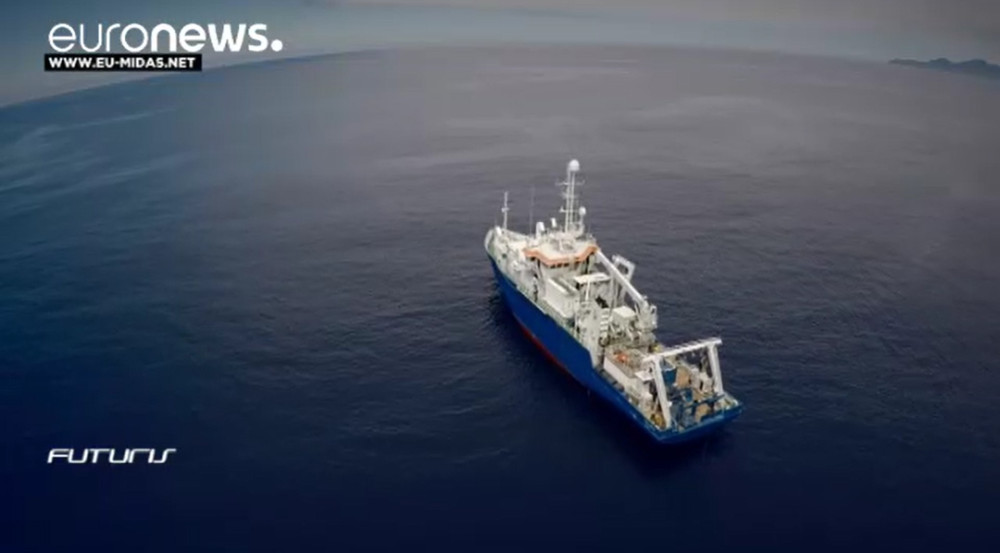
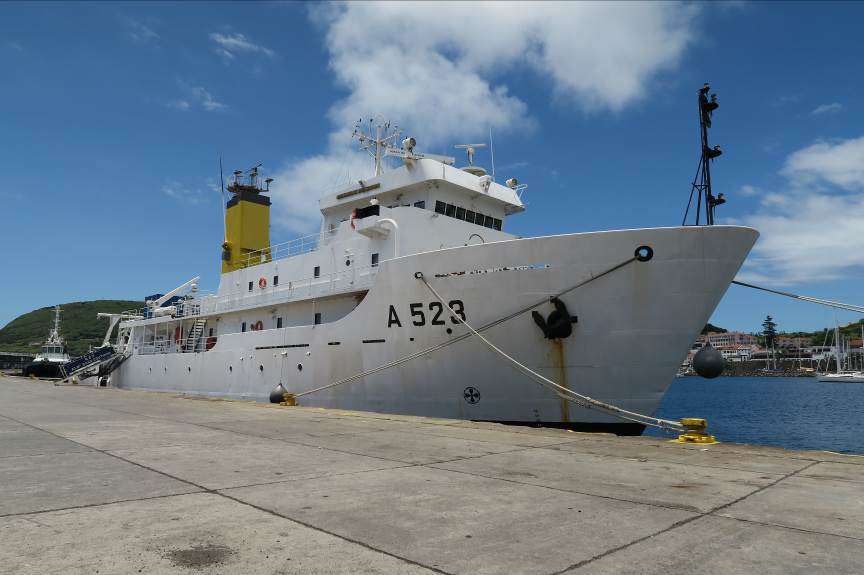
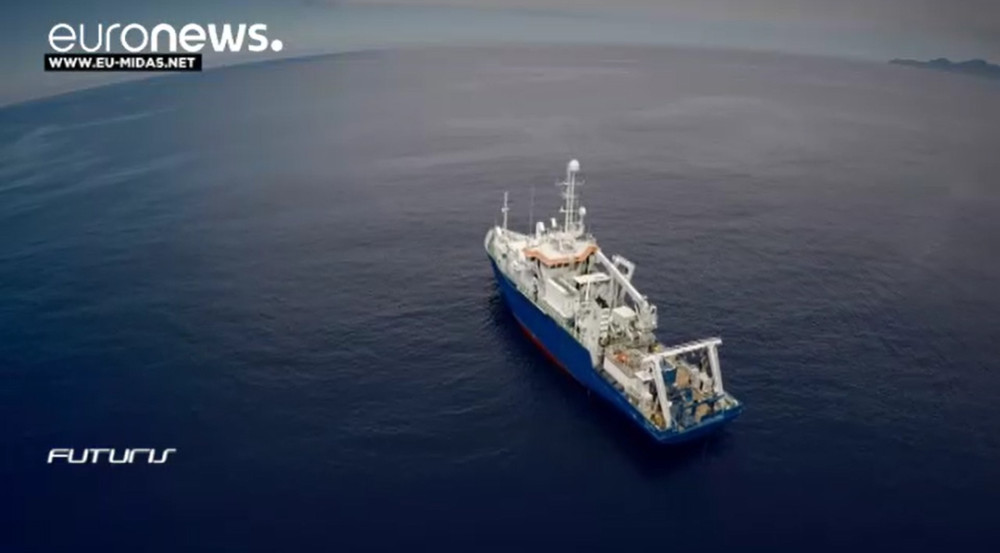
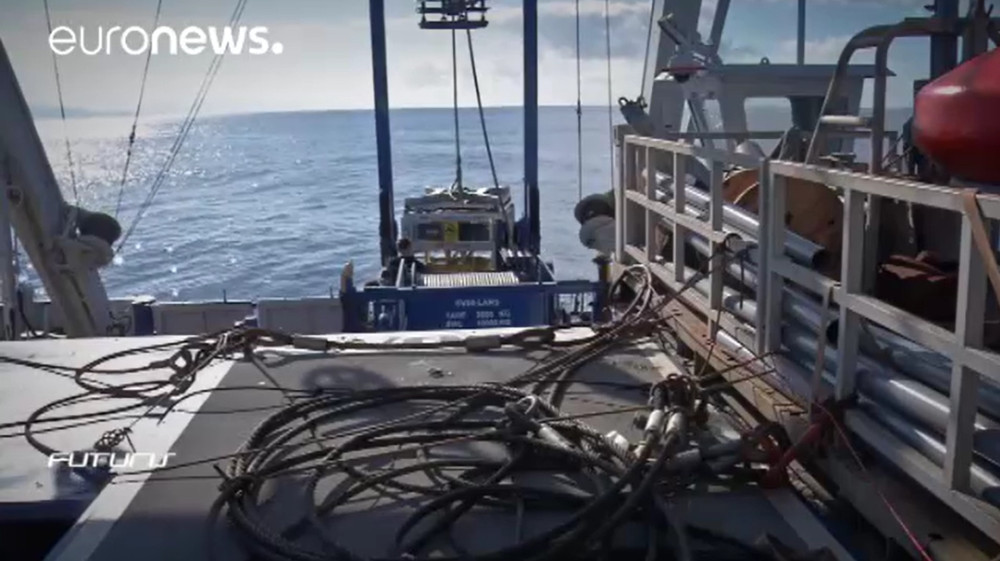
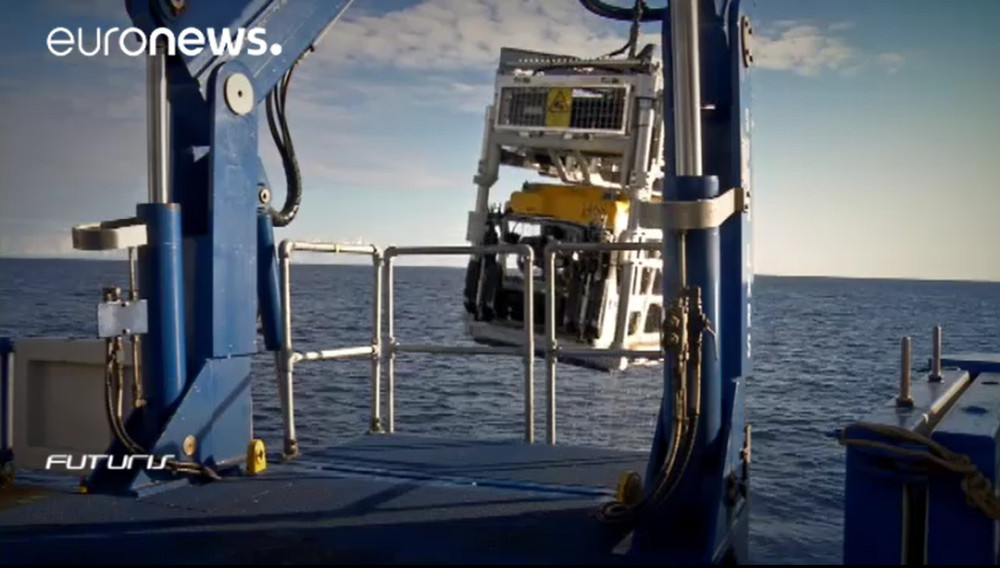
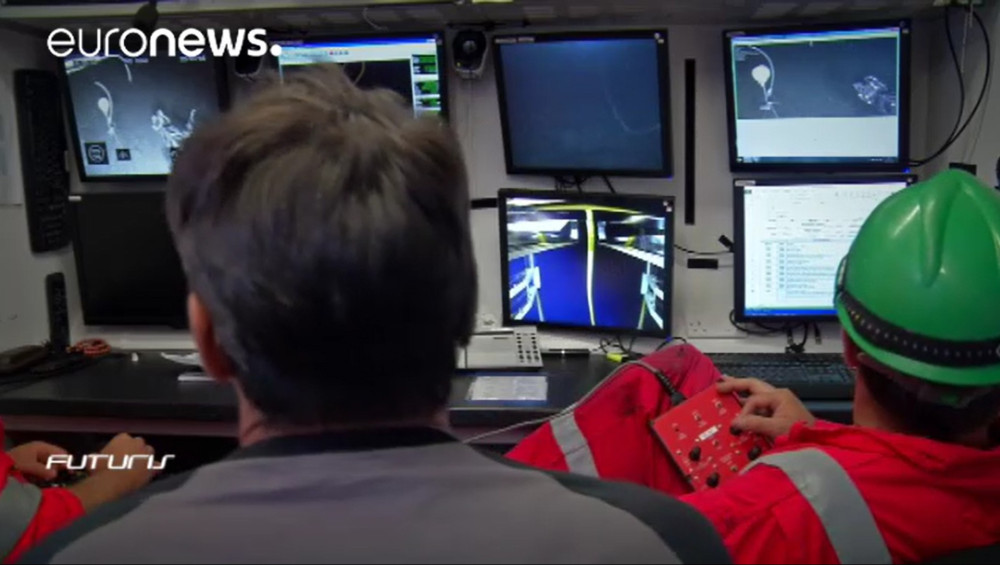
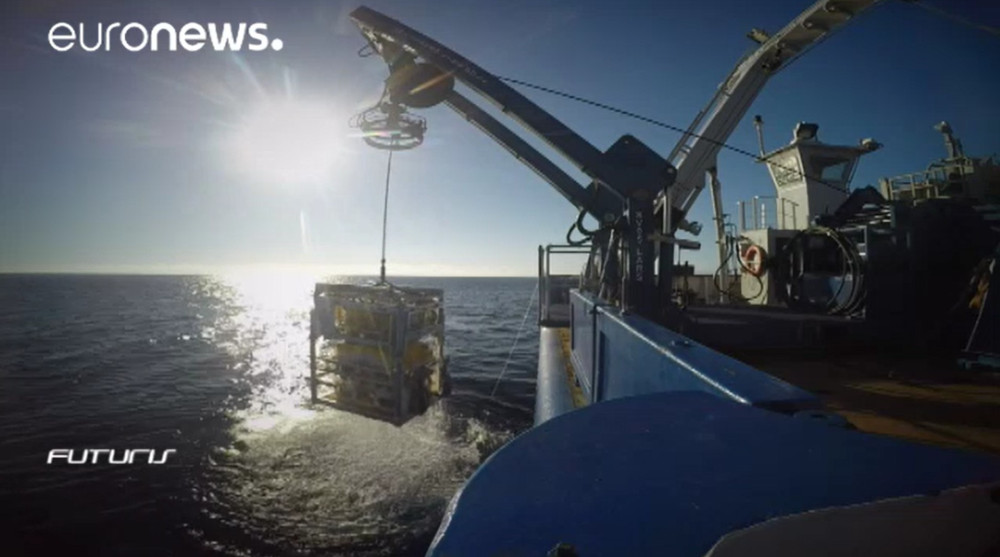
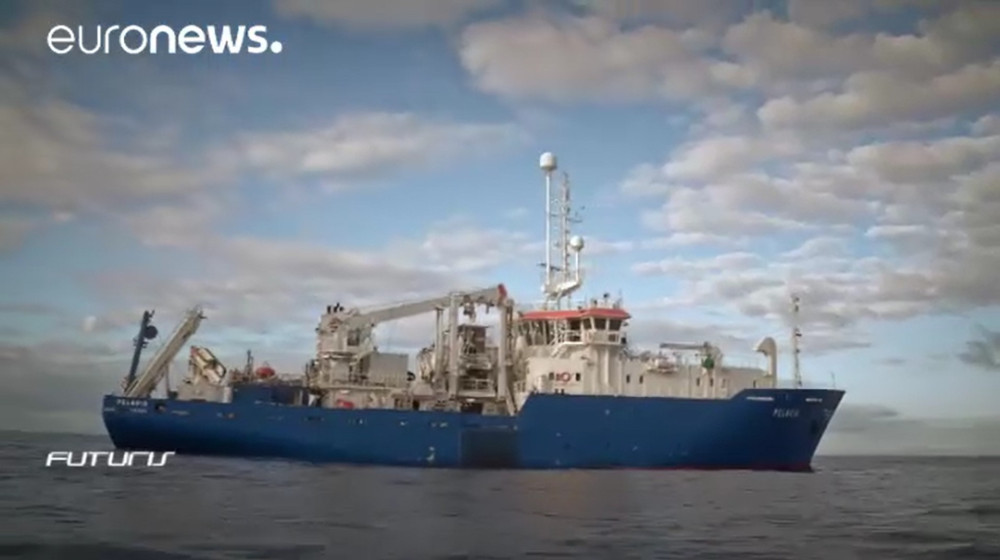
The MIDAS 2016 cruise aboard the RV Pelagia was a multidisciplinary expedition to the Condor Seamount in the Azores, co-funded by the European Union's MIDAS project (FP7) and Fugro. The expedition aimed to test and demonstrate novel technologies and protocols for environmental monitoring and impact assessment in the context of future Deep Sea Mining (DSM) activities, using an industry-standard ROV and integrated survey systems.

Show less ↑
Show more ↓

Statistics

Transits
122 km
Multibeam Bathymetry
km²
Filmed Seabed
63 km
Visited Areas
1
Stations
52
Dives
43
Video Footage Recorded
147 hours
Used Storage
Tb
Samples

Highlights

  1. Successful industry-academia collaboration: The cruise effectively integrated academic research objectives with offshore industry operational standards, demonstrating a model for practical technology transfer and the execution of complex, multidisciplinary deep-sea science.
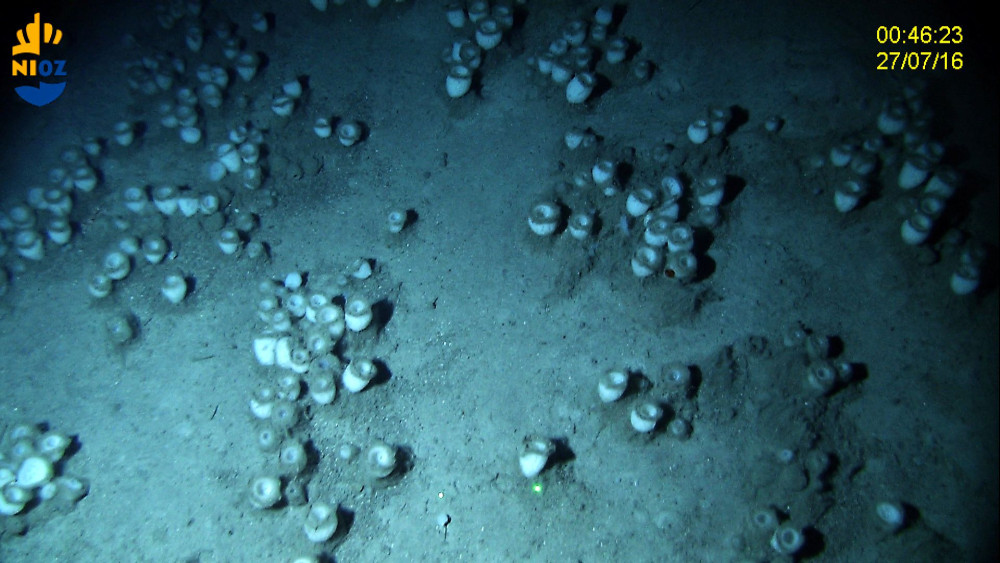
  2. Demonstration of advanced optical monitoring technologies: Successfully tested and compared methods for habitat mapping and seafloor change detection, including semi-automated 2D/3D image analysis and 3D optical mapping techniques, which are critical for monitoring mining impacts.
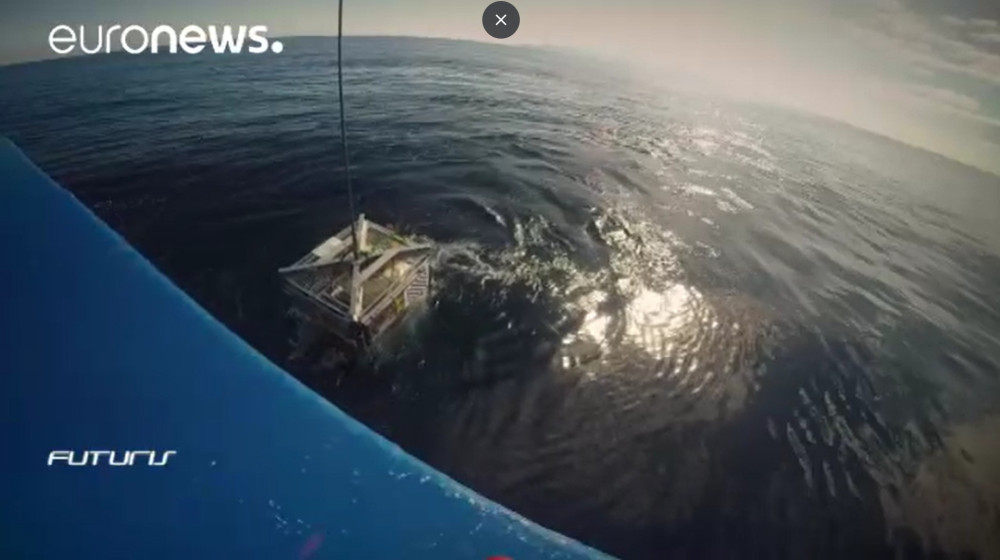
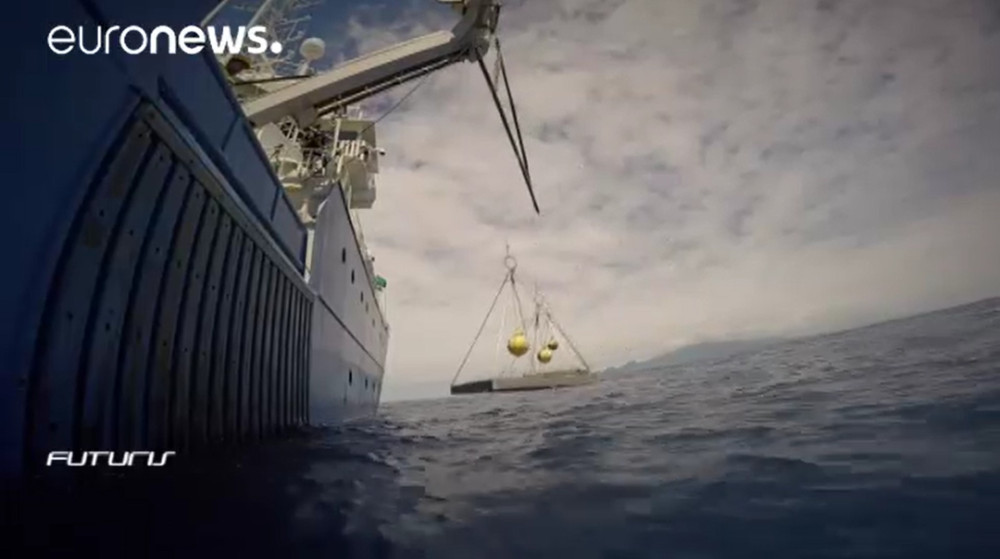
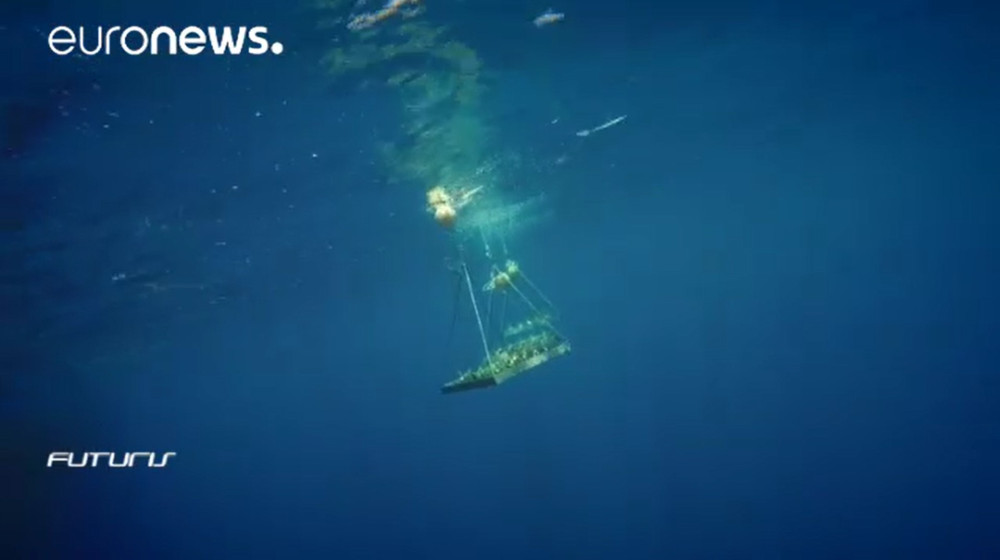
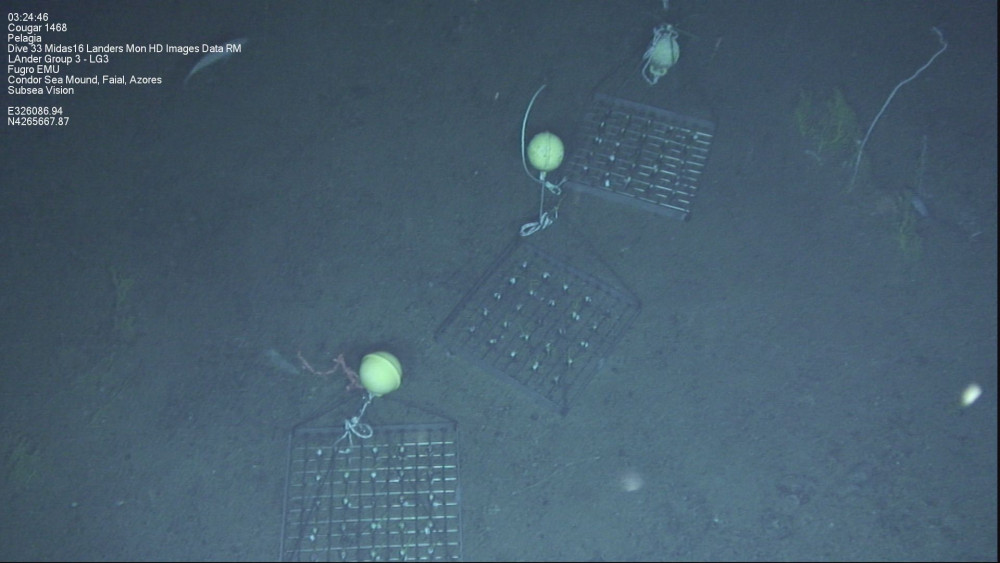
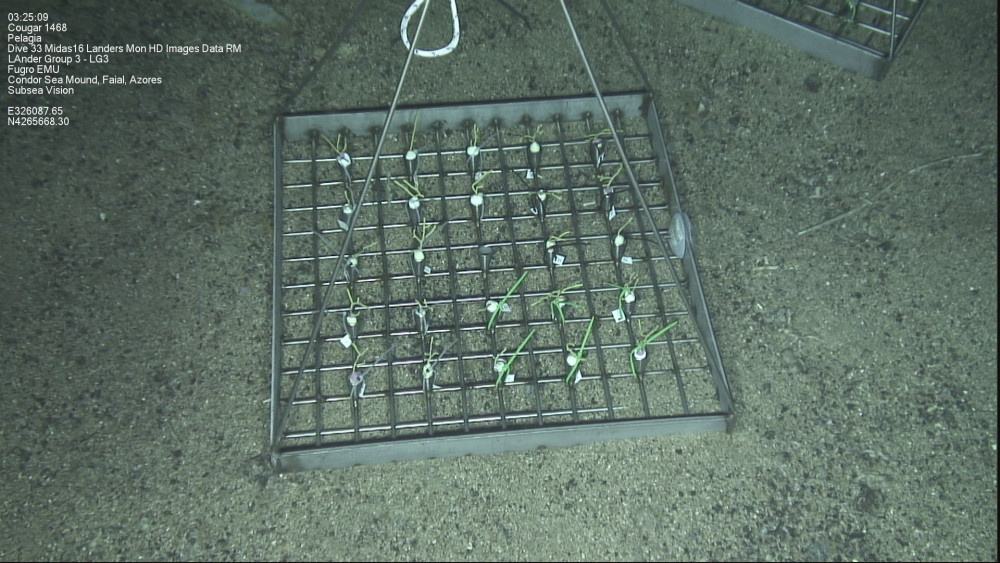
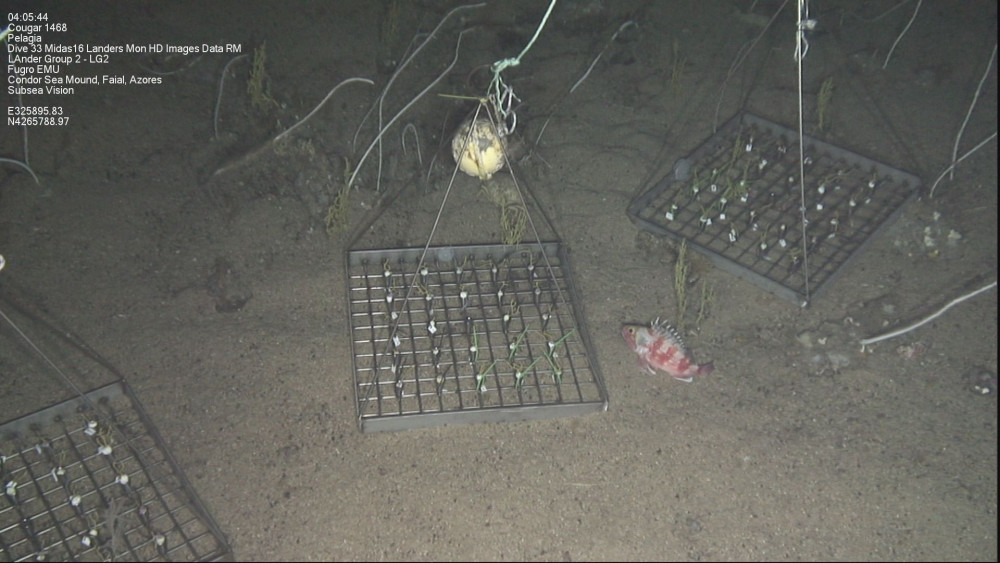
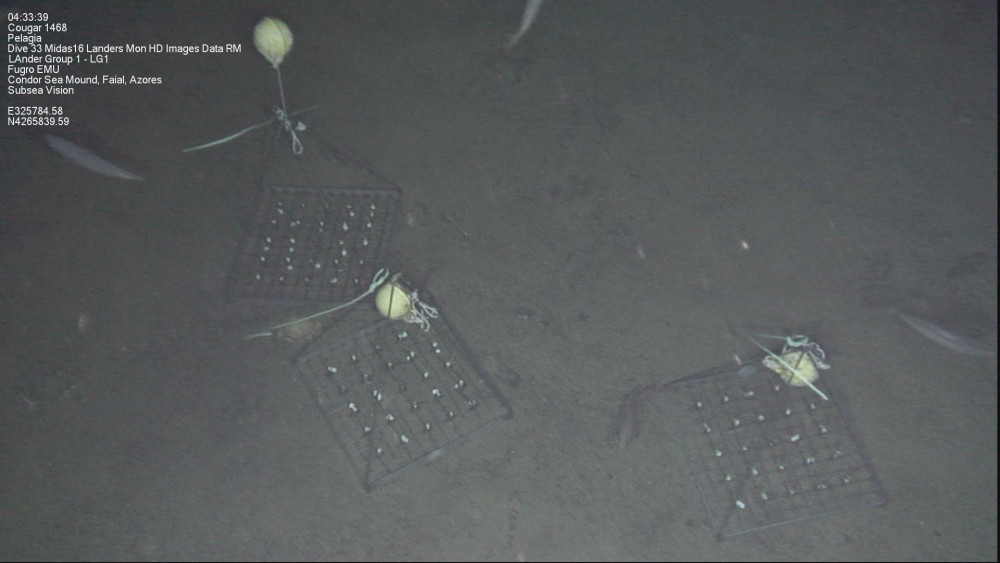
  3. Implementation of a full monitoring protocol cycle: Executed a complete pre- and post-impact monitoring study by deploying experimental "lander" structures to simulate disturbance and using optical change detection to assess the resulting alteration to the seafloor.
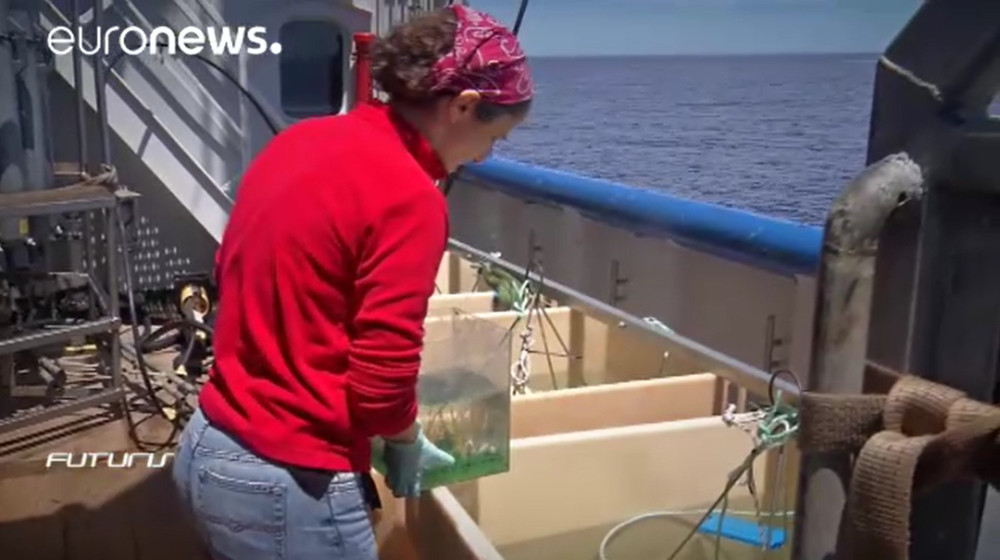
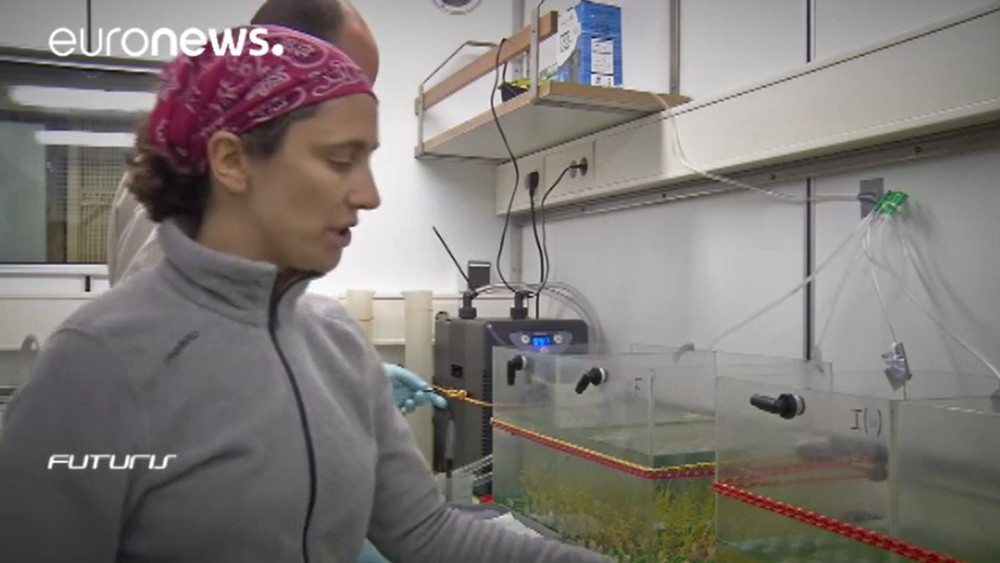
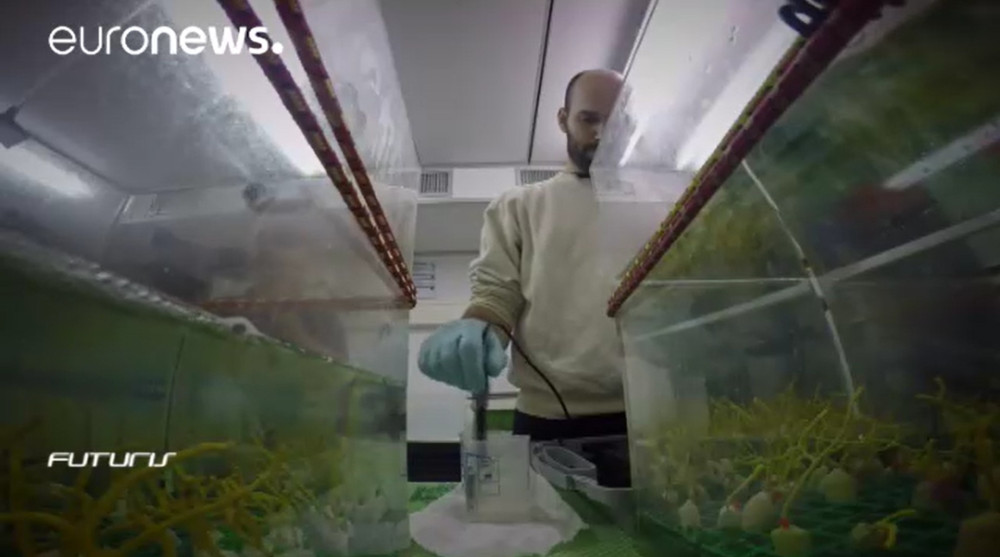
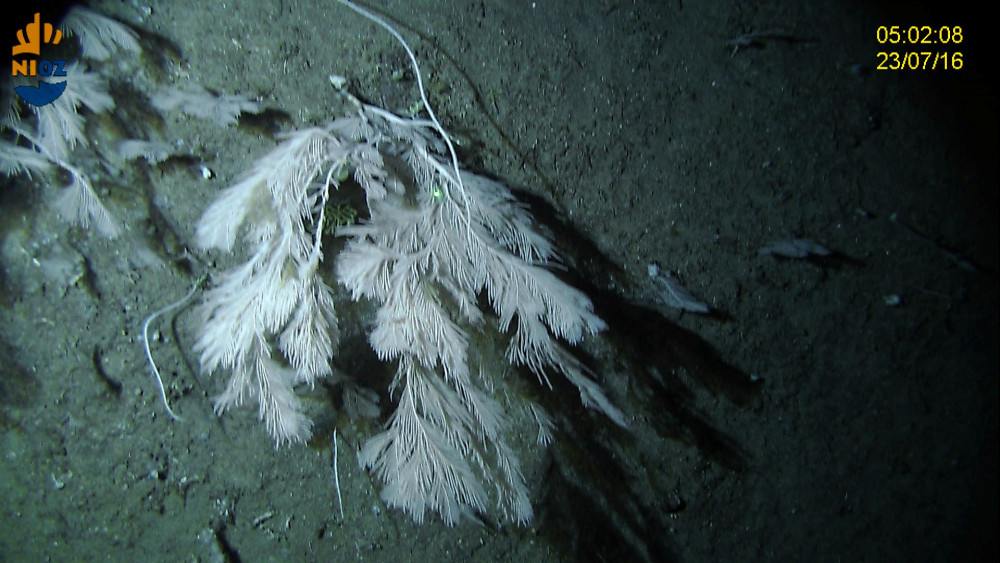
  4. Pioneering deep-sea ecotoxicology and restoration experiments: Conducted in-situ ecotoxicological tests on the deep-water crab Cancer bellianus and performed field trials of coral transplantation techniques, generating direct data on biological responses to stressors and potential restoration methods.
  5. Completed an intensive 8-day programme with reduced weather or technical downtime, accomplishing over 178 hours of coordinated ROV and camera sled ("hopper") operations across depths from 200m to 1100m.
  6. Comprehensive technology and methodology comparison: Directly compared data quality and efficiency between a work-class ROV and a drop-down camera sled for habitat mapping, and evaluated different optical survey designs (e.g., nested grids vs. transects) for their utility in DSM monitoring.
Show less ↑
Show more ↓

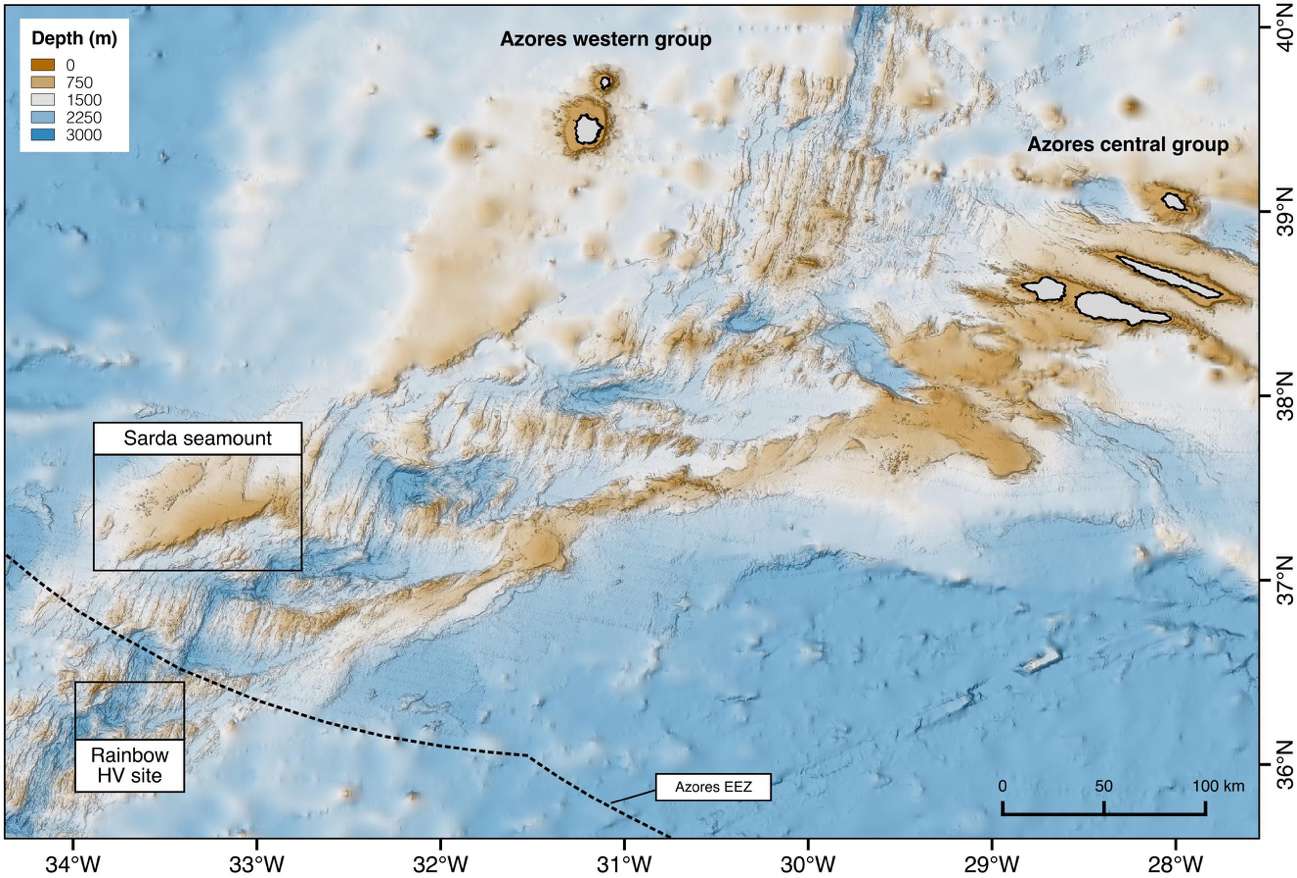
Location of operation

Condor

AZORES DEEP-SEA RESEARCH © CRUISES

Stations

MIDAS 2016

Activities

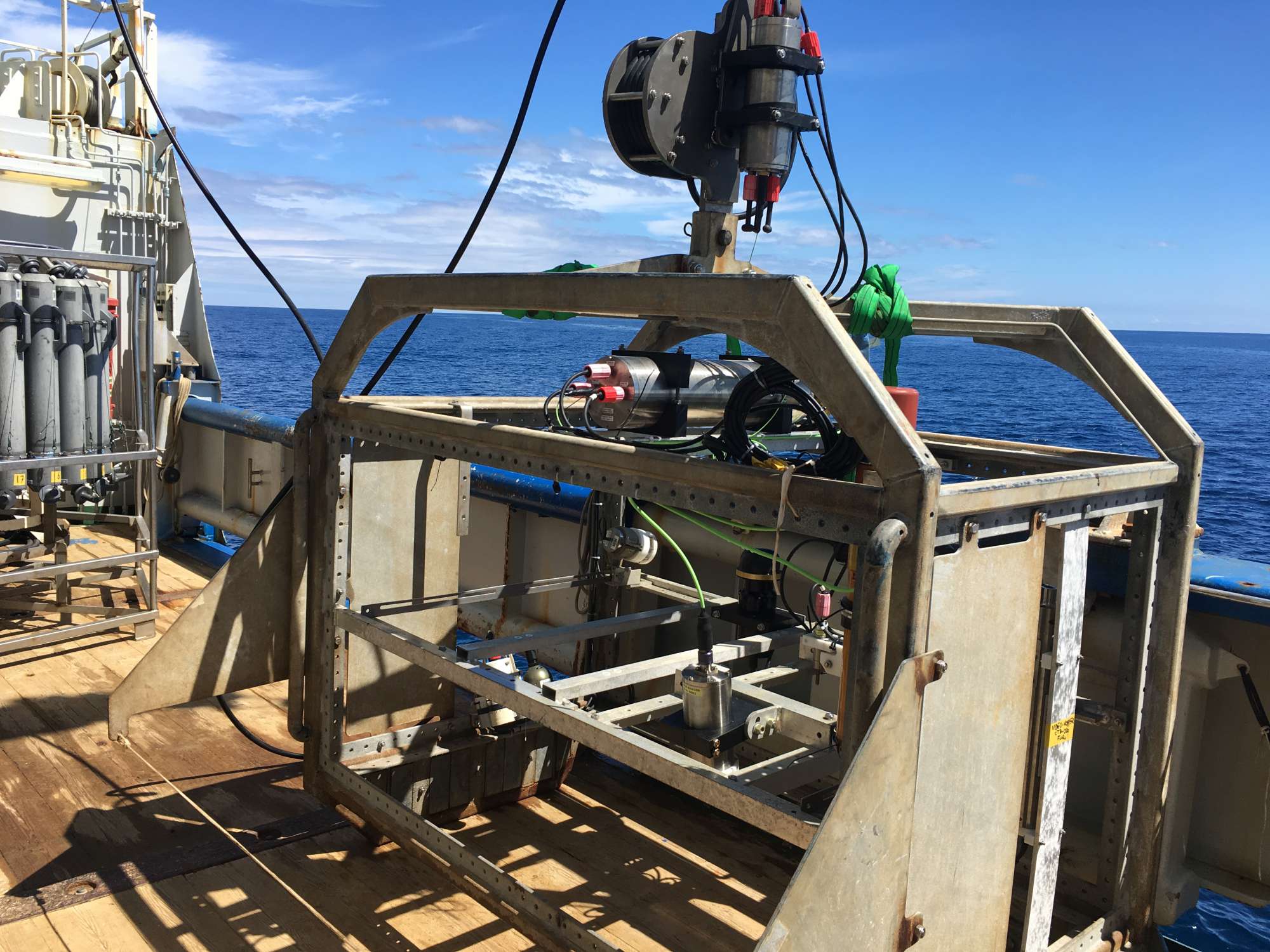
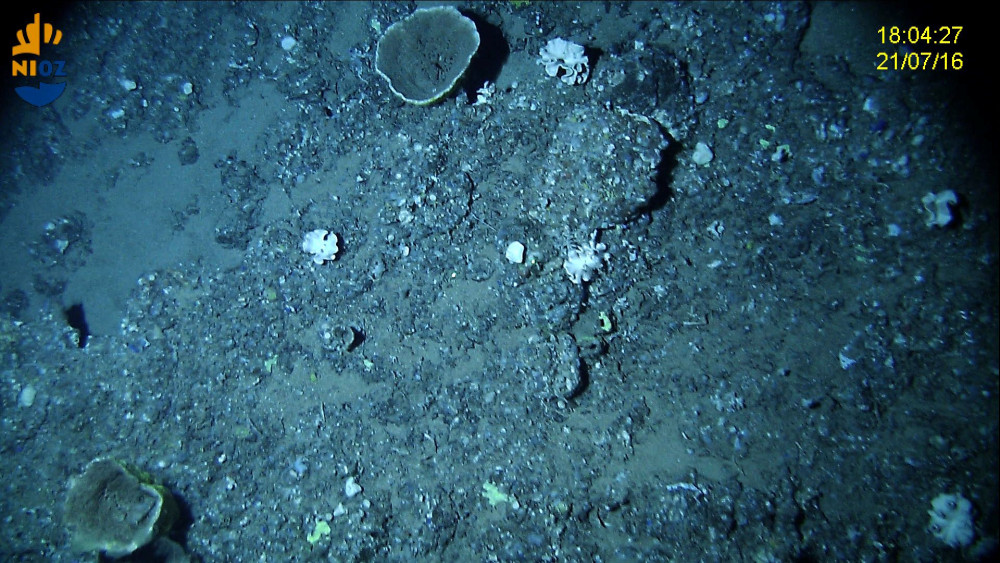
Video survey (NIOZ Hopper towed-camera) Video survey (ROV Cougar)

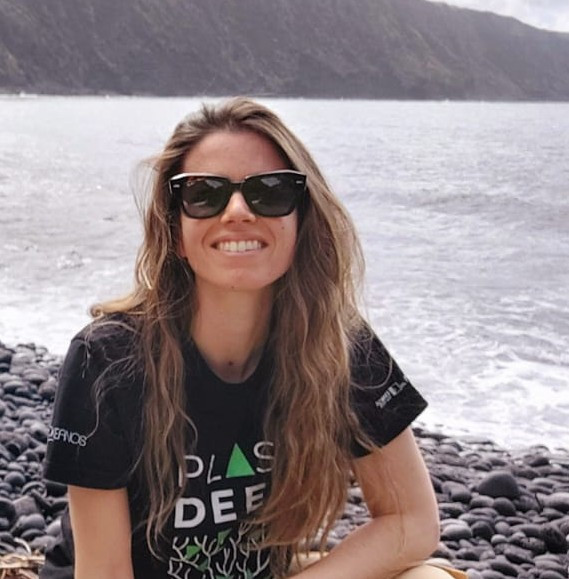
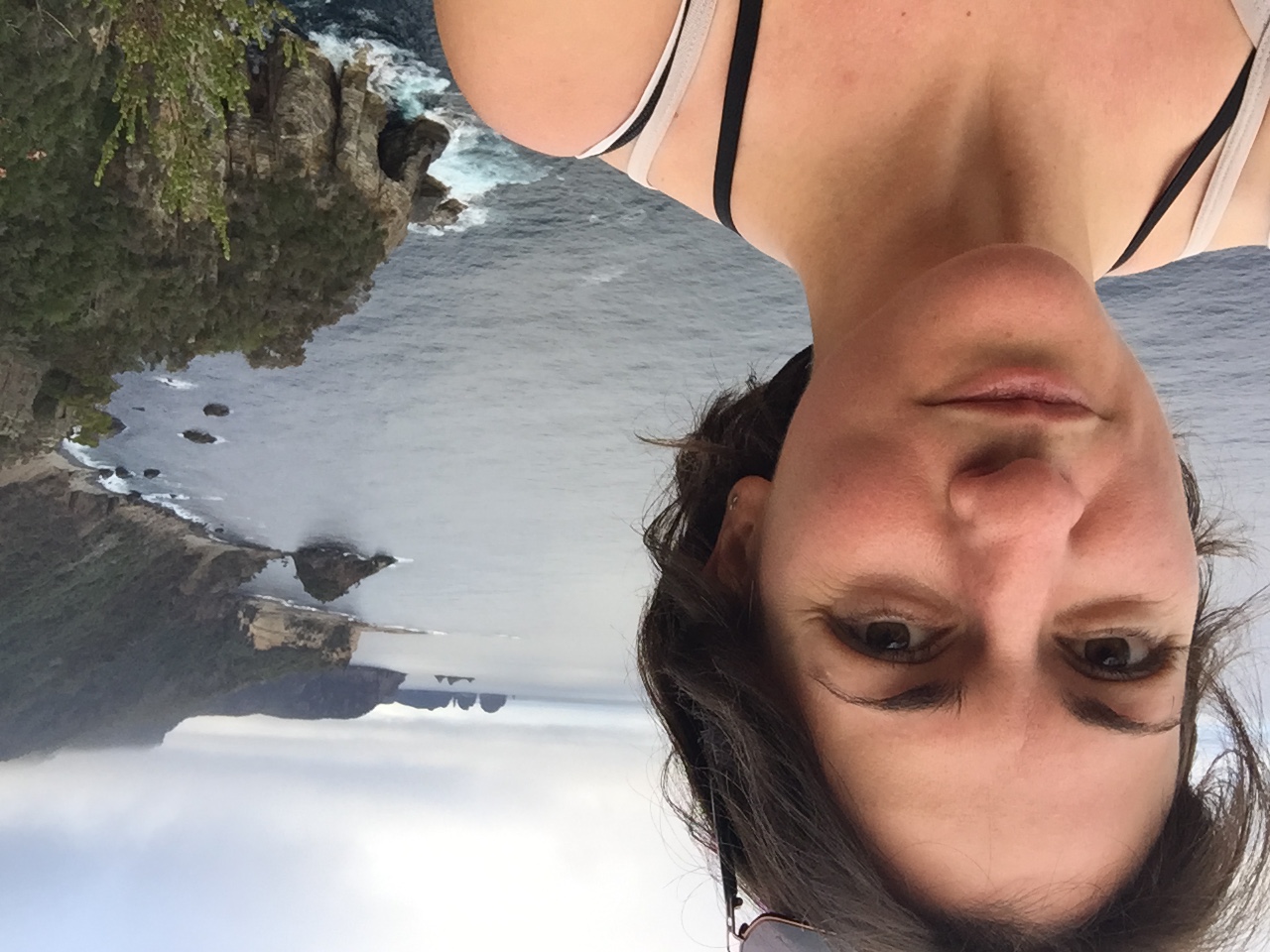
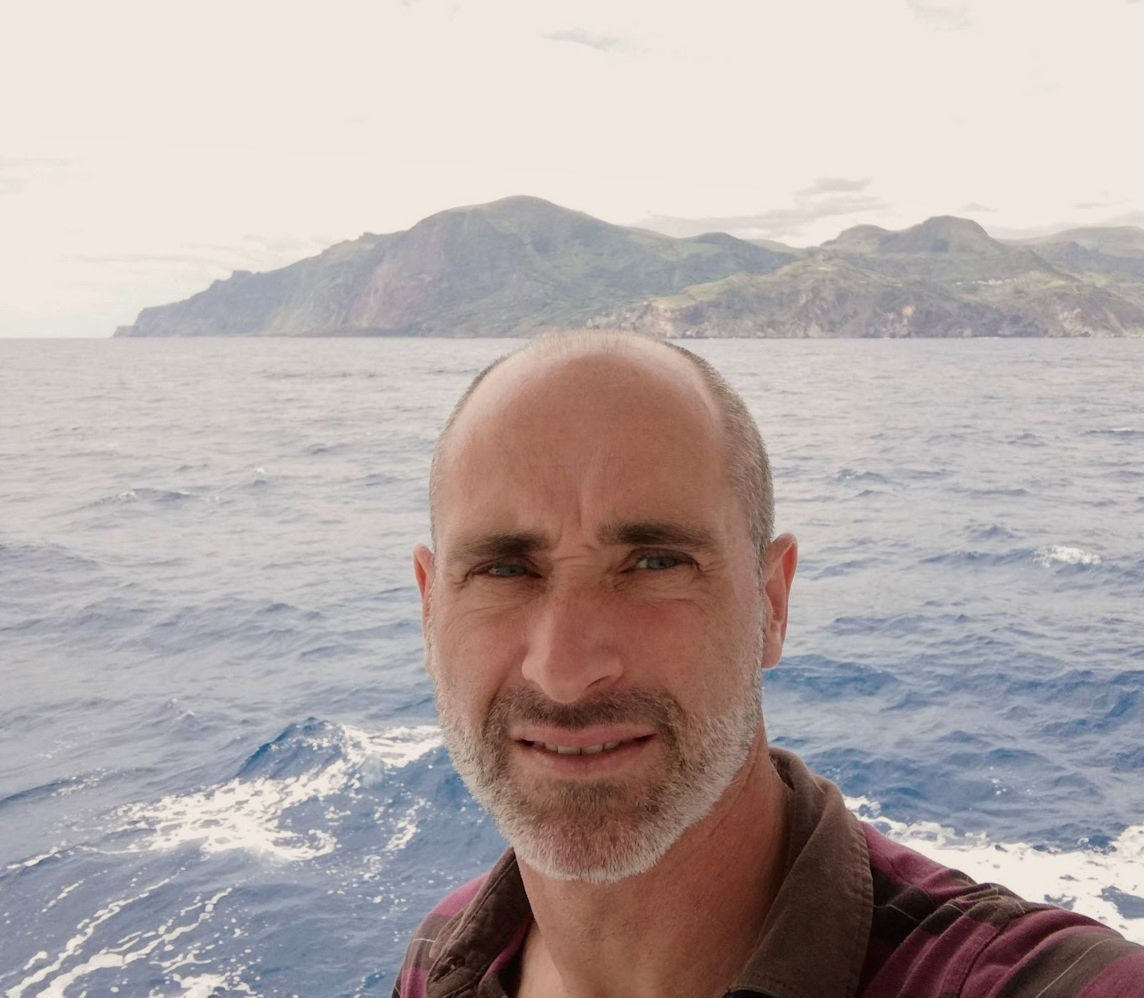
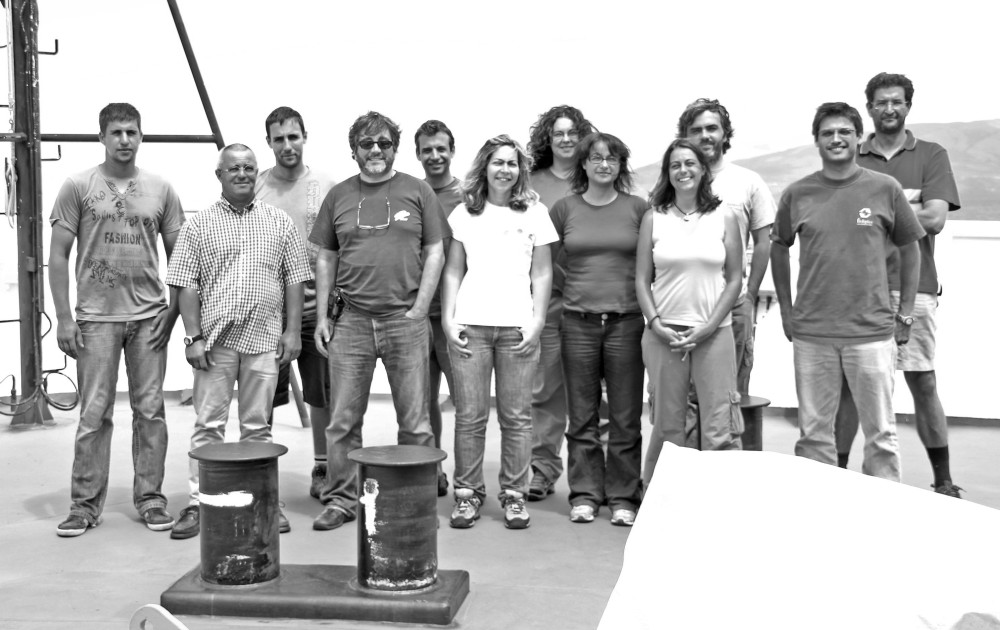
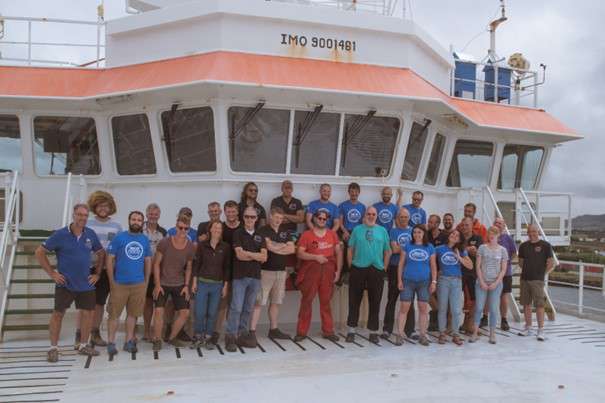
Scientific crew

Collaborators

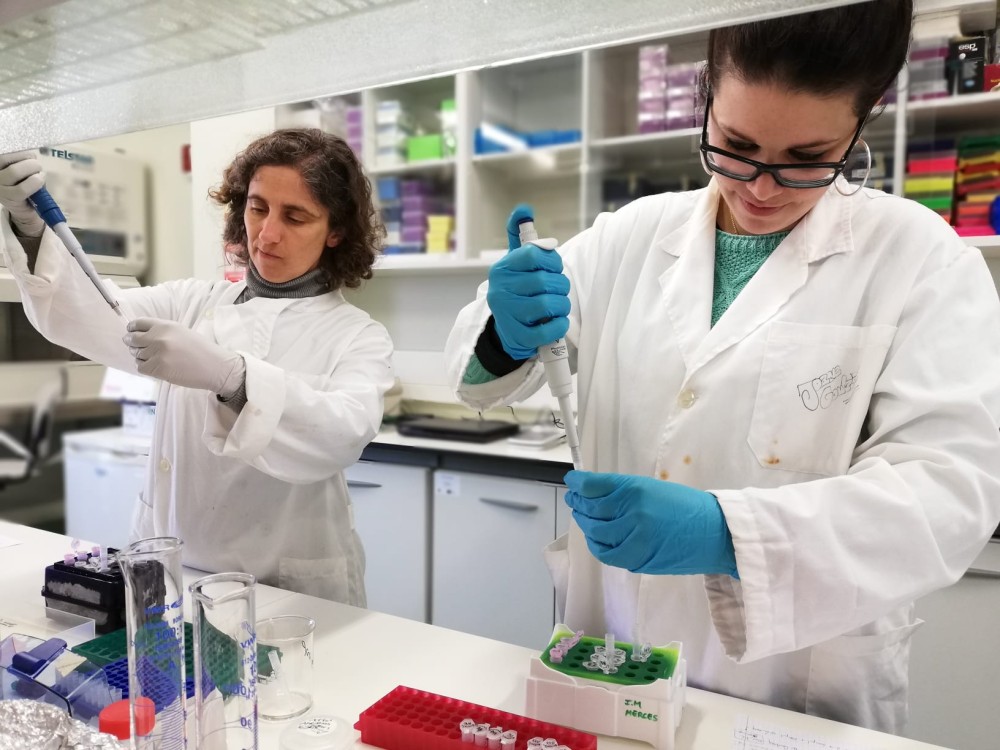
Ian M Stewart
Gui Menezes
Andreia Carvalho
Maria Rakka
Timm Schoening
Tim Weiß
Klemen Istenic
Nélia Mestre
Nothing to show yet... Try again later.
Element concentrations in cold-water gorgonians and black coral from Azores region
Deep Sea Research Part II Topical Studies in Oceanography
|
Jan, 2013
3 team members are authors
Citations 19 DOI 10.1016/j.dsr2.2013.01.012
Authors 10.1016/j.dsr2.2013.01.012
Joana Raimundo Carlos Vale Miguel Caetano Bárbara Anes
Marina Carreiro‐Silva
Inês Martins
V. De Matos
Filipe M. Porteiro
Resilience of benthic deep-sea fauna to mining activities
Marine Environmental Research
|
Apr, 2017
1 team member is author
OA Citations 313 DOI 10.1016/j.marenvres.2017.04.010
Authors 10.1016/j.marenvres.2017.04.010
Sabine Gollner Stefanie Kaiser L. Menzel Daniel O. B. Jones Alastair Brown Nélia C. Mestre Dick Van Oevelen Lénàïck Menot Ana Colaço Miquel Canals Daphné Cuvelier Jennifer M. Durden Andrey Gebruk Great Egho Matthias Haeckel Yann Marcon Lisa Mevenkamp
Telmo Morato
Christopher K. Pham Autun Purser Anna Sànchez‐Vidal Ann Vanreusel Αnnemiek Vink Pedro Martínez Arbizu
Predictive modeling of deep-sea fish distribution in the Azores
Deep Sea Research Part II Topical Studies in Oceanography
|
Feb, 2016
1 team member is author
OA Citations 47 DOI 10.1016/j.dsr2.2016.01.004
Authors 10.1016/j.dsr2.2016.01.004
Hugo E. Parra Christopher K. Pham Gui M. Menezes Alexandra Rosa Fernando Tempera
Telmo Morato
A strategy for the conservation of biodiversity on mid-ocean ridges from deep-sea mining
Science Advances
|
Jul, 2018
1 team member is author
OA Citations 128 DOI 10.1126/sciadv.aar4313
Authors 10.1126/sciadv.aar4313
Daniel C. Dunn Cindy Lee Van Dover Ron J. Etter Craig R. Smith Lisa A. Levin
Telmo Morato
Ana Colaço A Dale Andrey Gebruk Kristina M. Gjerde Patrick N. Halpin Kerry L. Howell David E. Johnson José Ángel Álvarez Pérez Marta Chantal Ribeiro Heiko Stuckas P.p.e. Weaver Sempia Workshop Participants
Abstract
An international initiative takes conservation planning into the deep ocean to inform environmental management of deep-sea mining.
Assessment of Cu sub-lethal toxicity (LC50) in the cold-water gorgonian Dentomuricea meteor under a deep-sea mining activity scenario
Environmental Pollution
|
May, 2018
3 team members are authors
Citations 19 DOI 10.1016/j.envpol.2018.05.040
Authors 10.1016/j.envpol.2018.05.040
Potential Mitigation and Restoration Actions in Ecosystems Impacted by Seabed Mining
Frontiers in Marine Science
|
Dec, 2018
1 team member is author
OA Citations 64 DOI 10.3389/fmars.2018.00467
Authors 10.3389/fmars.2018.00467
Daphné Cuvelier Sabine Gollner Daniel O. B. Jones Stefanie Kaiser Pedro Martínez Arbizu L. Menzel Nélia C. Mestre
Telmo Morato
Christopher K. Pham Florence Pradillon Autun Purser Uwe Raschka Jozée Sarrazin Erik Simon‐Lledó Ian Stewart Heiko Stuckas Andrew K. Sweetman Ana Colaço
Abstract
Mining impacts will affect local populations to different degrees. Impacts range from removal of habitats and possible energy sources to pollution and smaller-scale alterations in local habitats that, depending on the degree of disturbance, can lead to extinction of local communities. While there is a shortage or even lack of studies investigating impacts that resemble those caused by actual mining activity, the information available on the potential long-lasting impacts of seabed mining emphasise the need for effective environmental management plans. These plans should include efforts to mitigate deep-sea mining impact such as avoidance, minimisation and potentially restoration actions, to maintain or encourage reinstatement of a resilient ecosystem. A wide range of mitigation and restoration actions for deep-sea ecosystems at risk were addressed. From an ecological point of view, the designation of set-aside areas (refuges) is of utmost importance as it appears to be the most comprehensive and precautionary approach, both for well-known and lesser studied areas. Other actions range from the deployment of artificial substrates to enhance faunal colonisation and survival to habitat recreation, artificial eutrophication, but also spatial and temporal management of mining operations, as well as optimising mining machine construction to minimise plume size on the sea floor, toxicity of the return plume and sediment compression. No single action will suffice to allow an ecosystem to recover, instead combined mitigation/restoration actions need to be considered, which will depend on the specific characteristics of the different mining habitats and the resources hosted (polymetallic sulphides, polymetallic nodules and cobalt-rich ferromanganese crusts). However, there is a lack of practical experience regarding mitigation and restoration actions following mining impacts, which severely hamper their predictability and estimation of their possible effect and success. We propose an extensive list of actions that could be considered as recommendations for best environmental practice. The list is not restricted and, depending on the characteristics of the site, additional actions can be considered. For all actions presented here, further research is necessary to fully encompass their potential and contribution to possible mitigation or restoration of the ecosystem.
Reproductive biology of two deep-sea octocorals in the Azores Archipelago
Deep Sea Research Part I Oceanographic Research Papers
|
Jun, 2021
1 team member is author
Citations 8 DOI 10.1016/j.dsr.2021.103587
Authors 10.1016/j.dsr.2021.103587
Maria Rakka Íris Sampaio Ana Colaço
Marina Carreiro‐Silva
Mechanical and toxicological effects of deep-sea mining sediment plumes on a habitat-forming cold-water octocoral
Frontiers in Marine Science
|
Oct, 2022
5 team members are authors
OA Citations 27 DOI 10.3389/fmars.2022.915650
Authors 10.3389/fmars.2022.915650
Marina Carreiro‐Silva
Inês Martins
Virginie Riou Joana Raimundo Miguel Caetano Raúl Bettencourt Maria Rakka
Teresa Cerqueira
António Godinho
Telmo Morato
Ana Colaço
Abstract
Deep-sea mining activities are expected to impact deep-sea biota through the generation of sediment plumes that disperse across vast areas of the ocean. Benthic sessile suspension-feeding fauna, such as cold-water corals, may be particularly susceptible to increased suspended sediments. Here, we exposed the cold-water octocoral, Dentomuricea aff. meteor to suspended particles generated during potential mining activities in a four weeks experimental study. Corals were exposed to three experimental treatments: (1) control conditions (no added sediments); (2) suspended polymetallic sulphide (PMS) particles; (3) suspended quartz particles. The two particle treatments were designed to distinguish between potential mechanical and toxicological effects of mining particles. PMS particles were obtained by grinding PMS inactive chimney rocks collected at the hydrothermal vent field Lucky Strike. Both particle types were delivered at a concentration of 25 mg L -1 , but achieved suspended concentrations were 2-3 mg L -1 for the PMS and 15-18 mg L -1 for the quartz particles due to the different particle density. Results of the experiment revealed a significant increase in dissolved cobalt, copper and manganese concentrations in the PMS treatment, resulting from the oxidation of sulphides in contact with seawater. Negative effects of PMS exposure included a progressive loss in tissue condition with necrosis and bioaccumulation of copper in coral tissues and skeletons, and death of all coral fragments by the end of the experiment. Physiological changes under PMS exposure, included increased respiration and ammonia excretion rates in corals after 13 days of exposure, indicating physiological stress and potential metabolic exhaustion. Changes in the cellular stress biomarkers and gene expression profiles were more pronounced in corals exposed to quartz particles, suggesting that the mechanical effect of particles although not causing measurable changes in the physiological functions of the coral, can still be detrimental to corals by eliciting cellular stress and immune responses. We hypothesize that the high mortality of corals recorded in the PMS treatment may have resulted from the combined and potentially synergistic mechanical and toxicological effects of the PMS particles. Given the dispersal potential of mining plumes and the highly sensitive nature of octocorals, marine protected areas, buffer areas or non-mining areas may be necessary to protect deep-sea coral communities.
Overview of the Ocean Climatology and Its Variability in the Azores Region of the North Atlantic Including Environmental Characteristics at the Seabed
Frontiers in Marine Science
|
Mar, 2017
1 team member is author
OA Citations 45 DOI 10.3389/fmars.2017.00056
Authors 10.3389/fmars.2017.00056
Patrícia Amorim António D. Perán Christopher K. Pham Manuela Juliano Frederico Cardigos Fernando Tempera
Telmo Morato
Abstract
Obtaining a comprehensive knowledge of the spatial and temporal variations of the environmental factors characterising the Azores region is essential for conservation and management purposes. Although many studies are available for the region, there is a need for a general overview of the best available information. Here, we assembled a comprehensive collection of environmental data and briefly described the ocean climatology and its variability in the Azores. Data sources used in this study included remote sensing oceanographic data for 2003-2013 (sea surface temperature, chlorophyll-a concentration, particulate inorganic carbon and particulate organic carbon), derived oceanographic data (primary productivity and North Atlantic oscillation index) for 2003-2013, and in situ data (temperature, salinity, oxygen, phosphate, nitrate and silicate) obtained from the World Ocean Atlas 2013. We have produced 78 geographic datasets of environmental data for the Azores region that were deposited at the World Data Center Pangaea and also made available at the SIGMAR Azores website. As with previous studies, our results confirmed a high spatial, seasonal and inter-annual variability of the marine environment in the Azores region, typical of mid latitudes. For example, lower sea surface temperature was found in the northern part of the study area coinciding with higher values for chlorophyll-a concentration, net primary production, and particulate organic and inorganic carbon. Higher values for some of these parameters were also found on island slopes and some seamounts. Compiled data on the environmental conditions at near-seabed revealed some notable variations across the study area (e.g. oxygen and nutrients) and with depth (e.g. temperature, salinity, and oxygen). Knowledge of these patterns will help improve our understanding of the distribution of many deep-sea organisms such as fish, cold-water corals and sponges, thereby supporting the implementation of marine spatial planning and other management measures. It should be noted, that the assembled datasets suffer from a number of limitations related to the accuracy of remote sensing and global bathymetry data, or to the limited and unevenly distributed historical environmental observations. Accordingly, an effective global network of observing systems for detecting oceanic change with adequate accuracy and precision is still required.
Modelling the Dispersion of Seafloor Massive Sulphide Mining Plumes in the Mid Atlantic Ridge Around the Azores
Frontiers in Marine Science
|
Jul, 2022
3 team members are authors
OA Citations 21 DOI 10.3389/fmars.2022.910940
Authors 10.3389/fmars.2022.910940
Telmo Morato
Manuela Juliano Christopher K. Pham
Marina Carreiro‐Silva
Inês Martins
Ana Colaço
Abstract
It is increasingly recognised that deep-sea mining of seafloor massive sulphides (SMS) could become an important source of mineral resources. These operations will remove the targeted substrate and produce potentially toxic plumes from in situ seabed excavation and from the return water pumped back down to the seafloor. However, the spatial extent of the impact of deep-sea mining is still uncertain because few field experiments and models of plume dispersion have been conducted. In this study, we used three-dimensional hydrodynamic models of the Azores region together with a theoretical commercial mining operation of polymetallic SMS to simulate the potential dispersal of plumes originating from different phases of mining operations, and to assess the magnitude of potential impacts. Although the model simulations presented here were subject to many caveats, they did reveal some important patterns. The model projected marked differences among sites making generalisations about plume-dispersal patterns in mid-ocean ridges difficult. Nevertheless, the models predicted large horizontal and vertical plume-dispersals above the thresholds adopted. Persistent plumes (temporal frequency >50%, i.e., 6 months out of 12 months) were projected to disperse an average linear distance of 10 to 20 km, cover an area of 17 to 150 km2, and extend more than 800 m in the water column. In fact, the model projected that plumes may disperse beyond the licensed mining areas, reach the flanks and summits of nearby topographic features, and extend into the bathypelagic, mesopelagic, and epipelagic environments. Modelled plume-dispersal overlaps with the predicted distribution of cold-water corals and with existing fishing activities. These potential impacts would be of particular concern in regions such as the Azores, where local populations are highly dependent on the sea for their livelihoods. The findings of this study are an important initial step towards understanding the nature and magnitude of deep-sea mining impacts in space and time.

Follow us on social media to stay updated

Location

Institute of Marine Sciences — Okeanos, University of the Azores

Departamento de Oceanografia e Pescas — Universidade dos Açores

Rua Prof. Doutor Frederico Machado, No. 4
9901-862 Horta, Portugal

Contact

FOLLOW US
ADSR

AZORES DEEP-SEA RESEARCH © 2020-2026 — RELEASE 2.1

Developed by Valter Medeiros VALTER MEDEIROS