AZORES
DEEP-SEA RESEARCH © CRUISES
Stations
CoralFISH 2010
Loading…
CoralFISH 2010
CoralFish cruise to Condor, Voador and Banco Açores 2010
CoralFISH 2010
Loading cruise data…
CoralFish cruise to Condor, Voador and Banco Açores 2010
Location: Condor, Voador, Banco Açores
Year: 2010
8 stations
7 dives
510 km transits
4 areas visited
Summary
CoralFish cruise to Condor, Voador and Banco Açores 2010
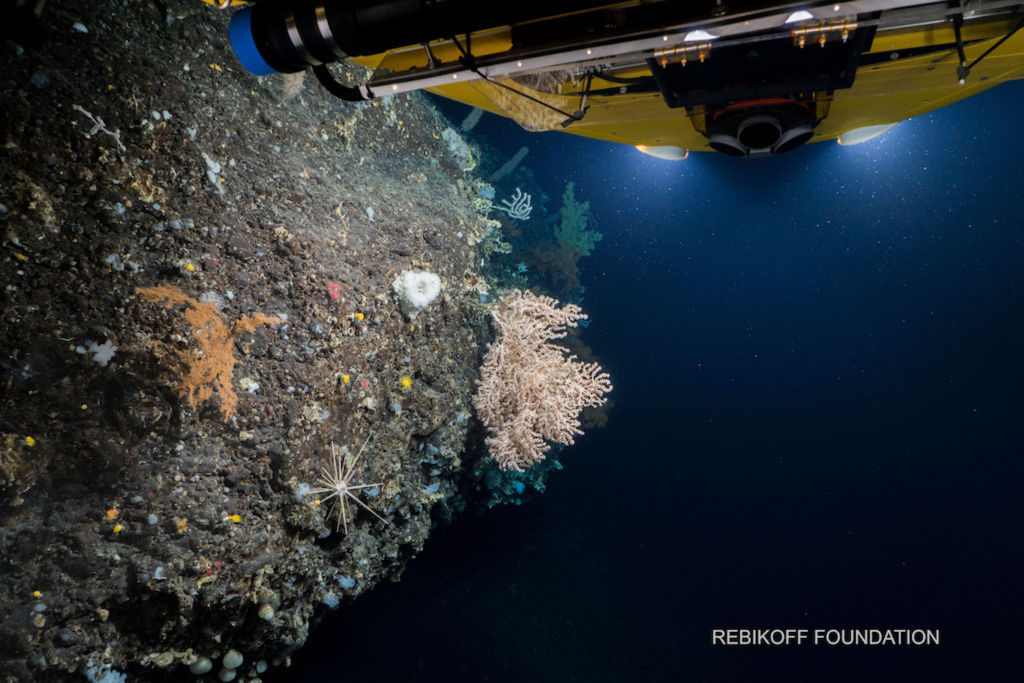
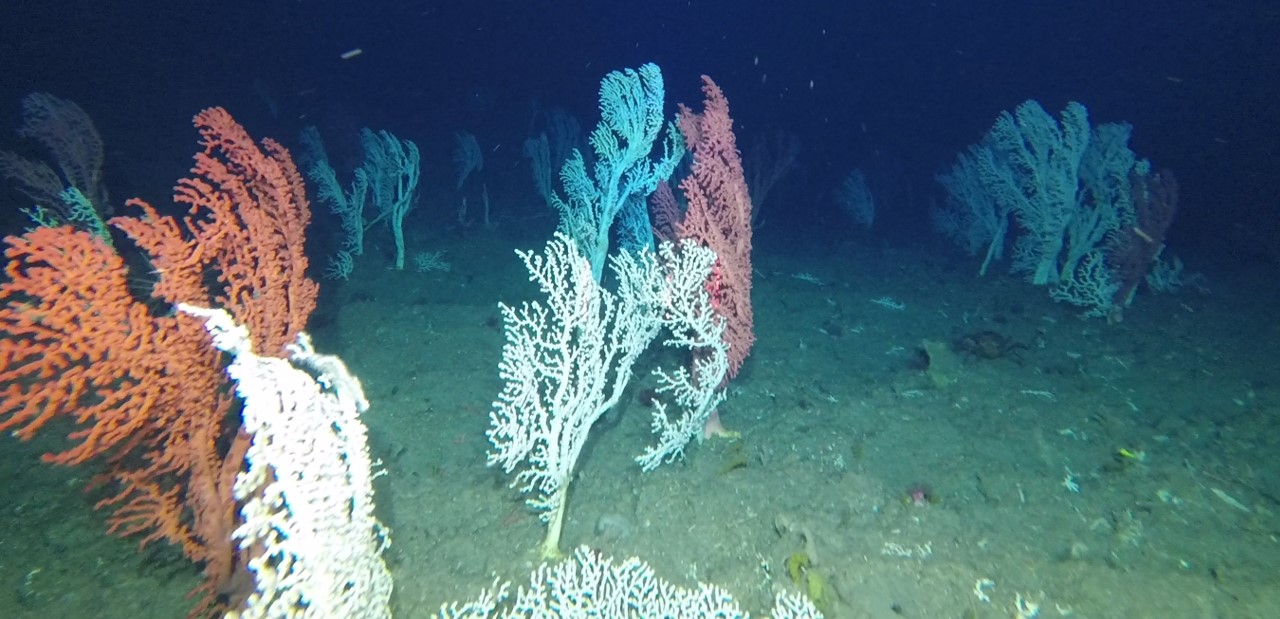
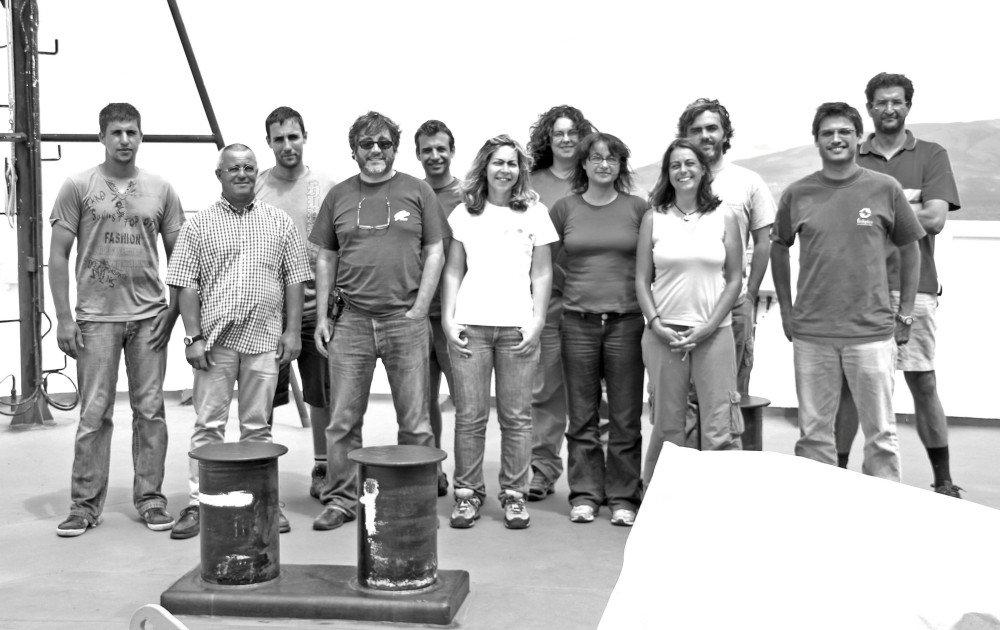
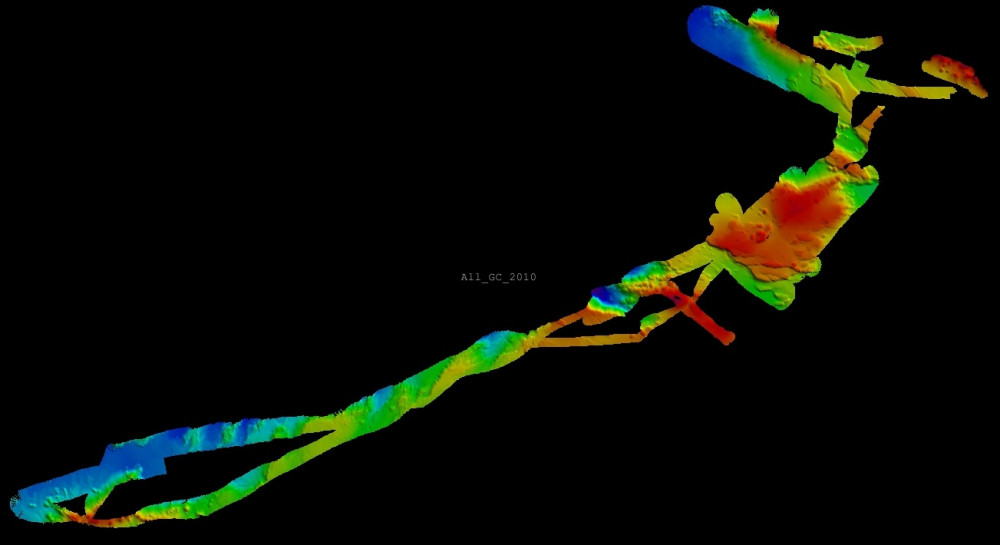
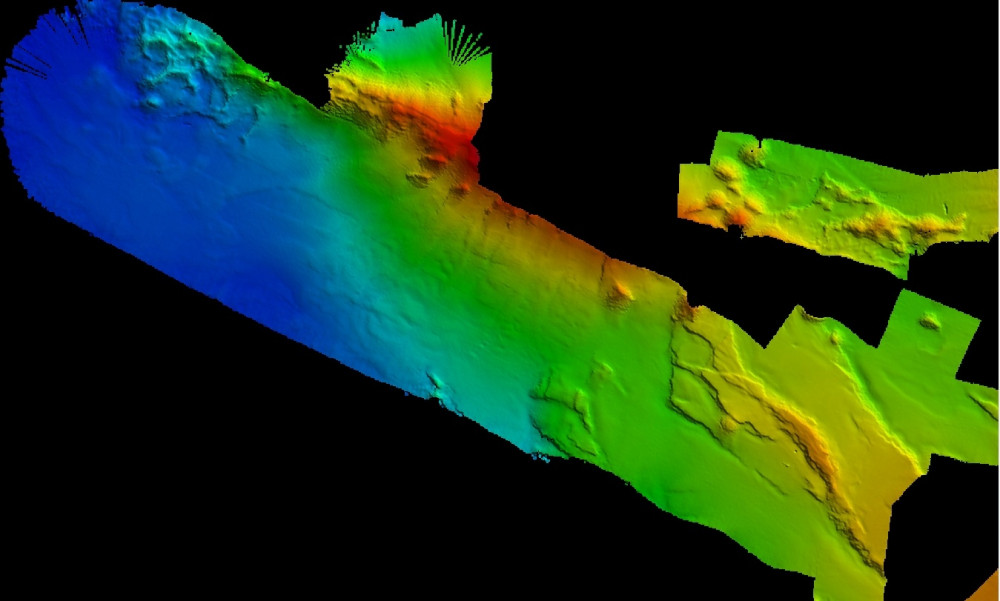
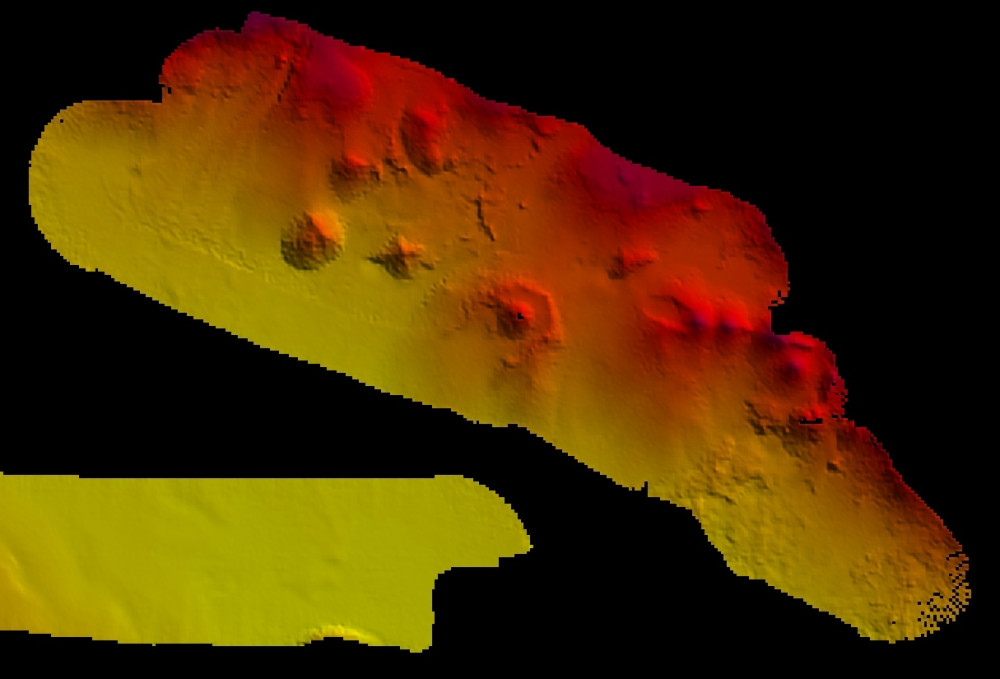
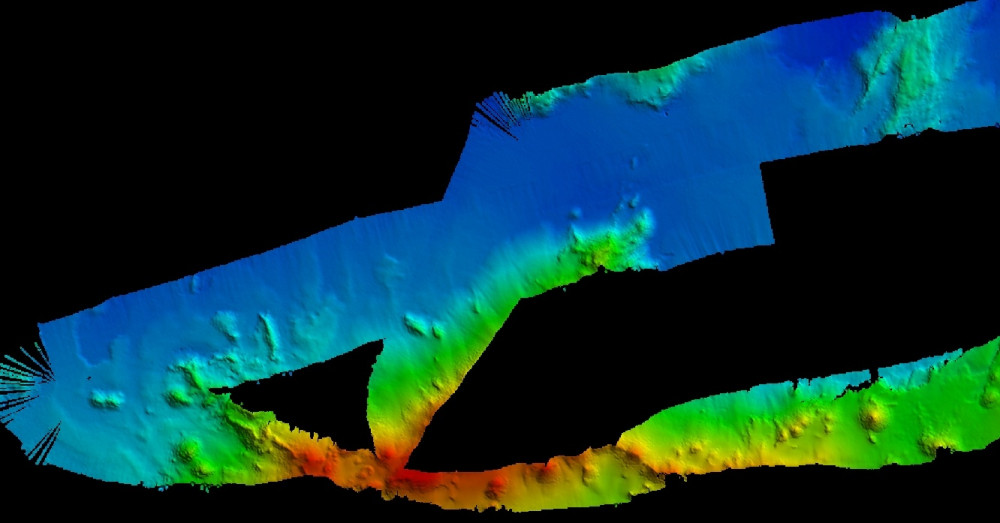
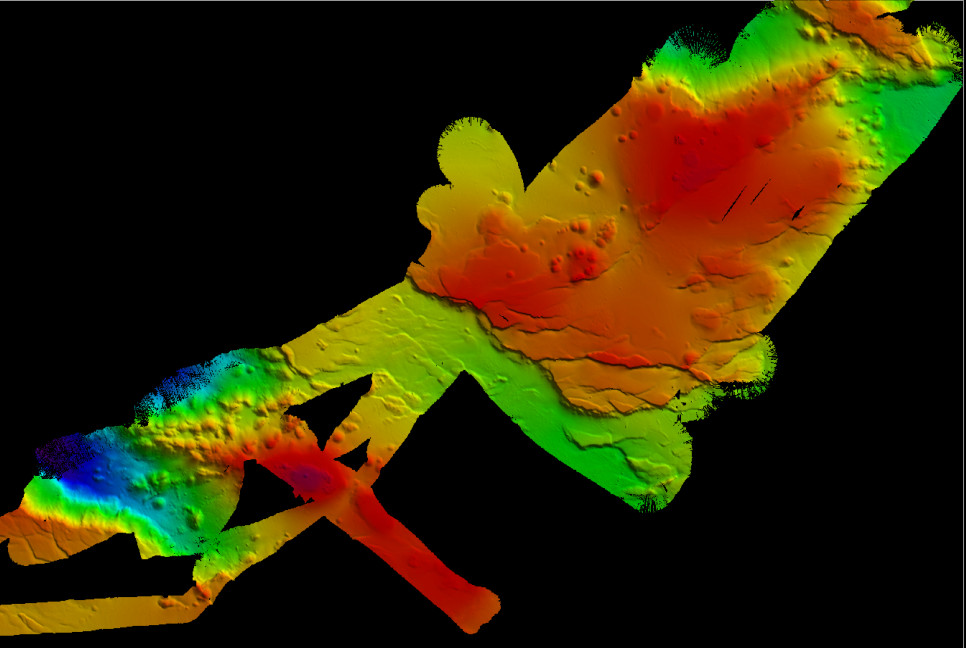
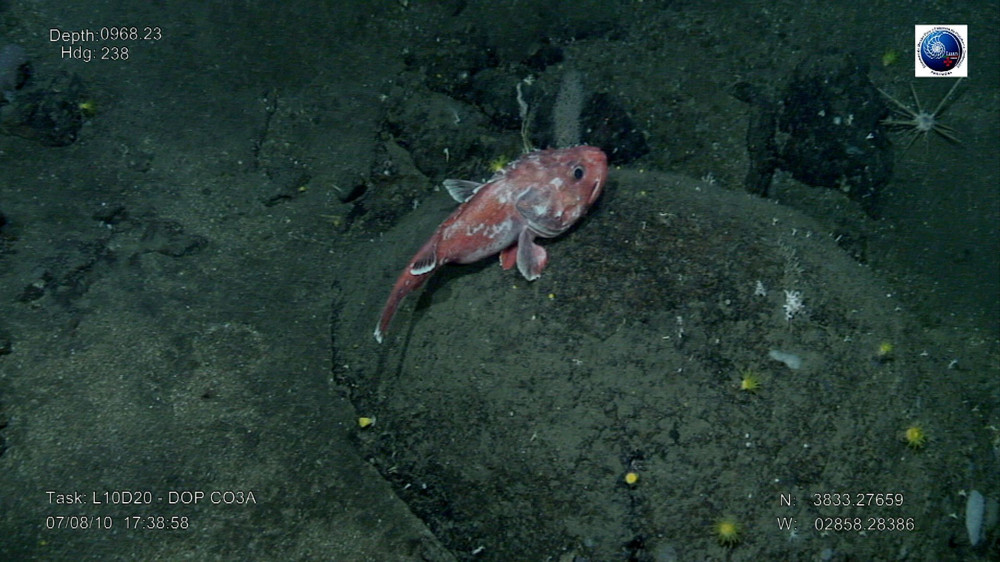
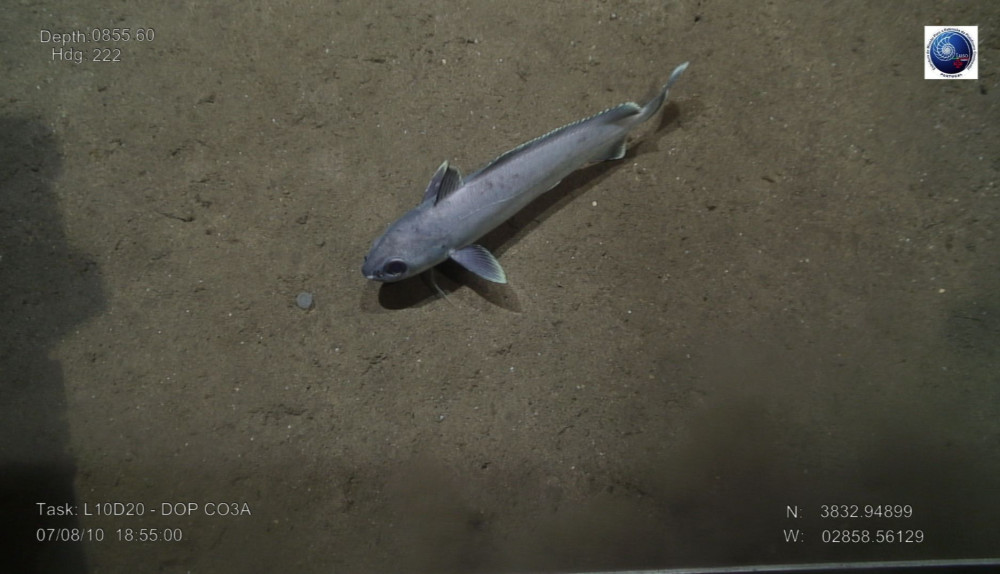
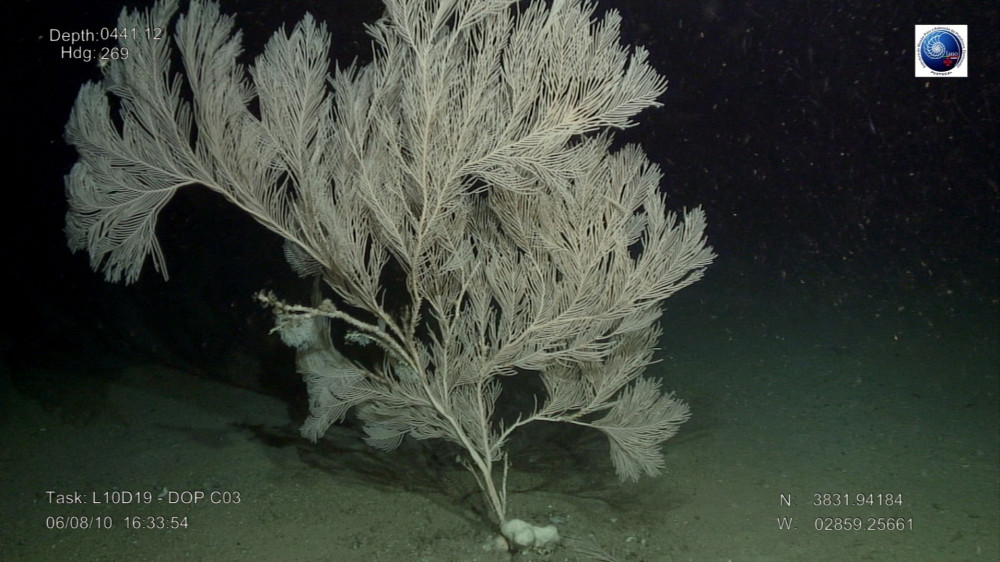
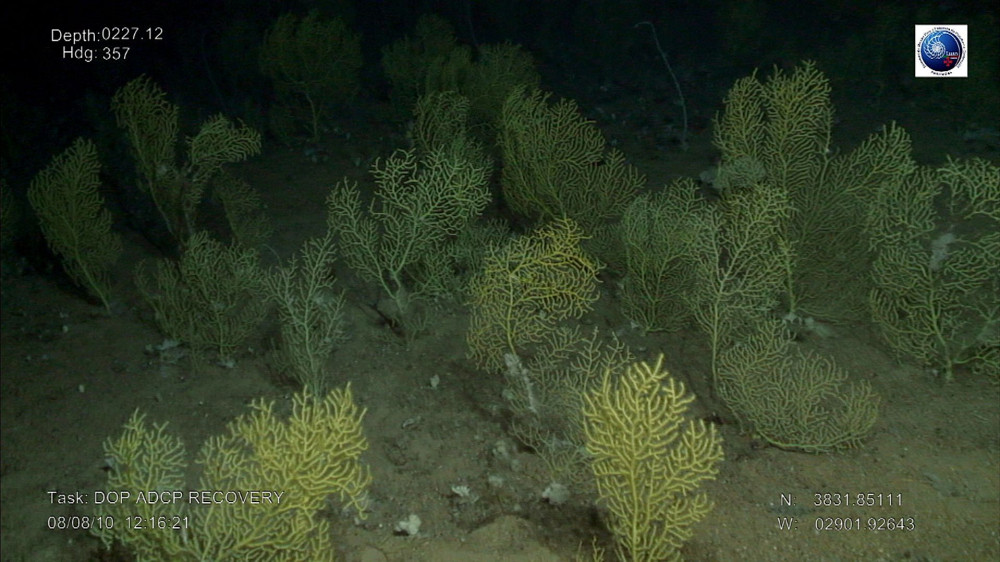
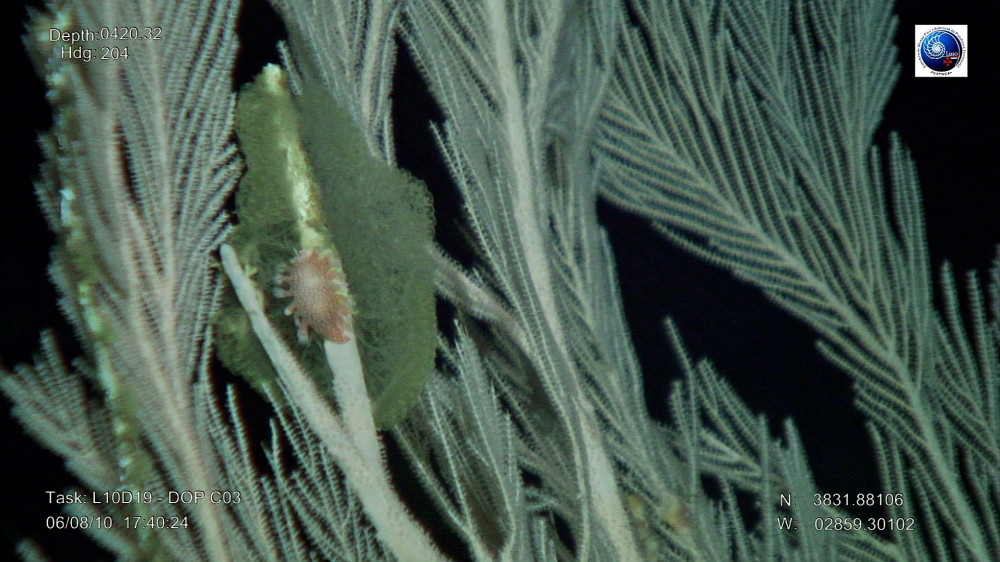
The main objective of the cruise was to characterize and compare deep-sea benthic ecosystems across multiple Azores seamounts, specifically to (i) map benthic communities on Condor and Voador seamounts; (ii) identify new cold-water coral areas and potential Vulnerable Marine Ecosystems (VMEs); (iii) compare fish communities in areas with and without corals; (iv) collect biological, geological, and seawater samples; and (v) conduct multibeam bathymetric surveys. Despite significant technical failures with the ROV that forced changes to the mission plan, the cruise obtained valuable data in three distinct areas, contributing to the understanding of the distribution and status of these deep-sea ecosystems in the Azores region.
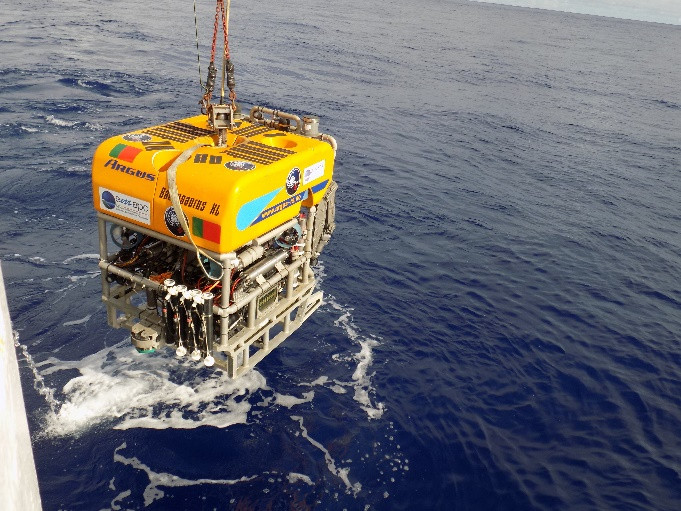
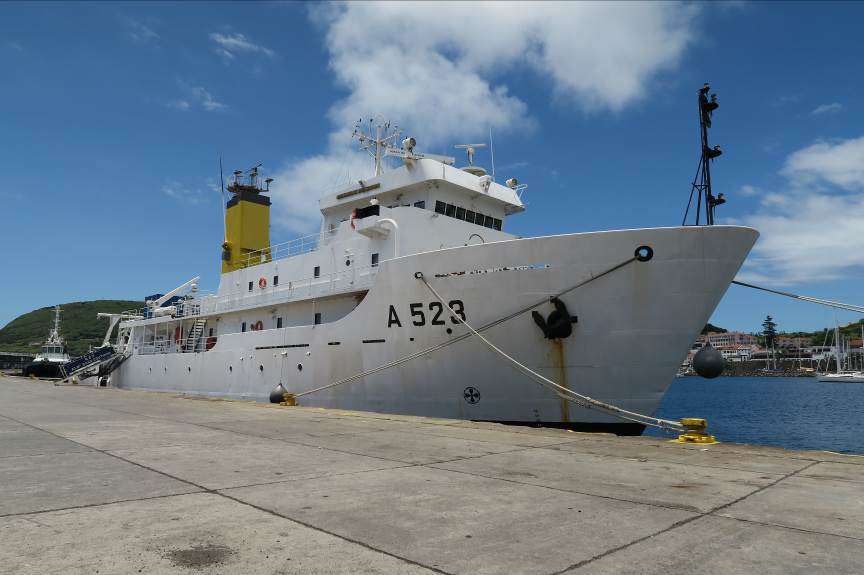
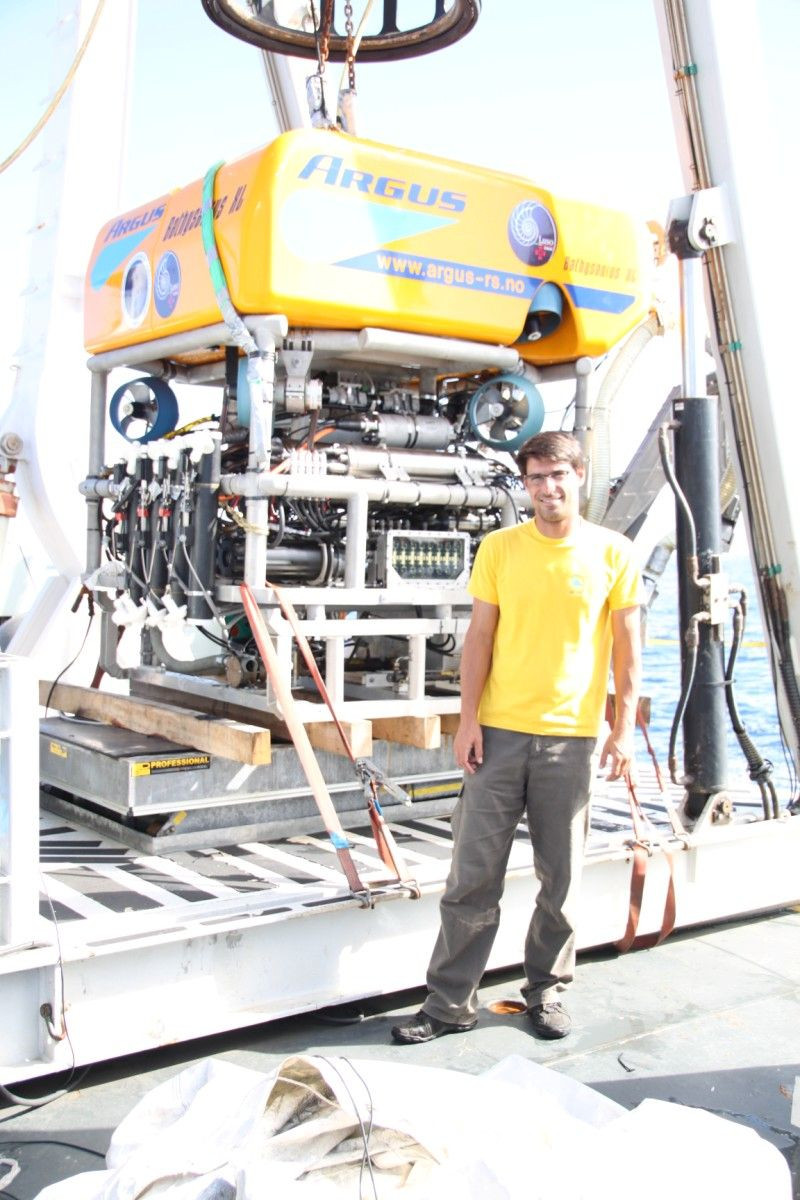
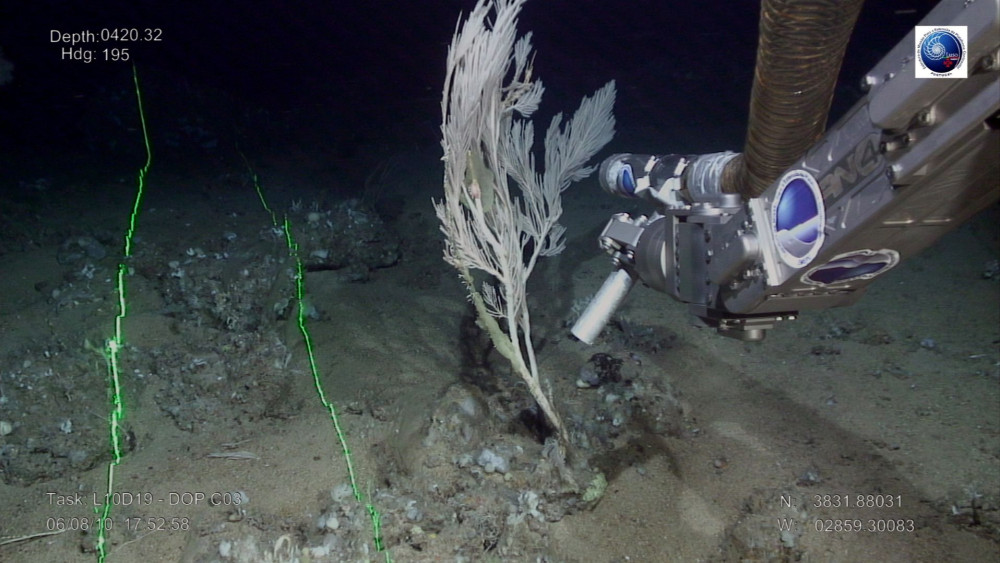
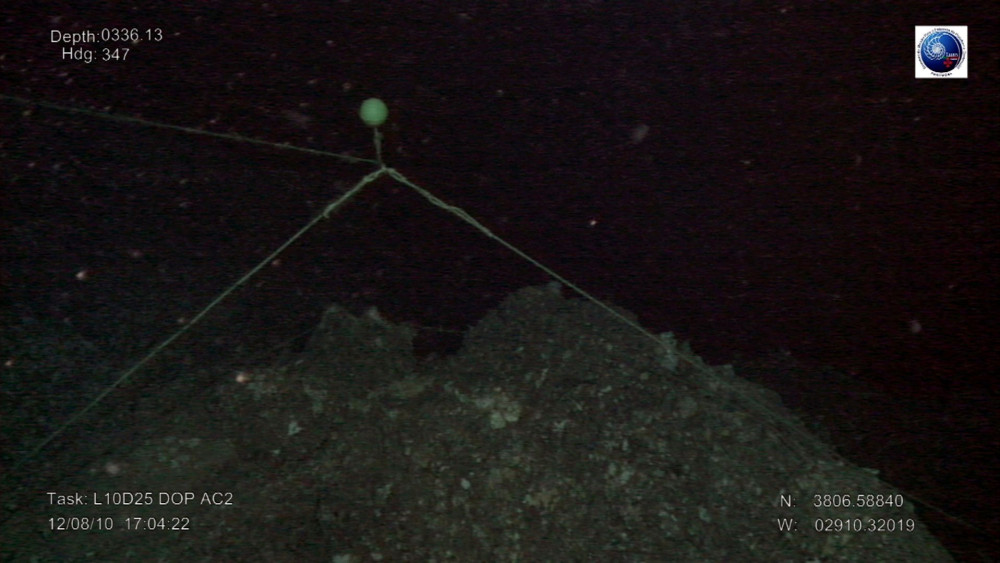
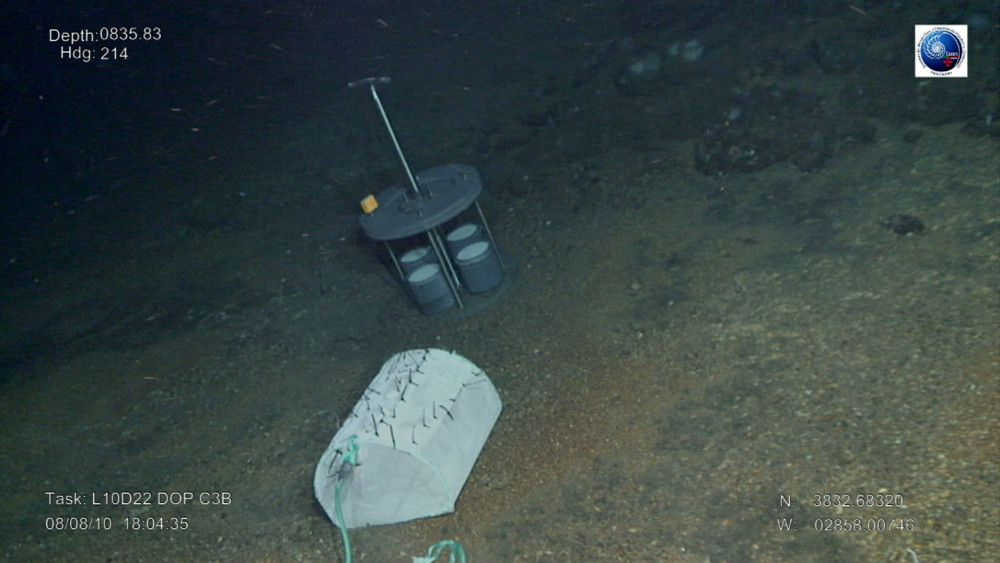
The CORALFISH 2010 cruise was a partnership between IMAR/DOP of the University of the Azores and other national partners, under the projects CoralFISH (FP7), CONDOR (EEA), CORAZON (FCT) and Hermione (FP7). The expedition aimed to explore the Condor and Voador seamounts and the Açores Bank, using the ROV Luso aboard the NRP Almirante Gago Coutinho, to map cold-water coral ecosystems and characterize benthic communities.
Statistics
Highlights
Location of operation
Condor, Voador, Banco Açores
Stations
CoralFISH 2010
Activities
Funding
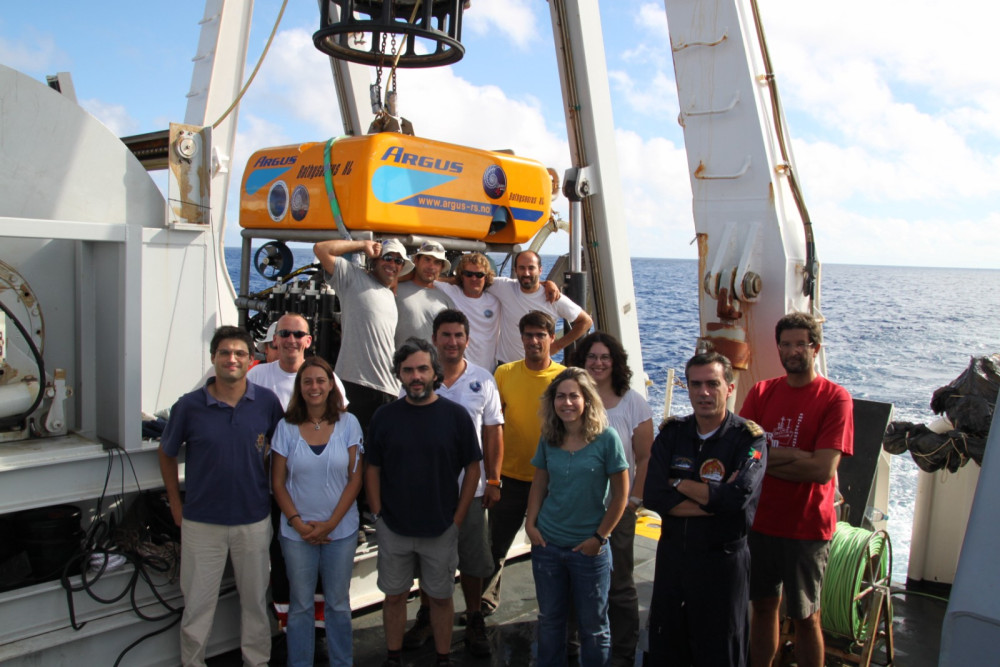
Cruise crew
Scientific crew
Collaborators
 CoralFISH
Assessment of the interaction between corals, fish and fisheries, in order to develop monitoring and predictive modelling tools for ecosystem based management in the deep waters of Europe and beyond
Funded by European Union’s FP7
CoralFISH
Assessment of the interaction between corals, fish and fisheries, in order to develop monitoring and predictive modelling tools for ecosystem based management in the deep waters of Europe and beyond
Funded by European Union’s FP7
 HERMIONE
Hotspot Ecosystem Research and Man’s Impact on European Seas
CoralFISH
Assessment of the interaction between corals, fish and fisheries, in order to develop monitoring and predictive modelling tools for ecosystem based management in the deep waters of Europe and beyond
Funded by European Union’s FP7
HERMIONE
Hotspot Ecosystem Research and Man’s Impact on European Seas
HERMIONE
Hotspot Ecosystem Research and Man’s Impact on European Seas
CoralFISH
Assessment of the interaction between corals, fish and fisheries, in order to develop monitoring and predictive modelling tools for ecosystem based management in the deep waters of Europe and beyond
Funded by European Union’s FP7
HERMIONE
Hotspot Ecosystem Research and Man’s Impact on European Seas
 ATLAS
A transatlantic assessment and deep-water ecosystem-based spatial management plan for Europe
Funded by European Union’s Horizon 2020
CoralFISH
Assessment of the interaction between corals, fish and fisheries, in order to develop monitoring and predictive modelling tools for ecosystem based management in the deep waters of Europe and beyond
Funded by European Union’s FP7
ATLAS
A transatlantic assessment and deep-water ecosystem-based spatial management plan for Europe
Funded by European Union’s Horizon 2020
CoralFISH
Assessment of the interaction between corals, fish and fisheries, in order to develop monitoring and predictive modelling tools for ecosystem based management in the deep waters of Europe and beyond
Funded by European Union’s FP7
 MIDAS
Managing Impacts of Deep-seA reSource exploitation
Funded by European Union’s FP7
MIDAS
Managing Impacts of Deep-seA reSource exploitation
Funded by European Union’s FP7
 CoralFISH
Assessment of the interaction between corals, fish and fisheries, in order to develop monitoring and predictive modelling tools for ecosystem based management in the deep waters of Europe and beyond
Funded by European Union’s FP7
HERMIONE
Hotspot Ecosystem Research and Man’s Impact on European Seas
CoralFISH
Assessment of the interaction between corals, fish and fisheries, in order to develop monitoring and predictive modelling tools for ecosystem based management in the deep waters of Europe and beyond
Funded by European Union’s FP7
HERMIONE
Hotspot Ecosystem Research and Man’s Impact on European Seas
 ATLAS
A transatlantic assessment and deep-water ecosystem-based spatial management plan for Europe
Funded by European Union’s Horizon 2020
CoralFISH
Assessment of the interaction between corals, fish and fisheries, in order to develop monitoring and predictive modelling tools for ecosystem based management in the deep waters of Europe and beyond
Funded by European Union’s FP7
ATLAS
A transatlantic assessment and deep-water ecosystem-based spatial management plan for Europe
Funded by European Union’s Horizon 2020
CoralFISH
Assessment of the interaction between corals, fish and fisheries, in order to develop monitoring and predictive modelling tools for ecosystem based management in the deep waters of Europe and beyond
Funded by European Union’s FP7
 DeepWalls
Exploring pristine deep-sea walls to establish baselines for Good Environmental Status in the Azores
Funded by Regional Government of the Azores, PO Açores 2020, European Regional Development Fund (ERDF / FEDER)
HERMIONE
Hotspot Ecosystem Research and Man’s Impact on European Seas
DeepWalls
Exploring pristine deep-sea walls to establish baselines for Good Environmental Status in the Azores
Funded by Regional Government of the Azores, PO Açores 2020, European Regional Development Fund (ERDF / FEDER)
HERMIONE
Hotspot Ecosystem Research and Man’s Impact on European Seas
 iAtlantic
Integrated Assessment of Atlantic Marine Ecosystems in Space and Time
Funded by European Union’s Horizon 2020
iAtlantic
Integrated Assessment of Atlantic Marine Ecosystems in Space and Time
Funded by European Union’s Horizon 2020
 MapGES
Mapping deep-sea biodiversity and “Good Environmental Status” in the Azores: assisting with the implementation of EU Marine Strategy Framework Directive
Funded by Regional Government of the Azores, PO Açores 2020, European Regional Development Fund (ERDF / FEDER)
MapGES
Mapping deep-sea biodiversity and “Good Environmental Status” in the Azores: assisting with the implementation of EU Marine Strategy Framework Directive
Funded by Regional Government of the Azores, PO Açores 2020, European Regional Development Fund (ERDF / FEDER)
 MarinePlan
Improved transdisciplinary science for effective ecosystem-based maritime spatial planning and conservation in European Seas
Funded by European Union’s Horizon Europe
MarinePlan
Improved transdisciplinary science for effective ecosystem-based maritime spatial planning and conservation in European Seas
Funded by European Union’s Horizon Europe
 MERCES
Marine Ecosystem Restoration in Changing European Seas
Funded by European Union’s Horizon 2020
MIDAS
Managing Impacts of Deep-seA reSource exploitation
Funded by European Union’s FP7
MERCES
Marine Ecosystem Restoration in Changing European Seas
Funded by European Union’s Horizon 2020
MIDAS
Managing Impacts of Deep-seA reSource exploitation
Funded by European Union’s FP7
 BIOMETORE 2015
 to the Great Meteor Complex seamounts
BIOMETORE 2015
BIOMETORE 2015 to the Great Meteor Complex seamounts
 Blue Azores 2018
Blue Azores Program: Expedition 2018
Blue Azores 2018
Blue Azores Program: Expedition 2018
 CoralFISH 2010
CoralFish cruise to Condor, Voador and Banco Açores 2010
CoralFISH 2010
CoralFish cruise to Condor, Voador and Banco Açores 2010
 MapGES 2019
Mapping deep-sea biodiversity and “Good Environmental Status” in the Azores
MapGES 2019
Mapping deep-sea biodiversity and “Good Environmental Status” in the Azores
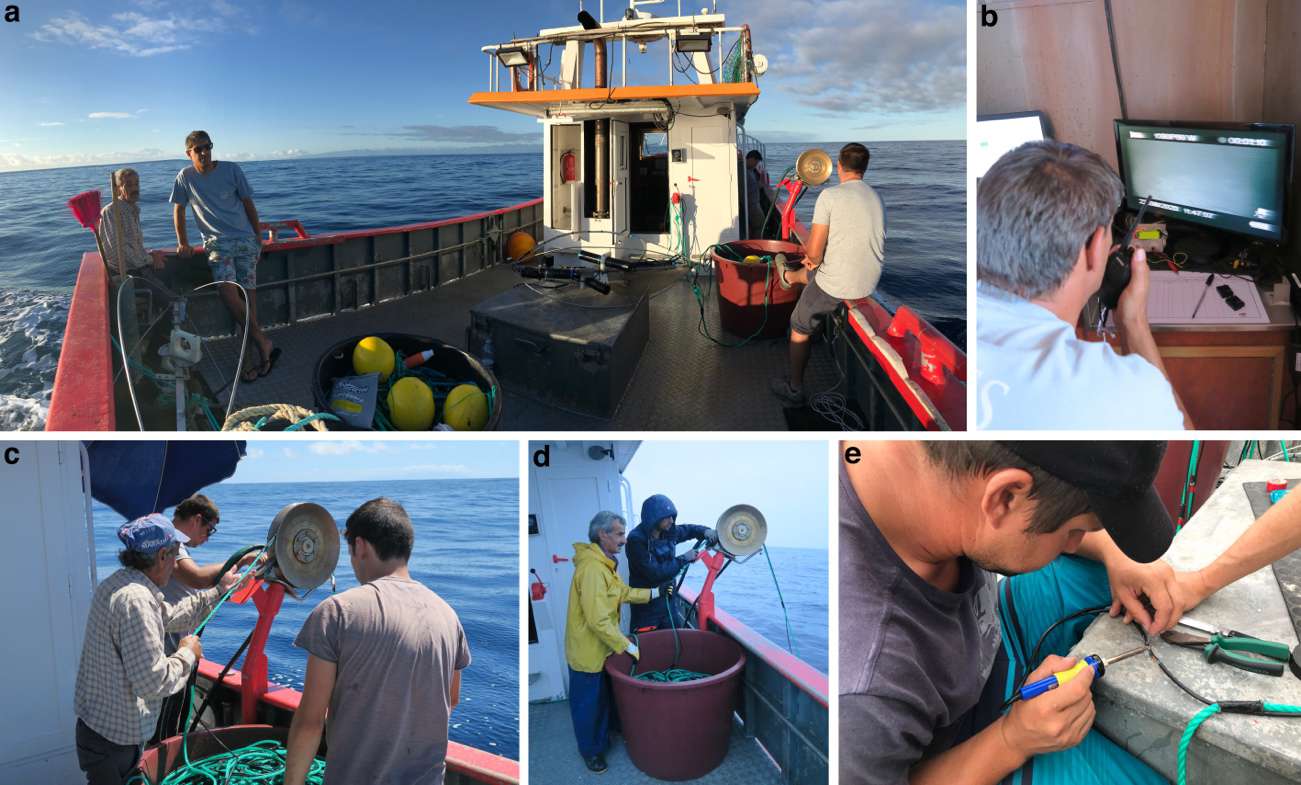 MapGES 2020
Mapping deep-sea biodiversity and “Good Environmental Status” in the Azores
MapGES 2020
Mapping deep-sea biodiversity and “Good Environmental Status” in the Azores
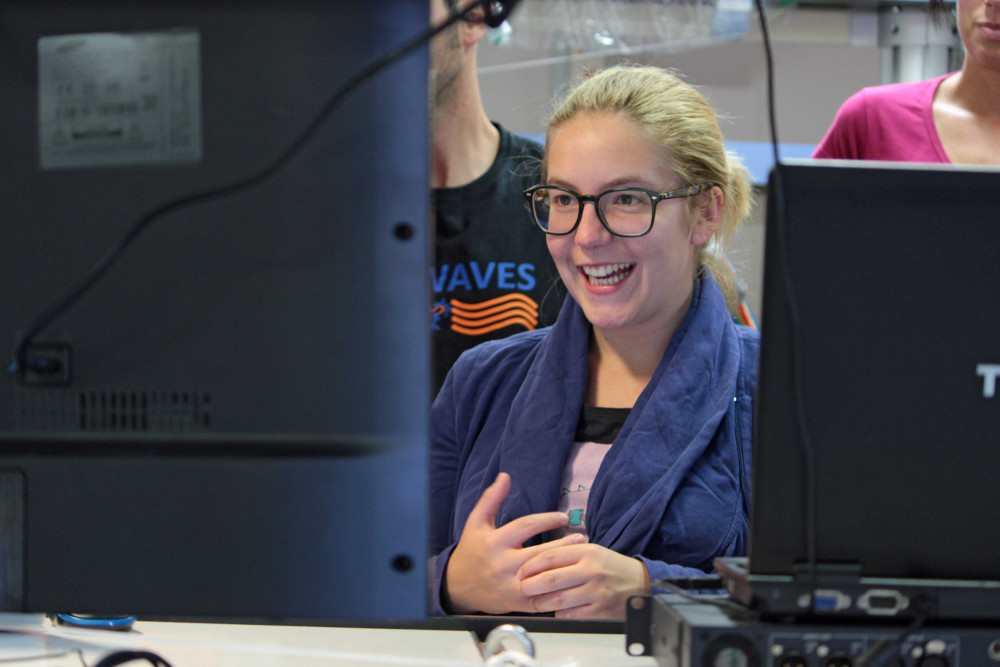 MedWaves 2016
MEDiterranean out flow WAter and Vulnerable EcosystemS
MedWaves 2016
MEDiterranean out flow WAter and Vulnerable EcosystemS
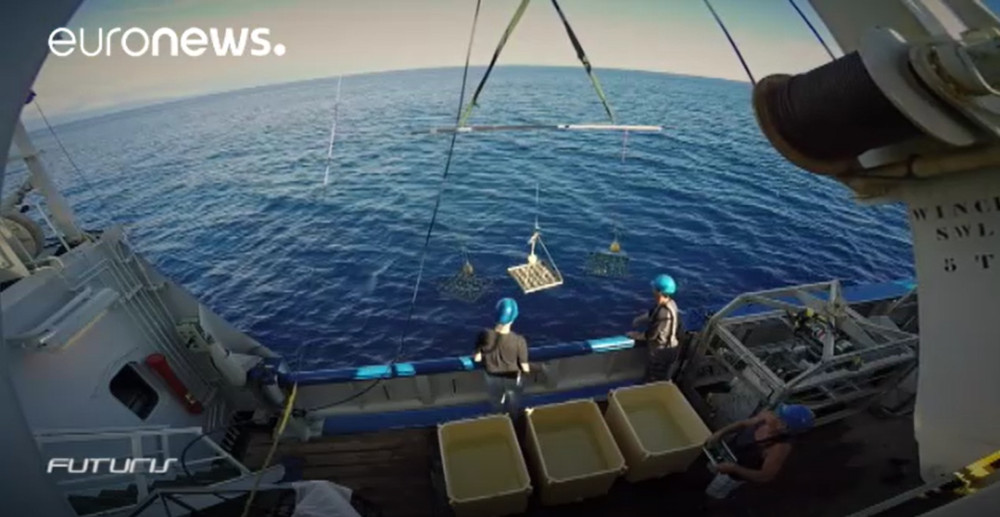 MIDAS 2016
Investigation of Field Protocols for Deep Sea Mining Monitoring and Environmental Impact Assessment
MIDAS 2016
Investigation of Field Protocols for Deep Sea Mining Monitoring and Environmental Impact Assessment
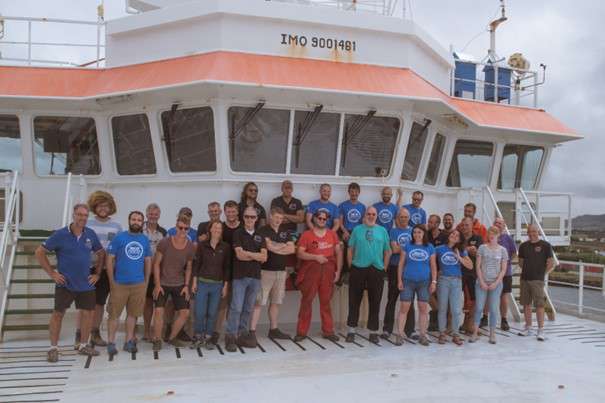 NICO Leg 12 2018
RV Pelagia cruise 64PE441: Rainbow hydrothermal vent, southern MAR, and Terceira 2018
NICO Leg 12 2018
RV Pelagia cruise 64PE441: Rainbow hydrothermal vent, southern MAR, and Terceira 2018
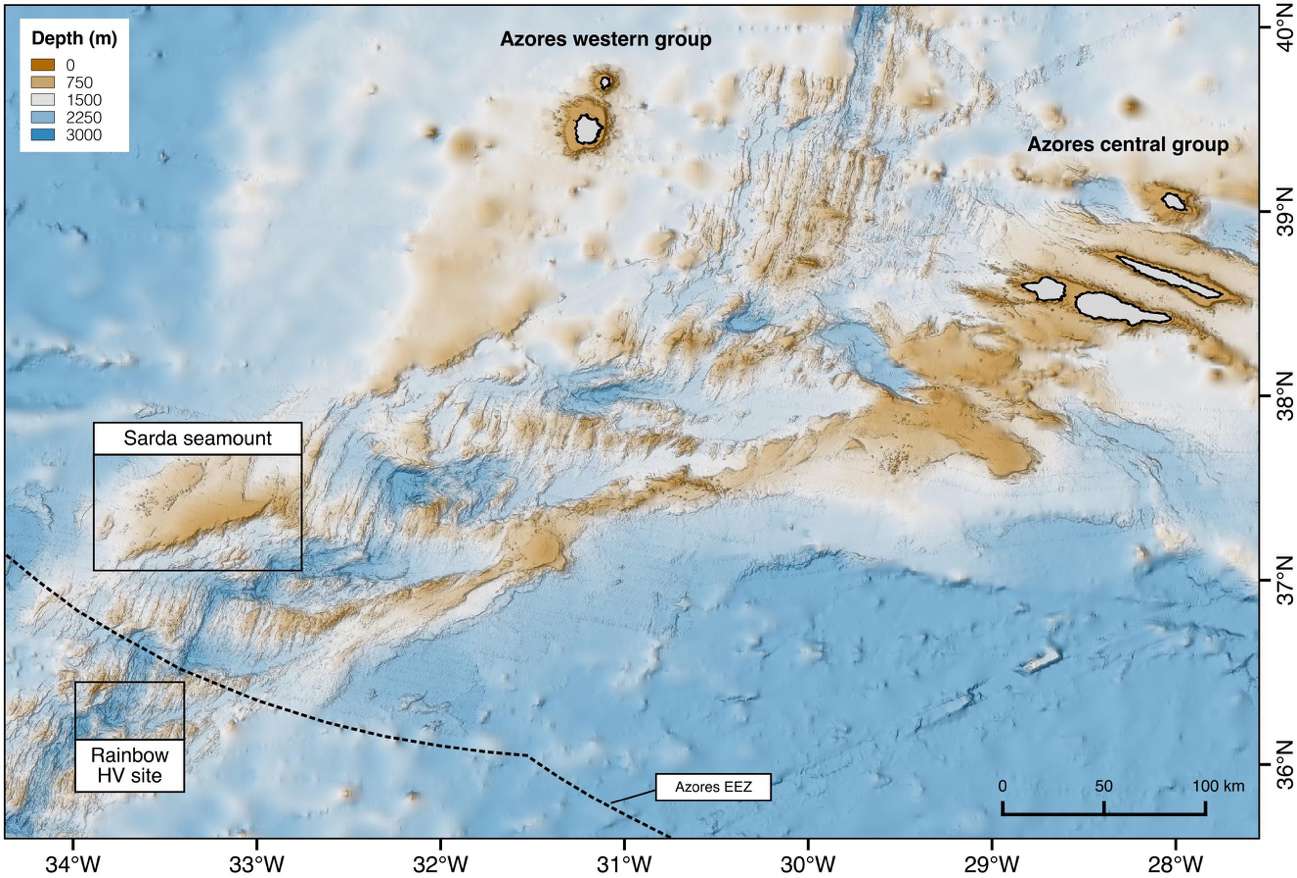 Rainbow 2019
RV Pelagia cruise 64PE454: Rainbow hydrothermal vent and southern MAR 2019
Rainbow 2019
RV Pelagia cruise 64PE454: Rainbow hydrothermal vent and southern MAR 2019
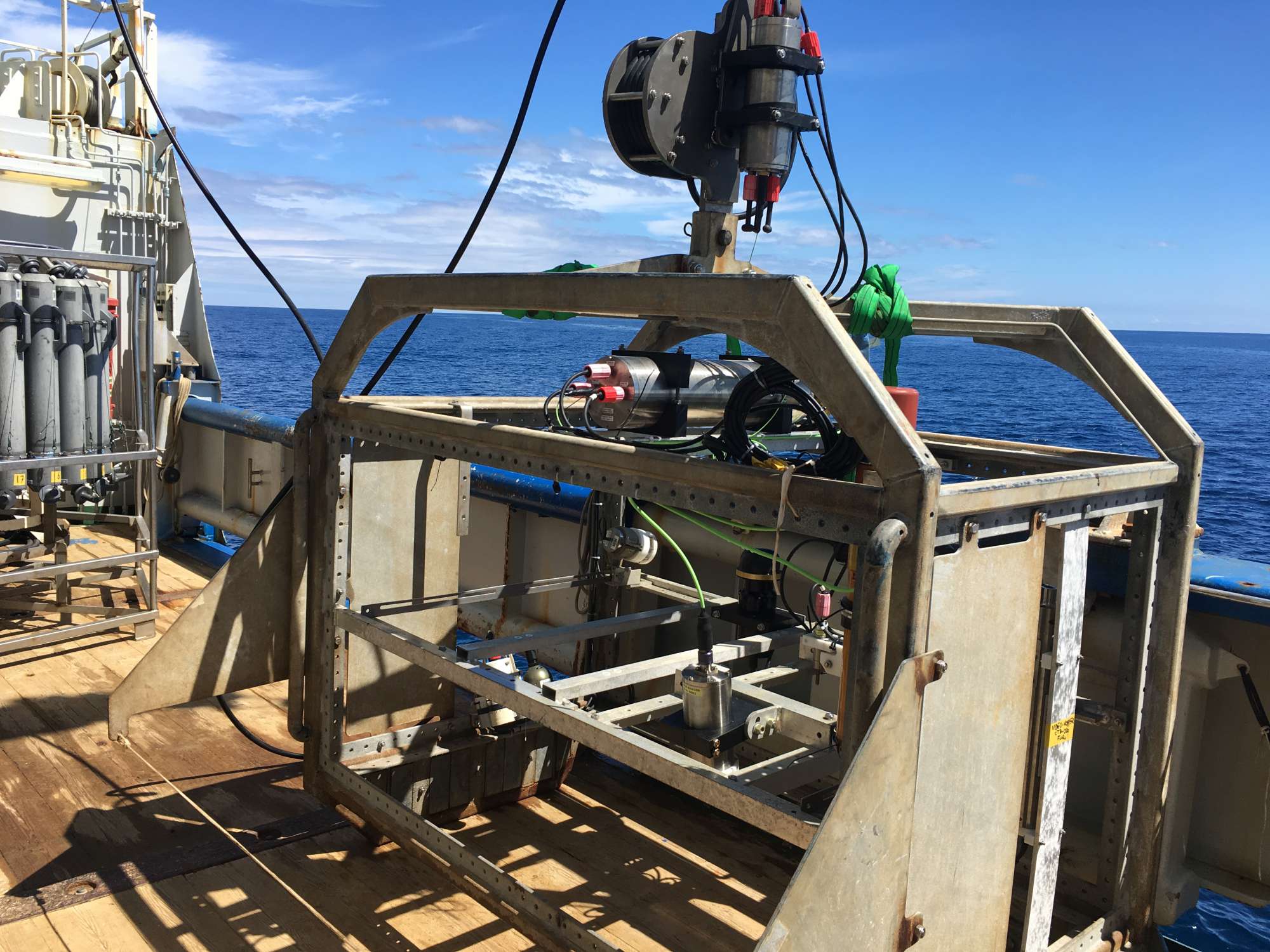 Terceira 2019
RV Pelagia cruise 64PE456: Terceira Island 2019
Terceira 2019
RV Pelagia cruise 64PE456: Terceira Island 2019
Images
Dives images
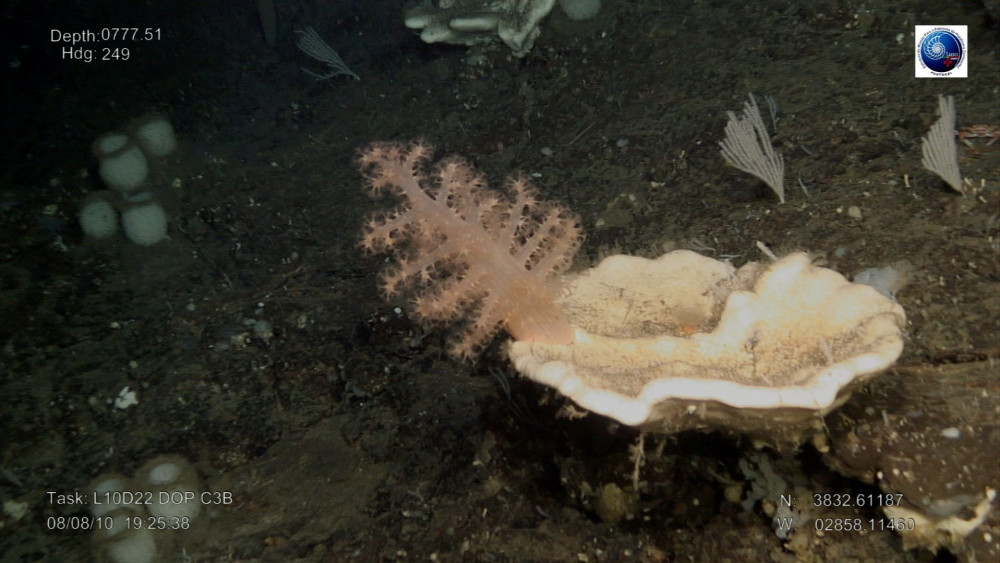
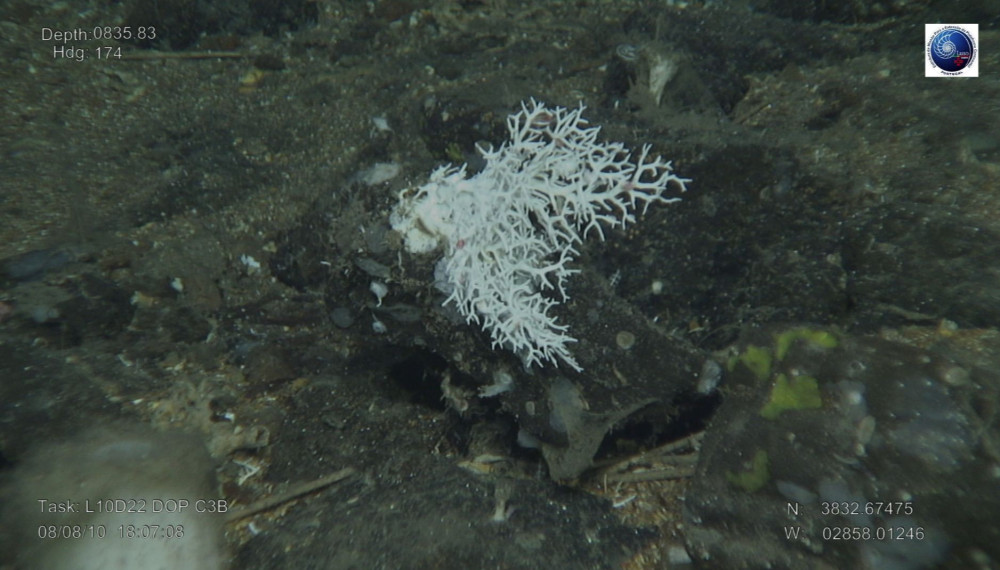
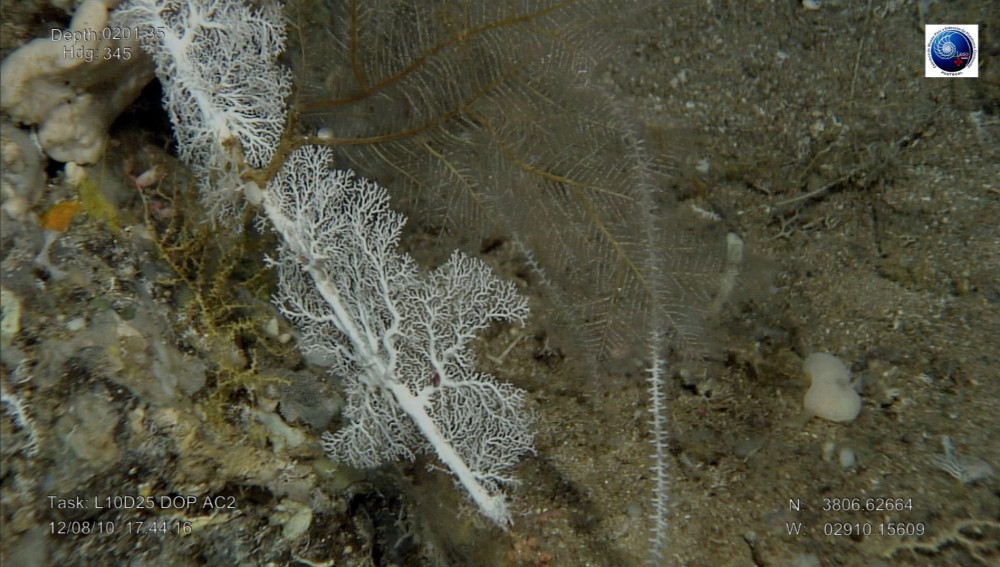






Location
Departamento de Oceanografia e Pescas — Universidade dos Açores
Rua Prof. Doutor Frederico Machado, No. 4
9901-862 Horta, Portugal
Contact
Email: azoresdeepsea@gmail.com

AZORES DEEP-SEA RESEARCH © 2020-2026 — RELEASE 2.1
 VALTER MEDEIROS