Loading…
Loading…

Coral HotSpot
The Azores: a coral biodiversity hotspot and a coldspot of genomic information
Coral HotSpot
Loading project…
The Azores: a coral biodiversity hotspot and a coldspot of genomic information
Period: 01 Feb 2025 to 30 Jun 2026
Funding: 1 source(s)
FAM Foundation (Fundação Ana Mendonça)
Budget: 25,000.00 €
Summary
The Azores: a coral biodiversity hotspot and a coldspot of genomic information
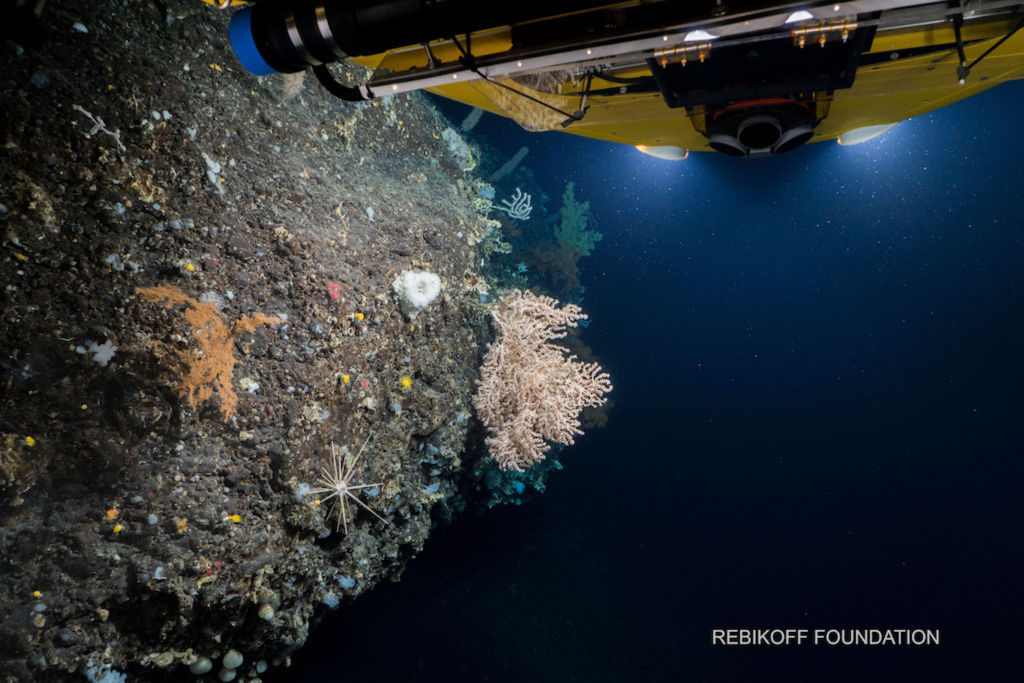
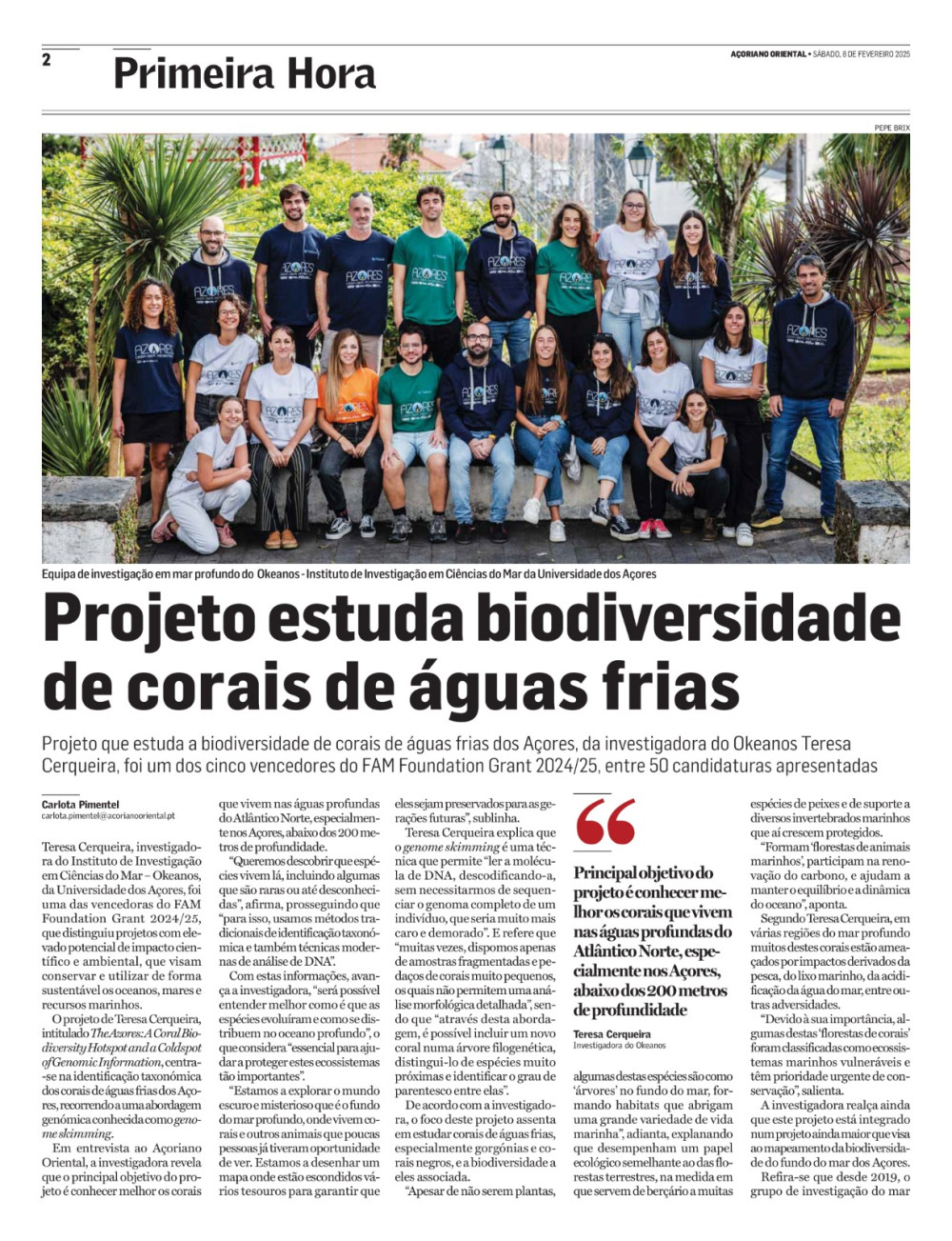
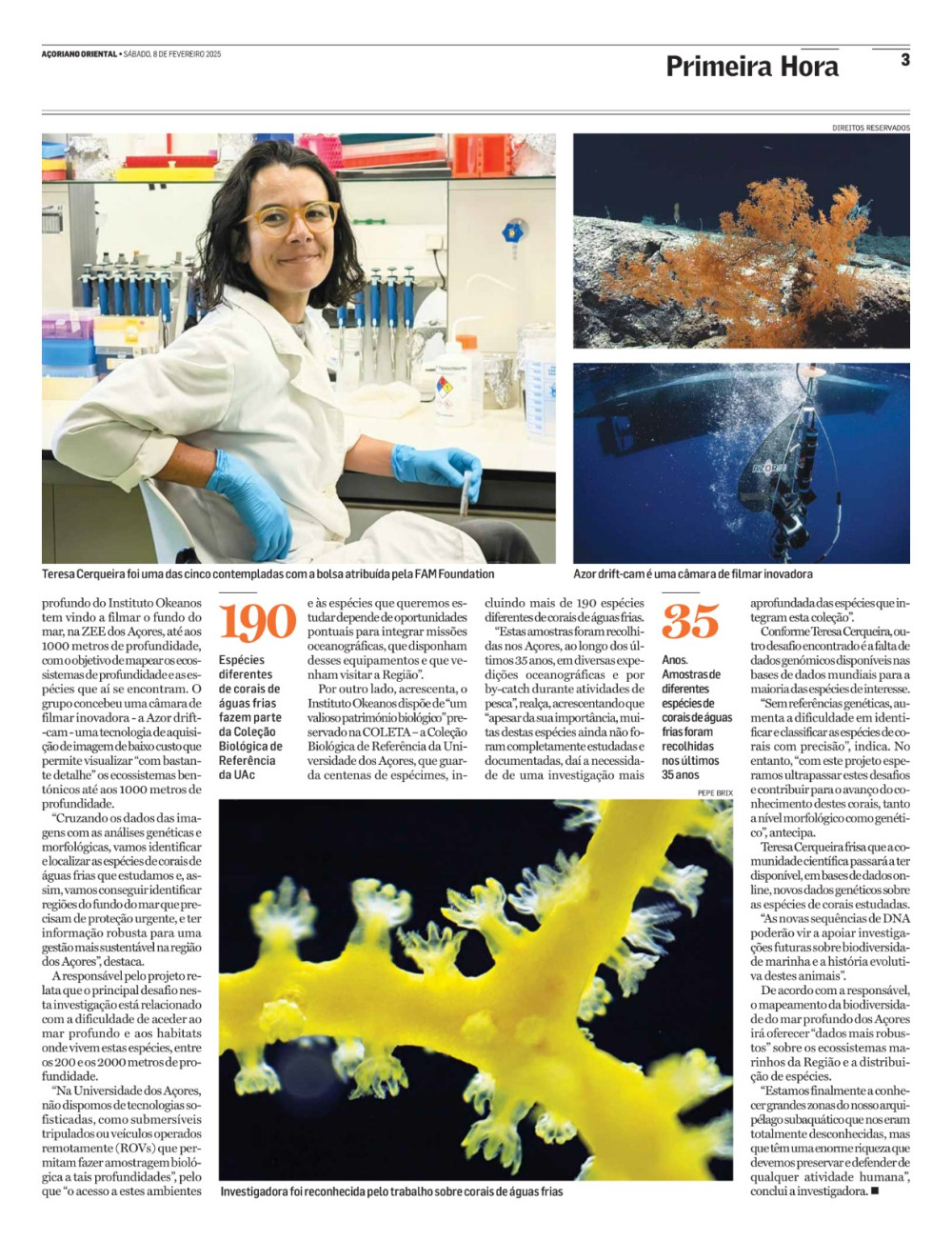
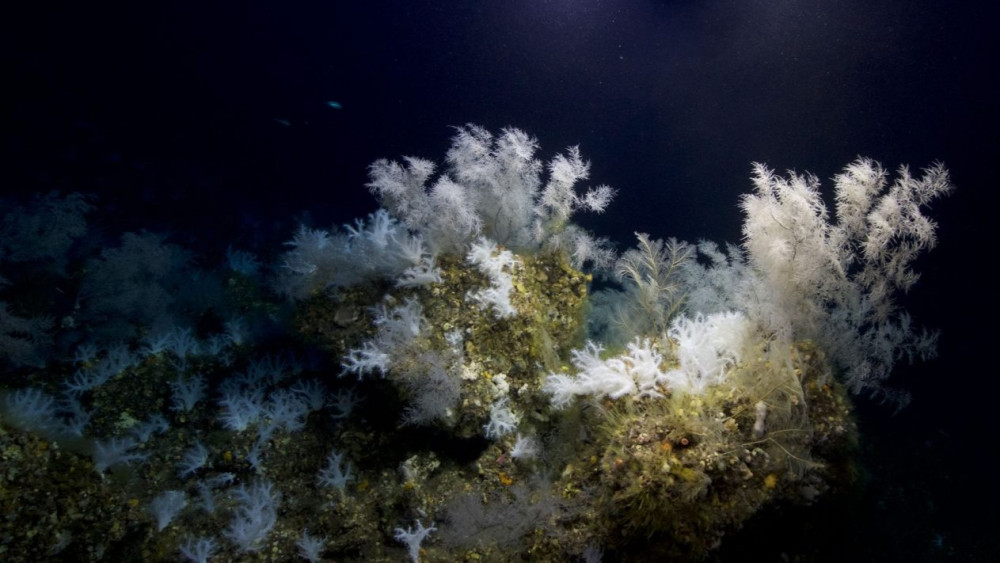
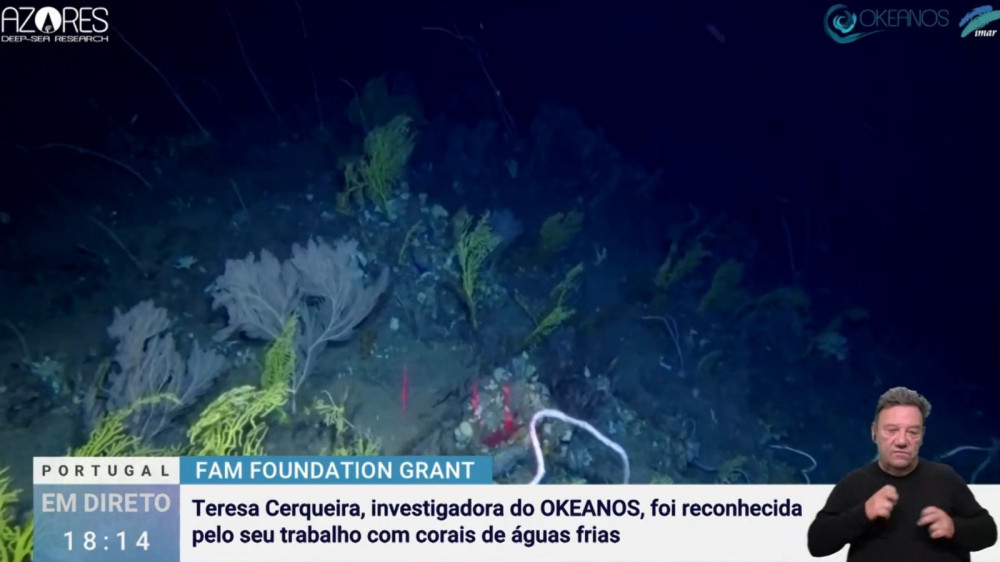
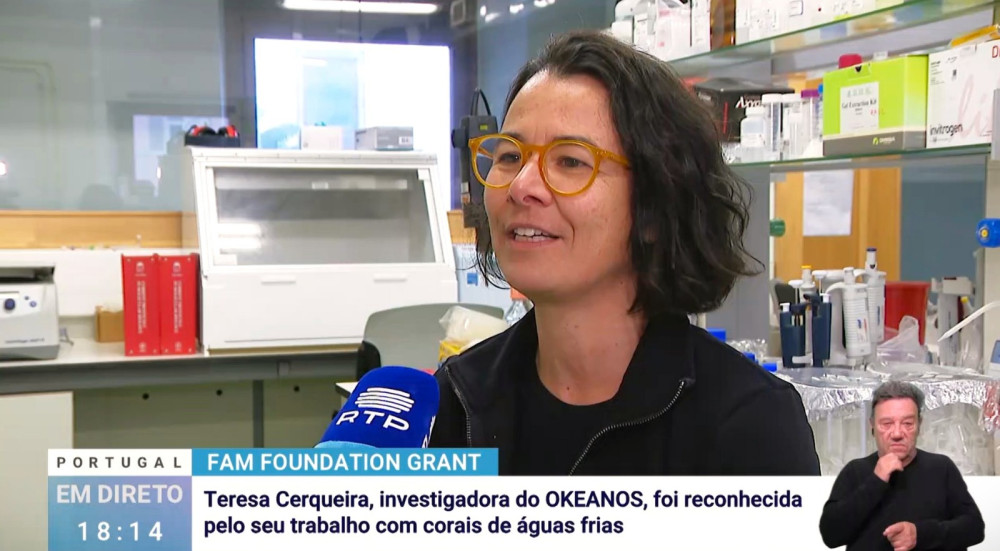
The Azores host a remarkable diversity of benthic communities, in which cold-water corals act as key ecosystem engineers. These corals play a critical role in enhancing local biodiversity by providing refuge, feeding, and breeding grounds for numerous marine species. Their loss can have lasting impacts on marine biodiversity and the ecosystem services they support, making their conservation an urgent priority. This FAM project aims to advance our understanding of cold-water coral biodiversity in the Azores which are commonly regarded as biodiversity hotspots. The work will be conducted in collaboration with the Smithsonian’s National Museum of Natural History (Washington, DC) through an integrative approach that combines traditional morphological analyses with the molecular technique of genome skimming. This will enable, for the first time, a comprehensive exploration of coral genomes from this region.
The project results will advance our understanding of the biodiversity, phylogeny, and evolution of cold-water corals in the Azores and may reveal new species to science. Furthermore, they will provide critical information to support future conservation strategies, in the region and beyond, and the sustainable management of deep-sea ecosystems. These outcomes align directly with the EU 2030 Agenda, and the SDG 14: “Life below water”.
The Azores host a remarkable diversity of benthic communities, in which cold-water corals act as key ecosystem engineers. These corals play a critical role in enhancing local biodiversity by providing refuge, feeding, and breeding grounds for numerous marine species. Their loss can have lasting impacts on marine biodiversity and the ecosystem services they support, making their conservation an urgent priority. This FAM project aims to advance our understanding of cold-water coral biodiversity in the Azores which are commonly regarded as biodiversity hotspots. The work will be conducted in collaboration with the Smithsonian’s National Museum of Natural History (Washington, DC) through an integrative approach that combines traditional morphological analyses with the molecular technique of genome skimming. This will enable, for the first time, a comprehensive exploration of coral genomes from this region.
Videos
Our Team's role
Collaborators
Main results
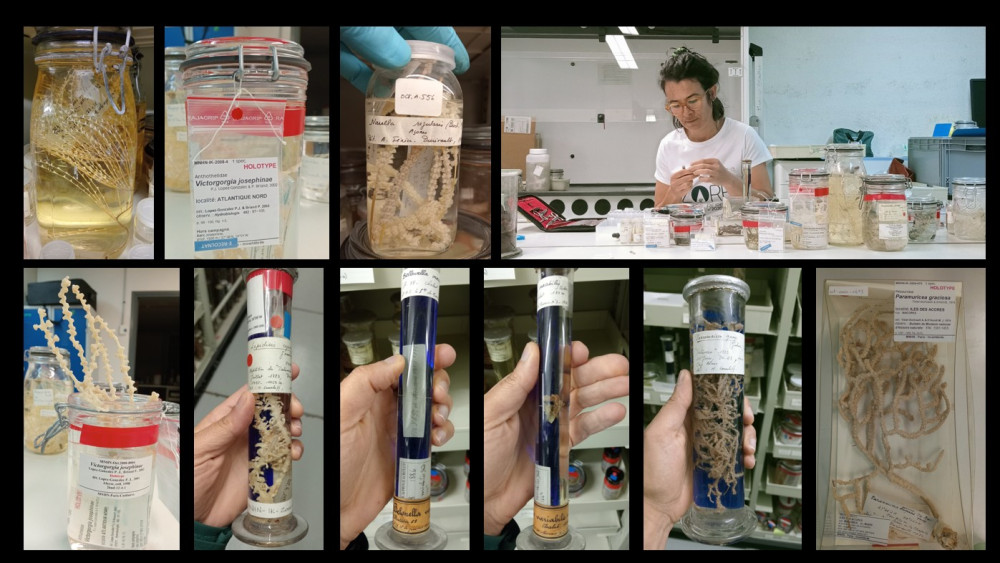
Cold-water corals have been widely collected in the Azores region, ranging from historic expeditions led by Prince Albert I of Monaco in the early 1900s to recent oceanographic cruises. Yet most of their diversity remains hidden in unexplored museum collections. FAM project is now exploring this hidden diversity. This work is already revealing cold-water coral species new to science. Taxonomic analyses of specimens from the Natural History Museums of Paris, Monaco, and Frankfurt are underway using Scanning Electron Microscopy (SEM). In parallel, laboratory protocols for DNA extractions of old and poorly preserved specimens, including type material, have been optimized with successful results. Furthermore, DNA libraries for genome skimming were constructed and sequenced on an Illumina Novaseq platform. The new molecular data is being integrated into large-scale phylogenomic trees, clarifying species boundaries and reconstructing the evolutionary relationships of Azorean octocoral and black coral species, across the North Atlantic deep seafloor. At a time of escalating biodiversity loss, this project represents an urgent step toward preserving the Azores’ deep-sea ecosystems and their invaluable contributions to marine life and human well-being.
Cold-water corals have been widely collected in the Azores region, ranging from historic expeditions led by Prince Albert I of Monaco in the early 1900s to recent oceanographic cruises. Yet most of their diversity remains hidden in unexplored museum collections. FAM project is now exploring this hidden diversity. This work is already revealing cold-water coral species new to science. Taxonomic analyses of specimens from the Natural History Museums of Paris, Monaco, and Frankfurt are underway using Scanning Electron Microscopy (SEM). In parallel, laboratory protocols for DNA extractions of old and poorly preserved specimens, including type material, have been optimized with successful results. Furthermore, DNA libraries for genome skimming were constructed and sequenced on an Illumina Novaseq platform. The new molecular data is being integrated into large-scale phylogenomic trees, clarifying species boundaries and reconstructing the evolutionary relationships of Azorean octocoral and black coral species, across the North Atlantic deep seafloor. At a time of escalating biodiversity loss, this project represents an urgent step toward preserving the Azores’ deep-sea ecosystems and their invaluable contributions to marine life and human well-being.
Coral HotSpot Gallery










Location
Departamento de Oceanografia e Pescas — Universidade dos Açores
Rua Prof. Doutor Frederico Machado, No. 4
9901-862 Horta, Portugal
Contact
Email: azoresdeepsea@gmail.com

AZORES DEEP-SEA RESEARCH © 2020-2026 — RELEASE 2.1
 VALTER MEDEIROS